
Brown spots in Bermuda grass usually result from fungal infections, insect damage, nutrient deficiencies, improper watering, or soil compaction. Identifying the cause early helps you apply the right treatment and keep your lawn healthy and green. Regular care and monitoring are key to preventing these unsightly patches.
Have you noticed brown spots popping up in your Bermuda grass lawn? Those unsightly patches can quickly turn your vibrant green yard into a dull, patchy mess.
You might be wondering why this is happening and what you can do to fix it. Understanding the causes of these brown spots is the first step to bringing your lawn back to life. Keep reading, and you’ll discover the common reasons behind these brown patches and simple ways to restore your grass’s healthy glow.
Credit: www.wrightmfg.com
Common Causes Of Brown Spots
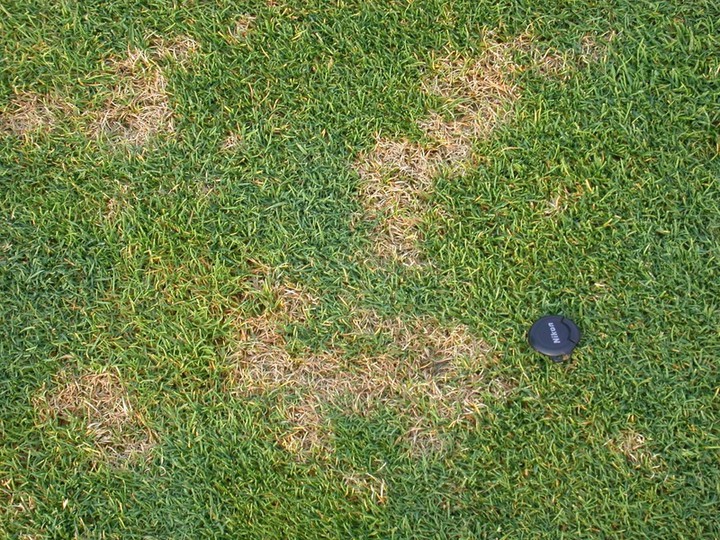
Brown spots on Bermuda grass can spoil its lush, green look. These spots often signal problems that need attention. Understanding common causes helps keep your lawn healthy and green. Here are some main reasons brown spots appear on Bermuda grass.
Fungal Infections
Fungal infections are a top reason for brown spots. Fungi thrive in warm, wet conditions. They attack grass blades and roots, causing patches to turn brown and die. Early signs include small, circular spots. Treating fungal infections quickly helps save your lawn.
Insect Damage
Insects like grubs and chinch bugs feed on Bermuda grass roots and leaves. Their bites cause grass to weaken and turn brown. Insect damage often shows as irregular brown patches. Controlling pests early prevents severe lawn damage.
Nutrient Deficiencies
Bermuda grass needs nutrients like nitrogen, phosphorus, and potassium. Lack of these causes poor growth and brown spots. Nitrogen deficiency often leads to yellowing first, then brown. Regular soil tests and fertilizing keep grass green and healthy.
Watering Issues
Too little or too much water harms Bermuda grass. Dry soil causes grass to dry out and brown. Overwatering leads to root rot and fungal diseases. Proper watering keeps grass strong and green. Water deeply but less often for best results.
Soil Compaction
Compacted soil stops water, air, and nutrients from reaching roots. Grass grows weak and develops brown spots. Heavy foot traffic often causes soil compaction. Aerating the lawn helps improve soil health and grass growth.
Credit: theturfgrassgroup.com
Identifying Lawn Diseases
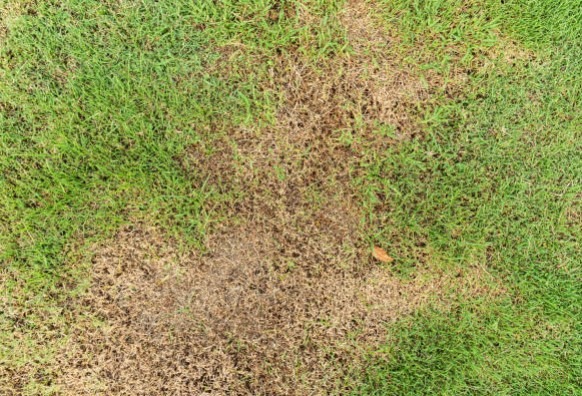
Brown spots on Bermuda grass often mean a lawn disease is present. Identifying these diseases early helps save your grass. Different types of fungi cause these problems. Each shows unique signs on your lawn. Knowing what to watch for makes treatment easier. Sometimes, professional help is needed to stop damage.
Types Of Fungal Diseases
Several fungal diseases cause brown spots in Bermuda grass. Brown patch is common in warm, wet weather. It forms circular brown areas on the lawn. Dollar spot leaves small, silver-dollar size spots. These spots can grow and join together. Take-all root rot affects roots and kills grass quickly. Each disease needs a different treatment approach.
Signs Of Disease Damage
Look for irregular brown or yellow patches on grass. Patches may grow larger over days or weeks. Grass blades may look thin, dry, or dead. Some diseases cause a gray or white mold on leaves. You might see rings or spots inside the brown areas. Check the soil too; unhealthy roots mean trouble below ground.
When To Call A Professional
Call a lawn care expert if spots spread fast. If you cannot identify the disease, get help. Professionals can test the soil and grass samples. They know which fungicides or treatments work best. Persistent or severe damage needs expert care. Early action prevents your lawn from dying completely.
Preventing Brown Spots
Preventing brown spots in Bermuda grass starts with good lawn care habits. These spots appear due to stress, poor soil, or disease. Keeping your grass healthy stops these problems early. Focus on mowing, fertilizing, watering, and soil care for best results.
Proper Mowing Techniques
Cut Bermuda grass at the right height, about 1 to 2 inches. Avoid cutting too short. Short grass weakens roots and causes brown patches. Use sharp mower blades to make clean cuts. Mow regularly to keep grass even and healthy.
Balanced Fertilization
Use fertilizer with the right nutrients for Bermuda grass. Too much nitrogen causes fast growth but weak grass. Too little makes grass weak and brown. Follow a fertilization schedule based on your soil test. Apply fertilizer evenly to avoid burned spots.
Efficient Watering Practices
Water Bermuda grass deeply but less often. This encourages strong roots. Water early in the morning to reduce evaporation. Avoid overwatering, which causes fungal diseases and brown spots. Check soil moisture before watering again.
Aeration And Soil Health
Aerate your lawn once or twice a year. This helps air, water, and nutrients reach the roots. Compacted soil stops grass from growing well. Add organic matter to improve soil structure. Healthy soil supports green, strong Bermuda grass.
Treatment Options For Brown Spots
Brown spots in Bermuda grass need prompt care to keep your lawn healthy. Treating these spots stops damage and helps grass grow back strong. Different methods work for different causes of brown spots. Choose the right treatment for the best results.
Fungicide Applications
Fungicides fight fungal infections that cause brown spots. Use the right type based on the fungus identified. Apply fungicides evenly over affected areas. Repeat treatments may be necessary for full control. Follow product instructions carefully for safety and effectiveness.
Insect Control Methods
Insects can harm Bermuda grass, causing brown spots. Identify the pest type before treatment. Use insecticides suitable for lawn pests and safe for grass. Natural options like beneficial nematodes can reduce harmful insects. Regular monitoring helps catch insect problems early.
Soil Amendment Strategies
Soil health affects grass growth and color. Test soil to check nutrient levels and pH balance. Add lime or sulfur to adjust soil pH as needed. Use fertilizers rich in nitrogen to boost grass recovery. Improve drainage if soil is compacted or waterlogged.
Reseeding And Overseeding
Reseeding fills bare spots left by brown patches. Choose Bermuda grass seed that matches your lawn. Overseed during warm months for better seed germination. Keep soil moist until new grass grows strong. Regular mowing helps new grass blend with old turf.
Seasonal Lawn Care Tips
Brown spots in Bermuda grass often appear due to stress and poor care. Seasonal lawn care helps keep your grass healthy and green all year. Each season needs specific actions to prevent damage and brown patches. Follow these simple tips to maintain a lush lawn.
Spring Maintenance
Start by cleaning your lawn. Remove leaves and debris that block sunlight. Aerate the soil to improve air and water flow. Apply a balanced fertilizer to boost growth. Mow the grass regularly, but keep blades high to protect roots.
Summer Care
Water deeply but less often to encourage strong roots. Water early in the morning to reduce evaporation. Avoid mowing during the hottest hours to prevent stress. Check for pests and treat quickly to stop damage. Use mulch around plants to keep soil moist.
Fall Preparation
Rake leaves to stop mold and disease. Apply a slow-release fertilizer to prepare grass for winter. Overseed thin areas to fill brown patches. Lower the mower blade gradually as temperatures drop. Keep watering until the ground freezes.
Winter Protection
Avoid heavy traffic on frozen grass to prevent damage. Clear snow gently to stop mold growth. Remove fallen branches and debris regularly. Use a winter fertilizer to strengthen roots. Plan for spring care to repair any winter damage early.
/brown-patch-lawn-disease-2153086-01-23d7884892654464b93d03ee60437aca.jpg)
Credit: www.thespruce.com
Frequently Asked Questions
What Causes Brown Spots In Bermuda Grass?
Brown spots in Bermuda grass are caused by fungal infections, drought stress, or insect damage. Poor soil drainage and excessive heat also contribute to these spots. Identifying the exact cause helps in applying the right treatment and maintaining healthy grass.
How Does Drought Affect Bermuda Grass Color?
Drought stress reduces water availability to Bermuda grass, causing brown, dry patches. Without enough moisture, grass blades lose their green color and turn brown. Proper irrigation and watering schedules prevent drought-related brown spots effectively.
Can Pests Cause Brown Spots In Bermuda Grass?
Yes, pests like grubs and chinch bugs feed on Bermuda grass roots and blades. This feeding damages the grass, resulting in brown, thinning patches. Regular pest control and lawn monitoring can reduce pest-related brown spots.
How To Prevent Fungal Brown Spots In Bermuda Grass?
Prevent fungal brown spots by improving lawn drainage and avoiding overwatering. Mowing at proper heights and applying fungicides when necessary also helps. Healthy, well-maintained grass resists fungal infections better.
Conclusion
Brown spots in Bermuda grass often come from pests, disease, or poor care. Too much water or not enough sunlight can also cause damage. Checking your lawn regularly helps catch problems early. Fixing the issue quickly keeps your grass green and healthy.
Healthy soil and proper watering make a strong lawn. Small steps make a big difference in lawn care. Keep your Bermuda grass looking its best with simple care.
