


Are you wondering if sugar can help your Bermuda grass grow greener and healthier? You might have heard surprising tips about using sugar on your lawn, but does it really work?
Understanding how sugar affects Bermuda grass could change the way you care for your lawn. Keep reading to discover the truth behind this common question and learn how to make your Bermuda grass thrive like never before.

Credit: wildfedhorse.com
Sugar And Bermuda Grass Growth
Sugar plays an interesting role in Bermuda grass growth. Some gardeners believe sugar helps grass grow better. Others warn it might cause harm. Understanding how sugar affects Bermuda grass can help you care for your lawn wisely.
How Sugar Affects Grass Metabolism
Sugar is a form of energy for plants. Bermuda grass uses sugar to fuel its metabolism. This means sugar helps the grass make food and grow. But too much sugar can confuse the grass’s natural process. It may slow down the grass from making its own sugars through photosynthesis. Balance is key for healthy grass metabolism.
Impact On Root Development
Roots need energy to grow deep and strong. Sugar provides a quick energy source for root cells. This can support faster root growth in Bermuda grass. Healthy roots help grass absorb water and nutrients better. Yet, adding sugar directly to soil may upset the natural soil microbes. These microbes are important for root health. Use sugar carefully to avoid damaging the soil environment.
Benefits Of Sugar Application
Applying sugar to Bermuda grass offers several benefits for its growth and health. Sugar acts as a natural source of energy for the soil and plants. It helps improve the grass’s overall condition and vigor. These benefits make sugar a useful addition to lawn care routines.
Here are some key ways sugar helps Bermuda grass thrive.
Enhanced Nutrient Absorption
Sugar helps Bermuda grass absorb nutrients more efficiently. It feeds the good microbes in the soil that break down nutrients. These nutrients become easier for the grass roots to take in. This leads to better growth and greener grass.
Improved Soil Microbial Activity
Sugar encourages helpful microbes to grow in the soil. These microbes improve soil health and structure. Healthy soil holds water and nutrients better. It also supports strong root development for Bermuda grass.
Stress Resistance Boost
Sugar provides energy that helps Bermuda grass handle stress. Stress can come from heat, drought, or pests. With sugar, the grass recovers faster and stays healthier. This makes the lawn more resilient over time.
Methods To Apply Sugar
Applying sugar to Bermuda grass can support soil health and boost grass growth. Knowing the right methods helps you avoid problems and get the best results. Sugar needs to be used carefully and in the correct way to benefit your lawn.
Below are easy steps and tips about the types of sugar to use, how to apply it, and when to do it for a healthy Bermuda grass lawn.
Types Of Sugar Suitable For Lawns
Choose simple sugars like white granulated sugar or raw sugar. These dissolve easily in water and feed beneficial microbes in the soil. Avoid brown sugar or sugar with additives. Pure sugar helps improve soil life without harming the grass.
Best Practices For Application
Dissolve sugar in water before spreading. Use about one cup of sugar per gallon of water. Spray or pour the solution evenly over the grass. Avoid applying sugar directly in dry form. Water the lawn lightly after application to help absorption.
Frequency And Timing
Apply sugar every 2 to 4 weeks during the growing season. Early morning or late afternoon is best for application. Avoid sugar use during very hot or dry days. Regular use helps maintain soil microbes and supports steady grass growth.

Credit: www.youtube.com
Potential Risks And Precautions
Using sugar on Bermuda grass may seem helpful at first. It can give quick energy to soil microbes. But there are risks to consider. Applying sugar without care may harm your lawn more than help it. Understanding these risks can keep your grass healthy and green.
Overuse And Soil Imbalance
Adding too much sugar can upset soil balance. Sugar feeds microbes, but excess sugar boosts harmful bacteria. These bacteria can use up oxygen in the soil. This leaves less oxygen for grass roots. Roots may weaken and grass can turn yellow or die. Over time, soil may lose key nutrients. Healthy soil needs balance, not extra sugar.
Attracting Pests
Sugar can attract unwanted pests to your lawn. Ants, bees, and other insects love sugar. These pests may damage grass or make your yard uncomfortable. Some pests can carry diseases harmful to plants. Using sugar without caution invites these problems. It is better to avoid attracting pests to keep grass safe.
Alternatives To Sugar
Better choices exist to improve Bermuda grass health. Compost or organic mulch adds natural nutrients. These options help soil microbes without risks. Aerating soil improves oxygen flow to roots. Watering deeply supports strong root growth. These methods support grass naturally and safely. They keep your lawn green and pest-free.
Real-life Results And Studies
Many gardeners wonder if sugar helps Bermuda grass grow better. Real-life results and studies show mixed answers. Some tests show small benefits, while others see no change. Understanding these findings helps decide if sugar is worth trying on your lawn.
Case Studies On Bermuda Grass
Several case studies tested sugar on Bermuda grass. One study applied sugar solutions to the soil. Results showed a slight boost in grass color and thickness after two weeks. Another case used sugar as a foliar spray. The grass stayed green longer during dry periods. Some studies found no clear benefits. Sugar sometimes attracted ants and bugs, causing problems. These case studies suggest sugar might help in some cases but not all.
Expert Opinions And Research Findings
Experts say Bermuda grass mainly needs water, sunlight, and nutrients. Sugar is not a standard fertilizer. Research shows sugar can feed soil microbes, but this effect is small. Some scientists warn sugar may harm grass if overused. Too much sugar can upset soil balance and cause mold. Most experts recommend proper fertilization and watering instead. Sugar could be an extra, but it is not essential for Bermuda grass health.
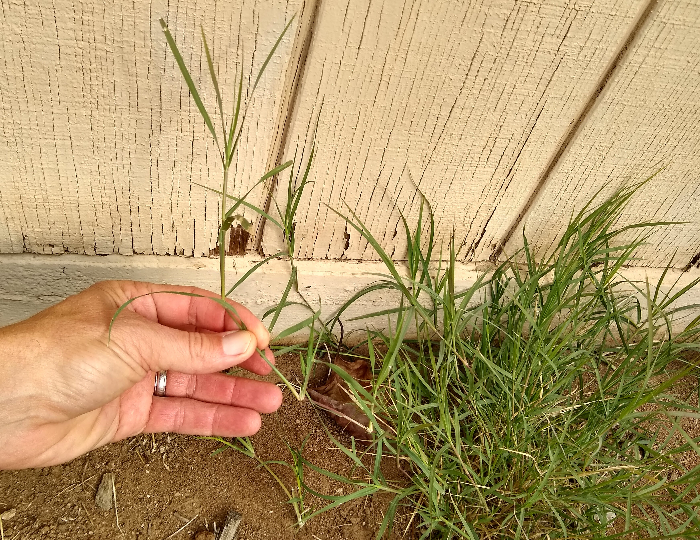
Credit: gregalder.com
Frequently Asked Questions
Is Sugar Beneficial For Bermuda Grass Growth?
Sugar does not benefit Bermuda grass growth directly. It lacks essential nutrients needed for healthy grass development. Proper fertilization and watering are more effective for maintaining lush Bermuda grass.
Can Sugar Improve Bermuda Grass Soil Quality?
Sugar does not improve soil quality for Bermuda grass. It can disrupt natural soil microbes and harm grass health. Using organic compost and balanced fertilizers is a better approach.
Will Sugar Attract Pests To Bermuda Grass?
Yes, sugar can attract pests like ants and insects to Bermuda grass. This may lead to lawn damage and increased pest control needs. Avoid applying sugar to prevent pest problems.
How To Properly Fertilize Bermuda Grass Instead Of Sugar?
Use a balanced fertilizer with nitrogen, phosphorus, and potassium for Bermuda grass. Apply during active growth seasons and follow recommended rates for best results. This promotes healthy, green, and dense turf.
Conclusion
Sugar does not help Bermuda grass grow strong or healthy. It can attract pests and cause problems in the lawn. Water, sunlight, and proper fertilizing work best for Bermuda grass. Focus on good lawn care habits to keep your grass green.
Avoid adding sugar to your lawn. Healthy grass needs natural nutrients, not sugar. Simple care gives you a lush Bermuda lawn. Keep it clean, watered, and fed the right way. That’s the secret to a beautiful yard.
