
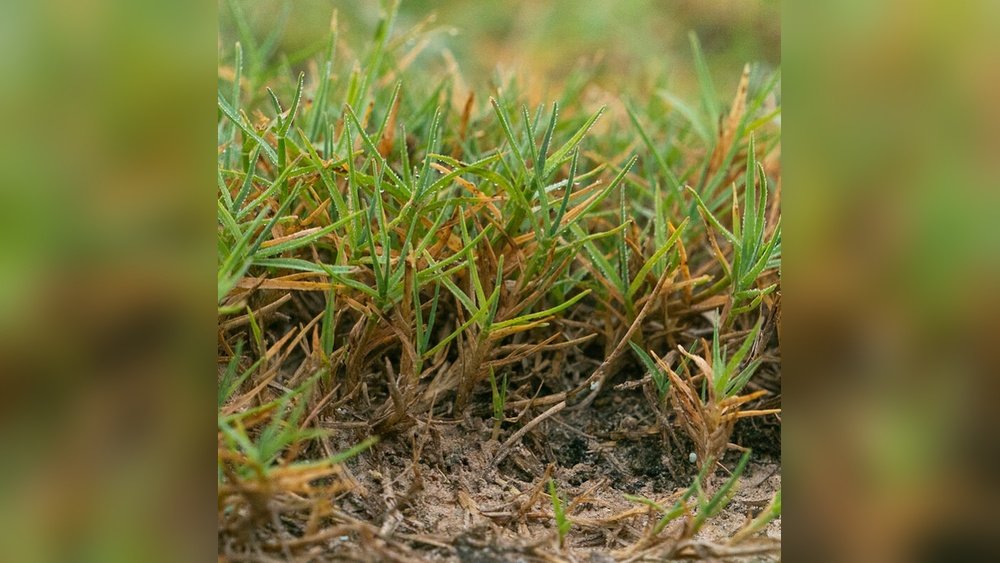
Bermuda grass stops growing when soil temperatures drop below 50°F, usually in late fall or early winter. At this point, it enters dormancy, turning brown and halting growth until warmer spring temperatures return. This natural cycle helps the grass survive cold weather and signals a shift in lawn care routines.
Are you wondering when your Bermuda grass will stop growing? Knowing the right time can help you keep your lawn looking its best without wasting effort or resources.
Bermuda grass usually stops growing when soil temperatures consistently fall below 50°F (10°C), typically in late fall or early winter. The grass enters dormancy, turns brown, and remains inactive until warmer spring temperatures return.
Understanding how this warm-season grass behaves can save you time on mowing and lawn care. Keep reading to discover exactly when Bermuda grass slows down and what that means for your yard throughout the year.
Bermuda Grass Growth Cycle
Bermuda grass has a clear growth cycle that depends on the seasons. Knowing this cycle helps you care for your lawn better. The grass grows fast in warm months and slows down in cooler times. Understanding when Bermuda grass grows or rests can keep your lawn healthy and green.
This cycle has two main parts: active growing periods and dormant phases. Each part affects how the grass looks and how you should maintain it. Let’s explore these phases to see when Bermuda grass stops growing.
Active Growing Periods
Bermuda grass grows best in warm weather. It starts growing in spring when temperatures rise above 60°F (15°C). The grass grows quickly through summer, reaching its peak growth. During this time, it needs regular watering and mowing. Fertilizing also helps Bermuda grass stay strong and green.
Growth slows down as temperatures drop below 70°F (21°C) in fall. The grass still grows but less actively. You should reduce watering and mowing as growth slows. This helps the grass prepare for the colder months ahead.
Dormant Phases
Bermuda grass goes dormant in cold weather. This usually happens when temperatures fall below 50°F (10°C). The grass turns brown and stops growing. It looks dead but is not. Dormancy helps the grass survive winter stress.
During dormancy, avoid heavy watering or mowing. Let the grass rest until temperatures warm up again. Dormant Bermuda grass will green up once spring returns. Knowing this phase prevents damage and keeps your lawn healthy for the next season.
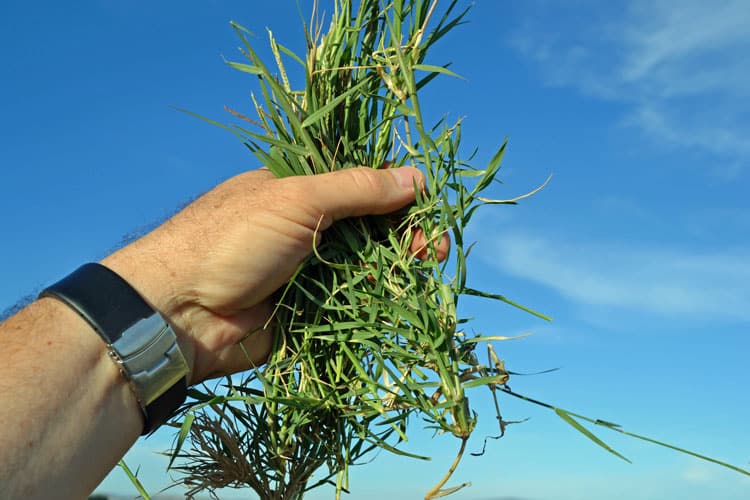
Credit: underwoodgardens.com
What Month Does Bermuda Grass Stop Growing?
In most regions, Bermuda grass stops growing between October and December depending on local temperatures. Northern areas usually see dormancy earlier, while southern climates may keep Bermuda grass active much longer into fall or winter.
Does Bermuda Grass Die in Winter or Just Go Dormant?
Bermuda grass usually goes dormant rather than dying during winter. Dormant grass turns brown and stops growing to conserve energy during cold temperatures. Once soil temperatures warm in spring, healthy Bermuda grass typically greens up again.
Seasonal Temperature Effects
Bermuda grass grows best during certain temperature ranges. Seasonal temperature changes play a big role in its growth cycle. Warm and cold weather affect how fast the grass grows or when it stops. Understanding these effects helps in proper lawn care.
Impact Of Warm Weather
Warm temperatures boost Bermuda grass growth. It thrives in temperatures between 75°F and 95°F. The grass becomes lush and spreads quickly. Warm weather also helps the roots grow strong. This is the active growing season for Bermuda grass.
During warm days, the grass needs regular watering. It uses more water to stay healthy. Warm weather stimulates photosynthesis, which fuels growth. Grass clippings will be more frequent at this time. Mowing every week keeps the lawn neat and healthy.
Cold Weather Influence
Cold temperatures slow down Bermuda grass growth. Below 60°F, the grass starts to go dormant. It stops growing and turns brown. The grass conserves energy during cold months. Frost and freezing temperatures can damage the grass blades.
During cold weather, watering needs reduce. The grass does not absorb much water. Avoid heavy foot traffic to prevent damage. Dormancy is a natural survival response. Growth resumes when temperatures rise again.
Daylight And Growth Patterns
Bermuda grass grows actively with enough daylight. Its growth depends largely on how long the sun shines each day. Daylight affects the grass’s ability to produce food and energy. Shorter days slow down its growth. Understanding this helps you know when Bermuda grass stops growing.
Role Of Sunlight Length
Sunlight length plays a key role in Bermuda grass growth. Longer daylight hours boost photosynthesis. This process creates energy that fuels grass growth. When days become shorter, photosynthesis slows. Less energy means the grass grows slower or stops. Bermuda grass needs about 12 hours of light to stay active.
Seasonal Light Variations
Daylight varies with seasons, changing growth patterns. In spring and summer, days are long. Bermuda grass grows fast during these months. In fall, daylight shortens, slowing growth. Winter brings the shortest days, often below 12 hours. Growth stops or becomes dormant until daylight increases again.
Signs Of Growth Cessation
Understanding the signs that Bermuda grass stops growing helps in lawn care and maintenance. These signs show the grass is entering dormancy or slowing down growth. Knowing these changes can help you adjust watering and fertilizing schedules. Pay close attention to the grass and soil. These clues reveal the grass’s growth stage.
Visual Indicators
Bermuda grass changes color when growth stops. The bright green turns dull or brown. Grass blades become shorter and thinner. Growth slows, and new shoots stop forming. The lawn looks less dense. You may see dry patches or dead spots. The grass feels dry and brittle to touch. These visual signs show the grass is no longer growing actively.
Soil And Root Changes
The soil becomes cooler as temperatures drop. Cooler soil slows root activity and growth. Roots stop expanding and become less active. The soil may feel harder and less moist. Water uptake by roots decreases. Nutrient absorption slows down too. These changes in soil and roots indicate the grass is resting. This rest period helps Bermuda grass survive colder months.
Regional Growth Differences
Bermuda grass does not stop growing at the same time everywhere. Climate and temperature changes affect its growth. Different regions see different growth patterns. Understanding these differences helps in lawn care and maintenance.
Growth depends on how warm or cold the region is. The grass reacts to the length of the growing season. Knowing regional differences helps plan watering and mowing schedules better.
Growth In Northern Climates
In northern areas, Bermuda grass grows slower. Cool temperatures limit its growing season. It usually stops growing by early fall. Frost and cold weather cause the grass to go dormant. Growth resumes only when spring brings warmer days. Lawn care is important before the grass stops growing. This helps the grass survive winter better.
Growth In Southern Climates
Southern regions enjoy a longer growing season for Bermuda grass. The grass grows well until late fall. Mild winters allow some growth during cooler months. The grass may only stop growing during rare cold snaps. This means lawns stay green longer. Homeowners can mow and water later into the year. This helps keep the lawn healthy and green.

Credit: www.rainpointonline.com
Maintaining Bermuda Grass Off-season
Maintaining Bermuda grass during the off-season is important for a healthy lawn year-round. Though Bermuda grass stops growing in colder months, it still needs care. Proper off-season care helps the grass recover and prepare for the next growing season. Neglect can cause damage and patchy grass in spring. Follow simple steps to protect your lawn when growth slows down.
Winter Care Tips
Stop mowing when the grass stops growing. Keep the lawn clean by removing leaves and debris. Avoid heavy foot traffic to prevent soil compaction. Water the lawn only if there is no rain for several weeks. Use a light fertilizer in late fall to help roots stay strong. Do not overwater, as wet soil can harm the grass.
Preventing Lawn Damage
Avoid walking on frozen grass to prevent damage. Clear snow quickly to stop mold growth. Repair any bare spots before winter sets in. Use mulch or straw to protect vulnerable areas. Keep pets off the lawn to avoid stress on the grass. Check for pests and treat early to stop infestations.
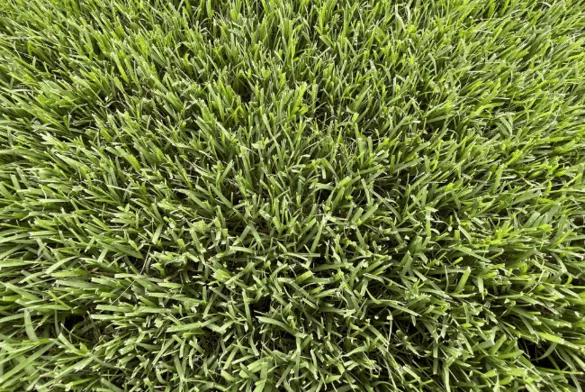
Credit: www.jonathangreen.com
Frequently Asked Questions
When Does Bermuda Grass Growth Typically Stop?
Bermuda grass usually stops growing when temperatures fall below 50°F. Growth slows in late fall and halts during winter dormancy.
How Does Temperature Affect Bermuda Grass Growth?
Bermuda grass thrives in warm weather above 65°F. Cooler temperatures below 50°F cause growth to slow and eventually stop.
Can Bermuda Grass Grow During Winter Months?
No, Bermuda grass enters dormancy in winter. It stops growing as cold temperatures prevent active growth.
How Long Is Bermuda Grass Active Each Year?
Bermuda grass grows actively about 6 to 8 months annually. Growth peaks in summer and ceases in late fall.
Will Bermuda Grass Grow Back After Winter?
Yes, healthy Bermuda grass normally grows back in spring once temperatures rise and soil warms up. Brown winter dormancy is usually temporary and part of the grass’s natural growth cycle.
Conclusion
Bermuda grass stops growing mainly when temperatures drop below 50°F. It grows fast in warm weather, especially during summer. Once cold weather arrives, the grass goes dormant to save energy. This dormancy helps it survive winter’s chill. Knowing this helps you care for your lawn better.
Water and mow more in warm months. Reduce care as growth slows down. This way, your Bermuda grass stays healthy year-round. Simple steps make a big difference in lawn care. Keep these facts in mind for a green, strong lawn.
