

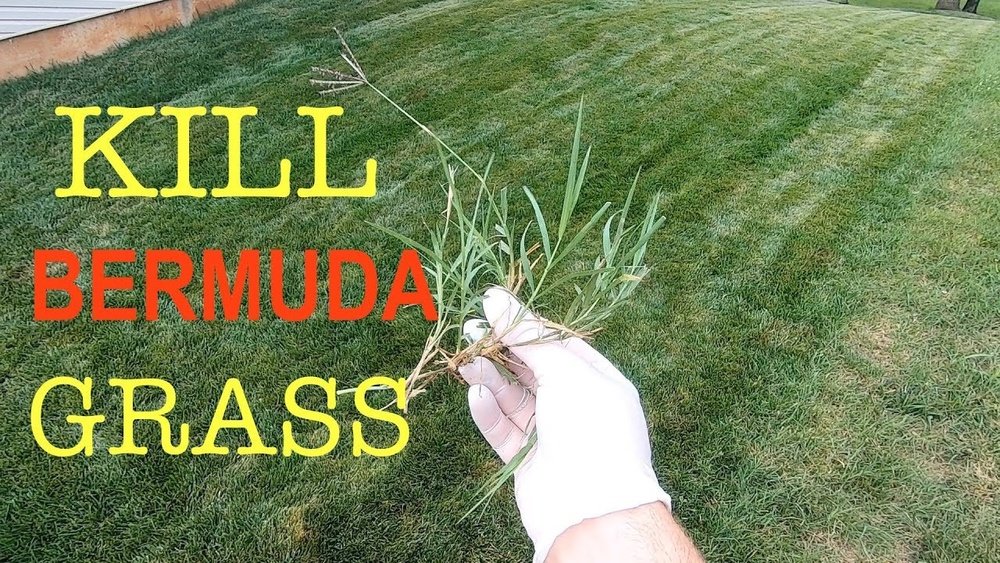
If you have Bermuda grass taking over your lawn or garden, you know how stubborn it can be. You want a clean, green space without the hassle of battling this tough weed every day.
But how do you get rid of Bermuda grass for good? You’ll discover simple, effective methods that actually work. By the end, you’ll have the tools to reclaim your yard and enjoy the outdoor space you deserve. Keep reading to find out how to remove Bermuda grass once and for all.
Credit: www.organicgrowersschool.org
Identifying Bermuda Grass
Identifying Bermuda grass is the first step to removing it effectively. This grass type can spread quickly and take over lawns. Knowing how to spot it helps control its growth and protect your yard.
Look closely at its features and growth habits. This knowledge makes removal easier and more successful.
Characteristics Of Bermuda Grass
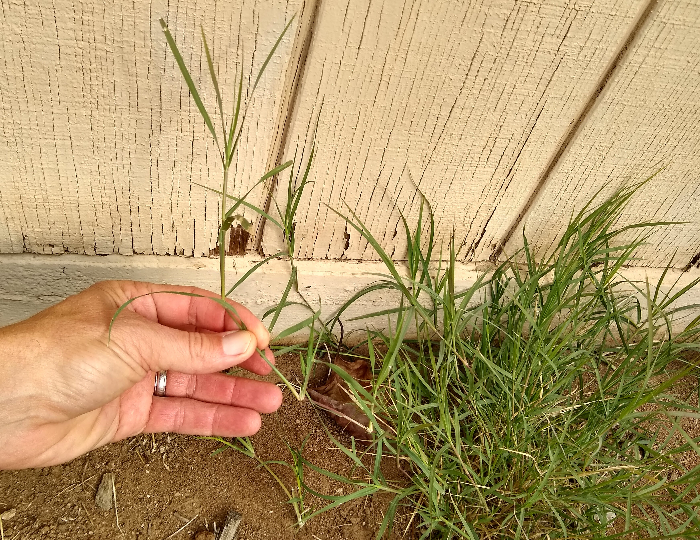
Bermuda grass has a coarse texture and bright green color. It grows low to the ground and forms dense mats. The leaves are narrow, usually between 1 to 4 inches long. It spreads using both seeds and underground stems called rhizomes. This grass thrives in warm climates and full sun. Its tough nature helps it survive drought and heavy use.
Common Growth Patterns
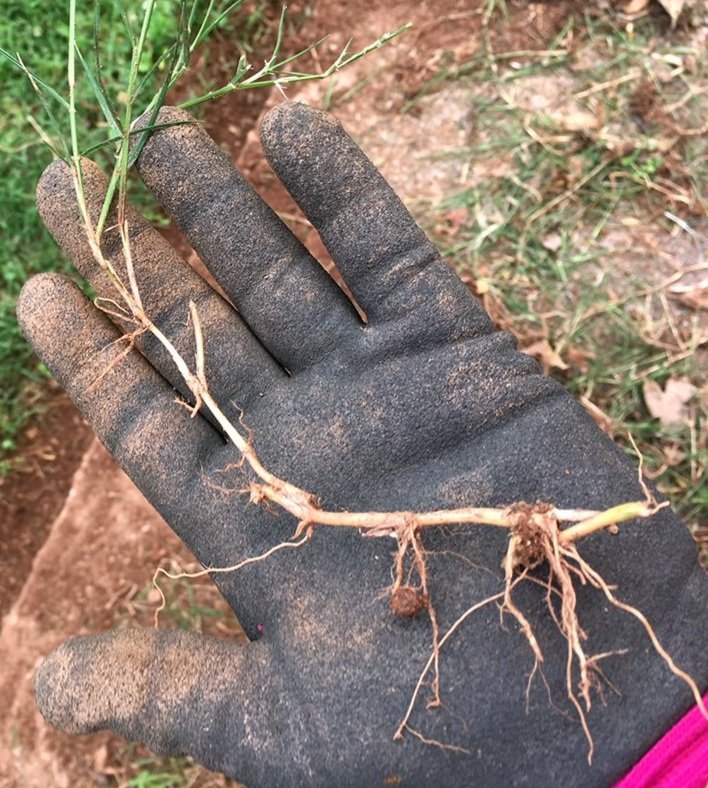
Bermuda grass spreads quickly across lawns and gardens. It grows horizontally, sending out runners above ground called stolons. These runners root at nodes and form new plants. Underground rhizomes also spread, making it hard to remove fully. It often invades flower beds and cracks in pavement. Its fast growth helps it crowd out other plants easily.
Why It’s Hard To Control
Bermuda grass is tough to control due to its spreading methods. Stolons and rhizomes make it hard to kill completely. Pulling out visible grass often leaves roots behind. These roots regrow new plants quickly. It also tolerates heat, drought, and mowing well. Many herbicides struggle to kill it without harming other plants. This resilience means removal takes time and care.
Manual Removal Techniques
Removing Bermuda grass by hand helps control its spread without chemicals. This method works well for small areas or spots where grass is thin. It takes effort but gives you control over the process. Here are some manual techniques to remove Bermuda grass effectively.
Digging Out The Roots
Use a shovel or garden fork to dig around the grass clumps. Dig deep to remove all roots and runners. Leaving roots behind lets the grass grow back quickly. Collect the dug-up grass and dispose of it carefully. This method is best for small patches of Bermuda grass.
Using A Hoe Or Weeding Tool
A hoe or hand weeder can cut Bermuda grass near the soil surface. This tool helps break up the soil and remove grass runners. Work slowly to pull out the roots with the tool. This technique is less tiring than digging and works well in loose soil. Repeat often to stop the grass from growing back.
Best Time For Manual Removal
Choose warm, dry days for easier removal of Bermuda grass. The grass is weaker during hot summer months. Removing grass after watering or rain makes digging harder. Early morning or late afternoon avoids heat stress while working. Regular removal in growing season keeps Bermuda grass under control.
Chemical Control Options
Chemical control is a common method to remove Bermuda grass. Herbicides can target this tough weed effectively. Using the right chemicals helps protect your lawn and other plants. Proper application improves results and limits harm to the environment.
Choosing The Right Herbicide
Select an herbicide made for Bermuda grass control. Look for products with active ingredients like glyphosate or sethoxydim. Glyphosate kills all plants, so use it carefully. Sethoxydim targets only grassy weeds, leaving other plants safe. Read labels to find the best option for your needs.
Application Tips For Safety And Effectiveness
Wear gloves and protective clothing during application. Spray on calm days to avoid drift to other plants. Follow the instructions on the herbicide label closely. Avoid overuse to prevent damage to your soil and lawn. Clean equipment after use to keep chemicals from spreading.
Timing And Frequency Of Treatments
Apply herbicides when Bermuda grass is actively growing. This is usually in late spring or early summer. Repeat treatments may be necessary for full control. Wait the recommended time between applications. Monitor the area and treat new growth promptly for best results.
Natural And Organic Methods
Removing Bermuda grass naturally avoids harsh chemicals and protects your soil. These methods use everyday items and natural processes. They work slowly but safely. Patience is key for lasting results.
Vinegar And Other Homemade Solutions
Vinegar is a strong natural herbicide. Use white vinegar with 5% acetic acid for best results. Spray it directly on Bermuda grass leaves on sunny days. The vinegar dries out the grass and kills it over time.
Mix vinegar with a little dish soap to help it stick to leaves. Avoid spraying on plants you want to keep. You can also try salt or boiling water for small patches. These homemade solutions reduce chemical use and are safe for the environment.
Solarization To Kill Grass
Solarization uses the sun’s heat to kill Bermuda grass roots. Cover the area with clear plastic sheets during hot months. The sun heats the soil under the plastic, killing grass and seeds.
Leave the plastic in place for 4 to 6 weeks. This method is cheap and chemical-free. It works best in sunny climates and during summer. After solarization, remove dead grass and prepare soil for new plants.
Benefits Of Organic Approaches
Organic methods improve soil health and encourage beneficial insects. They avoid harmful chemicals that damage the environment. These techniques protect water sources and nearby plants.
Natural removal also reduces the risk of resistant grass growth. It supports long-term lawn care and sustainability. Using organic methods helps create a safe outdoor space for families and pets.
Preventing Bermuda Grass Regrowth
Stopping Bermuda grass from growing back is key to a healthy lawn. This grass spreads fast and can take over your yard if not controlled. Preventing its regrowth saves time and effort in the long run. Focus on good lawn care, using mulch, and watching your lawn closely.
Lawn Maintenance Practices
Keep your lawn healthy to fight Bermuda grass. Mow regularly but not too short. Water deeply but less often to help grass roots grow strong. Fertilize with balanced nutrients to support grass growth. Aerate the soil to let air and water reach roots. Healthy grass leaves less space for Bermuda grass to grow.
Using Mulch And Ground Covers
Cover bare soil with mulch to block Bermuda grass seeds. Mulch keeps soil moist and cool, helping other plants grow. Use thick layers of organic mulch like wood chips or straw. Ground covers like clover or ivy also stop Bermuda grass from spreading. They fill empty spaces and reduce sunlight for weeds.
Regular Monitoring And Early Action
Check your lawn often for new Bermuda grass shoots. Spot treat small patches before they grow bigger. Remove weeds by hand or use safe herbicides carefully. Early action stops Bermuda grass from spreading underground. Consistent monitoring helps keep your lawn clean and healthy.
Credit: gregalder.com
Restoring A Healthy Lawn
Removing Bermuda grass is only the first step to a healthy lawn. The next phase is restoring your lawn with strong, green grass. Healthy lawns resist weeds and look beautiful throughout the year.
Proper care after removing Bermuda grass helps the new grass thrive. Focus on choosing the right grass, preparing the soil well, and following good watering and mowing habits. These steps build a lawn that stays lush and healthy.
Selecting Grass Alternatives
Pick grass types that suit your climate and soil. Cool-season grasses like fescue or ryegrass work well in cooler areas. Warm-season grasses such as zoysia or buffalo grass thrive in hot regions. Choose grasses that grow slower to reduce mowing. Consider grasses that resist pests and diseases. This reduces lawn problems later.
Soil Preparation And Fertilization
Clear the soil of Bermuda grass roots and debris. Loosen the soil to help new roots grow deep. Test soil pH and add lime if it is too acidic. Mix in organic matter to improve soil texture. Use balanced fertilizers to provide nutrients. Apply fertilizer carefully to avoid burning young grass. Good soil makes a strong foundation for new grass.
Irrigation And Mowing Tips
Water new grass gently but deeply. Keep soil moist until grass roots set well. Avoid overwatering to prevent disease. Mow grass only when it reaches the right height. Set mower blades high to avoid cutting too short. Regular mowing encourages thick, even growth. Proper watering and mowing keep your lawn green and healthy.
Credit: schillinghorticulture.com
Frequently Asked Questions
How Do I Effectively Kill Bermuda Grass?
To kill Bermuda grass, use a non-selective herbicide like glyphosate. Apply it on a dry, sunny day for best absorption. Repeat applications may be necessary to ensure complete eradication. Always follow label instructions carefully for safe use.
What Is The Best Herbicide For Bermuda Grass Removal?
Glyphosate is the most effective herbicide for removing Bermuda grass. It kills the entire plant, including roots. Use it during active growth for maximum effect. Follow safety guidelines and avoid contact with desirable plants.
Can Bermuda Grass Be Removed Naturally?
Yes, Bermuda grass can be removed naturally by solarization. Cover the area with clear plastic during hot months. The heat will kill the grass and roots over several weeks. This method is chemical-free but takes longer than herbicides.
How Long Does It Take To Remove Bermuda Grass?
Removing Bermuda grass usually takes 2 to 4 weeks with herbicides. Natural methods like solarization may take 6 to 8 weeks. Persistent regrowth requires multiple treatments. Patience and consistent effort ensure successful removal.
Conclusion
Removing Bermuda grass takes patience and the right steps. Start with clear goals and choose the best method. Regular care helps stop its return. Keep an eye on your lawn and act fast if you see new growth. With effort and time, you can have a healthy, Bermuda-free yard.
Stay consistent, and your lawn will improve steadily. Small actions add up to big changes. Don’t give up—your hard work will pay off soon.
