

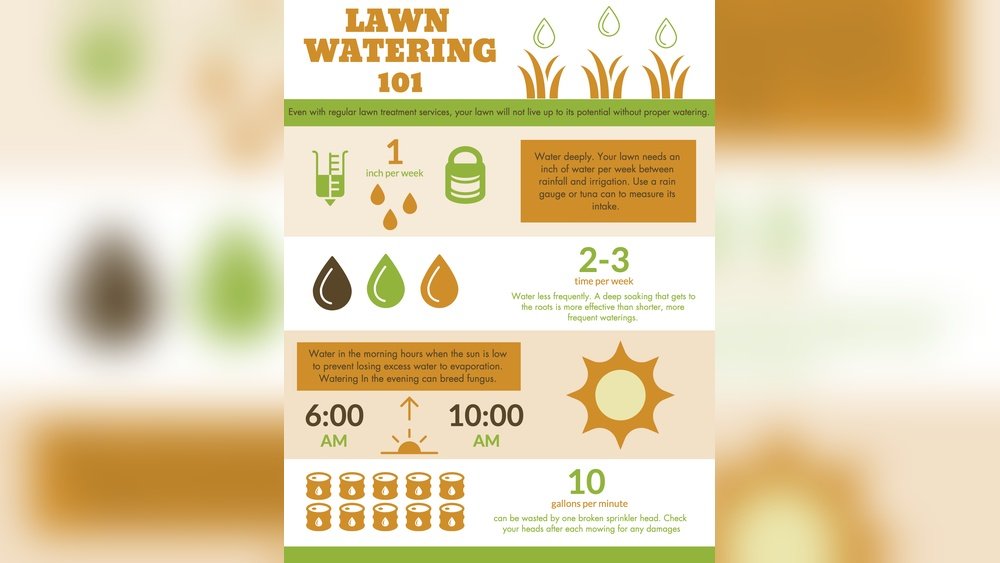
Bermuda grass typically needs about 1 to 1.5 inches of water per week, applied deeply in one or two sessions. This encourages strong root growth and helps the grass withstand dry spells. Adjust watering based on weather, soil type, and seasonal changes to keep your lawn healthy and vibrant.
Are you wondering how much water your Bermuda grass really needs to stay green and healthy? Getting the right amount of water can make a huge difference in how your lawn looks and grows.
Too little, and your grass will turn brown and dry. Too much, and you could be wasting water and inviting problems like disease. You’ll discover simple tips to water your Bermuda grass perfectly—saving you time, money, and stress. Keep reading to unlock the secret to a lush, vibrant lawn that will make your neighbors jealous.

Credit: www.rainpointonline.com
Water Needs Of Bermuda Grass
Bermuda grass is a popular choice for lawns and sports fields. It thrives in warm climates and grows quickly. Proper watering is key to keeping it green and healthy. Understanding its water needs helps avoid overwatering or drought stress. The right amount of water supports strong roots and lush growth.
Daily Vs Weekly Watering
Daily watering often leads to shallow roots. Shallow roots make the grass weak during dry spells. Weekly deep watering encourages roots to grow deeper. Deep roots help the grass survive without frequent water. Usually, watering 1 to 1.5 inches once a week works well. Adjust based on weather and soil moisture.
Seasonal Variations
Bermuda grass needs more water in hot summer months. Heat causes faster evaporation and higher water loss. In cooler months, the grass grows slower and uses less water. Reduce watering in spring and fall to avoid soggy soil. Stop watering in winter if the grass is dormant. Watching the weather guides watering amounts.
Impact Of Soil Type
Sandy soil drains water quickly and needs more frequent watering. Clay soil holds water longer and needs less watering. Loamy soil retains water well and suits Bermuda grass best. Knowing your soil type helps set the right watering schedule. Testing soil moisture is a good practice for healthy grass.

Credit: theturfgrassgroup.com
Signs Of Overwatering And Underwatering
Knowing the signs of overwatering and underwatering helps keep Bermuda grass healthy. Both too much and too little water harm the grass. Spotting these signs early saves your lawn from damage. Check your grass regularly for changes in color, texture, and soil condition. Understanding these signs guides proper watering habits.
Yellowing And Wilting
Yellow grass blades often mean overwatering or underwatering. Overwatered Bermuda grass looks pale and soggy. Leaves may feel soft and limp. Underwatered grass turns yellow or brown and feels dry. Wilting shows the grass is stressed from lack of water. Watch for these color and texture changes to adjust watering.
Root Health Indicators
Healthy roots are white and firm. Overwatering causes roots to rot and turn brown. Rotten roots cannot absorb nutrients well. Underwatering makes roots dry and brittle. Shallow roots may grow if water is too little. Check roots by digging a small patch to see their condition. Root health reflects watering accuracy.
Soil Moisture Levels
Soil moisture affects grass health directly. Overwatered soil stays wet and soggy for days. This reduces oxygen and harms roots. Dry soil cracks and pulls away from roots. Use a soil probe or finger test to check moisture. Soil should feel damp but not soaked. Proper moisture helps Bermuda grass thrive.
Best Watering Techniques
Watering Bermuda grass properly keeps it green and healthy. Using the best techniques saves water and helps roots grow strong. Good watering makes the grass last longer and look better. Learn how to water Bermuda grass the right way.
Deep Vs Shallow Watering
Deep watering means soaking the soil deeply. It helps roots grow down strong and reach water far below. Shallow watering wets only the surface. This makes roots stay near the top and dry out fast. Deep watering is best for Bermuda grass. It needs less water but stays green longer.
Optimal Time Of Day
Water early in the morning, before the sun rises high. Morning watering stops water from evaporating quickly. It also helps grass dry during the day, avoiding disease. Avoid watering at night or midday. Night watering keeps grass wet too long. Midday water evaporates fast and wastes water.
Irrigation Methods
Sprinklers work well for large lawns. They cover a wide area evenly. Drip irrigation saves water by giving slow, direct water to roots. It works best for small lawns or new grass. Hand watering can help small patches. Use a hose with a spray nozzle for control.

Credit: www.youtube.com
Adjusting Watering For Climate
Watering Bermuda grass varies with the climate. The weather decides how much water your lawn needs. Adjusting watering habits helps keep the grass green and healthy. Different climates require different watering routines. Watch the environment and change watering to fit it.
Hot And Dry Conditions
In hot and dry weather, Bermuda grass needs more water. The heat dries out the soil fast. Water deeply but less often to reach roots. Early morning watering helps reduce evaporation. Avoid watering in the afternoon when the sun is strong.
Humid Environments
Humid places keep soil moist longer. Water less often but check soil moisture to avoid overwatering. Too much water can cause fungus and disease. Light watering in the morning works best here. Let the soil dry a little between watering.
Drought Restrictions
Some areas have rules limiting water use during drought. Follow local guidelines to save water. Use efficient watering methods like drip irrigation or soaker hoses. Water early to reduce loss from heat. Focus on watering only the most needed parts of the lawn.
Enhancing Water Efficiency
Saving water while keeping Bermuda grass healthy is important. Efficient watering helps the grass grow strong and green. It also reduces water waste and lowers your water bills. Simple steps can make a big difference in water use.
Using Mulch
Mulch helps keep soil moist by reducing evaporation. It also controls weeds that compete for water. Spread a thin layer of mulch around your grass edges. This keeps the soil cooler and retains water longer.
Soil Amendments
Adding organic matter improves soil structure. This helps soil hold water better. Compost or peat moss mixed into the soil increases moisture retention. Healthy soil means less frequent watering for Bermuda grass.
Smart Irrigation Systems
Smart irrigation systems water your lawn efficiently. They adjust watering times based on weather and soil moisture. These systems prevent overwatering and runoff. Using smart irrigation saves water and keeps Bermuda grass healthy.
Frequently Asked Questions
How Much Water Does Bermuda Grass Need Weekly?
Bermuda grass typically requires about 1 to 1. 25 inches of water per week. This amount supports healthy growth and keeps the grass green, especially during hot, dry periods.
When Is The Best Time To Water Bermuda Grass?
The ideal time to water Bermuda grass is early morning. Watering before sunrise reduces evaporation and allows roots to absorb moisture efficiently.
Can Bermuda Grass Survive With Less Water?
Yes, Bermuda grass is drought-tolerant but performs best with regular watering. Reduced water can cause dormancy and brown patches but the grass will recover after rain.
How Deep Should Watering Penetrate Bermuda Grass Roots?
Water should soak to a depth of 6 to 8 inches. Deep watering encourages strong root growth and improves drought resistance.
Conclusion
Bermuda grass needs the right amount of water to stay healthy. Too little water makes it dry and brown. Too much water can cause roots to rot. Water your grass deeply but not often. Early morning is the best time to water.
Watch the soil and grass for signs of thirst. Proper watering helps your lawn grow thick and green. Remember, balance is key for a beautiful Bermuda lawn. Keep your grass happy with smart watering habits.
