
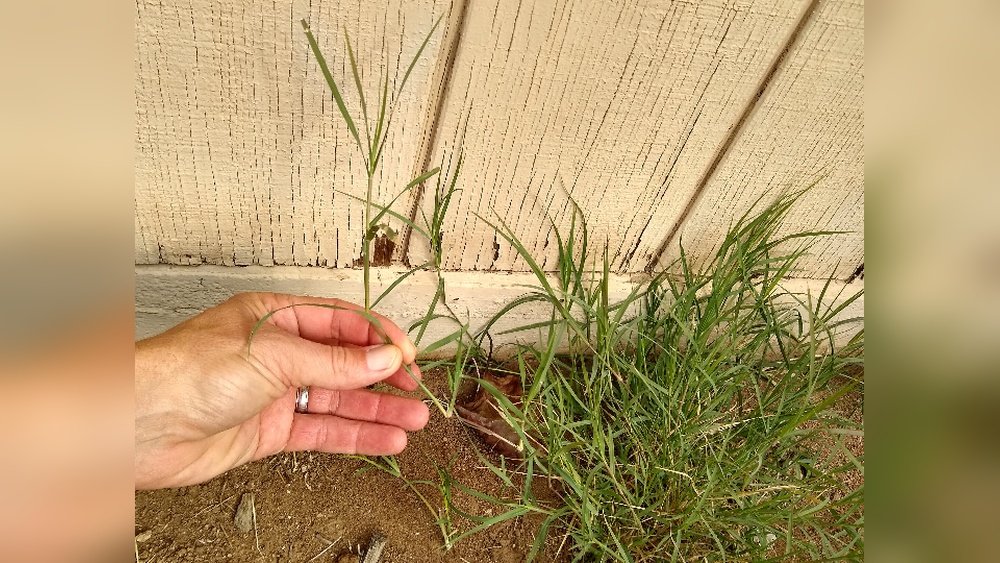
Glyphosate can kill Bermuda grass, but it’s not always a one-time fix. This grass’s strong roots and fast growth mean you may need multiple treatments applied at the right time for effective control. Proper application and timing are crucial to prevent regrowth and achieve the best results.
Are you struggling with stubborn Bermuda grass that just won’t go away? You might be wondering if glyphosate, a popular weed killer, can finally put an end to your lawn battle.
Understanding how glyphosate works on Bermuda grass is key to making the right choice for your yard. Keep reading to discover whether this herbicide is the solution you’ve been searching for—and how to use it effectively to get the best results.
Credit: blogs.k-state.edu
Glyphosate And Bermuda Grass
Glyphosate is a common herbicide used to control many types of weeds. People often ask if glyphosate can kill Bermuda grass. Bermuda grass is tough and spreads quickly. It grows in warm climates and can be hard to remove once established.
Understanding how glyphosate works and why Bermuda grass resists it helps in managing this persistent weed.
How Glyphosate Works
Glyphosate kills plants by blocking a key enzyme. This enzyme helps plants make amino acids needed for growth. Without it, plants cannot survive. Glyphosate moves through the leaves to the roots. It kills the whole plant, not just the top part. Glyphosate works best on young, green weeds. It needs time to soak in and stop the plant’s growth.
Bermuda Grass Resistance Factors
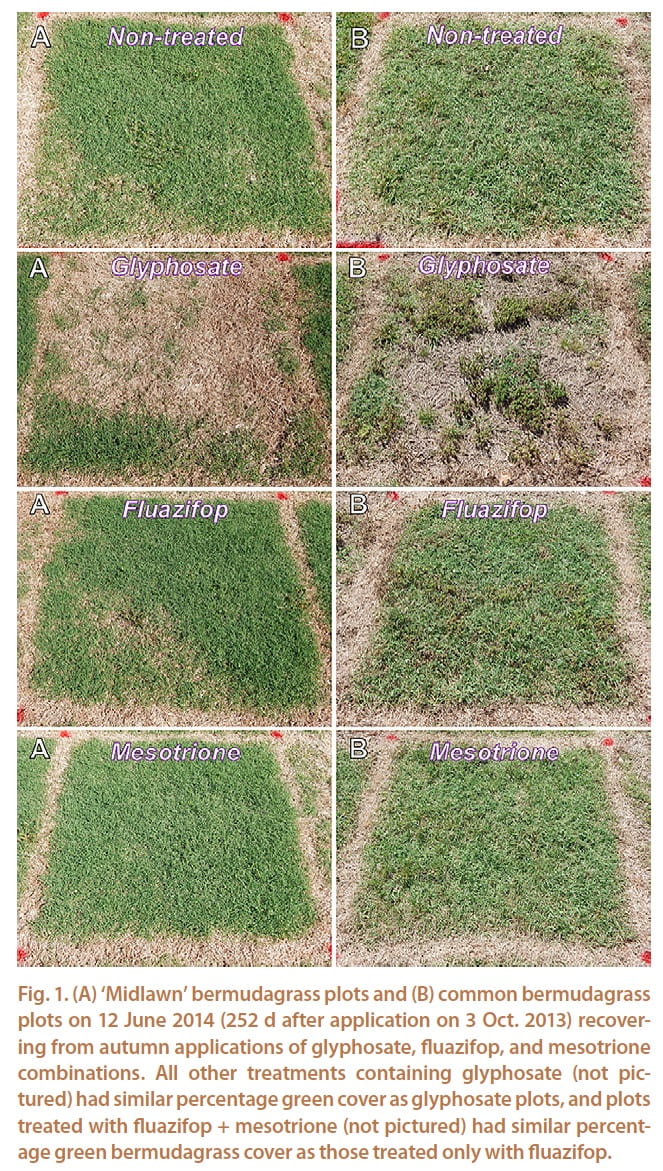
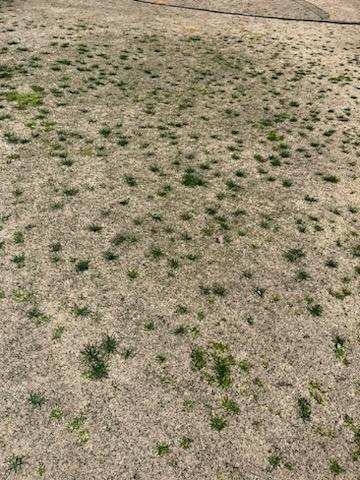
Bermuda grass has strong roots and grows from underground stems. These parts can survive glyphosate treatment. Sometimes, glyphosate only kills the leaves above ground. The roots can grow back quickly. Bermuda grass also grows fast, making it hard to control. Timing of glyphosate use is important. Applying it when the grass is actively growing gives better results. Repeated treatments may be needed to fully kill Bermuda grass.
Applying Glyphosate To Bermuda Grass
Applying glyphosate to Bermuda grass requires care and precision. This herbicide is effective in killing Bermuda grass but only when used correctly. Knowing the right time, dosage, and method can make a big difference. Follow these tips to get the best results and avoid damage to other plants.
Best Timing For Application
Apply glyphosate when Bermuda grass is actively growing. The best time is late spring or early summer. The grass should be healthy and green. Avoid spraying during drought or extreme heat. These conditions reduce herbicide uptake. Wait at least two weeks before mowing after application.
Proper Dosage And Concentration
Use the recommended glyphosate concentration on the label. Usually, a 1-2% solution works well on Bermuda grass. Do not overuse glyphosate. Too much can harm nearby plants and soil health. Mix the herbicide with water thoroughly for even coverage. Measure carefully to avoid waste and risk.
Application Techniques
Spray glyphosate directly on Bermuda grass leaves. Use a fine mist to cover the entire plant. Avoid spraying on windy days to prevent drift. Wear protective clothing and gloves during application. Use a backpack sprayer for small areas or a hose-end sprayer for larger spots. Clean equipment after use to prevent clogging.
Alternatives To Glyphosate
Glyphosate is a common choice to kill Bermuda grass. Some want other options. These alternatives can be safer or better for certain situations. They work in different ways to control Bermuda grass.
Other Herbicides For Bermuda Grass
Several herbicides target Bermuda grass without glyphosate. Products containing sethoxydim or fluazifop are effective. These herbicides kill grass but leave broadleaf plants safe. Use them carefully, following the label instructions. They are good for spot treatments or large areas. Always wear protective gear when applying herbicides.
Natural And Organic Options
Natural methods can reduce Bermuda grass too. Vinegar with acetic acid burns the leaves on contact. Repeated use weakens the grass over time. Boiling water is another simple way to kill patches. Solarization uses plastic sheets to trap heat and kill roots. Pulling Bermuda grass by hand helps control small areas. These methods take more time but avoid chemicals.

Credit: www.reddit.com
Preventing Bermuda Grass Regrowth
Stopping Bermuda grass from growing back after using glyphosate is important. This grass is tough and can come back quickly if not handled right. Taking care after applying glyphosate helps keep the grass from returning. Also, keeping the soil and lawn healthy plays a big role in preventing regrowth.
Post-application Care
After spraying glyphosate, wait for the grass to die completely. Avoid watering the area for at least 24 hours. This helps the chemical work better. Remove dead grass and debris to clear the space. Using a rake or lawn mower can help. Check the area regularly for new shoots. Spot-treat new growth with glyphosate before it spreads. Repeat treatments may be needed to stop all regrowth.
Soil And Lawn Maintenance
Healthy soil prevents Bermuda grass from returning. Aerate the soil to improve air and water flow. Add organic matter like compost to boost soil quality. Plant strong, desirable grass types to compete with Bermuda. Keep your lawn watered, but not too wet. Mow regularly to keep grass at the right height. These steps create a tough lawn that resists Bermuda grass. Good soil and lawn care reduce the chance of regrowth.
Safety Tips For Using Glyphosate
Using glyphosate to kill Bermuda grass requires care and attention. Safety matters for your health and the environment. Follow clear guidelines to use glyphosate safely and effectively. Protect yourself and nature while treating unwanted grass.
Protective Gear Recommendations
Wear long sleeves and pants to cover your skin. Use chemical-resistant gloves to avoid direct contact. Safety goggles protect your eyes from splashes. A mask or respirator helps prevent inhaling fumes. Always wash your hands after handling glyphosate. Change clothes after spraying to avoid spreading chemicals.
Environmental Considerations
Apply glyphosate on calm, dry days to prevent drift. Keep spray away from desirable plants and water sources. Avoid using near ponds, streams, or wells. Dispose of leftover glyphosate properly according to local rules. Monitor treated areas to prevent harm to wildlife. Careful use helps protect soil, water, and animals.
Credit: turf.spes.vt.edu
Frequently Asked Questions
Will Glyphosate Effectively Kill Bermuda Grass?
Yes, glyphosate can kill Bermuda grass, but it may require multiple applications. Bermuda grass is tough and spreads via rhizomes. Complete coverage and follow-up treatments improve effectiveness.
How Long Does Glyphosate Take To Kill Bermuda Grass?
Glyphosate typically shows visible effects within 7 to 14 days. Full death of Bermuda grass may take several weeks depending on growth and weather conditions.
Can Glyphosate Harm Surrounding Plants Or Lawn?
Glyphosate is non-selective and will kill any green plants it contacts. Use carefully to avoid damage to nearby desirable plants or grass.
Is Glyphosate Safe For Residential Lawn Use?
When used as directed, glyphosate is safe for residential lawns. Always follow label instructions and avoid application on windy days to prevent drift.
Conclusion
Glyphosate can kill Bermuda grass, but it may take time. Repeated treatments often work better than one application. Always follow safety instructions on the label. Be patient and watch your lawn closely. Combining glyphosate with other control methods can improve results.
Keep your grass healthy after treatment to prevent regrowth. Controlling Bermuda grass needs care and attention. You can manage it with the right approach.
