

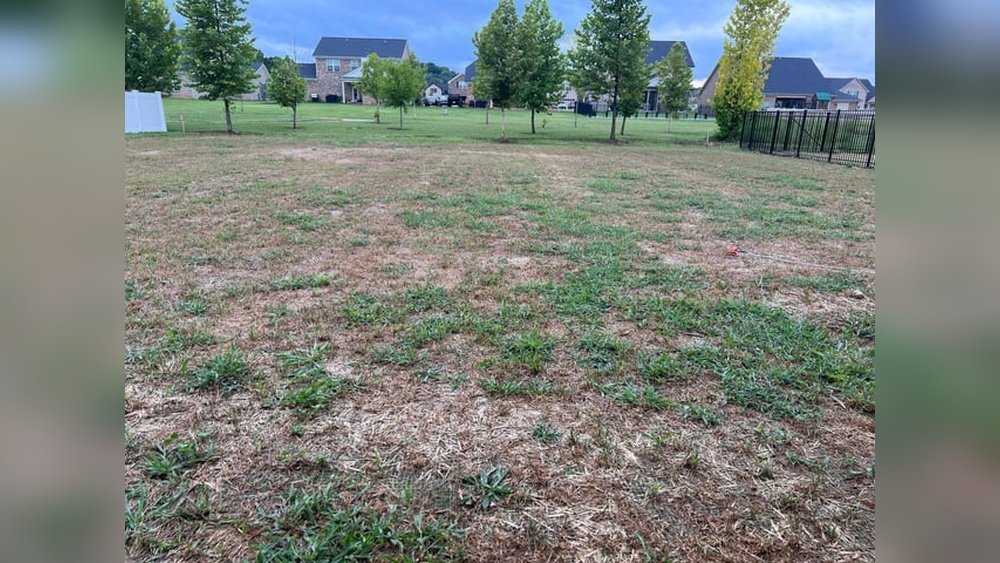
If you want a lush, green lawn in Tennessee, knowing exactly when to seed Bermuda grass is key. Plant too early or too late, and you might face patchy growth or weak grass.
But if you get the timing right, your lawn will thrive all summer long, looking healthy and vibrant. You’ll discover the best time to seed Bermuda grass in Tennessee so you can enjoy a beautiful yard without the guesswork. Keep reading to find out how to give your lawn the perfect start!
Bermuda Grass Basics
Bermuda grass is a popular choice for lawns in Tennessee. It grows well in warm weather and handles heat better than many other grasses. Understanding the basics of Bermuda grass helps you care for it properly. This grass type has unique features that make it fit for the climate in Tennessee.
Knowing the characteristics and benefits of Bermuda grass guides you in deciding when to plant it. This knowledge also helps maintain a healthy, green lawn all season long.
Characteristics Of Bermuda Grass
Bermuda grass has fine, soft blades that grow quickly. It spreads by runners and underground stems, filling in bare spots fast. This grass stays green during hot months and can survive drought better than some grasses. It needs full sunlight to grow well and does not do well in shade. Bermuda grass can handle heavy foot traffic, making it great for yards and sports fields.
Benefits Of Choosing Bermuda Grass In Tennessee
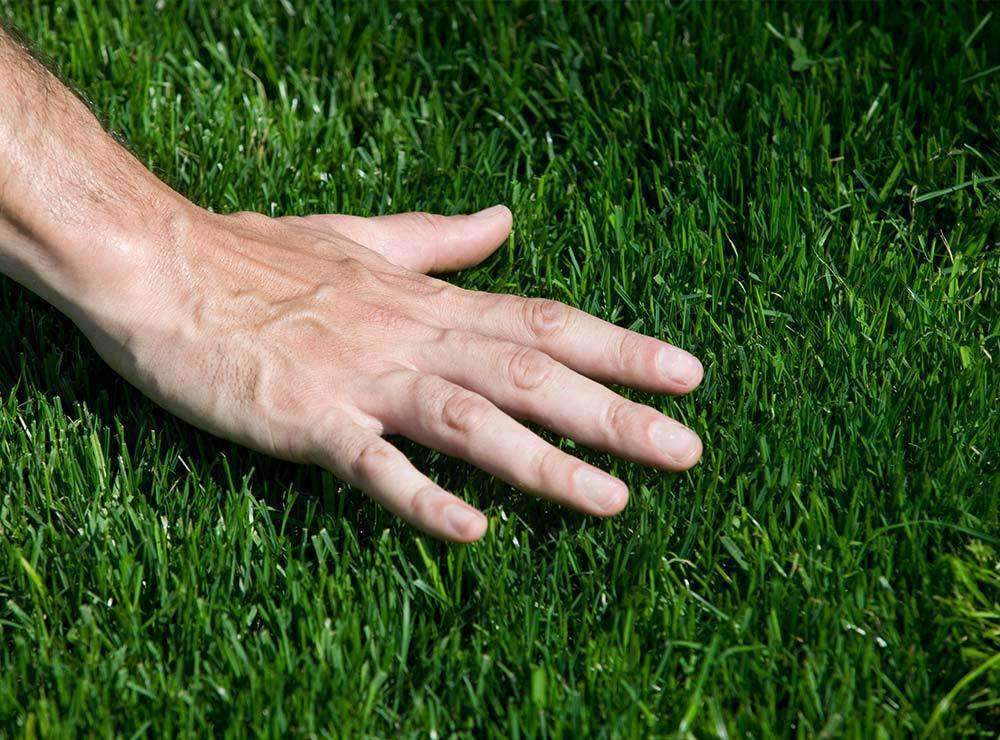
Bermuda grass suits Tennessee’s hot summers and mild winters. It recovers quickly from damage and stays green longer than cool-season grasses. This grass type needs less water once it is established. It also resists many common lawn weeds, reducing the need for chemicals. Bermuda grass creates a dense lawn that feels soft underfoot. It works well for homes, parks, and playgrounds in Tennessee.
Ideal Climate Conditions
Choosing the right climate conditions helps Bermuda grass grow strong and green in Tennessee. This grass thrives in warm weather and needs the right soil to spread well. Understanding these details makes seeding easier and more successful.
Temperature Requirements
Bermuda grass grows best when soil temperatures stay between 65°F and 75°F. Warmer air temperatures around 80°F to 95°F help the grass sprout quickly. Planting too early can slow growth because cold soil stops seeds from growing. Late spring to early summer is the best time to seed in Tennessee. This timing matches warm soil and air temperatures, giving Bermuda grass a good start.
Soil Conditions For Seeding
Good soil helps Bermuda grass roots grow deep and strong. The soil must drain well to avoid water buildup. Sandy loam or loamy soils work best in Tennessee yards. Test soil pH to keep it between 5.8 and 7.0. Add lime if the soil is too acidic. Prepare the soil by removing weeds and loosening the top layer. This helps the seeds touch the soil and start growing faster.
Best Time To Seed
Choosing the best time to seed Bermuda grass in Tennessee is key to a healthy lawn. Proper timing helps seeds grow strong and resist weeds and pests. Tennessee’s climate affects how well Bermuda grass establishes itself. Knowing the right planting window ensures good results.
Spring Seeding Window
Spring is a popular time to seed Bermuda grass in Tennessee. The soil warms up, which helps seeds sprout quickly. Aim to plant after the last frost date, usually late March to early April. Seeds need warm soil temperatures of at least 65°F to grow well. Spring seeding takes advantage of longer days and steady rain. This helps young grass develop before hot summer weather arrives.
Fall Seeding Considerations
Fall seeding also works well in Tennessee. Planting from late August to early October allows grass to grow before cold weather. The soil is still warm, helping seeds germinate faster. Cooler air temperatures reduce stress on new grass. Fall seeding gives Bermuda grass a chance to build strong roots. This prepares the lawn to survive winter and green up quickly in spring.
Credit: hancockseed.com
Preparing Your Lawn
Preparing your lawn is a key step before seeding Bermuda grass in Tennessee. Proper preparation helps the seeds grow strong and healthy. It creates the right environment for the grass to take root and spread.
Good preparation also reduces weed problems and helps the soil hold moisture better. Spending time on this part saves effort later. Here is how to prepare your lawn for Bermuda grass seeding.
Soil Preparation Tips
Test your soil to check its pH and nutrients. Bermuda grass prefers soil with a pH between 6.0 and 7.0. Use a soil test kit or send a sample to a local extension office.
Loosen the soil to a depth of 4 to 6 inches. Use a tiller or garden fork to break up hard soil. This helps roots grow deeper and access water and nutrients.
Remove rocks, sticks, and debris from the soil surface. These can block seed contact with soil and slow growth. Level the soil to create a smooth, even surface.
Removing Existing Grass And Weeds
Clear out old grass and weeds before planting Bermuda grass seeds. Use a sod cutter or rake to remove the top layer of grass. This stops competition for water and nutrients.
Apply a non-selective herbicide to kill stubborn weeds. Follow label directions carefully for safety. Wait about two weeks for the herbicide to work before planting.
Rake the soil again to remove dead plant material. This cleans the surface and helps seeds touch the soil. A clean bed gives Bermuda grass the best chance to grow.
Seeding Techniques
Seeding Bermuda grass requires the right techniques for a healthy lawn. Good seeding helps grass grow strong and green. Proper methods also reduce weeds and bare spots. Follow easy steps to get the best results for your Tennessee lawn.
Choosing The Right Seed
Pick Bermuda grass seed made for warm climates like Tennessee. Look for seeds with high purity and germination rates. Certified seeds give better growth and fewer weeds. Choose a variety that resists pests and disease. Consider seed types that match your soil and sun exposure. Using quality seed saves time and money in the long run.
Seeding Methods For Optimal Growth
Spread seeds evenly over prepared soil for best results. Use a broadcast spreader to cover large areas fast. Lightly rake the soil after seeding to mix seeds in. Water the area gently but deeply to start germination. Keep soil moist until grass sprouts, usually 7 to 14 days. Avoid heavy foot traffic on new seed to protect growth. Regular care helps Bermuda grass establish quickly and stay healthy.

Credit: theturfgrassgroup.com
Post-seeding Care
After seeding Bermuda grass in Tennessee, proper care is crucial. This care helps young grass grow strong and healthy. It protects seeds from drying out and supports root development. Follow these steps closely to see good results.
Watering Schedule
Water the seeded area lightly but often. Keep the soil moist, not soggy. Water 2 to 3 times daily for the first two weeks. Reduce watering to once a day after seeds sprout. Gradually water less as grass grows deeper roots. Avoid letting soil dry out completely.
Fertilizing And Mowing Guidelines
Wait until grass reaches 2 inches tall before mowing. Set mower blades high to avoid stress. Use a starter fertilizer rich in phosphorus to boost roots. Apply fertilizer about four weeks after seeding. Avoid heavy nitrogen fertilizers early on. Follow fertilizer instructions carefully to prevent damage.
Common Challenges
Seeding Bermuda grass in Tennessee brings several challenges. Understanding these issues helps you grow a healthy lawn. Common problems include pests, diseases, and poor seed germination. Addressing these early improves your grass’s success.
Dealing With Pests And Diseases
Pests like grubs and armyworms can damage young Bermuda grass. They eat roots and blades, causing brown patches. Watch for signs of insect activity. Use natural or chemical treatments to control pests promptly.
Diseases such as dollar spot and leaf spot also affect Bermuda grass. These fungal infections create dead spots and thin growth. Avoid overwatering and improve air circulation. Fungicides may help if infections spread.
Troubleshooting Poor Germination
Poor seed germination often results from incorrect planting times. Bermuda grass seeds need warm soil, typically above 65°F. Planting too early or late reduces sprouting.
Soil quality also impacts germination. Compacted or nutrient-poor soil limits seed growth. Loosen soil and add fertilizer before planting. Keep the soil moist but not waterlogged during germination.

Credit: www.outsidepride.com
Regional Tips For Tennessee
Tennessee has unique weather and soil that affect Bermuda grass growth. Knowing local tips helps you plant at the right time. This improves grass health and lawn beauty. Pay attention to climate and local advice for best results.
Different parts of Tennessee have slightly different conditions. Adjusting your seeding plan can help your lawn thrive. Here are some useful tips to guide you.
Adjusting For Local Climate Variations
Tennessee’s climate changes from east to west. The east has cooler mountains, while the west is warmer and flatter. This affects the best time to seed Bermuda grass. In warmer west areas, start seeding earlier in spring. East Tennessee may need to wait until late spring. Always check soil temperature before planting. It should be above 65°F for good seed germination.
Summer heat in Tennessee can stress new grass. Water your lawn often during dry spells. Avoid planting before heavy rains or frost. These can damage young Bermuda grass seedlings.
Recommended Resources And Support
Tennessee offers many resources to help with Bermuda grass seeding. Local extension offices provide expert advice and soil testing. Use their help to understand your soil needs. They often have free or low-cost guides and workshops.
Online forums and gardening groups focused on Tennessee lawns can share practical tips. These communities know local challenges and solutions. Use trusted websites for planting calendars and care instructions. Getting support from local experts improves your chances of success.
Frequently Asked Questions
When Is The Best Time To Seed Bermuda Grass In Tennessee?
The ideal time to seed Bermuda grass in Tennessee is late spring to early summer. Soil temperatures should be above 65°F for optimal germination. This timing ensures strong growth before the cooler fall temperatures arrive.
How Long Does Bermuda Grass Take To Grow In Tennessee?
Bermuda grass typically takes 7 to 14 days to germinate in Tennessee. Full establishment can take 6 to 8 weeks with proper watering and care. Warm soil and consistent moisture speed up growth.
Can I Seed Bermuda Grass In Fall In Tennessee?
Seeding Bermuda grass in fall is not recommended in Tennessee. Cooler temperatures slow germination and growth. Spring and early summer seeding provides the best chance for a healthy lawn.
What Soil Conditions Are Best For Bermuda Grass Seeding?
Bermuda grass prefers well-drained soil with a pH between 6. 0 and 7. 0. Loamy, sandy soils work best. Testing and amending soil before seeding improves nutrient availability and seedbed quality.
Conclusion
Plant Bermuda grass seeds in Tennessee during late spring or early summer. Soil and air need to be warm for good growth. Water the seeds regularly but avoid overwatering. Give the grass time to grow strong before cooler weather arrives.
Healthy Bermuda grass makes your lawn green and soft. Timing matters to get the best results. Follow these simple steps and enjoy a beautiful lawn all season.
