

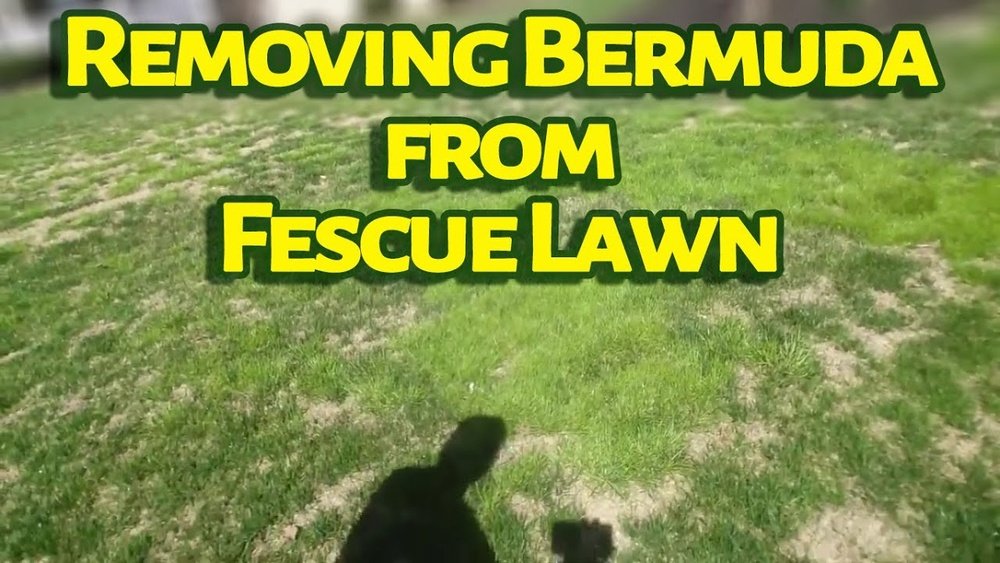
Are you struggling to keep your fescue lawn looking its best because Bermuda grass keeps taking over? You’re not alone.
Bermuda grass is tough and spreads quickly, making it a real challenge to remove once it invades your yard. But don’t worry—there are simple, effective steps you can take to reclaim your lawn and keep your fescue healthy and green.
You’ll discover practical tips that anyone can follow to get rid of Bermuda grass for good. Keep reading, and take control of your lawn today!
Credit: www.turffiles.ncsu.edu
Identifying Bermuda Grass In Fescue Lawns
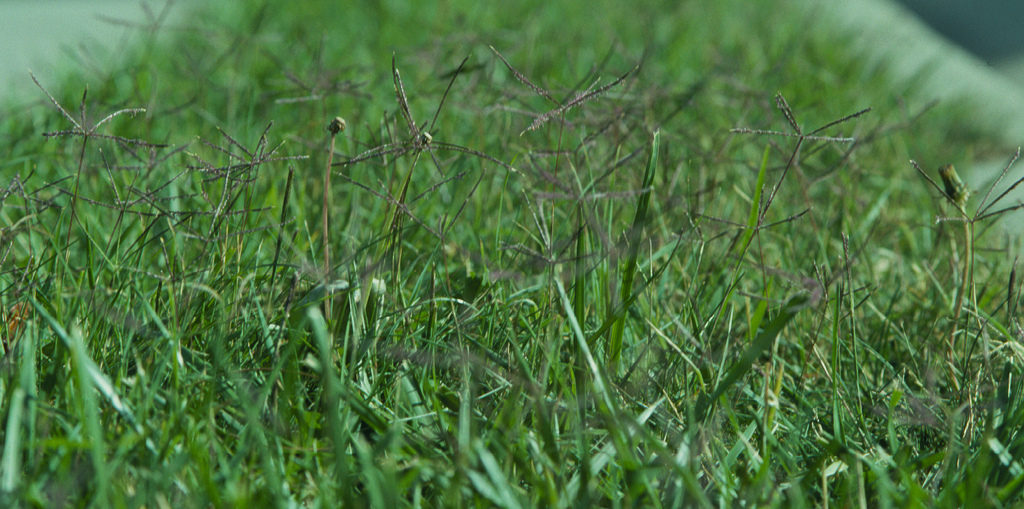
Identifying Bermuda grass in fescue lawns is the first step to effective removal. Bermuda grass can spread quickly and take over fescue, making the lawn uneven and patchy. Understanding how to spot Bermuda grass early helps protect the health of your fescue lawn. This section covers key differences and common signs to watch for.
Key Differences Between Bermuda And Fescue
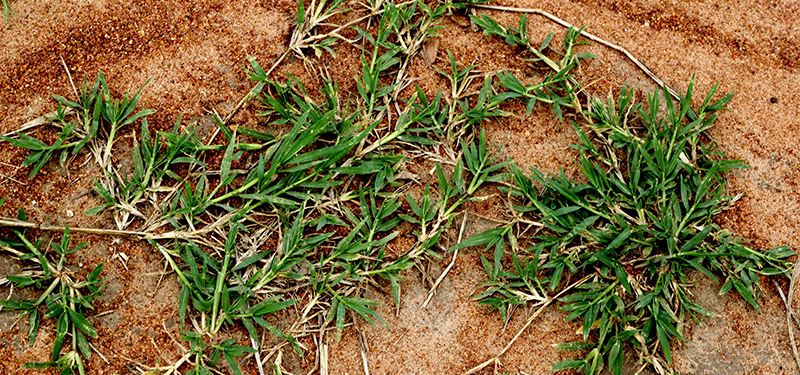
Bermuda grass has thin, wiry blades, while fescue blades are wider and softer. Bermuda is a warm-season grass, growing best in hot weather. Fescue prefers cooler temperatures and stays green in fall and winter. Bermuda spreads through stolons and rhizomes, creating a dense mat. Fescue grows in clumps and does not spread as fast. Bermuda grass feels rough to the touch. Fescue grass feels smooth and fine.
Common Signs Of Bermuda Grass Infestation
Look for patches of grass that grow faster than the rest. Bermuda grass often appears darker green than fescue. The grass may have a rough texture in affected areas. Spots with a dense, low mat of grass suggest Bermuda presence. Bermuda grass can survive drought better than fescue. It may stay green while fescue browns. Small runners or stems creeping along the soil surface also signal Bermuda grass.
Manual Removal Techniques
Manual removal techniques offer a direct and natural way to get rid of Bermuda grass from your fescue lawn. These methods require some effort but allow precise control over the removal process. You can protect your fescue while targeting the unwanted Bermuda grass.
Hand Pulling And Digging Out
Hand pulling is best for small patches of Bermuda grass. Grasp the grass close to the ground and pull firmly. Pull slowly to remove the roots completely. This helps prevent regrowth.
Digging out is useful for larger or tougher Bermuda grass areas. Use a small shovel or garden fork to loosen the soil around the roots. Lift the grass out carefully, making sure to get all the roots. Dispose of the removed grass away from your lawn.
Using Tools For Effective Removal
Tools can make the removal faster and more effective. A hori hori knife or weeding tool helps cut through thick roots. Insert the tool next to the Bermuda grass and pry it out.
A garden hoe can chop Bermuda grass runners under the soil surface. This stops the grass from spreading. Rake the area afterward to clear out any loose roots or debris.
Chemical Control Methods
Chemical control methods help remove Bermuda grass from fescue lawns effectively. Using herbicides can target Bermuda grass without harming your fescue. Careful selection and correct use are essential for success.
Choosing The Right Herbicide
Pick a herbicide that targets Bermuda grass specifically. Look for products labeled safe for fescue lawns. Non-selective herbicides can damage your grass. Selective herbicides work best to keep fescue healthy. Read the product instructions before buying to ensure safety.
Safe Application Practices
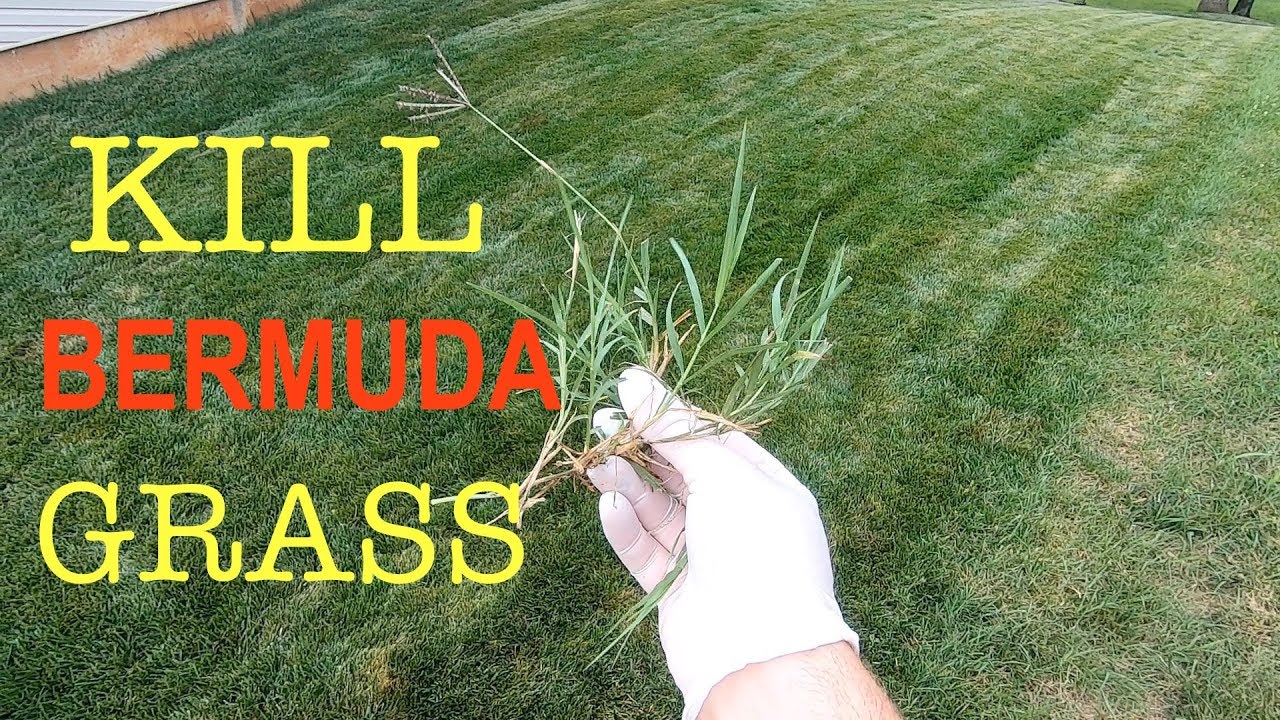
Wear protective gear like gloves and masks during application. Avoid spraying on windy days to prevent drift. Use a sprayer for even coverage. Do not overapply; follow recommended dosages strictly. Keep children and pets away until the herbicide dries.
Timing Treatments For Best Results
Apply herbicides when Bermuda grass is actively growing. Early spring or late summer are ideal times. Avoid treatment during drought or extreme heat. Repeat treatments may be necessary for full control. Monitor your lawn and treat again if Bermuda grass returns.
Credit: www.agsod.com
Cultural Practices To Prevent Bermuda Grass
Preventing Bermuda grass from taking over your fescue lawn starts with good cultural practices. These methods create the right conditions for fescue to grow strong and keep Bermuda grass at bay. Healthy lawn care habits reduce the chance of Bermuda grass spreading.
Focus on proper mowing, watering, fertilizing, and improving soil health. Each step supports your fescue and makes it hard for Bermuda grass to survive.
Proper Mowing Strategies
Keep your fescue mowed at the right height, about 3 to 4 inches. Cutting too short weakens fescue and helps Bermuda grass spread. Mow regularly to avoid stress on the lawn. Use a sharp mower blade to make clean cuts. Leave grass clippings on the lawn to add nutrients back into the soil.
Watering And Fertilizing Tips
Water deeply but less often. This encourages deep roots in fescue and limits Bermuda grass growth. Early morning watering is best to reduce disease risk. Use a fertilizer made for cool-season grasses. Apply it in fall and spring to support fescue growth. Avoid over-fertilizing, which can help Bermuda grass thrive.
Improving Soil Health
Test your soil to check pH and nutrient levels. Fescue grows best in soil with a pH between 6 and 7. Add lime or sulfur to adjust pH if needed. Aerate the lawn to improve air and water movement in the soil. Healthy soil helps fescue roots grow deep and strong. This makes it harder for Bermuda grass to invade.
Restoring And Maintaining Healthy Fescue
Restoring and maintaining healthy fescue is key after removing Bermuda grass. Fescue needs care to grow thick and strong again. This helps stop Bermuda grass from coming back. A healthy lawn looks green and feels soft. It also resists weeds and drought better. Follow clear steps to repair and care for your fescue lawn.
Overseeding And Lawn Repair
Overseeding fills bare spots left by Bermuda grass removal. Spread fescue seed evenly over thin areas. Use fresh seed suitable for your climate. Water the seed gently but regularly. This helps grass grow fast and strong. Lawn repair also includes raking dead grass and debris. This clears space for new grass to take root. Overseeding improves lawn density and color.
Regular Lawn Maintenance Routines
Cutting grass at the right height keeps fescue healthy. Mow often but never cut too short. Water deeply but less often to encourage strong roots. Use fertilizer made for fescue grass. Apply it in spring and fall for best results. Remove weeds quickly to avoid spread. Regular care stops Bermuda grass from returning. Consistent maintenance keeps your lawn thick and green.
Credit: www.youtube.com
Frequently Asked Questions
How Can I Identify Bermuda Grass In My Fescue Lawn?
Bermuda grass has coarse blades and spreads aggressively via stolons and rhizomes. It appears lighter green and grows faster than Fescue, making it easily distinguishable.
What Is The Best Method To Remove Bermuda Grass From Fescue?
The best method combines targeted herbicides and manual removal. Use selective herbicides safe for Fescue, and pull out Bermuda grass roots to prevent regrowth.
Can I Use Herbicides Without Harming My Fescue Grass?
Yes, selective herbicides designed for grassy weeds target Bermuda grass without damaging Fescue. Always follow product instructions carefully to avoid lawn injury.
How Long Does It Take To Eliminate Bermuda Grass From Fescue?
Removing Bermuda grass can take several weeks to months, depending on infestation severity. Persistent treatment and lawn care improve success rates.
Conclusion
Removing Bermuda grass from fescue takes time and care. Use proper tools and follow clear steps. Stay patient and check your lawn often. Keep watering and mowing fescue regularly. This helps your grass stay strong and healthy. Avoid letting Bermuda grass spread again.
Small efforts each day make a big difference. A healthy fescue lawn looks green and neat. You can enjoy a beautiful yard with some work. Keep at it, and your lawn will improve.
