

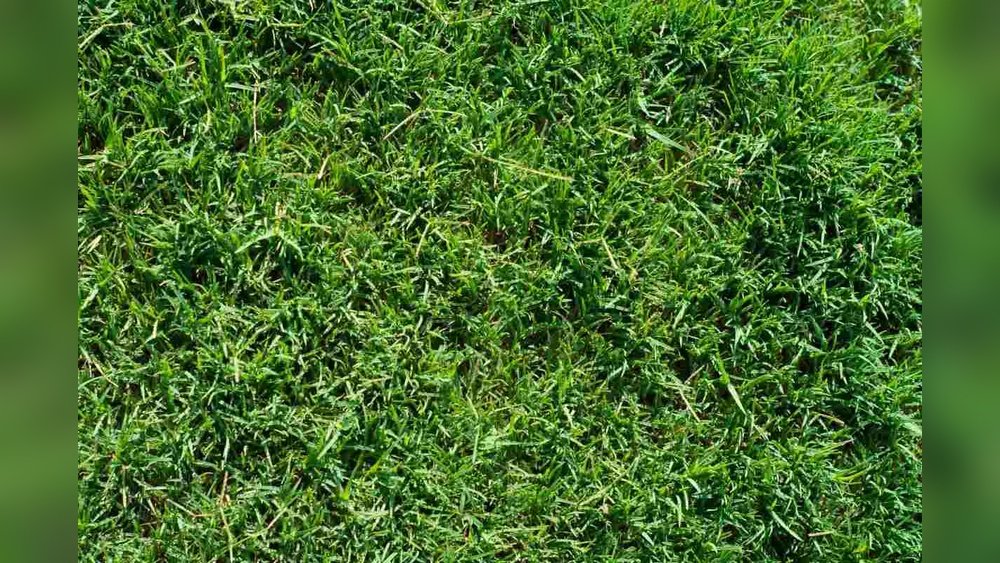
Are you wondering when your Bermuda grass will finally turn green and bring your lawn back to life? You’re not alone.
Watching your yard stay brown and dull can be frustrating, especially when you’re eager to enjoy a lush, vibrant lawn. Understanding exactly when Bermuda grass changes color can help you plan your lawn care better and get the best results.
Keep reading, and you’ll discover the key signs and timing that signal your Bermuda grass is waking up and ready to shine.

Credit: www.youtube.com
Bermuda Grass Growth Cycle
Bermuda grass follows a clear growth cycle that changes throughout the year. Understanding this cycle helps in caring for your lawn. The grass has different colors and growth speeds depending on the season and temperature. Knowing these details helps you plan mowing, watering, and fertilizing correctly.
Seasonal Color Changes
Bermuda grass turns green in spring as the weather warms. It stays green through summer with strong sunlight and warmth. During fall, the green color starts to fade. In winter, Bermuda grass goes dormant and turns brown. This cycle repeats every year.
Temperature Effects
Warm temperatures make Bermuda grass grow fast and stay green. The grass grows best between 75°F and 95°F. Cold weather slows growth and causes dormancy. Frost or freezing temperatures can turn the grass brown. Watching the temperature helps predict when the grass will green up again.
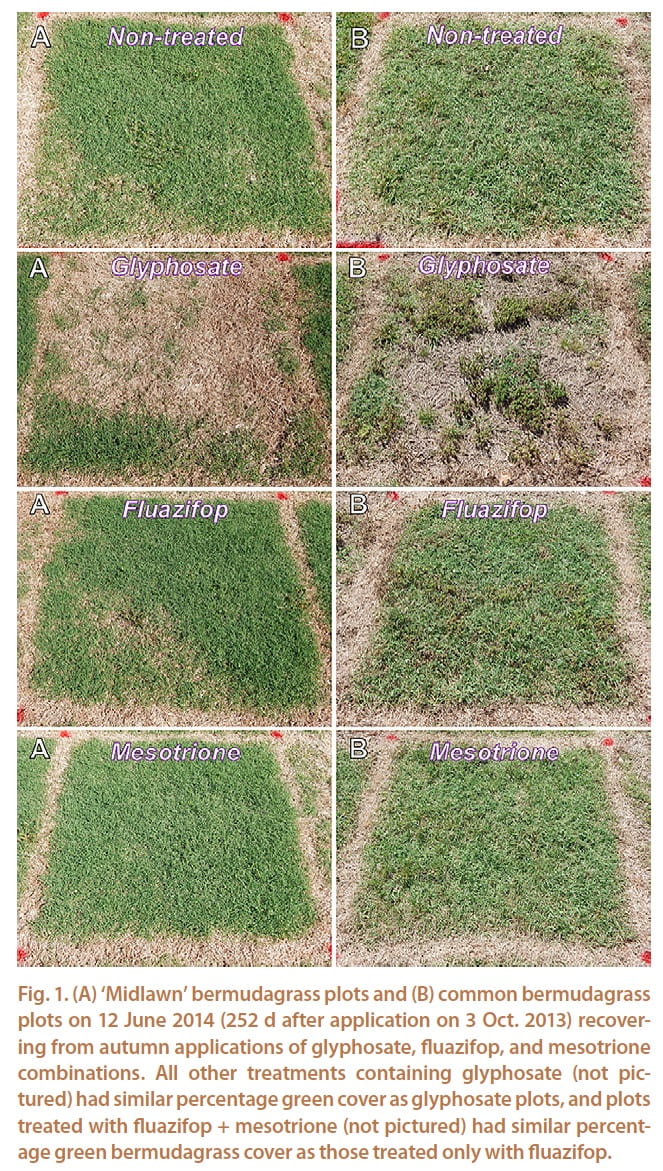
Credit: blogs.k-state.edu
Signs Of Greening
Bermuda grass turning green signals the start of a new growing season. It shows the lawn is waking from winter dormancy. Noticing these signs helps you care for your grass better. Watch closely for subtle changes in color and texture. Early signs often appear in small patches before the whole lawn greens up.
Early Growth Indicators
Small green shoots begin to emerge from the soil. Grass blades look thin and light green at first. The grass feels soft and moist underfoot. You may spot tiny buds on the grass runners. Growth speed increases as temperatures rise above 50°F. The lawn slowly changes from brown to green shades. These early signs appear in sunny spots first. Shaded areas may green up later in spring.
Soil Conditions Impact
Healthy soil encourages faster green-up of Bermuda grass. Warm soil temperatures above 60°F promote root activity. Well-drained soil prevents waterlogging and root damage. Soil rich in nutrients supports strong grass growth. Dry or compacted soil delays greening and growth. Testing soil pH can help maintain ideal conditions. Proper soil care leads to a vibrant, green lawn sooner. Keep soil loose and moist for best results.
Speeding Up Green-up
Speeding up the green-up of Bermuda grass helps your lawn look fresh and healthy sooner. Early green growth means a vibrant yard ready for outdoor fun. Simple care steps can encourage faster growth and better color. Focus on water, nutrients, and mowing for best results.
Optimal Watering Practices
Water Bermuda grass deeply but less often. This encourages strong roots. Aim to water once or twice a week. Each session should give the soil about one inch of water. Avoid shallow watering that causes weak roots. Morning watering reduces evaporation and disease risk.
Fertilization Tips
Feed Bermuda grass with a balanced fertilizer in early spring. Use a product high in nitrogen for green growth. Follow package directions for application rates. Avoid over-fertilizing, which can harm the grass. Spread fertilizer evenly for consistent color. Repeat every 4 to 6 weeks during the growing season.
Mowing Techniques
Keep your mower blade sharp for clean cuts. Mow Bermuda grass to about 1 to 2 inches tall. Regular mowing encourages thick, green turf. Avoid cutting more than one-third of the grass height at once. Leave grass clippings on the lawn to add nutrients. Mow more frequently as the grass grows fast.
Common Challenges
Bermuda grass is a popular choice for warm climates. It turns green and lush in spring. Still, it faces some challenges that affect its color and health. Knowing these challenges helps keep your lawn healthy and green longer.
Dealing With Dormancy
Bermuda grass goes dormant in cold weather. It stops growing and turns brown. Dormancy is natural and helps the grass survive winter. The grass does not die but rests until warm weather returns. Watering less during dormancy prevents root rot. Avoid heavy fertilizing too early in spring. Wait until the grass shows signs of growth. Raking dead blades helps new grass grow faster.
Pest And Disease Issues
Pests like grubs and chinch bugs harm Bermuda grass. They eat the roots and blades, causing brown patches. Watch for small bugs or uneven spots on the lawn. Diseases like leaf spot and dollar spot also cause damage. These diseases create yellow or brown areas on the grass. Keep the lawn dry and avoid overwatering to reduce disease risk. Use pest control products if you see bugs. Treat diseases early with fungicides for best results.
Ideal Environmental Conditions
Bermuda grass needs the right environment to turn green and healthy. It reacts quickly to warm weather. The grass stays dormant and brown in cold conditions. Ideal environmental factors help Bermuda grass grow fast and look its best. These include sunlight and soil temperature. Understanding these helps you know when your lawn will green up.
Sunlight Requirements
Bermuda grass loves sunlight. It needs at least six to eight hours of direct sun daily. Shade slows its growth and keeps it brown. The grass uses sunlight to make food and grow strong. Plant Bermuda grass in open areas. Avoid shady spots under trees or buildings.
Soil Temperature Guidelines
Soil temperature affects when Bermuda grass turns green. It starts growing when soil reaches about 65°F (18°C). Growth speeds up as soil warms to 75°F (24°C). Cold soil keeps the grass dormant and brown. Use a soil thermometer to check the temperature. Warm soil helps roots absorb water and nutrients better.

Credit: www.youtube.com
Expert Lawn Care Advice
Expert lawn care advice helps you keep Bermuda grass green and healthy. Proper care boosts its growth and color. Simple steps make a big difference in your lawn’s look.
Timing Lawn Treatments
Apply lawn treatments at the right time for best results. Start in early spring as temperatures rise above 65°F. Use fertilizer to provide nutrients Bermuda grass needs. Water the lawn deeply but not too often. Avoid treatments during very hot or cold days. Proper timing helps grass grow faster and turn green sooner.
Choosing The Right Grass Varieties
Select grass varieties suited for your climate and soil. Some Bermuda grass types green up earlier in the season. Look for varieties that resist drought and pests well. Good choice reduces lawn problems and keeps grass healthy. Ask local experts or garden centers for advice on varieties.
Frequently Asked Questions
When Does Bermuda Grass Typically Start Turning Green?
Bermuda grass usually begins turning green in early spring. This occurs when soil temperatures consistently reach around 65°F. Warmer weather and increased sunlight trigger its growth and color change. Proper watering and fertilization also help speed up the greening process.
How Long Does It Take Bermuda Grass To Turn Green?
It takes about 2 to 3 weeks for Bermuda grass to fully green up after spring starts. This depends on temperature, sunlight, and lawn care practices. Warmer climates may see faster greening, while cooler regions experience delays.
What Affects The Greening Time Of Bermuda Grass?
Soil temperature, sunlight, water, and fertilizer affect Bermuda grass greening time. Cold soil slows growth, while proper watering and nutrients boost it. Mowing height and lawn health also influence how quickly the grass turns green.
Can Bermuda Grass Turn Green In Fall Or Winter?
Bermuda grass usually goes dormant and brown in fall and winter. It rarely turns green during these seasons unless temperatures stay warm. In mild climates, occasional green patches can appear during brief warm spells.
Conclusion
Bermuda grass turns green when temperatures rise above 60°F. It usually starts greening in early spring. Proper watering and sunlight help the grass grow healthy. Avoid cutting the grass too short during this time. Patience is key; the grass needs time to recover.
Watching your lawn closely helps you know the right care steps. A green Bermuda lawn makes your yard look fresh and lively. Keep these tips in mind for a beautiful lawn all season.
