
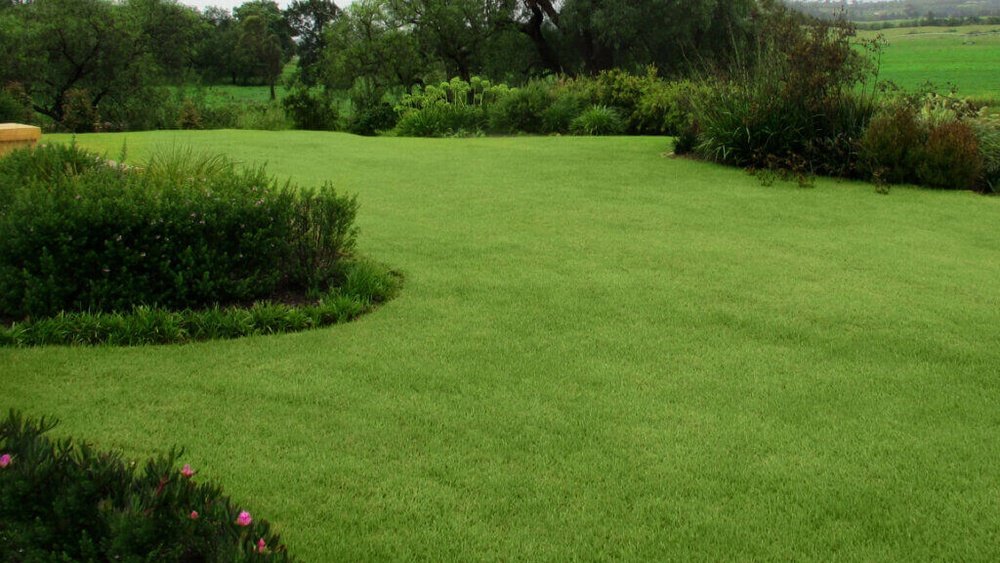
Has your Zoysia grass lost its lush green charm after a tough winter? You’re not alone.
Harsh cold can leave your lawn looking dull and tired, but the good news is that with the right care, your grass can bounce back stronger than ever. Imagine stepping outside to a vibrant, healthy lawn that makes your yard the envy of the neighborhood.
You’ll discover simple, effective steps to revive your Zoysia grass quickly and easily. Ready to bring your lawn back to life? Let’s get started!
Credit: seacoastturfcare.com
Assessing Winter Damage
After a harsh winter, Zoysia grass may show signs of stress or damage. Assessing the winter damage helps you know what your lawn needs. This step is important before you start any recovery work. Careful observation will guide your next moves to bring your lawn back to life.
Checking Grass Color And Texture
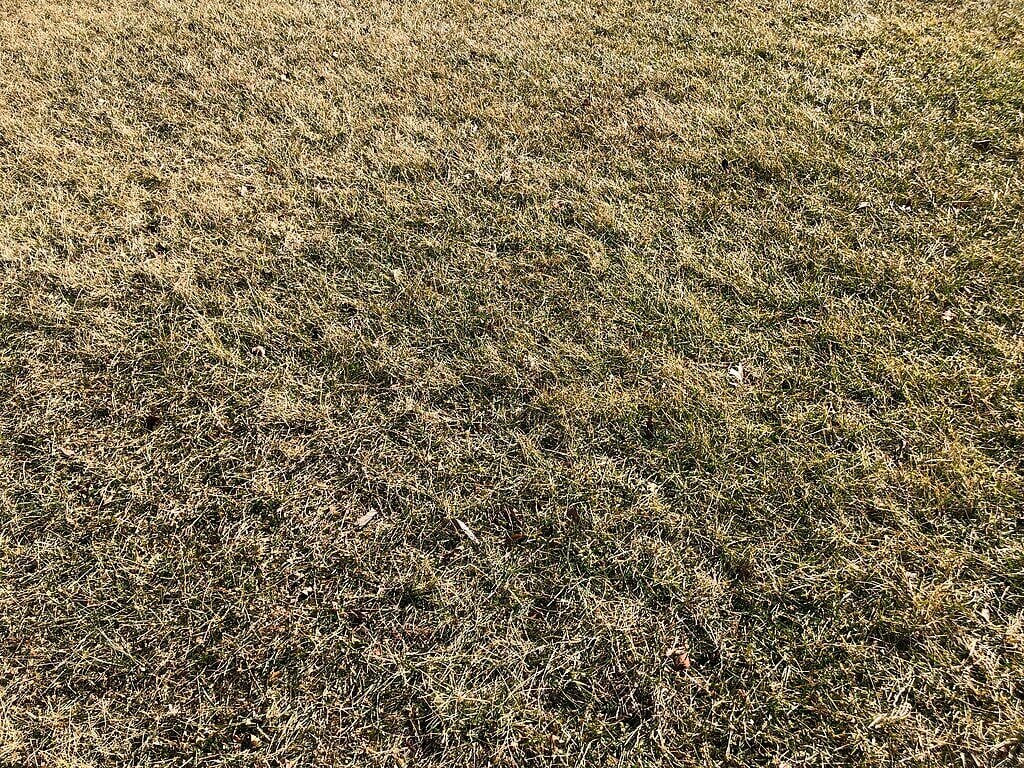
Healthy Zoysia grass is usually green and soft. Look for patches that have turned brown or yellow. These colors can mean the grass is stressed or dying. Feel the grass blades. Healthy grass feels smooth and springy. Dry, brittle blades may show damage from cold weather.
Identifying Dead And Dormant Areas
Some parts of your lawn may be dead, while others are just resting. Dead areas will not grow back and need reseeding or patching. Dormant grass looks brown but can recover with water and warmth. Test this by pulling gently on the grass. If it comes up easily, it is likely dead. If it stays, it might still grow.
Cleaning Up Your Lawn
Cleaning up your lawn is the first step to help Zoysia grass bounce back after winter. The grass may look dull and lifeless. Old leaves, sticks, and dead grass cover the surface. Removing these wastes will help sunlight and air reach the soil. It also prepares the lawn for new growth and treatments.
Removing Debris And Thatch
Start by picking up large debris like branches and leaves. Use a rake or leaf blower for smaller pieces. Check for thatch, a thick layer of dead grass and roots. Thatch blocks water and nutrients from reaching the soil. Use a dethatching rake or a lawn scarifier to remove it gently. Removing thatch helps the lawn breathe and grow healthy.
Raking Dead Grass
Dead grass stays on the lawn after winter. It makes the lawn look patchy and weak. Rake the dead grass carefully to clear the area. Use a stiff rake to pull out the dry grass without harming new shoots. Clearing dead grass lets new grass grow stronger. It also stops pests and diseases from building up in the lawn.
Soil Preparation
Soil preparation is the first step to bring Zoysia grass back to life after winter. Healthy soil helps grass roots grow deep and strong. Preparing the soil correctly boosts water and nutrient absorption. It also improves air flow around the roots. This section explains how to test soil health and aerate compacted soil.
Testing Soil Health
Start by checking your soil’s pH and nutrient levels. You can buy a simple soil test kit at a garden store. Take samples from different parts of your lawn. Mix them together for a good average. Follow the test instructions carefully for accurate results. Zoysia grass grows best in soil with a pH between 6.0 and 6.5. If your soil is too acidic or alkaline, add lime or sulfur accordingly. Test results also show if your soil lacks nitrogen, phosphorus, or potassium. Use the right fertilizer to fix these deficiencies. Proper soil testing helps you apply only what your lawn needs.
Aerating Compacted Soil
Winter can compact soil, making it hard for roots to breathe. Aeration solves this by creating small holes in the soil. These holes allow air, water, and nutrients to reach roots easily. You can rent an aerator or hire a professional. Manual aerators work for small lawns. Core aerators remove small plugs of soil and thatch. Make holes about 3 inches deep and 2 to 4 inches apart. Aerate your lawn when the soil is moist but not wet. Avoid aerating frozen or very dry soil. After aeration, spread a thin layer of compost to improve soil quality. Aerating helps Zoysia grass recover faster and grow healthier.
Fertilizing For Recovery
Fertilizing is a key step to help Zoysia grass bounce back after a tough winter. The right nutrients boost growth and green color. Fertilizers feed the soil and grass, making recovery faster and stronger. Use the right type and apply it at the best time for healthy results.
Choosing The Right Fertilizer
Pick a fertilizer made for warm-season grasses like Zoysia. Look for one with a balanced mix of nitrogen, phosphorus, and potassium. Nitrogen helps leaves grow green and thick. Phosphorus supports root growth. Potassium strengthens the grass against stress and disease.
A slow-release fertilizer works best. It feeds the grass over time and avoids burning it. Avoid fertilizers high in nitrogen only. That can cause weak growth and make the grass more prone to disease.
Timing Your Application
Apply fertilizer when the soil temperature reaches about 55°F. This usually happens in early spring. At this point, the grass starts to wake up from dormancy. Fertilizing too early wastes nutrients and may harm the grass.
Split the total fertilizer amount into two or three applications. Space them four to six weeks apart. This method keeps feeding the grass steadily. It also reduces the risk of over-fertilizing and burning the lawn.
Watering Strategies
Watering is key to bringing Zoysia grass back to life after winter. This grass needs the right amount of water to grow strong and green. Too little water can make it dry and weak. Too much water can cause roots to rot. A good watering plan helps Zoysia recover quickly and stay healthy.
Establishing A Watering Schedule
Start watering early in the morning. This helps water soak into the soil before heat arrives. Give your lawn about one inch of water each week. Spread this amount over two or three watering sessions. This keeps the soil moist but not soggy. Check the soil regularly to see if it feels dry.
Avoiding Overwatering
Overwatering can harm Zoysia grass more than underwatering. Too much water blocks air from reaching the roots. It also makes the grass prone to diseases. Watch for signs like yellowing or soft patches. Reduce watering if you see these signs. Let the soil dry slightly between waterings to keep roots healthy.
Reseeding And Overseeding
Reseeding and overseeding are key steps to bring your Zoysia grass back to life after winter. These methods help fill in bare spots and thicken the lawn. They improve the grass’s color and health, making it lush and green again. Doing this correctly gives your lawn a fresh start for the growing season.
Selecting Quality Zoysia Seed
Choose high-quality Zoysia seed that matches your region’s climate. Look for seeds with high germination rates. Good seed ensures strong and healthy grass growth. Avoid cheap or mixed seeds that may not grow well. Check the seed label for purity and variety information.
Proper Seeding Techniques
Prepare the soil by removing dead grass and debris. Loosen the top layer of soil for better seed contact. Spread seeds evenly over the area using a spreader or by hand. Lightly rake the soil to cover the seeds. Water the area gently but thoroughly to keep seeds moist. Keep watering regularly until the grass grows thick.
Mowing Tips For Regrowth
Mowing is a key step to help zoysia grass bounce back after a cold winter. Cutting your lawn properly encourages new growth and keeps grass healthy. The right mowing habits make a big difference in how fast your lawn recovers and looks green again.
Setting The Correct Mower Height
Keep your mower blades high when cutting zoysia grass. Set the height to about 1.5 to 2 inches. This height protects grass roots and stops stress on the plant. Cutting too short can weaken the grass and slow regrowth. A taller cut helps grass get more sunlight and grow thicker.
Frequency Of Mowing
Mow your zoysia grass regularly but not too often. Start mowing once the grass grows to about 3 inches tall. Mow enough to remove only one-third of the grass blade at a time. Mowing too often can damage the grass and stop it from growing well. As the grass grows stronger, you can mow more often to keep it neat.

Credit: www.supersod.com
Preventing Future Winter Damage
Preventing future winter damage to Zoysia grass helps keep your lawn healthy and green. Taking steps before the cold months reduces stress on the grass. It also helps your lawn bounce back faster in spring.
Applying Protective Mulch
Mulch acts as a shield for Zoysia grass during winter. It keeps the soil warmer and stops frost from reaching the roots. Spread a thin layer of mulch, about one to two inches thick. Use natural materials like straw or pine needles. Avoid thick layers that can trap moisture and cause mold. Mulching also prevents soil erosion and protects against harsh winds.
Winter Lawn Care Practices
Proper care before and during winter is vital for Zoysia grass. Mow the lawn one last time in late fall, keeping the grass slightly longer. This length helps insulate the soil and roots. Stop fertilizing six weeks before the first frost to avoid new growth. Water the lawn deeply but less often during winter. Avoid heavy foot traffic on frozen grass to prevent damage. Clean up leaves and debris to stop mold growth and pests.
Credit: mikesbackyardnursery.com
Frequently Asked Questions
How Soon Should I Start Reviving Zoysia Grass After Winter?
Begin reviving Zoysia grass as soon as soil temperatures reach 55°F. Early spring is ideal to stimulate growth and recovery. This timing helps the grass recover quickly and strengthens it before summer heat arrives.
What Are The Best Fertilizers For Zoysia Grass Revival?
Use a balanced fertilizer with nitrogen, phosphorus, and potassium. A slow-release nitrogen fertilizer is best for steady growth. Apply it in early spring to boost root development and green-up after winter dormancy.
How Often Should I Water Zoysia Grass During Revival?
Water Zoysia grass deeply once or twice a week. Ensure soil stays moist but not soggy. Proper watering encourages deep root growth and helps the grass recover from winter stress effectively.
Can Dethatching Help Zoysia Grass Recover Faster?
Yes, dethatching removes dead grass and debris that block sunlight. It improves air circulation and nutrient absorption. Perform dethatching in early spring before new growth starts for best results.
Conclusion
Reviving Zoysia grass takes time and steady care. Water your lawn regularly but avoid overwatering. Mow the grass once it starts growing again. Apply fertilizer to boost its strength and color. Remove dead grass to help new shoots grow. Watch for pests and treat them quickly.
Stay patient—healthy grass returns with good habits. Your lawn will soon look green and full again. Keep these simple steps in mind for lasting results.
