
Are you frustrated because your Zoysia grass isn’t growing the way you expected? You’ve put in time and effort, but your lawn still looks thin and patchy.
It’s confusing and disappointing when your grass won’t thrive, especially when you want a lush, green yard to enjoy. The good news is, you’re not alone—and there are clear reasons why your Zoysia grass may be struggling. Keep reading to discover the common mistakes and simple fixes that can turn your lawn around.
Your dream lawn is closer than you think.
Common Growth Issues
Zoysia grass is popular for its thick, green look. Yet, it may stop growing well. Several common issues can cause this problem. Understanding these helps bring your lawn back to life.
Check these factors carefully. Fixing them improves your grass growth quickly.
Soil Quality Problems
Soil affects grass growth a lot. Poor soil lacks nutrients and proper drainage. Compacted soil stops roots from spreading. Test your soil for pH and nutrients. Add fertilizer or organic matter to improve it.
Inadequate Watering
Zoysia needs regular watering to stay healthy. Too little water dries the grass out. Too much water causes root rot. Water deeply but less often. Early morning is the best time to water.
Improper Mowing Techniques
Mowing too short stresses the grass. Cutting blades dull can tear leaves. Raise mower height to 2 to 3 inches. Keep mower blades sharp for clean cuts. Mow frequently but avoid cutting more than one-third of the grass height.
Lack Of Sunlight
Zoysia grass needs full sun to grow well. Shade slows growth and thins the lawn. Trim tree branches or remove objects blocking light. For shaded areas, consider shade-tolerant grass types instead.
Pests And Diseases
Insects like grubs damage grass roots. Fungal diseases cause brown patches and thinning. Inspect your lawn regularly for pests and spots. Use appropriate treatments or call a lawn care expert for help.

Credit: trysodpods.com
Soil-related Solutions
Soil plays a key role in the health and growth of Zoysia grass. Poor soil conditions often cause slow or no growth. Fixing soil problems can help your lawn thrive. Focus on soil pH, drainage, and nutrients to improve growth.
Testing Soil Ph
Zoysia grass grows best in slightly acidic to neutral soil. The ideal pH range is between 6.0 and 7.0. Test your soil pH using a simple kit from a garden center. If the pH is too low, your soil is acidic. If it is too high, the soil is alkaline. Both extremes can stop grass growth.
Adjust soil pH by adding lime to raise acidity or sulfur to lower it. Test again after a few weeks to check changes. Balanced pH helps roots absorb nutrients better.
Improving Soil Drainage
Poor drainage causes water to pool around roots. This suffocates the grass and slows growth. Check if your soil feels soggy after rain. Heavy clay soils often have drainage problems.
To improve drainage, aerate your lawn using a garden fork or aerator tool. This creates holes that let air and water reach roots. Mix organic matter like compost into the soil. It loosens heavy soil and helps water drain better.
Adding Nutrients And Fertilizers
Zoysia grass needs nutrients to grow thick and green. Nitrogen, phosphorus, and potassium are the main nutrients to provide. Use a balanced fertilizer made for lawns. Follow package directions carefully to avoid over-fertilizing.
Apply fertilizer during the growing season for best results. Over time, soil nutrients get used up. Regular feeding keeps your grass healthy and growing strong.
Watering Tips
Water plays a big role in the health of your Zoysia grass. Giving the right amount of water helps it grow thick and green. Too little or too much water can stop growth or cause other problems.
Below are some watering tips. These will help your Zoysia grass get the water it needs to thrive.
Optimal Watering Schedule
Water your Zoysia grass deeply once or twice a week. Each session should soak the soil to about 6 inches deep. Morning is the best time to water. It reduces evaporation and helps grass dry quickly. This helps prevent diseases.
Avoiding Overwatering
Too much water can drown roots and cause fungus. Avoid watering every day unless the soil is very sandy. Check the soil moisture by sticking a finger in the ground. If it feels wet, hold off on watering. Overwatering wastes water and harms your lawn.
Signs Of Underwatering
Dry, brown patches show your grass needs more water. The blades may curl or look thin. Walk on the grass and see if it springs back. If it stays flat, the grass is thirsty. Increase watering slowly to avoid shock.
Mowing Best Practices
Mowing is a key factor in growing healthy Zoysia grass. Proper mowing helps the grass stay strong and green. It also stops weeds and disease from taking over. Following best mowing practices improves your lawn’s growth and look.
Correct Mowing Height
Zoysia grass grows best when cut at 1 to 2 inches tall. Cutting too short can stress the grass. It may cause brown spots and slow growth. Keep the mower blade set to the right height. This keeps the grass healthy and thick.
Mowing Frequency
Mow Zoysia grass often enough to avoid cutting more than one-third of the leaf. Cutting too much at once can hurt the grass. Usually, mowing once a week works well in spring and summer. Less frequent mowing is fine during slow growth in fall.
Using Sharp Blades
Dull mower blades tear the grass instead of cutting it cleanly. Torn grass blades turn brown and get sick easily. Always sharpen your mower blades before starting the season. Sharp blades help keep your Zoysia grass healthy and green.
Sunlight Requirements
Zoysia grass needs the right amount of sunlight to grow well. Sunlight helps the grass make food and stay healthy. Without enough light, Zoysia grass may look thin and patchy. Too little sun can slow down its growth or stop it completely. Understanding the grass’s sunlight needs can help you get a lush, green lawn.
Ideal Light Exposure
Zoysia grass grows best with full sun. It needs at least 6 hours of direct sunlight daily. Morning sun is especially good for the grass. Full sun helps the grass stay thick and green. Lack of sun causes weak growth and bare spots.
Managing Shade
Shade blocks sunlight and can harm Zoysia grass. Trees, buildings, or fences may create too much shade. Trim tree branches to let in more light. Thin out dense shrubs nearby. Remove obstacles that block the sun. Use reflective surfaces to increase light if possible.
Planting Alternatives
If your yard is mostly shaded, consider other grasses. Shade-tolerant grasses like St. Augustine or Fine Fescue grow better in low light. These grasses need less sun but still look good. Planting a mix of grasses can improve lawn health. Choose plants based on your yard’s sunlight levels.

Credit: www.reddit.com
Handling Pests And Diseases
Pests and diseases can stop your Zoysia grass from growing well. They damage the grass blades and roots. This makes your lawn look weak and patchy. Knowing how to spot and deal with these problems helps your grass grow healthy again.
Identifying Common Pests
Look for small insects on the grass. Chinch bugs, armyworms, and sod webworms often attack Zoysia. Check for tiny holes or brown spots on the blades. Watch for ants or beetles moving in the grass. These pests suck the juices and kill the grass slowly.
Disease Symptoms
Diseases cause unusual spots and color changes. Brown patches that spread fast may mean fungal infection. Thin, yellow grass can show root rot or rust disease. White or gray powder on leaves is a sign of mildew. Early spotting helps stop the disease from spreading.
Effective Treatment Methods
Remove dead grass and debris to reduce pests and germs. Use insecticides for heavy pest infestations. Choose fungicides for fungal diseases carefully. Water your lawn early in the day to keep it dry at night. Mow regularly but avoid cutting too short. Healthy lawn care reduces pest and disease risks.
Additional Care Tips
Providing extra care to your Zoysia grass can improve its growth. Simple steps can make a big difference in the health of your lawn. These care tips help your grass get enough air, nutrients, and space to grow strong. Follow these easy methods to boost your lawn’s growth and appearance.
Aeration Techniques
Aeration helps the soil breathe. It creates holes in the lawn so air, water, and nutrients reach the roots. Use a spike aerator or a plug aerator for best results. Aerate during the growing season for Zoysia grass, usually late spring or early summer. This reduces soil compaction and helps roots grow deeper.
Thatch Removal
Thatch is a layer of dead grass and roots on the soil surface. Too much thatch stops water and nutrients from reaching the soil. Remove thatch using a dethatching rake or a power dethatcher. Do this in late spring before the grass grows rapidly. Removing thatch helps the lawn absorb more nutrients and grow better.
Seasonal Maintenance
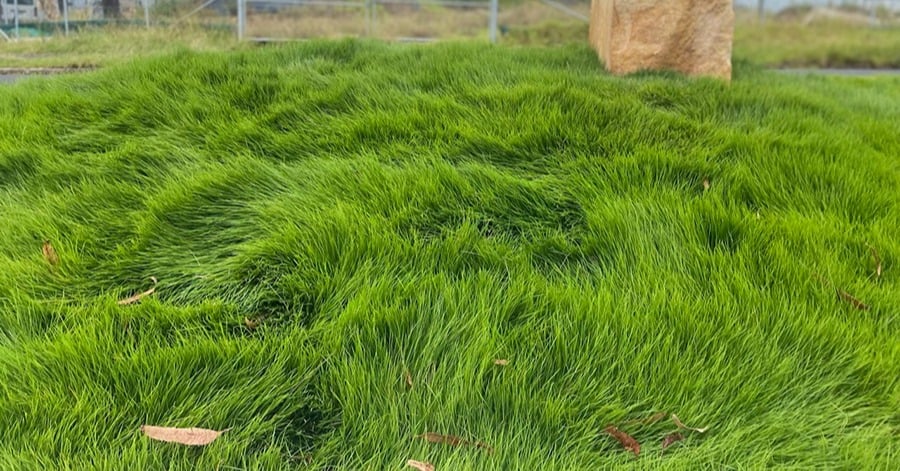
Seasonal care supports steady growth. In spring, apply fertilizer to feed your grass. Water deeply but less often to encourage deep roots. In summer, mow regularly but keep the grass a bit longer. This protects roots from heat. In fall, continue watering and prepare the lawn for winter by clearing debris. Seasonal care keeps your Zoysia grass healthy all year.
Credit: info.supersod.com
Frequently Asked Questions
Why Is My Zoysia Grass Growing Slowly?
Zoysia grass grows slowly due to poor soil, insufficient sunlight, or improper watering. Ensure well-drained soil and full sun exposure. Water deeply but infrequently to promote healthy root growth. Regular fertilization also supports faster growth.
How Much Sunlight Does Zoysia Grass Need?
Zoysia grass thrives in full sun, needing at least 6 hours daily. Limited sunlight can stunt growth and cause thinning. Partial shade may be tolerated but slows growth and reduces lawn density.
Can Overwatering Harm Zoysia Grass Growth?
Yes, overwatering leads to root rot and fungal diseases. Zoysia prefers moderate watering, allowing soil to dry slightly between sessions. Proper watering improves root health and promotes vigorous growth.
What Soil Type Is Best For Zoysia Grass?
Zoysia grass grows best in well-drained, sandy loam soil with a pH between 6. 0 and 7. 5. Heavy clay or poorly drained soil can hinder growth. Amending soil improves drainage and nutrient availability.
Conclusion
Zoysia grass needs sunlight, water, and good soil to grow well. Poor care or bad weather can slow growth. Check your lawn for pests, weeds, or too much shade. Regular mowing and fertilizing help the grass stay healthy. Small changes make a big difference over time.
Keep trying, and your Zoysia grass will improve. Patience and proper care bring a green, thick lawn. Don’t give up; your grass can grow strong and beautiful.
