
Are you wondering if Zoysia grass is the right choice for your South Florida lawn? Choosing the perfect grass can be tricky, especially with the heat, humidity, and unique soil conditions you face here.
You want a lawn that stays green, looks great, and doesn’t demand too much work. But will Zoysia grass thrive in your yard, or will it struggle under the Florida sun? Keep reading to discover the truth about Zoysia grass in South Florida and find out if it’s the best fit for your outdoor space.
Your dream lawn could be closer than you think.
Credit: dickersonlandscaping.com
Zoysia Grass Basics
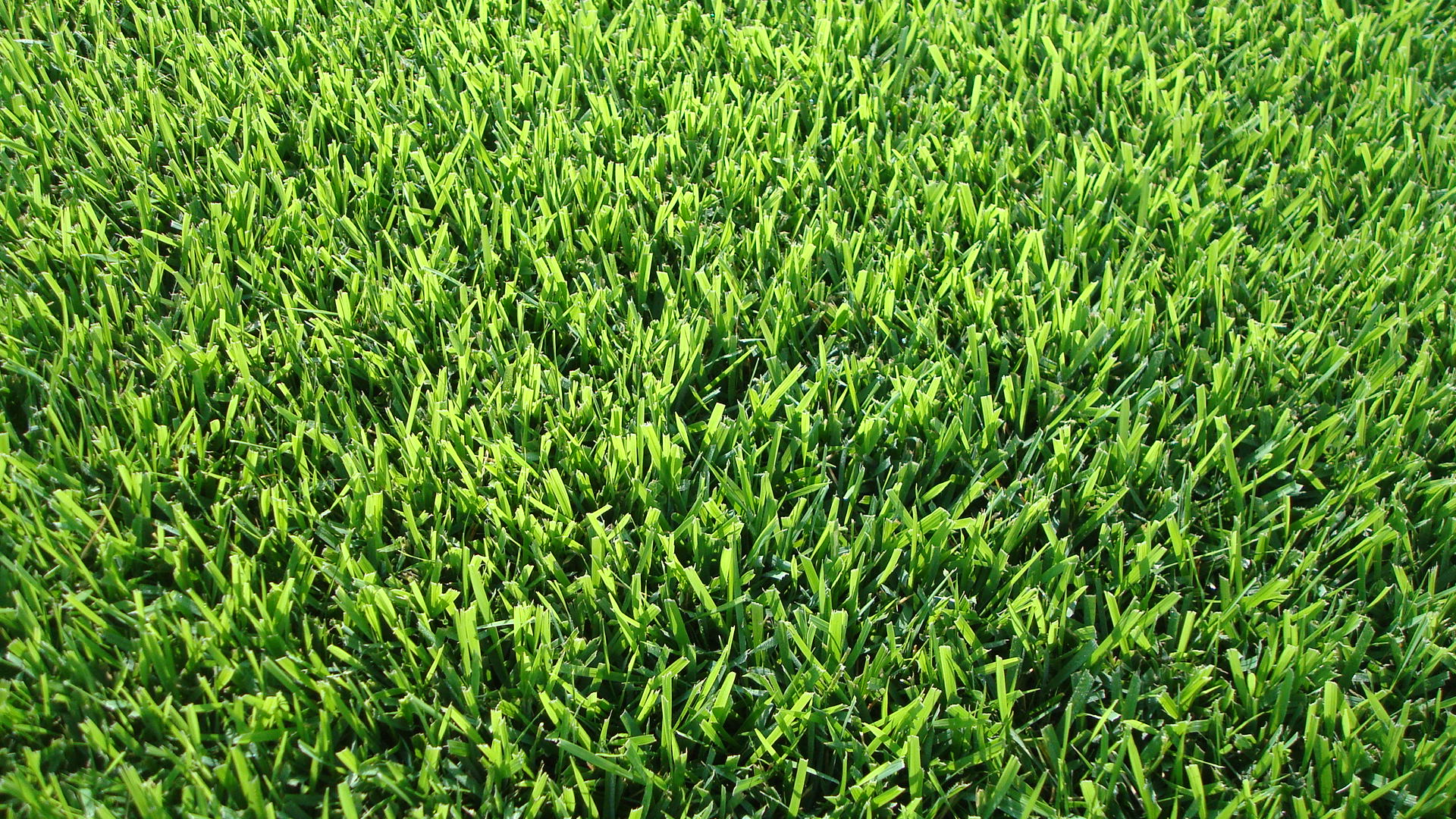
Zoysia grass is a popular choice for lawns in warm climates like South Florida. It grows slowly but forms a dense, green carpet that looks neat. This grass type can handle heat and drought better than many other grasses. It also resists weeds and pests well. Understanding the basics of Zoysia grass helps in deciding if it suits your yard.
Key Features
Zoysia grass has thick blades that grow close together. It feels soft underfoot and stays green most of the year. This grass uses less water than many other types. It handles heat and sunlight very well. Zoysia also tolerates some shade, making it flexible for different spots. Its slow growth means less mowing is needed.
Growth Patterns
Zoysia spreads through underground stems called rhizomes. It also grows above ground with stolons. These growth methods help it cover bare spots quickly. The grass grows slowly compared to other types. This slow pace helps it become thick and strong over time. It stays green longer in warm weather.
Common Varieties
Several Zoysia types exist for different needs. ‘Emerald’ is fine-textured and very green. ‘Meyer’ is tougher and handles cold better. ‘Zenith’ grows fast and resists insects well. Each variety adapts differently to soil and water. Choosing the right one depends on your yard’s conditions.
South Florida Climate
South Florida has a unique climate that affects what plants grow well. The area is warm and humid most of the year. This climate influences the growth of grass types like Zoysia. Understanding the climate helps decide if Zoysia grass can thrive here.
The climate has three main parts to consider: temperature, rainfall, and soil. Each part plays a key role in grass health. Let’s explore these factors to see how they affect Zoysia grass growth.
Temperature Trends
South Florida stays warm all year. Winters are mild, with temperatures rarely dropping below 50°F. Summers are hot and humid, often above 90°F. Zoysia grass grows best in warm weather. It can handle heat well but may struggle in cooler spots. The steady warmth helps Zoysia stay green longer.
Rainfall Patterns
Rain comes mostly in summer months. South Florida gets heavy rain from June to September. Winters are drier but still get some showers. Zoysia grass needs water but not too much. Excessive rain can cause problems like root rot. Proper drainage is important to keep the grass healthy.
Soil Conditions
The soil in South Florida is sandy and drains quickly. It has low nutrients and can be acidic. Zoysia grass prefers well-drained soil but needs some nutrients. Soil may need improvement with organic matter or fertilizer. Good soil helps the grass grow thick and strong.
Zoysia Grass Suitability
Zoysia grass is a popular choice for lawns in many parts of the U.S. Its unique traits make it a strong candidate for South Florida’s climate. Understanding Zoysia grass suitability helps decide if it fits your lawn needs.
South Florida’s weather demands grass that can handle heat, dry spells, and shade. Zoysia grass offers a mix of qualities that might work well here. Let’s explore its heat tolerance, drought resistance, and shade adaptability.
Heat Tolerance
Zoysia grass handles heat better than many grasses. It can stay green during hot, sunny days. This makes it a good option for South Florida’s warm climate. The grass slows growth in extreme heat but recovers quickly.
Drought Resistance
Zoysia grass needs less water compared to other grasses. It has deep roots that reach moisture deep in the soil. This helps it survive dry periods without much damage. Watering frequency can be lower, saving water and effort.
Shade Adaptability
Zoysia grass grows well in partly shaded areas. It may thin out under very dense shade but can still survive. This makes it a flexible choice for yards with trees or buildings casting shadows. It needs some sunlight to stay healthy.

Credit: trysodpods.com
Planting Zoysia In South Florida
Zoysia grass can grow well in South Florida with the right care. Planting it properly helps it thrive in warm climates. South Florida’s heat and humidity suit Zoysia, but preparation is key. Follow simple steps for a healthy, green lawn.
Start by choosing the best time and method for planting. Preparing the soil correctly also boosts growth. Each step affects how well your Zoysia grass will grow.
Best Planting Seasons
Plant Zoysia grass during warm months. Late spring to early summer works best. Soil temperature should be above 70°F for good growth. Avoid planting in cooler months. The grass needs warmth to establish roots fast.
Planting at the right time reduces stress on the grass. It also helps it grow thick and healthy before dry weather arrives.
Soil Preparation Tips
Start with well-drained soil. Remove weeds and debris. Loosen the top 4 to 6 inches of soil. Add organic matter like compost to improve soil quality. Test soil pH; Zoysia grows best in pH 6 to 7. Adjust pH if needed with lime or sulfur.
Water the soil lightly before planting. This creates a good environment for roots. Proper soil preparation supports strong, healthy grass growth.
Seeding Vs. Sodding
Seeding is cheaper but takes longer to grow. Seeds need 2 to 3 weeks to sprout. They require frequent watering. Sodding gives an instant lawn look. Sod roots establish quickly in warm soil. It costs more but saves time and effort.
Choose seeding for large areas and lower cost. Choose sodding for fast results and less work. Both methods work well with proper care.
Maintenance And Care
Zoysia grass can thrive in South Florida with proper care. It needs specific maintenance to stay green and healthy. This grass type is tough but benefits from regular attention. Proper watering, fertilization, and mowing keep it growing well. Follow these simple steps to care for your Zoysia lawn.
Watering Guidelines
Zoysia grass needs deep but infrequent watering. Water about 1 inch per week. Early morning is the best time to water. This reduces evaporation and disease risks. Avoid overwatering, which can cause root problems. Let the soil dry slightly between watering sessions.
Fertilization Schedule
Feed Zoysia grass with a balanced fertilizer. Apply fertilizer every 6 to 8 weeks during the growing season. Use a product with nitrogen, phosphorus, and potassium. Avoid fertilizing in cooler months. Too much fertilizer can harm the grass and environment.
Mowing Recommendations
Mow Zoysia grass regularly to keep it healthy. Set mower height between 1 and 2 inches. Never cut more than one-third of the grass blade at once. Keep mower blades sharp for clean cuts. Mowing too short or too often weakens the grass roots.
Common Challenges
Zoysia grass can thrive in South Florida but faces some common challenges. These problems can affect its growth and appearance. Understanding these issues helps keep your lawn healthy and green.
Pests And Diseases
Zoysia grass may attract pests like chinch bugs and mole crickets. These insects feed on grass blades and roots, causing brown patches. Fungal diseases such as brown patch and leaf spot can also damage the lawn. Proper watering and good air circulation reduce disease risks. Regular checks help spot pests early before they spread.
Weed Control
Weeds compete with Zoysia for nutrients and water. South Florida’s warm climate encourages fast weed growth. Common weeds include crabgrass and dollarweed. Using pre-emergent herbicides prevents weed seeds from sprouting. Hand-pulling weeds keeps the lawn clean without chemicals. Mowing at the right height also helps block weed growth.
Handling Thatch Build-up
Thatch is a layer of dead grass between soil and living grass. Too much thatch blocks water and nutrients from reaching roots. Zoysia grass tends to develop thatch faster than other grasses. Dethatching or aerating the lawn removes excess thatch. This improves soil health and helps roots grow strong. Regular lawn care prevents thick thatch layers from forming.
Expert Tips For Success
Growing Zoysia grass in South Florida can be rewarding with the right approach. Experts share simple tips to help your lawn thrive. These tips cover how to boost growth, adapt to seasons, and keep your lawn healthy for years.
Maximizing Growth
Choose high-quality Zoysia grass suited for warm climates. Plant in well-drained soil with good sunlight. Water deeply but not too often to encourage strong roots. Mow regularly, keeping grass height between 1 and 2 inches. Avoid cutting more than one-third of the grass blade at a time.
Seasonal Adjustments
Adjust watering during rainy and dry seasons. Reduce watering in the wet season to prevent fungus. Increase watering slightly during hot, dry months. Apply fertilizer in spring and fall for steady growth. Avoid fertilizing in the hottest summer months to prevent stress.
Long-term Lawn Health
Aerate the soil yearly to improve air and water flow. Remove weeds quickly to avoid competition. Inspect for pests and treat early to protect the grass. Use organic mulch around edges to retain moisture. Maintain a consistent care routine for a lush, green lawn.
Credit: www.peerlandscaping.com
Frequently Asked Questions
Will Zoysia Grass Thrive In South Florida Climate?
Zoysia grass can grow in South Florida but may struggle in extreme heat and humidity. It prefers moderate temperatures and well-drained soil. Proper care like regular watering and mowing improves its growth in this region.
Is Zoysia Grass Drought Tolerant In South Florida?
Zoysia grass shows good drought tolerance once established. However, South Florida’s humid climate requires occasional watering during dry spells to maintain its green appearance and health.
How Much Sunlight Does Zoysia Grass Need In South Florida?
Zoysia grass thrives best in full sun but tolerates partial shade. In South Florida, it needs at least 4-6 hours of sunlight daily for optimal growth and color.
What Soil Type Is Best For Zoysia Grass In South Florida?
Well-drained sandy or loamy soil suits Zoysia grass in South Florida. Proper soil preparation with organic matter enhances root development and overall lawn health.
Conclusion
Zoysia grass can grow well in South Florida with proper care. It handles heat and humidity better than many grasses. Regular watering and mowing help it stay healthy. The soil should drain well to avoid root problems. Zoysia also resists weeds and pests, making lawn care easier.
Choose the right variety for your yard’s sunlight and shade. With some effort, Zoysia grass will create a green, soft lawn. It offers a good option for South Florida homeowners. Worth trying for a durable and attractive lawn.
