
Are you wondering what Bermuda grass seeds look like and how to identify them for your lawn or garden? Knowing exactly what these seeds look like can save you time and help you choose the best ones for a healthy, green yard.
You’ll discover clear descriptions and helpful tips that make it easy to spot Bermuda grass seeds. By the end, you’ll feel confident in picking the right seeds to grow the lush lawn you want. Keep reading to learn more!
Bermuda Grass Seed Basics
Bermuda grass seeds are small but important for a healthy lawn. Knowing their basics helps in choosing and planting them properly. These seeds have unique features that set them apart from other grass types. Understanding their size, color, and texture can make a difference in your gardening success.
Seed Size And Shape
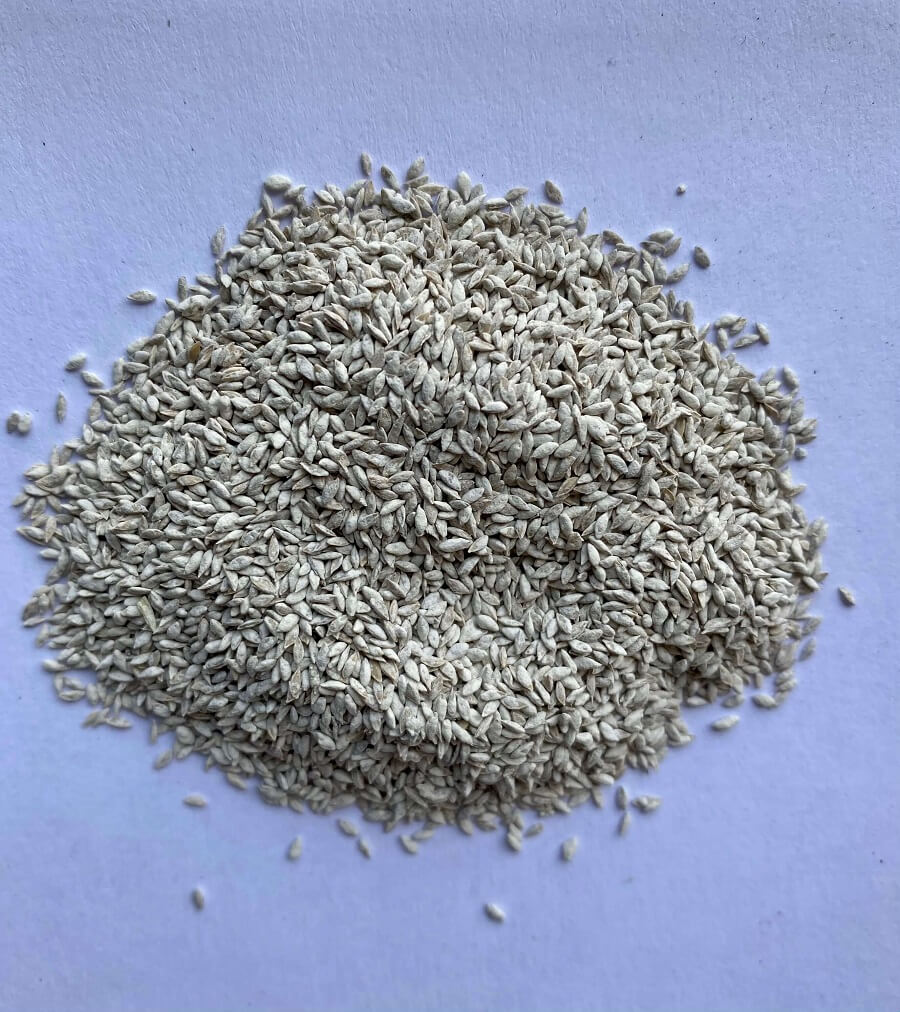
Bermuda grass seeds are tiny and slender. They usually measure about 1 to 2 millimeters long. Their shape is narrow and slightly curved. This slim form helps the seeds settle into the soil easily. The small size means many seeds are needed to cover a large area.
Seed Color Variations
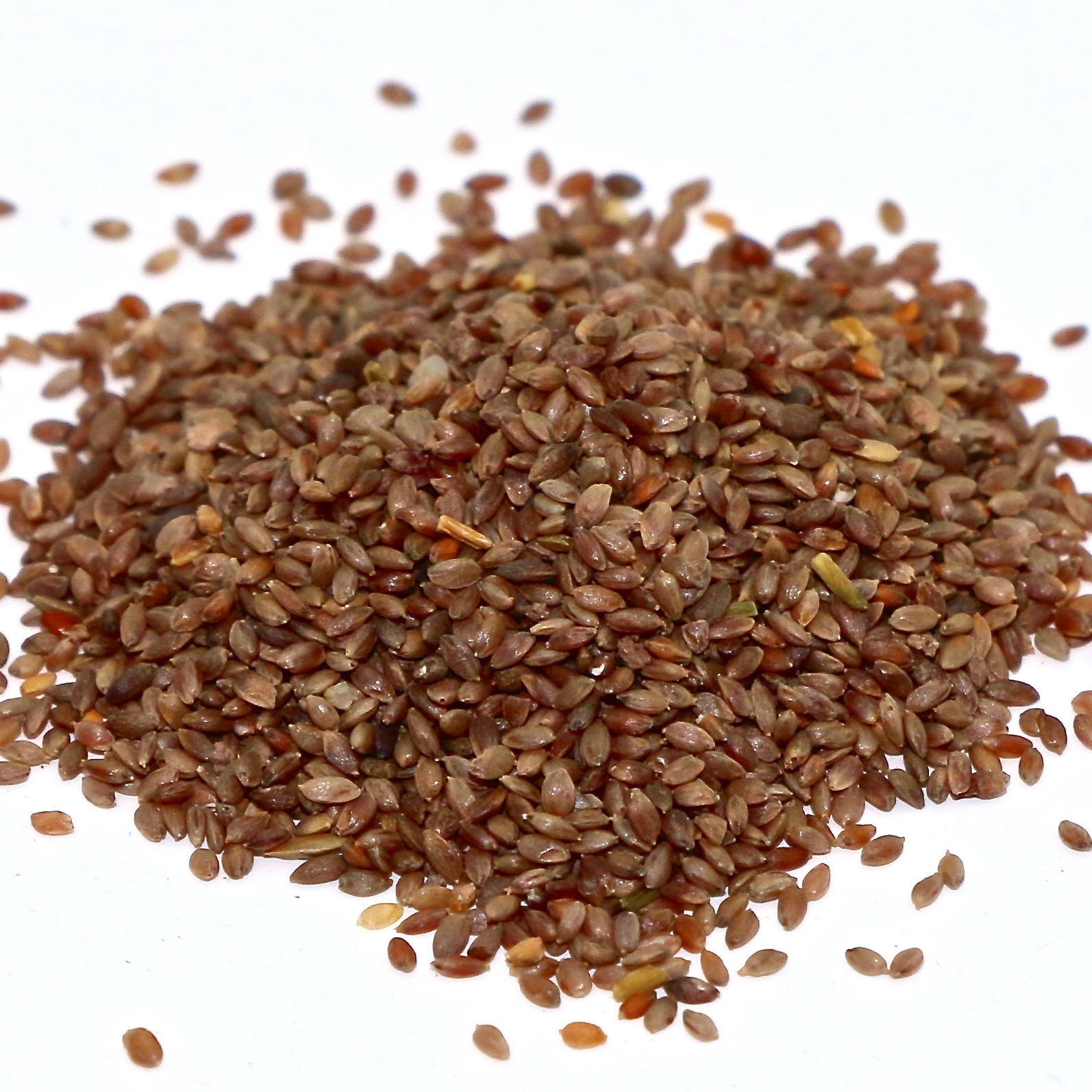
The color of Bermuda grass seeds ranges from light tan to dark brown. Most seeds have a mix of shades. Some look pale, while others appear almost black. These color differences come from the seed’s maturity and storage conditions. The color does not affect how well the seed grows.
Seed Texture And Surface
Bermuda grass seeds have a smooth and hard surface. This texture protects them from damage and pests. The outer coat is thin but tough. It helps keep moisture inside until the seed is ready to sprout. A smooth surface also makes the seeds easy to spread on soil.
How Bermuda Grass Seeds Compare
Bermuda grass seeds have unique features that set them apart from other grass seeds. Understanding these differences helps in choosing the right seed for your lawn or garden. This section explores how Bermuda grass seeds compare to other common grass seeds. It also highlights common mistakes made when identifying seeds.
Differences From Other Grass Seeds
Bermuda grass seeds are small and oval-shaped. They have a smooth texture and a light tan color. Compared to Kentucky bluegrass seeds, Bermuda seeds are smaller and less rounded. Ryegrass seeds look longer and more pointed than Bermuda seeds. Fescue seeds are usually darker and have a rough surface. These physical traits make Bermuda seeds easier to identify when you know what to look for.
Bermuda grass seeds also grow faster than many other grass types. They sprout in about 7 to 14 days, while some others take longer. This fast growth is helpful for quick lawn repair or new planting. The seed size and shape affect how they spread and how much soil they need for planting.
Common Seed Mix-ups
People often confuse Bermuda grass seeds with other small grass seeds. One common mix-up is with Zoysia grass seeds, which are similar in size but darker in color. Another mix-up happens with crabgrass seeds, which can look like Bermuda seeds at first glance. These mistakes can cause poor lawn growth if the wrong seed is planted.
To avoid confusion, always check the seed’s color and shape closely. Use a magnifying glass if needed. Reading the seed package label helps confirm the seed type. Buying seeds from trusted sources reduces the chance of mix-ups. Knowing the differences saves time and effort in lawn care.
Where To Find Bermuda Grass Seeds
Finding Bermuda grass seeds is easier than many think. Knowing where to look helps you get quality seeds. Seeds come in different forms and places. Some seeds come ready to plant in stores. Others grow naturally in certain areas. This guide shows where to find Bermuda grass seeds easily.
Seed Packaging Clues
Seed packages often have useful information. Look for small, brownish seeds inside the bag. The seeds are usually oval or spindle-shaped. The package label shows the seed type clearly. It also tells you the seed’s purity and germination rate. Choose seeds with high germination rates for better growth. Packaged seeds are easy to buy at garden centers. They come cleaned and ready for planting. The packaging protects seeds from damage and moisture.
Natural Seed Locations
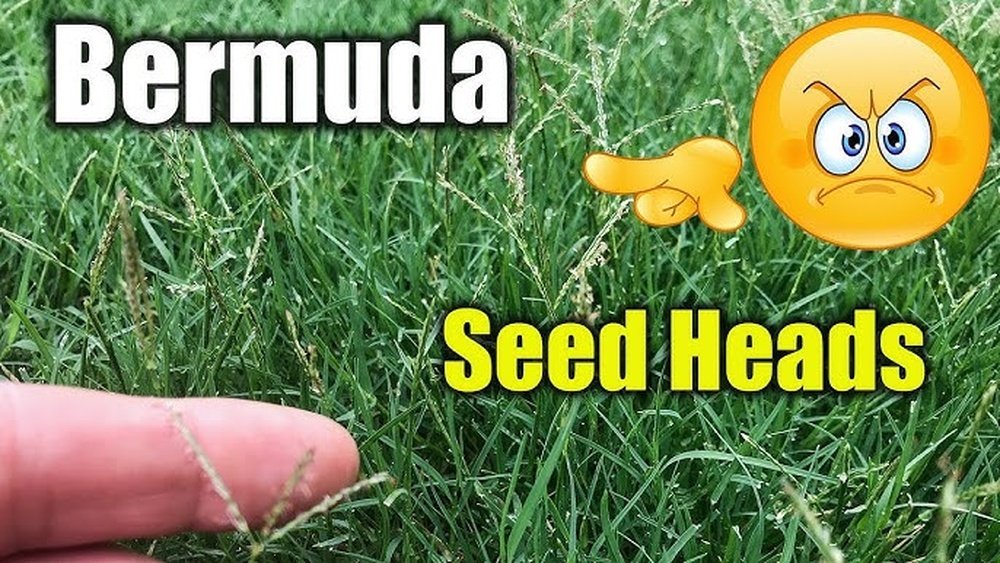
Bermuda grass grows wild in warm climates. Find seeds on the grass heads when they dry. These seed heads look like small spikes on top of the grass. Seeds drop to the ground under mature plants. Check fields, roadsides, or parks with Bermuda grass. Collect seeds carefully without damaging the plants. Natural seeds may need cleaning before planting. They can contain debris or other seeds. Collect during late summer or early fall for best results.
Credit: www.johnstonseed.com
Tips For Identifying Quality Seeds
Choosing the right Bermuda grass seeds affects your lawn’s health and appearance. Quality seeds grow stronger and resist disease better. Knowing how to spot good seeds saves money and effort. Here are some tips to identify quality Bermuda grass seeds.
Signs Of Healthy Seeds
Healthy Bermuda grass seeds look plump and firm. They have a smooth surface without cracks or holes. The color usually ranges from light tan to dark brown. Seeds should feel heavy for their size, not light or hollow. Avoid seeds that crumble easily between your fingers. Fresh seeds have a mild, earthy smell. A batch with many broken seeds means poor quality.
Avoiding Poor-quality Seeds
Never buy seeds that look shriveled or dry. Seeds with spots or mold may not grow well. Avoid seeds mixed with dirt, dust, or debris. These reduce germination rates and can carry pests. Check the packaging date; older seeds lose vitality. Seeds stored in humid or hot places lose their strength. Choose seeds from a trusted supplier with clear labeling.
Germination And Growth Clues
Understanding the germination and growth clues of Bermuda grass seeds helps in identifying healthy seedlings. These clues show how well the seeds sprout and how the grass starts to grow. Watching these early signs gives a good idea of the future lawn’s health and strength.
Early Seedling Appearance
Bermuda grass seedlings start as tiny shoots. They are thin and light green. The first leaves are narrow and pointed. Seedlings grow quickly within a few days. You may notice a slight fuzz on the young plants. This fuzz helps protect the delicate shoots.
Growth Patterns Unique To Bermuda Grass
Bermuda grass spreads fast by sending out runners called stolons. These runners root at nodes and create new plants. The grass also grows underground stems called rhizomes. This helps the grass fill bare spots quickly. The growth forms a dense, thick carpet of grass over time.
Credit: mbsseed.com

Credit: www.youtube.com
Frequently Asked Questions
What Size Are Bermuda Grass Seeds Typically?
Bermuda grass seeds are very small, usually about 1 to 2 millimeters long. They resemble tiny, elongated grains and are light brown or tan in color.
How Can I Identify Bermuda Grass Seeds Visually?
Bermuda grass seeds are slender and pointed at one end. They have a smooth surface and a tan to light brown shade, making them distinct from other grass seeds.
Are Bermuda Grass Seeds Easy To Distinguish From Other Grass Seeds?
Yes, Bermuda seeds are smaller and more elongated compared to many grass seeds. Their unique size and color help in quick identification.
What Texture Do Bermuda Grass Seeds Have?
Bermuda grass seeds have a smooth, firm texture. They are dry and lightweight, which aids in easy spreading during planting.
Conclusion
Bermuda grass seeds are small and easy to spot once you know what to look for. They have a smooth, oval shape and a light brown color. Understanding their appearance helps you plant and grow healthy grass. Keep seeds dry and store them properly for best results.
With this knowledge, you can care for your lawn better. Growing Bermuda grass becomes simple and rewarding. Now, you can enjoy a green, lush yard all year round.
