
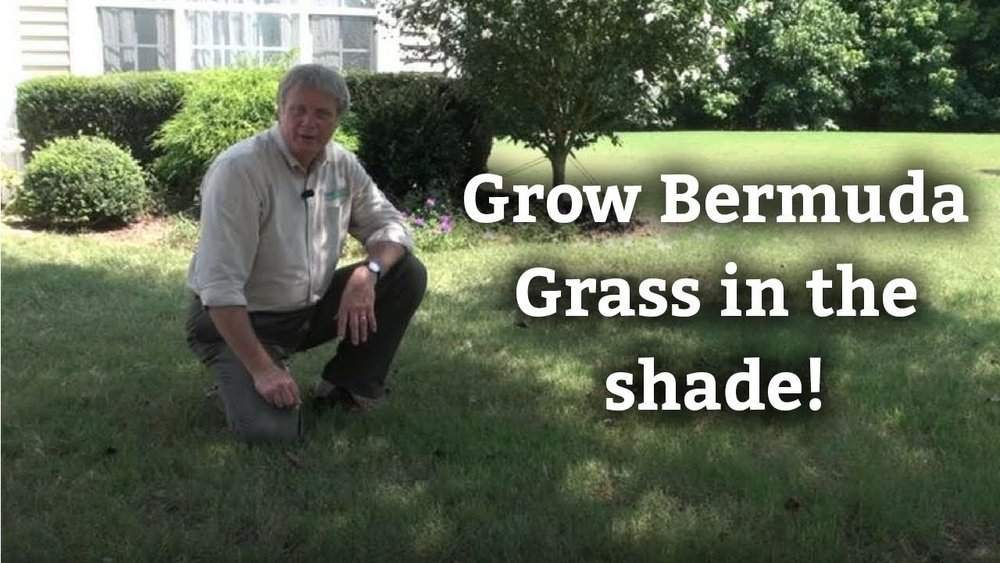
Bermuda grass prefers full sun and generally struggles in shaded areas, requiring at least 6 to 8 hours of direct sunlight daily. While it can survive light shade, growth will be slower and thinner, and the lawn may develop weak spots and patches without adequate light.
Are you struggling to keep your Bermuda grass healthy in shady spots? You’re not alone.
Bermuda grass is known for its love of sunlight, but what happens when your yard has areas covered by shade? If you’ve been wondering whether Bermuda grass can grow well in shade and how to make it thrive, this article is for you.
Keep reading to discover the truth about Bermuda grass in shade and learn simple tips to help your lawn stay green and strong, no matter the light conditions.
Bermuda Grass Basics
Bermuda grass is a popular choice for lawns and sports fields. It grows fast and looks green and healthy most of the year. This grass type has unique traits that make it different from others. Understanding these basics helps decide if Bermuda grass suits your yard.
Knowing its needs and habits can save time and effort. It also helps in managing the lawn better. Let’s explore the key growth traits and preferred climate of Bermuda grass.
Key Growth Traits
Bermuda grass spreads quickly through runners and seeds. It forms a thick, dense lawn that resists wear. This grass thrives with regular mowing and watering. It recovers fast from damage or heavy foot traffic. Bermuda grass prefers full sun and struggles in deep shade. It has a fine texture and bright green color. The grass enters dormancy and turns brown in cold weather.
Preferred Climate
Bermuda grass grows best in warm climates. It loves temperatures between 75 and 95 degrees Fahrenheit. It handles heat and drought better than many grasses. This grass does well in southern states and tropical areas. It does not grow well in very cold places. Frost and freezing temperatures can kill Bermuda grass. It needs plenty of sunlight to stay green and healthy.

Credit: www.youtube.com
Shade Impact On Growth
Bermuda grass grows best in full sunlight. Shade changes how well it grows and spreads. Less light means slower growth and thinner grass. Shade can also cause patches and weak spots in the lawn.
Understanding how shade affects Bermuda grass helps in caring for your lawn. It also shows what to expect under trees or near buildings.
Light Requirements
Bermuda grass needs at least 6 to 8 hours of direct sunlight daily. Sunlight helps it produce food through photosynthesis. Without enough light, the grass cannot grow thick or strong. Shade reduces the energy the grass gets. It causes slower growth and less green color.
Common Shade Problems
Shade causes thin, weak grass in many lawns. Patches of Bermuda grass may die or stop growing. Shade also encourages weeds that grow better without much light. Fungi and diseases may appear more in shaded areas. The soil stays moist longer, which harms Bermuda grass roots. These problems make the lawn look unhealthy and uneven.
Types Of Bermuda Grass For Shade
Bermuda grass is known for its love of sunlight. It grows best in full sun. Yet, some types handle shade better than others. Choosing the right type is key for shaded lawns. Some varieties grow slower but stay green under trees. Understanding these types helps you pick the best grass for shade.
Shade-tolerant Bermuda grasses have traits that help them survive less light. They spread well and resist diseases in shady spots. Not all Bermuda grasses fit every shaded area. Knowing which type suits your lawn size and shade level matters.
Shade-tolerant Varieties
Some Bermuda grass types tolerate shade better than others. TifGrand and TifTuf are popular shade-tolerant varieties. They keep a green color in low light. These grasses grow slower but stay healthy. They handle shade from trees or buildings well. Choosing these types helps maintain a lush lawn in shade.
Selecting The Right Seed
Selecting seed suited for shade is important. Look for seeds labeled as shade-tolerant Bermuda grass. These seeds produce grass that handles less sun. Use fresh seed for better growth. Plant seed in early spring for best results. Proper watering and care improve seed success in shade.
Improving Growth In Shaded Areas
Growing Bermuda grass in shaded areas can be challenging. It needs plenty of sunlight to thrive. Improving growth in these spots takes effort and smart care. Small changes can help your lawn get more light and nutrients. This leads to healthier, greener grass even in shade.
Pruning Trees And Shrubs
Trim branches that block sunlight from reaching the grass. Cut back low-hanging limbs and dense shrubs. This opens the area and lets more light through. Regular pruning also improves air flow. Better air circulation reduces moisture and stops fungus. Prune during the growing season to avoid stress on plants.
Soil Preparation Tips
Good soil helps Bermuda grass grow stronger. Start by removing debris and dead plants. Loosen compacted soil with a rake or aerator. Mix in organic matter like compost for nutrients and drainage. Test soil pH and adjust if needed. Bermuda grass prefers slightly acidic to neutral soil. Water the soil deeply but not too often to encourage deep roots.
Maintenance Practices
Bermuda grass can grow in shaded areas but needs special care. Proper maintenance helps it stay healthy and green. Adjusting watering, fertilizing, and mowing can improve its growth in less sunlight. These practices support Bermuda grass to survive and thrive under shade.
Watering Strategies
Bermuda grass in shade usually needs less water than in full sun. Water deeply but less often to encourage strong roots. Early morning watering reduces disease risk. Avoid overwatering, which can cause fungus and weak grass.
Fertilizing For Shade
Shade reduces Bermuda grass’s ability to make food. Use a balanced fertilizer with more nitrogen to boost growth. Apply fertilizer carefully, following label instructions. Too much fertilizer can harm the grass and soil.
Mowing Guidelines
Keep Bermuda grass a bit taller in shaded areas. Taller blades catch more sunlight and protect roots. Use sharp mower blades for clean cuts. Avoid cutting more than one-third of the grass height at once.

Credit: www.augustachronicle.com
Alternatives To Bermuda Grass
Bermuda grass struggles in shaded areas. It needs lots of sunlight to grow well. Many homeowners want green lawns but have shady spots. Choosing the right plant is key for these areas. Several alternatives thrive without full sun. These options keep your lawn healthy and green.
Grass Types For Deep Shade
Some grasses grow better in shade than Bermuda. Fine fescue is a good choice. It tolerates shade and stays green in cool weather. St. Augustine grass also does well in shade. It has broad leaves and grows thick. Zoysia grass can handle partial shade too. These grasses need less sun and still look good.
Groundcover Options
Groundcovers work well where grass fails. They cover soil and stop weeds. Creeping thyme is a popular groundcover. It grows low and spreads fast. English ivy thrives in shade and stays green. Pachysandra is another option for shady spots. These plants add color and texture to your yard.

Credit: www.augustachronicle.com
Frequently Asked Questions
Does Bermuda Grass Grow Well In Shaded Areas?
Bermuda grass prefers full sun but can tolerate light shade. It grows poorly in dense shade and becomes thin and weak under heavy tree cover.
How Much Sunlight Does Bermuda Grass Need Daily?
Bermuda grass requires at least 6 to 8 hours of direct sunlight daily for healthy growth. Less sunlight leads to poor growth and thinning.
Can Bermuda Grass Survive Under Trees Or Patios?
Bermuda grass struggles under dense tree canopies or patios due to limited sunlight and root competition. It is not ideal for heavily shaded spots.
What Are Alternatives If Bermuda Grass Won’t Grow In Shade?
For shaded areas, consider shade-tolerant grasses like St. Augustine or Zoysia. These grasses perform better in low-light conditions than Bermuda grass.
Conclusion
Bermuda grass needs sunlight to grow well. It does not do well in deep shade. Some shade can slow its growth and thin the lawn. You can try trimming trees to let in more light. Choose grasses better suited for shady spots if needed.
Keep watering and mowing regularly to help Bermuda grass stay healthy. A bright, sunny lawn gives the best results for this grass type. Think about your yard’s light before planting Bermuda grass.
