
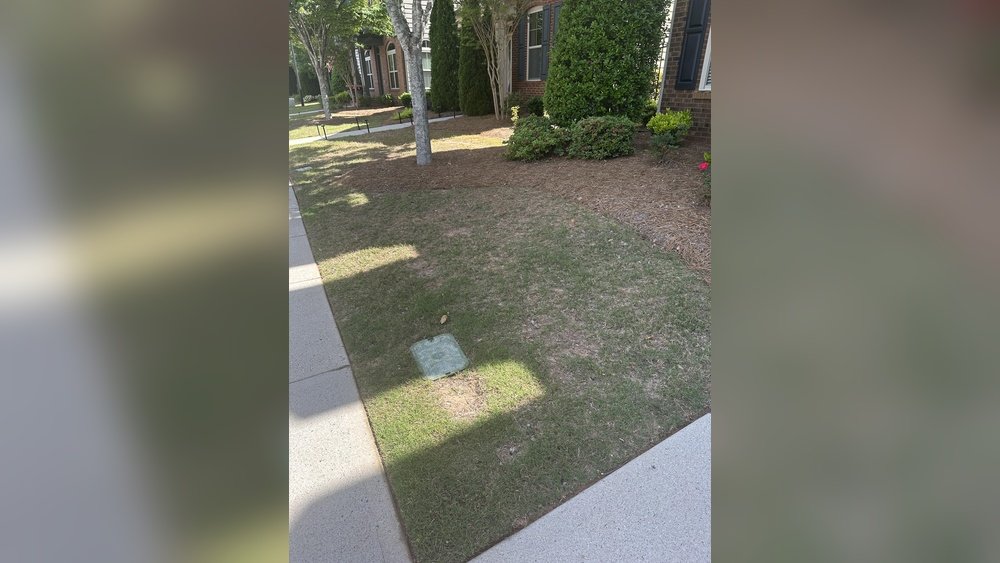
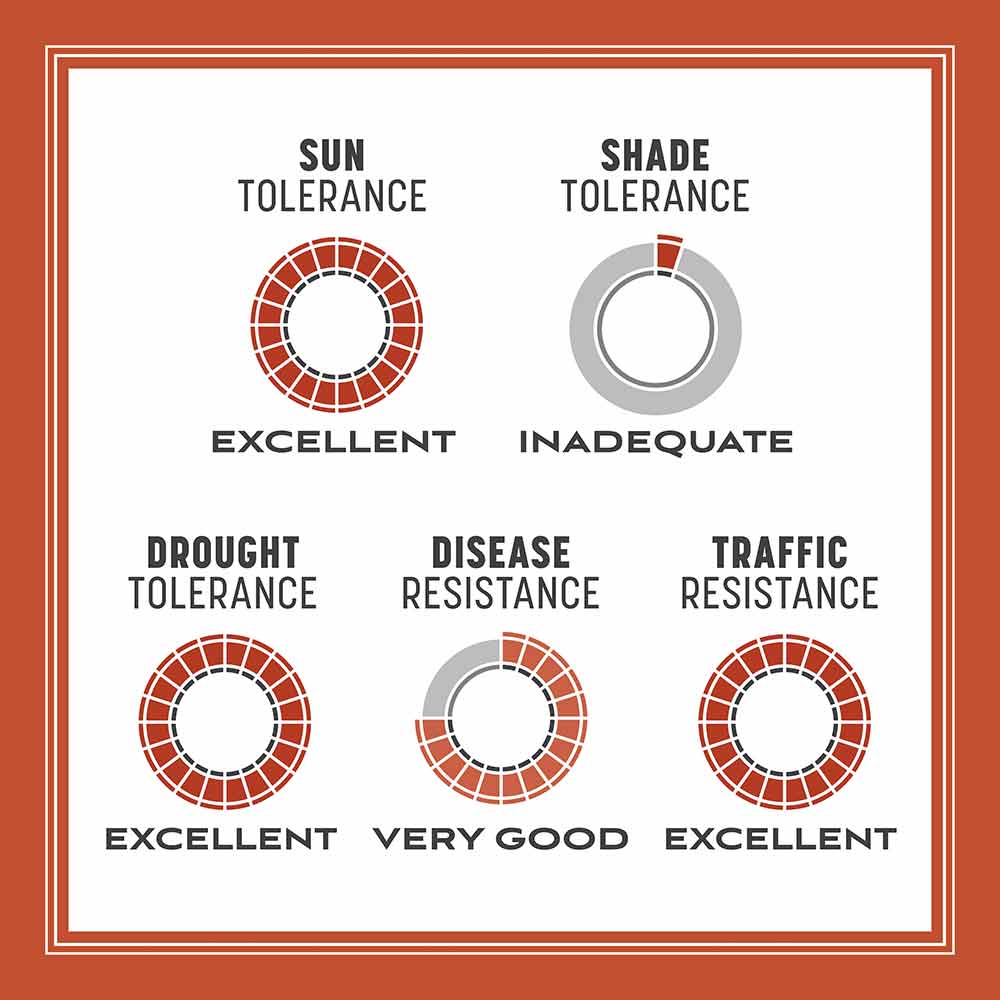
Bermuda grass is not highly shade tolerant and performs best with at least six hours of direct sunlight daily. While it can handle light shade briefly, too much shade leads to thin, weak growth and bare patches. For consistently shady areas, other grass types may be a better choice.
Are you struggling to keep your lawn green and healthy in shady spots? You might be wondering if Bermuda grass, known for its tough, lush growth, can survive in the shade.
Understanding whether Bermuda grass is shade tolerant can save you time, money, and frustration. You’ll discover the truth about Bermuda grass and shade, plus practical tips to help your lawn thrive no matter the light conditions. Keep reading to find out how to make the best choice for your yard.
Credit: www.pennington.com
Bermuda Grass Basics
Bermuda grass is a popular choice for many lawns and sports fields. It is known for its durability and ability to handle heat well. Understanding its basics can help you decide if it suits your yard or project.
This grass type grows fast and spreads widely. It thrives in warm climates and recovers quickly from damage. These traits make it a strong option for busy areas.
Characteristics And Growth Habits
Bermuda grass has fine to medium texture leaves. It grows low and forms a thick carpet. The grass spreads through underground stems called rhizomes. Above ground, it sends out runners called stolons. These help the grass cover large areas fast. It prefers full sun and warmth. It can survive drought but needs regular watering for best growth. The grass goes dormant and turns brown in cold weather.
Common Uses In Lawns And Sports Fields
Bermuda grass is often used in home lawns for its tough nature. It stands up well to foot traffic and mowing. Many sports fields rely on Bermuda grass for its quick recovery. It provides a smooth, dense surface for playing. Golf courses also use it on fairways and tees. Its ability to handle heat and wear makes it ideal for outdoor activities.
Shade Tolerance Levels
Shade tolerance levels matter a lot for growing healthy Bermuda grass. This grass prefers full sun but can handle some shade. Knowing how it reacts to shade helps you decide if it fits your yard.
How Bermuda Grass Responds To Shade
Bermuda grass grows best in direct sunlight. It needs at least six hours of sun daily. In shade, it grows slower and looks thin. Shade makes Bermuda grass weak and less green. Too much shade can cause bare spots. It does not spread well in dark areas. Light shade for a few hours is okay. But deep shade is not good for this grass.
Comparison With Other Grass Types
Bermuda grass is less shade tolerant than some grasses. Zoysia and St. Augustine grass handle shade better. They stay green and grow in low light. Fescue grass also grows well in shade. Bermuda grass needs more sun than these types. Choose grass based on your yard’s sunlight. Bermuda is best for sunny areas. For shady spots, pick grass that prefers shade.
Factors Affecting Shade Tolerance
Shade tolerance in Bermuda grass depends on several key factors. Each factor plays a role in how well the grass grows with limited sunlight. Understanding these can help you manage your lawn better and keep it healthy even in shady spots.
Light Intensity And Duration
Bermuda grass needs plenty of light to grow strong. Low light intensity slows down its growth. If the grass gets less than four hours of direct sunlight daily, it may start to thin out. Longer shade periods reduce the grass’s ability to produce food. This makes the grass weak and patchy over time.
Soil Conditions
Good soil supports Bermuda grass under shade. Well-drained soil prevents water from pooling around roots. Nutrient-rich soil helps the grass stay green and healthy. Poor soil drains slowly and holds too much moisture. This can cause diseases and root damage in shaded areas.
Grass Variety Differences
Not all Bermuda grass types tolerate shade equally. Some varieties handle low light better than others. Hybrid Bermuda grasses often have better shade tolerance. Common types may struggle more in shaded lawns. Choosing the right variety can improve grass survival in shade.
Techniques For Growing Bermuda Grass In Shade
Growing Bermuda grass in shade needs special care and techniques. This grass likes sunlight but can survive in some shade with the right steps. Following these techniques helps Bermuda grass stay green and healthy in less sunny spots.
Selecting Shade-tolerant Varieties
Choose Bermuda grass types that handle shade better. Some varieties grow better with less light. Look for types labeled “shade tolerant” at garden centers. These types keep their color and grow thicker in shaded areas.
Soil Preparation And Fertilization
Prepare the soil well before planting. Remove weeds and loosen the soil for roots to grow. Add organic matter like compost to improve soil quality. Use fertilizer with balanced nutrients to support growth in shade. Fertilize lightly but regularly to keep the grass strong.
Watering Practices
Water Bermuda grass deeply but less often. Shade slows water evaporation, so avoid overwatering. Check soil moisture before watering again. Water early in the morning to reduce disease risk. Proper watering helps roots grow deep and healthy.
Mowing Tips For Shaded Areas
Raise the mower blade higher in shaded spots. Taller grass captures more sunlight and stays healthier. Mow less often to avoid stressing the grass. Keep mower blades sharp to prevent tearing. Proper mowing helps Bermuda grass thrive under trees and shade.
Common Challenges In Shaded Lawns
Shaded lawns face several common problems that affect their health and appearance. Lack of sunlight creates an environment where grass struggles to grow strong. This often leads to issues that make lawn care more difficult. Understanding these challenges helps in managing shaded Bermuda grass better.
Weed Invasion
Weeds grow easily in shaded lawns. They compete with Bermuda grass for nutrients and water. Shade weakens grass, giving weeds a chance to spread fast. Controlling weeds becomes harder as they take root in bare patches. Regular weeding is essential to keep your lawn healthy.
Disease Risks
Shaded areas hold more moisture, which can cause diseases. Bermuda grass in shade is more vulnerable to fungal infections. Diseases like brown patch and dollar spot appear more often. These diseases damage the grass blades and slow growth. Proper airflow and drainage reduce disease risks.
Thin And Patchy Growth
Bermuda grass needs sunlight to grow thick and green. Shade limits photosynthesis, making the grass thin and weak. Patchy areas appear where grass fails to grow well. Thin grass cannot protect soil from erosion or weeds. Regular mowing and fertilizing help improve growth.
Alternatives For Heavily Shaded Areas
Finding the right lawn option for heavily shaded areas can be tough. Bermuda grass struggles in shade and often thins out quickly. Choosing plants that thrive without much sun creates a healthier, fuller yard. Several alternatives work better under tree canopies or near buildings.
These options help maintain green coverage and reduce bare spots. Some grasses grow well with limited sunlight. Others do not need grass at all. Ground covers and mulch also protect soil and add texture. Exploring these choices will improve your shaded lawn space.
Better Grass Choices
Some grasses handle shade much better than Bermuda grass. Fine fescues are a top choice. They grow well in low light and stay green longer. St. Augustine grass also tolerates shade and has wide leaves that capture sunlight well. Zoysia grass can manage moderate shade with good soil care. These grasses need less sun but still like some light. They create a thick, healthy lawn in shade.
Ground Covers And Mulch Options
Ground covers offer color and coverage without grass challenges. Plants like pachysandra, ivy, or creeping myrtle do well in shade. They spread quickly and block weeds. Mulch is another simple option. Organic mulch keeps soil moist and cool. It prevents erosion under trees and around shade plants. Using mulch or ground covers reduces bare spots and keeps your yard neat.
Maintaining Bermuda Grass Under Trees
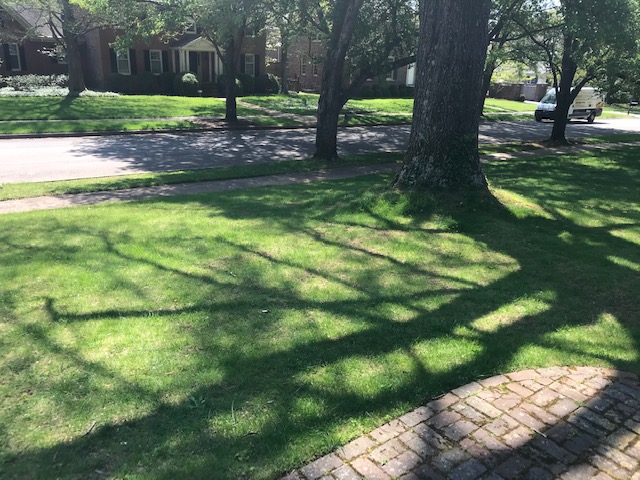
Maintaining Bermuda grass under trees can be a challenge. Trees block sunlight, and their roots compete for water and nutrients. This makes it hard for Bermuda grass to grow thick and green. Careful steps can help the grass survive and stay healthy in shady spots.
Tree Pruning For More Light
Pruning trees lets more sunlight reach the grass below. Cut back low branches and thin out dense areas. This opens the canopy and brightens the ground. More light helps Bermuda grass grow stronger and greener. Trim trees during their dormant season to avoid stress.
Root Competition Management
Tree roots take water and nutrients from the soil. This leaves less for Bermuda grass. Use mulch around tree bases to reduce root spread. Water grass deeply but less often to encourage deep roots. Fertilize Bermuda grass regularly to supply extra nutrients. These steps reduce root competition and support grass growth.

Credit: www.augustachronicle.com
Credit: www.thelawnforum.com
Frequently Asked Questions
Is Bermuda Grass Suitable For Shady Areas?
Bermuda grass prefers full sun and struggles in shade. It requires at least 6-8 hours of direct sunlight daily to thrive. In shaded areas, its growth becomes thin and weak, making it less suitable for dense shade conditions.
How Much Shade Can Bermuda Grass Tolerate?
Bermuda grass tolerates light to moderate shade, about 20-30% shade coverage. Beyond this, its growth diminishes, and the lawn may become patchy. For best results, Bermuda grass should be planted in areas with plenty of sunlight.
What Are Alternatives To Bermuda Grass For Shade?
For shady lawns, consider St. Augustine, Zoysia, or Fescue grasses. These varieties handle shade better than Bermuda grass. Choosing shade-tolerant grasses ensures a healthier, fuller lawn in low-light conditions.
Can Bermuda Grass Recover From Shade Stress?
Bermuda grass can recover from brief shade stress if sunlight returns. However, prolonged shade weakens it, making recovery difficult. Proper lawn care and increased sunlight exposure improve its chances of bouncing back.
Conclusion
Bermuda grass grows best in sunny places with plenty of light. It does not do well in deep shade. Some shade is okay, but too much will make it weak. To keep Bermuda grass healthy, plant it where the sun shines most.
Choose other grass types for shady spots. Knowing this helps you keep your lawn green and strong all year. Simple care and the right grass choice make a big difference.
