
If you own a horse or care for one, you probably want to know what’s best for its health and diet. You might be wondering, can horses eat Bermuda grass?
This question matters because what your horse eats affects its energy, digestion, and overall well-being. You’ll discover the truth about Bermuda grass and whether it’s a safe and nutritious option for your horse. Keep reading to make sure you’re giving your horse the best care possible.

Credit: thehorse.com
Bermuda Grass Basics
Bermuda grass is a popular choice for many horse owners. It grows well in warm climates and can handle heavy grazing. Understanding its basics helps you decide if it suits your horse’s diet.
This section covers the origin, growth, and nutritional profile of Bermuda grass. Knowing these facts helps keep your horse healthy and happy.
Origin And Growth
Bermuda grass comes from Africa. It spread to the southern United States and other warm areas. This grass grows fast and spreads easily through runners.
It thrives in sandy or clay soils with good sunlight. Bermuda grass can survive droughts better than many other grasses. It stays green most of the year in warm climates.
Nutritional Profile
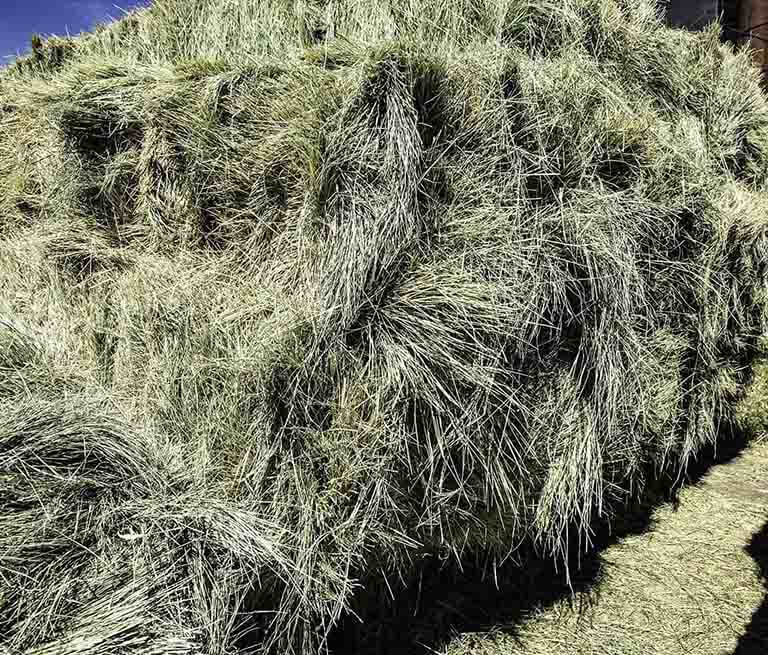
Bermuda grass offers good fiber and energy for horses. It has moderate protein levels, enough for adult horses at maintenance. Young or working horses may need extra protein sources.
The grass is low in sugar and starch. This makes it a safer option for horses with metabolic issues. Bermuda grass also contains important minerals like calcium and potassium.
Its digestible fiber supports healthy digestion and gut function. Regular grazing on Bermuda grass can keep horses fit and satisfied.
Credit: conwayfeed.com
Horses And Bermuda Grass
Horses often graze on different types of grass. Bermuda grass is one common option in many pastures. It grows well in warm climates and can handle heavy use. Understanding how Bermuda grass fits into a horse’s diet helps keep them healthy and happy.
Not all grasses provide the same nutrition or safety. Some may cause digestive issues or lack important nutrients. Knowing the qualities of Bermuda grass helps horse owners make smart feeding choices.
Suitability For Equine Diets
Bermuda grass is generally safe for horses to eat. It contains good fiber that aids digestion. The grass is low in sugar, which helps prevent problems like colic or laminitis. It grows thick and dense, providing steady forage for grazing horses.
Young Bermuda grass is softer and easier to chew. Older grass can become tough and less digestible. Horses may prefer fresh, green shoots. Overgrazing should be avoided to keep the grass healthy and nutritious.
Benefits Of Feeding Bermuda Grass
Bermuda grass supports weight maintenance in horses. Its fiber helps keep the gut working well. The grass also offers moderate protein levels, which support muscle health. It grows year-round in warm areas, providing reliable feed.
This grass resists drought and recovers quickly after grazing. It reduces the need for extra hay or supplements. Horses enjoy grazing on it, which encourages natural eating behavior. Bermuda grass pastures can also reduce mud and erosion, creating a cleaner environment.
Potential Risks
Bermuda grass is a common choice for horse pastures. It grows well in warm climates and provides good grazing. Despite its popularity, some risks come with feeding horses Bermuda grass. Understanding these risks helps keep horses healthy and safe.
Potential problems mainly involve digestion and possible allergic reactions. Careful observation and proper management are key to avoiding these issues.
Digestive Concerns
Bermuda grass is high in fiber but low in sugar. This balance usually supports good digestion. Still, sudden changes to a horse’s diet can cause stomach upset. Horses may get colic or diarrhea if they eat too much too fast. Overgrazing on Bermuda grass can lead to weight loss or poor nutrition. Some horses might not get enough nutrients from Bermuda grass alone. Mixing with other forage helps provide a balanced diet.
Toxicity And Allergies
Bermuda grass is not known to be toxic to horses. It rarely causes poisoning or serious illness. Few horses show allergic reactions to this grass. Signs may include itching, swelling, or breathing problems. These symptoms need quick attention from a vet. Grass allergies are uncommon but possible. Always watch for unusual behavior or health changes in your horse.
Feeding Tips
Feeding horses Bermuda grass requires careful attention to their diet. Proper feeding helps keep horses healthy and happy. It also makes sure they get the right nutrients without problems.
Use smart feeding tips to get the best from Bermuda grass. These tips help balance the horse’s nutrition and avoid issues like colic or poor digestion.
Proper Grazing Practices
Let horses graze Bermuda grass in short sessions. Avoid letting them eat too much at once. Overgrazing can cause stomach upset or weight gain. Rotate pastures to keep grass fresh and healthy. This also prevents the grass from becoming overused and weak.
Check the grass for weeds or mold. Remove any harmful plants before grazing. Provide clean water nearby for the horses to drink. Water helps digestion and keeps horses hydrated.
Balancing With Other Forages
Bermuda grass should not be the only feed. Mix it with hay or other grasses. This offers a variety of nutrients and fiber. Different forages support better digestion and health.
Use high-quality hay to add protein and vitamins. Alfalfa is a good choice for extra nutrients. Feed small amounts of grain if needed, but not too much. This balance helps horses grow strong and stay active.
Seasonal Considerations
Seasonal changes affect Bermuda grass and its suitability for horses. The grass grows and changes nutrients with the seasons. Horse owners need to watch these changes closely. Feeding plans should match the season to keep horses healthy and happy.
Growth Cycles And Nutrient Changes
Bermuda grass grows fast in warm weather and slows in cold months. During spring and summer, it is lush and full of nutrients. This makes it a good food source for horses. In fall and winter, growth slows and nutrient levels drop. The grass becomes tougher and less tasty. These shifts change how much energy and nutrition horses get from it.
Adjusting Feeding Based On Season
Feeding horses Bermuda grass requires season-based changes. In spring and summer, horses may eat more fresh grass. This reduces the need for extra feed. In colder months, grass quality falls. Owners should add hay or grain to keep nutrition balanced. Checking the grass condition often helps decide how to adjust meals. Proper feeding keeps horses strong all year.
Monitoring Horse Health
Monitoring your horse’s health is key when feeding Bermuda grass. This grass can be a good food source, but watching your horse closely keeps problems away. Regular checks help catch any issues early. Healthy horses show normal behavior and strong energy. Changes in eating habits or mood can signal trouble.
Signs Of Digestive Issues
Watch for signs like belly pain or bloating. A horse that stops eating or chews slowly might have a problem. Look for unusual drooling or coughing. Diarrhea or hard stools can mean digestion is off. Frequent pawing or rolling on the ground can be a pain sign. Keep an eye on weight loss or a dull coat too.
When To Consult A Vet
Contact a vet if your horse shows any serious signs. Sudden refusal to eat or drink needs fast action. Call a vet if your horse has trouble breathing. Long-lasting diarrhea or constipation is a concern. If your horse seems weak or very tired, seek help. Early vet care can prevent bigger health problems.
Alternatives To Bermuda Grass
Finding alternatives to Bermuda grass can help keep horses healthy and happy. Some grasses suit horses better than others. Choosing the right grass depends on your climate, soil, and your horse’s needs.
Other Suitable Grasses
Timothy grass is popular for horses. It is soft and easy to digest. Orchard grass grows well in many places. It provides good nutrition and is gentle on the stomach. Kentucky bluegrass is another option. It grows thick and holds up well to grazing. These grasses offer good fiber and energy for horses.
Choosing The Right Pasture Mix
A mix of grasses often works best. Combining different types creates a balanced diet. It also protects the pasture from damage. Look for grasses that grow in your area. Check which grasses your horse prefers. Rotate grazing areas to let grass recover. Good pasture management keeps grass healthy and horses satisfied.

Credit: www.lasvegashorseranch.com
Frequently Asked Questions
Can Horses Safely Eat Bermuda Grass Daily?
Yes, horses can eat Bermuda grass daily. It is nutritious and digestible. However, ensure it is free from molds and pesticides for safety.
Is Bermuda Grass Good For Horse Digestion?
Bermuda grass is good for horse digestion. It has moderate fiber content, aiding healthy gut function. Fresh, clean Bermuda grass supports digestive health.
How Does Bermuda Grass Compare To Other Horse Grasses?
Bermuda grass is drought-resistant and nutrient-rich. It offers balanced energy and protein levels, similar to Timothy and Orchard grass, but thrives in warm climates.
Can Bermuda Grass Cause Allergies In Horses?
Bermuda grass rarely causes allergies. Some horses may react if sensitive to grass pollens. Monitor your horse for any signs of irritation or discomfort.
Conclusion
Bermuda grass can be a good choice for horses to eat. It is nutritious and grows well in many places. Still, watch how much your horse eats to avoid stomach problems. Make sure the grass is fresh and free from weeds or chemicals.
Always provide clean water alongside the grass. Mixing Bermuda grass with other feeds helps keep your horse healthy. Good care and attention make a big difference. Your horse will enjoy tasty and safe grazing this way. Simple steps keep your horse happy and strong.
