
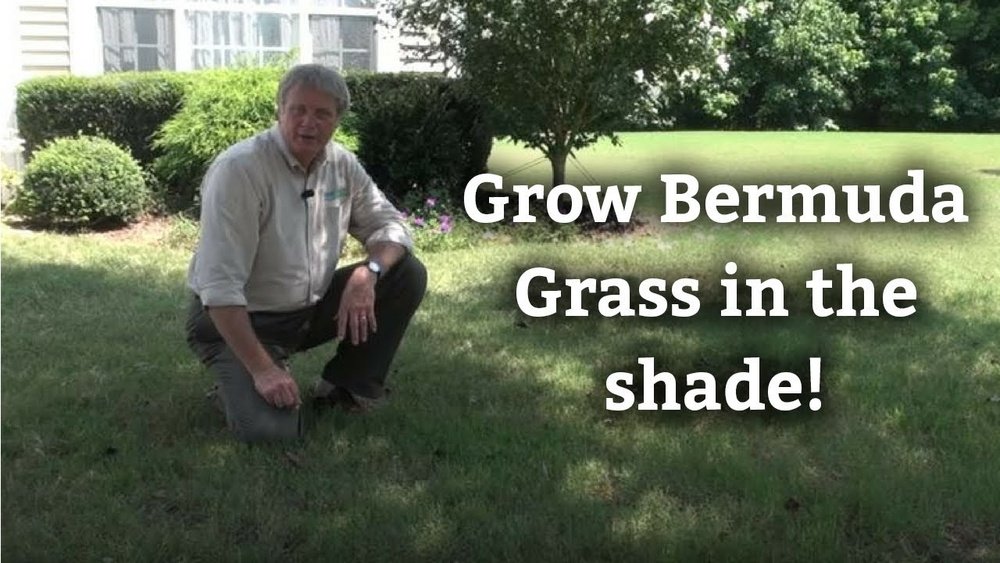
Bermuda grass struggles to grow well in shaded areas because it needs at least six hours of direct sunlight daily. In low light, it becomes thin, weak, and patchy. While it can tolerate some shade, it’s best suited for sunny spots, and other grass types may perform better in heavily shaded lawns.
Are you struggling to keep your lawn green and healthy in shady spots? You might be wondering if Bermuda grass can grow well in the shade.
Bermuda grass is known for its tough, sun-loving nature, but what happens when sunlight is limited? If you want a lush lawn without bare patches under your trees or near your house, understanding how Bermuda grass behaves in the shade is key.
Keep reading to discover whether Bermuda grass is right for your shady areas and what you can do to make your lawn thrive no matter the light.

Credit: www.augustachronicle.com
Bermuda Grass Basics
Bermuda grass is a popular choice for many lawns and sports fields. It is known for its tough nature and quick growth. This grass can handle heat and drought well. It has a fine texture and a bright green color. Understanding Bermuda grass basics helps decide if it suits your yard.
This grass spreads fast through runners and seeds. It creates a thick, dense lawn that can crowd out weeds. It grows best in warm climates and sunny spots. But what about shade? Knowing its needs is key to success.
Ideal Growing Conditions
Bermuda grass thrives in full sun. It needs at least 6 to 8 hours of direct sunlight daily. Warm temperatures between 75°F and 95°F help it grow fast. It prefers well-drained soil with a pH of 5.8 to 7.0. This grass does not grow well in heavy shade. Too much shade causes thin, weak growth and patchy lawn.
Common Uses And Benefits
This grass is often used for lawns, parks, and sports fields. Its durability makes it ideal for heavy foot traffic. It recovers quickly from damage and wear. Bermuda grass also controls soil erosion well. It uses water efficiently, saving irrigation costs. Its lush green look improves outdoor spaces’ appearance.

Credit: www.youtube.com
Shade Tolerance Of Bermuda Grass
Bermuda grass is popular for warm climates and sunny lawns. It grows fast and feels soft underfoot. But many wonder about its ability to grow in shade. Understanding Bermuda grass’s shade tolerance helps to decide if it suits shaded areas.
This grass prefers full sun to thrive. It needs at least six hours of direct sunlight daily. Shade slows its growth and weakens the grass. Still, some shade tolerance exists, depending on the grass type and shade amount.
Effects Of Shade On Growth
Shade reduces Bermuda grass’s photosynthesis process. Less sunlight means less energy for growth. The grass grows thinner and weaker under shade. It also becomes more prone to diseases. Thin patches and bare spots often appear in shaded areas. The grass may struggle to spread and cover the soil fully.
Shade also changes the grass color. Bermuda grass turns pale or yellow in low light. The roots grow less deep and less dense. Water and nutrient absorption decrease. The grass may need extra care in shaded spots.
Comparison With Other Grass Types
Bermuda grass tolerates shade less than many cool-season grasses. Fine fescue and St. Augustine grass handle shade better. They keep their green color and density in low light. Zoysia grass also shows better shade tolerance than Bermuda. For mostly shaded lawns, these grasses are often better choices.
Bermuda grass performs best in sunny areas. Its shade tolerance ranks low compared to some alternatives. Choosing the right grass depends on the lawn’s light conditions. Proper care can improve Bermuda grass’s health in partial shade.
Challenges Of Growing In Shade
Growing Bermuda grass in the shade brings several challenges. This grass thrives best in full sun. Shade limits its growth and health. Understanding these challenges helps in better lawn care.
Reduced Photosynthesis
Bermuda grass needs sunlight to make food. Shade blocks sunlight, lowering photosynthesis. Less energy means slower growth and weak grass. The grass cannot produce enough nutrients to stay green and strong.
Increased Disease Risks
Shade creates moist and cool conditions. These conditions help fungi and bacteria grow. Bermuda grass in shade often faces more diseases. These diseases damage the grass and make it unhealthy.
Thinning And Bare Spots
Limited light causes Bermuda grass to thin out. Thin grass cannot cover the soil well. Bare spots appear where grass dies off. These spots invite weeds and make the lawn look bad.
Strategies For Shade Growth
Growing Bermuda grass in shade needs special care. The grass prefers sun but can survive in less light. You can help it grow better with smart strategies. These methods improve growth and keep the lawn green and healthy.
Selecting Shade-tolerant Varieties
Choose Bermuda grass types that tolerate shade better. Some varieties have traits that help them grow with less sun. Look for types labeled as shade-tolerant. These grasses have thinner blades and grow slower. They survive better under trees and near buildings.
Optimizing Light Exposure
Clear objects blocking sunlight near your lawn. Trim tree branches to let in more light. Position the grass where it gets morning sun. Morning sun is less harsh and good for growth. Avoid planting Bermuda grass in deep, dark shade. Even a little sun helps the grass stay green.
Soil And Water Management
Use soil that drains well but holds moisture. Test soil pH and keep it between 6 and 7. Water deeply but less often to encourage roots. Avoid watering too much to stop root rot. Fertilize the soil with nitrogen to support growth. Healthy soil helps Bermuda grass handle shade better.
Maintenance Tips For Shady Lawns
Maintaining Bermuda grass in shady areas needs special care. Shade reduces sunlight, which affects grass growth. Proper maintenance helps keep the lawn healthy and green despite less light. Focus on mowing, fertilization, and pest control to support shaded Bermuda grass.
Mowing Practices
Keep mower blades sharp for clean cuts. Mow less often but avoid cutting too short. Set mower height higher than usual to protect grass blades. Taller grass captures more sunlight and stays stronger in shade. Remove grass clippings to prevent disease and allow air flow.
Fertilization Guidelines
Use a balanced fertilizer with nitrogen to promote green growth. Fertilize in early spring and late summer for best results. Avoid over-fertilizing as it can harm grass in shade. Apply fertilizer evenly and water lightly after application. Monitor soil health to adjust fertilizer needs.
Pest And Disease Control
Check the lawn regularly for signs of pests or disease. Shade can increase humidity, encouraging fungi and insects. Treat problems early with proper pesticides or natural remedies. Improve air circulation by pruning nearby plants. Remove dead grass and debris to reduce pests.

Credit: www.augustachronicle.com
Alternatives For Shady Areas
Growing Bermuda grass in shaded spots is tough. Bermuda needs lots of sun to stay green and healthy. For shady places, choosing other plants is smarter. These plants do better with less light. They keep your yard green and nice even under trees or near buildings.
Here are some good choices for shady areas. They fit well and need less sun than Bermuda grass.
Shade-loving Grass Options
Some grasses grow well in shade. St. Augustine grass is one. It handles shade better and looks good. Zoysia grass is another choice. It grows slowly but stays green in low light. Fine fescues also do well. These grasses need less sun and resist weeds. They keep your lawn alive and soft under trees or in shadowed spots.
Ground Covers And Mulch
Ground covers are plants that spread over soil. They work well where grass struggles. Ivy and pachysandra are popular choices. These plants cover the ground and stop weeds. Mulch is another good option. It protects soil and keeps moisture in. Mulch also looks neat around trees and plants. Using ground covers or mulch can save effort and make shady areas look nice.
Frequently Asked Questions
Can Bermuda Grass Survive In Shaded Areas?
Bermuda grass prefers full sunlight but can tolerate light shade. However, dense shade reduces its growth and health significantly. It thrives best with at least 6-8 hours of direct sunlight daily.
How Much Shade Can Bermuda Grass Handle?
Bermuda grass can handle up to 30% shade without major issues. More than that, its growth slows, and the grass thins out. For dense shade, consider alternative grass types better suited to low light.
What Are The Signs Of Bermuda Grass Struggling In Shade?
Bermuda grass in shade often appears thin, patchy, and discolored. Growth slows, and weeds may invade shaded patches. These signs indicate insufficient sunlight and poor turf health.
Can Pruning Trees Improve Bermuda Grass Growth In Shade?
Yes, pruning trees increases sunlight penetration, improving Bermuda grass growth. Removing lower branches and thinning the canopy helps the grass get more light. This supports healthier, denser turf in shaded areas.
Conclusion
Bermuda grass grows best in full sun but can survive some shade. It needs at least four to six hours of sunlight daily. Shade reduces its growth and makes it thin. For shaded areas, consider mixing Bermuda with shade-tolerant grass types.
Water and fertilize properly to help it stay healthy. Regular mowing also supports strong growth. Understanding these tips helps keep your lawn green and lush. Keep in mind, patience is key for shaded Bermuda grass to thrive.
