

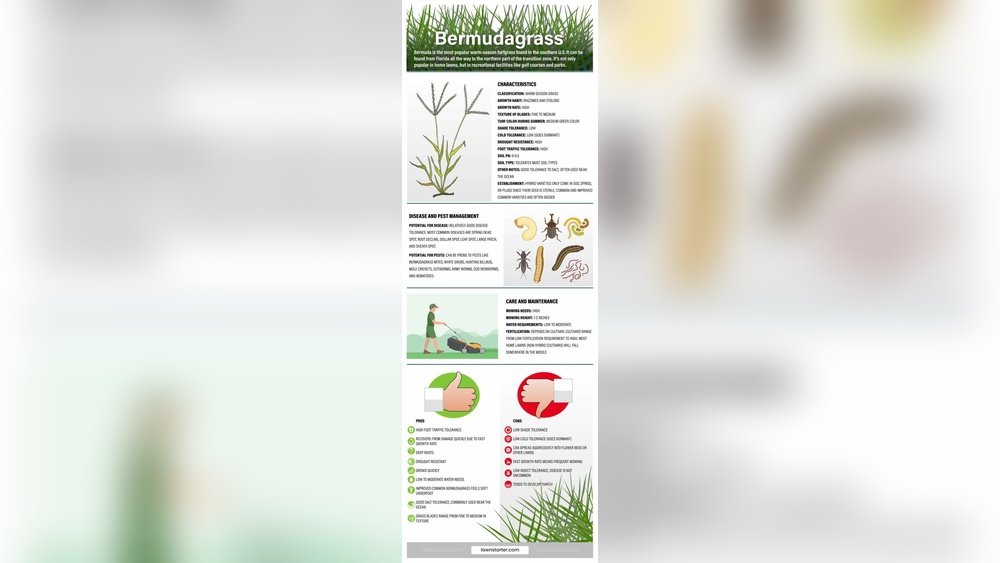
If you want a lush, green lawn that stands out in your neighborhood, caring for Bermuda grass is key. But how do you keep it healthy and vibrant without spending all your time and energy on it?
You’re about to discover simple, effective steps that make Bermuda grass thrive, even if you’re new to lawn care. By following these tips, you’ll enjoy a yard that looks great and feels soft under your feet. Keep reading to learn exactly what your Bermuda grass needs to stay strong and beautiful all year round.
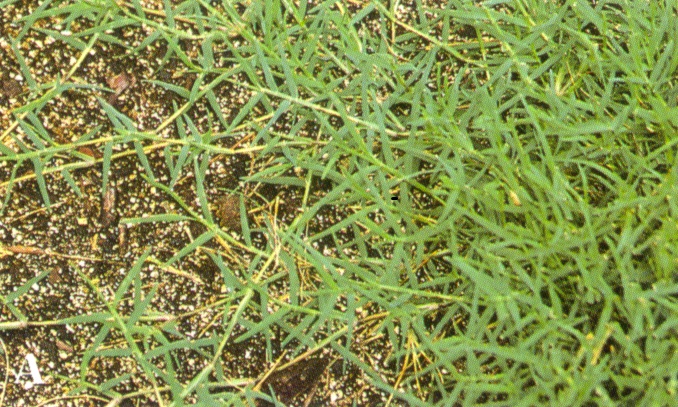
Credit: hgic.clemson.edu
Choosing The Right Bermuda Grass
Choosing the right Bermuda grass is key to a healthy lawn. Different types suit different needs and environments. Picking the right variety saves time and effort later. Consider your climate, soil, and how you use your lawn.
Common Bermuda Varieties
Bermuda grass comes in many varieties. Common types include Common Bermuda, Tifway, and TifTuf. Common Bermuda grows fast and is good for large areas. Tifway is denser and more durable, great for sports fields. TifTuf uses less water and stays green longer. Choose based on your lawn’s use and look.
Climate Considerations
Bermuda grass thrives in warm climates. It grows best in areas with hot summers and mild winters. Cold weather can damage some types. Some varieties handle drought better than others. Know your local climate before planting. This helps the grass stay healthy year-round.
Soil Requirements
Bermuda grass prefers well-drained soil. Sandy or loamy soils work best. Heavy clay soils may cause problems. Test your soil pH; Bermuda likes slightly acidic to neutral. Proper soil helps roots grow strong. Good soil means a greener, thicker lawn.
Planting Bermuda Grass
Planting Bermuda grass is the first step to a healthy lawn. This warm-season grass grows well in sunny areas. It needs good care from the start to thrive. Choosing the right planting method and preparing the soil properly helps your grass grow strong.
Seeding Vs. Sodding
Seeding Bermuda grass is less expensive but takes longer to grow. Seeds need water and time to sprout and fill the lawn. Sodding gives instant green coverage and controls weeds better. It costs more but creates a lawn faster. Choose seeding for large areas and sodding for quick results.
Best Planting Time
Plant Bermuda grass in late spring or early summer. Soil temperatures should be above 65°F for good seed germination. Warm weather helps roots grow deep and fast. Avoid planting in cold months, as grass may die or grow slowly.
Preparing The Soil
Clear the area of rocks, weeds, and debris. Loosen the soil to a depth of 4 to 6 inches. Add compost or fertilizer to improve nutrients. Level the soil for even grass growth. Proper soil prep makes a strong base for Bermuda grass roots.
Watering Techniques
Watering Bermuda grass correctly helps it grow thick and green. It needs water to stay healthy, but too much or too little can cause problems. Learning the right watering techniques keeps your lawn strong and saves water.
Optimal Watering Schedule
Water Bermuda grass early in the morning. This reduces water loss from evaporation. Aim to water deeply two to three times a week. Each session should soak the soil about six inches deep. Adjust watering based on weather. Hot, dry days need more water. Cooler, rainy days need less.
Signs Of Overwatering
Watch for yellow or soft grass blades. Puddles or soggy soil show too much water. Overwatering invites fungus and pests. It weakens roots and causes thatch build-up. Cut back watering if these signs appear. Let the soil dry before watering again.
Efficient Irrigation Methods
Use drip irrigation or soaker hoses to save water. These deliver water directly to the roots. Avoid sprinklers that spray water into the air. Check your irrigation system for leaks. Fix broken heads and adjust spray patterns. Efficient watering reduces waste and improves lawn health.

Credit: liquidlawn.com
Mowing Tips
Mowing Bermuda grass correctly is key to a healthy lawn. Proper mowing helps the grass grow thick and stay green. It stops weeds and pests from taking over. Follow these simple mowing tips to keep your Bermuda grass in top shape.
Recommended Mowing Height
Keep Bermuda grass between 1 and 2 inches tall. This height helps grass roots grow deep. Shorter grass looks neat and stops weeds. Cutting too low can hurt the grass and cause bare spots.
Mowing Frequency
Cut the grass often during the growing season. Usually, mow every 5 to 7 days. Frequent mowing keeps the grass strong and healthy. Avoid cutting more than one-third of the grass blade at once. This prevents stress and damage to the grass.
Blade Maintenance
Use sharp mower blades for clean cuts. Dull blades tear the grass, making it weak. Clean the blades after each use to stop rust and buildup. Check blades regularly and sharpen them if needed. Proper blade care helps your lawn look its best.
Fertilizing Bermuda Grass
Fertilizing Bermuda grass is key to keeping your lawn green and healthy. It provides essential nutrients that Bermuda grass needs to grow strong. Proper fertilization helps the grass resist drought, weeds, and disease.
Choosing the right fertilizer and applying it at the right time supports healthy growth. Too little fertilizer can cause weak grass. Too much can harm the lawn and the environment. Below are important tips on fertilizing Bermuda grass effectively.
Choosing Fertilizer Types
Select a fertilizer with a balanced mix of nitrogen, phosphorus, and potassium. Nitrogen helps the grass grow thick and green. Phosphorus supports root development. Potassium strengthens the grass against stress.
Look for a fertilizer labeled for Bermuda grass or warm-season lawns. Slow-release fertilizers provide nutrients over time, reducing the risk of burning the grass. Avoid fertilizers with high phosphorus if your soil already has enough.
Fertilizing Schedule
Fertilize Bermuda grass during its growing season, from late spring to early fall. Apply fertilizer every 6 to 8 weeks for steady growth. Start fertilizing after the grass fully green ups in spring.
Stop fertilizing in late fall to help the grass prepare for dormancy. Follow the instructions on the fertilizer package for correct amounts. Over-application can lead to nutrient runoff and weak grass.
Avoiding Over-fertilization
Applying too much fertilizer causes thatch build-up and weak roots. It also increases the risk of diseases and pest problems. Use a soil test to determine your lawn’s nutrient needs.
Spread fertilizer evenly and avoid overlapping areas. Water the lawn after fertilizing to help nutrients reach the roots. Always follow the recommended rates for your fertilizer product.
Controlling Weeds And Pests
Keeping Bermuda grass healthy means managing weeds and pests well. Weeds steal nutrients and water, making the grass weak. Pests damage the grass blades and roots. Controlling these problems helps your lawn stay green and thick. Understanding common weeds and pests is the first step. Using the right methods can protect your Bermuda grass effectively.
Common Weeds In Bermuda Lawns
Crabgrass is a frequent weed in Bermuda lawns. It spreads fast and crowds out grass. Dandelions pop up with bright yellow flowers. They grow deep roots and are hard to remove. Clover often appears, especially in thin lawn spots. Nutsedge looks like grass but grows faster and taller. Identifying these weeds early helps control them better.
Effective Weed Control Methods
Pull small weeds by hand to stop spreading. Use a pre-emergent herbicide to block weed seeds. Apply post-emergent herbicides for weeds already growing. Always follow instructions on the product label. Maintain thick Bermuda grass by mowing and watering well. Healthy grass naturally reduces weed growth. Avoid overwatering, which favors weeds like nutsedge.
Pest Identification And Management
Chinch bugs are common pests that suck grass sap. They cause yellow or brown patches in the lawn. Grubs feed on grass roots and create dead spots. Look for birds digging in your lawn; they hunt grubs. Use insecticides designed for Bermuda grass pests. Natural predators like ladybugs help control harmful bugs. Regular lawn checks catch pest problems early.
Dealing With Lawn Diseases
Dealing with lawn diseases is important to keep Bermuda grass healthy. Diseases can damage the grass and make your lawn look bad. Knowing how to spot and manage these problems helps your grass stay green and strong.
Common Bermuda Grass Diseases
Brown patch is a common disease that creates round brown spots. Dollar spot causes small, silver-dollar-sized patches of dead grass. Leaf spot shows as tiny dark spots on blades that can spread fast. Rust disease gives the grass a rusty orange color and weakens it.
Preventative Measures
Water the lawn early in the day to avoid wet grass at night. Mow regularly but never cut the grass too short. Keep your mower blades sharp for clean cuts. Aerate the soil to improve airflow and drainage. Avoid over-fertilizing as it can promote disease growth.
Treatment Options
Remove and dispose of infected grass to stop spread. Use fungicides made for Bermuda grass diseases. Follow the product instructions carefully for best results. Reseed bare patches with disease-resistant Bermuda grass varieties. Keep monitoring the lawn to catch new infections early.
Seasonal Care Adjustments
Seasonal care adjustments help Bermuda grass stay healthy all year. Each season brings changes in weather and growth. Adjust your care to meet these needs. This keeps your lawn green and strong.
Summer Maintenance Tips
Summer heat can stress Bermuda grass. Water deeply early in the morning. Avoid watering in the heat of the day. Mow often but keep the grass a bit longer. Longer blades protect roots from sun damage. Fertilize with a high-nitrogen fertilizer to boost growth.
Winter Dormancy Care
Bermuda grass goes dormant in winter. It turns brown but stays alive. Stop fertilizing to avoid new growth. Reduce watering but do not let soil dry out. Avoid heavy foot traffic to prevent damage. Rake fallen leaves to keep air flowing.
Spring Lawn Revival
Spring wakes up Bermuda grass from dormancy. Start mowing when grass reaches 2 inches tall. Apply a balanced fertilizer to support growth. Water regularly to keep soil moist. Remove weeds early to stop them spreading. Aerate soil if compacted for better root growth.
Aeration And Thatch Management
Aeration and thatch management play a key role in keeping Bermuda grass healthy. These practices help the soil breathe and reduce layers of dead grass. They improve water, air, and nutrient flow to the roots. Proper care in these areas leads to stronger, greener lawns.
Benefits Of Aeration
Aeration creates small holes in the soil. These holes let air, water, and nutrients reach the roots easily. It helps reduce soil compaction. Compacted soil stops roots from growing deep. Aeration also improves drainage. This prevents water from pooling on the surface. Healthier roots mean a thicker, greener lawn that resists weeds and drought.
When And How To Aerate
Late spring or early summer is best for aeration. Bermuda grass grows fast during warm months. Use a core aerator to remove small plugs of soil. Avoid spike aerators as they can compact soil more. Aerate the lawn once or twice a year. Focus on areas with heavy foot traffic or poor drainage. Water the lawn a day before aeration to soften soil. After aeration, leave the plugs on the lawn to break down naturally.
Managing Thatch Build-up
Thatch is a layer of dead grass and roots on the soil surface. Too much thatch blocks water and nutrients. It also creates a home for pests and diseases. Remove excess thatch if it is more than half an inch thick. Use a dethatching rake or power dethatcher. Do this in late spring or early summer. After dethatching, water and fertilize the lawn to help it recover. Regular mowing also helps prevent thick thatch build-up.
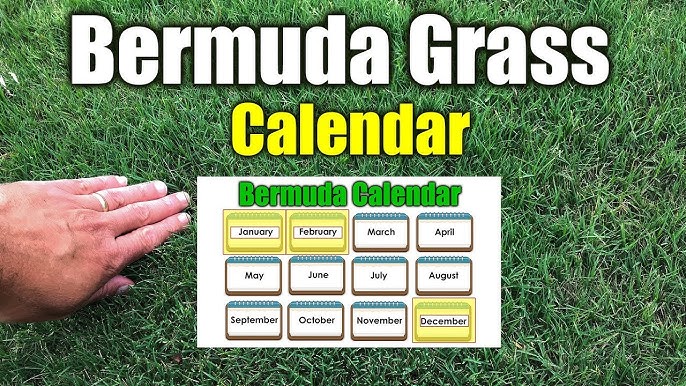
Credit: www.youtube.com
Frequently Asked Questions
How Often Should I Water Bermuda Grass?
Water Bermuda grass deeply once or twice a week. This promotes deep root growth and drought tolerance. Adjust frequency based on weather and soil type for best results.
What Is The Best Mowing Height For Bermuda Grass?
Mow Bermuda grass at 1 to 2 inches high. Keeping it short encourages dense growth and reduces weed invasion. Avoid cutting more than one-third of the grass blade at once.
When Is The Best Time To Fertilize Bermuda Grass?
Fertilize Bermuda grass during its active growing season, typically spring through summer. Use a balanced fertilizer every 6 to 8 weeks. Avoid fertilizing during dormancy to prevent stress.
How Do I Prevent Weeds In Bermuda Grass?
Maintain a thick, healthy Bermuda lawn by proper mowing and watering. Apply pre-emergent herbicides in early spring. Promptly remove weeds to reduce competition for nutrients.
Conclusion
Caring for Bermuda grass takes regular effort and simple steps. Water it deeply but not too often. Mow it to the right height to keep it healthy. Fertilize during growing seasons to boost its strength. Watch for weeds and pests to protect your lawn.
With patience, your Bermuda grass will stay green and thick. A well-kept lawn adds beauty and comfort to your yard. Keep these tips in mind for a lush, healthy lawn all year.
