
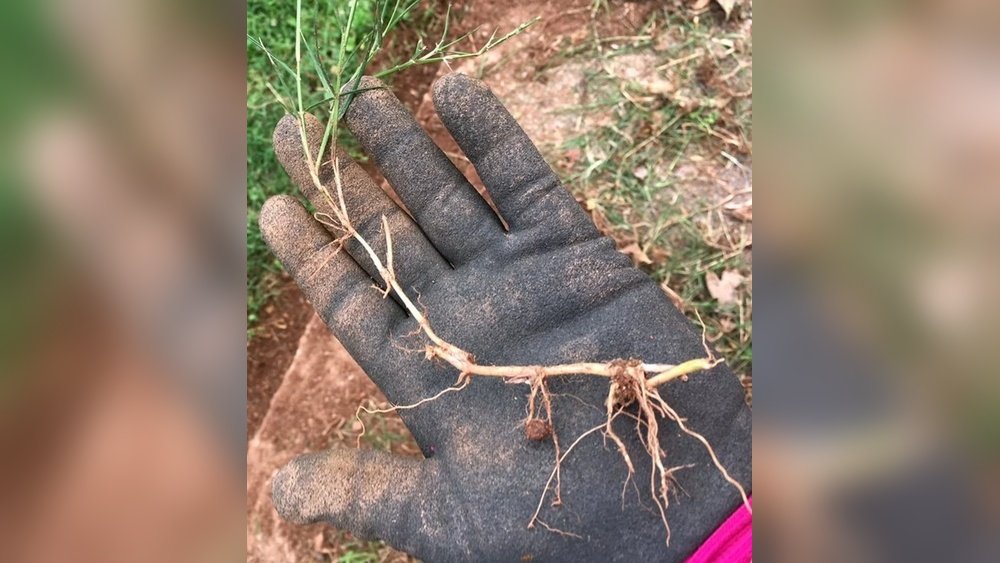
Are you tired of battling stubborn Bermuda grass that just won’t quit? You might have heard that vinegar can be a simple, natural way to kill unwanted weeds.
But does vinegar really work against Bermuda grass? If you’ve been searching for an easy and affordable solution, this article will give you the clear answers you need. Keep reading to discover whether vinegar is the secret weapon you’ve been looking for or just another gardening myth.
Your lawn’s future could depend on it!
How Vinegar Affects Bermuda Grass
Vinegar can influence Bermuda grass in several ways. The main reason is its acid content. This acid can harm the grass leaves and roots. It can dry out the grass quickly. The strength of vinegar and the grass’s condition change the result.
Using vinegar alone might not kill Bermuda grass completely. But it can weaken the grass over time. Knowing how vinegar works helps in using it properly for lawn care.
Acetic Acid And Its Impact
Vinegar contains acetic acid, which is the active part. This acid breaks down the waxy layer on grass leaves. Without this layer, the grass loses water fast. This loss causes the grass to dry and die.
Stronger vinegar solutions have more acetic acid. These are more harmful to Bermuda grass. Household vinegar usually has 5% acetic acid. Garden vinegar can have 20% or more. The higher the acid, the faster the grass shows damage.
Effectiveness On Different Growth Stages
Young Bermuda grass is more sensitive to vinegar than mature grass. Seedlings and new shoots can die quickly after vinegar contact. Older grass may survive but become weak.
Vinegar works best on actively growing grass. Dormant or stressed grass may resist damage. Applying vinegar during dry, sunny days increases its effect. Moisture helps the acid penetrate the grass faster.
Choosing The Right Vinegar Type
Choosing the right vinegar type is important when trying to kill Bermuda grass. Vinegar can work as a natural weed killer, but not all vinegars are the same. The type and strength of vinegar affect how well it works and how safe it is to use.
Household Vinegar Vs. Horticultural Vinegar
Household vinegar is the kind used for cooking and cleaning. It usually has 5% acetic acid. This type can kill small weeds, but it may not work well on tough Bermuda grass. Horticultural vinegar has a much higher acid level, often between 15% and 30%. It is made specifically for weed control. This stronger vinegar can kill Bermuda grass more effectively.
Household vinegar is safer for use around pets and children. Horticultural vinegar needs more care during application. It can burn your skin and harm other plants if not applied carefully.
Concentration Levels And Safety
The concentration of acetic acid in vinegar determines its strength. Lower concentrations are safer but less powerful. Higher concentrations kill weeds faster but can cause burns. Always wear gloves and protective clothing when using strong vinegar. Spray only on the Bermuda grass leaves and avoid wind to prevent drift. Use caution around flowers and grass you want to keep.
Choosing the right vinegar means balancing effectiveness with safety. Pick a vinegar that fits your needs and follow safety tips strictly.
Application Techniques For Best Results
Applying vinegar to kill Bermuda grass needs care and the right method. Proper application improves effectiveness and reduces damage to other plants. Using vinegar correctly targets Bermuda grass and helps control its spread. Follow the steps below for the best results.
Spraying Methods
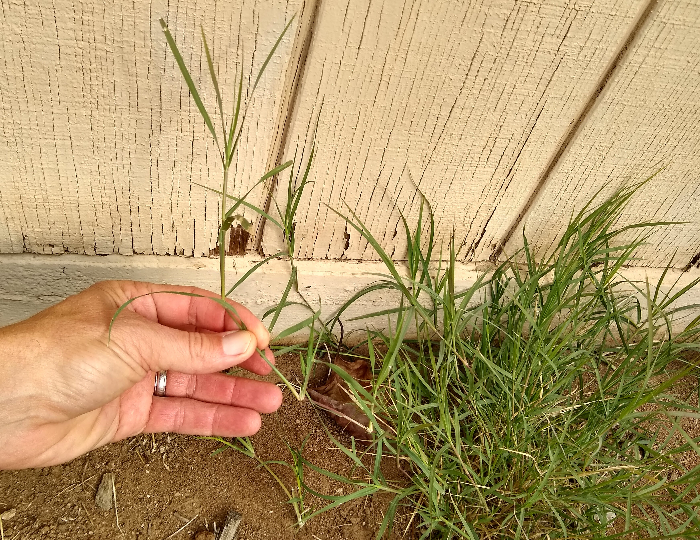
Use a spray bottle or garden sprayer for even coverage. Spray vinegar directly on Bermuda grass leaves. Avoid spraying on windy days to prevent drift. Keep the spray close to the grass for better contact. Spray in the early morning or late afternoon for best absorption. Repeat spraying every few days until the grass dies.
Timing And Weather Considerations
Choose a dry, sunny day for applying vinegar. Sunlight helps vinegar work faster on Bermuda grass. Avoid spraying before rain, as it will wash the vinegar away. Apply when temperatures are above 70°F for best effect. Do not spray during extreme heat to prevent damage to other plants. Plan applications during calm weather to avoid spray drift.
Credit: gregalder.com
Limitations Of Vinegar As A Weed Killer
Vinegar is a popular home remedy to kill weeds like Bermuda grass. It is cheap and easy to find. Vinegar contains acetic acid, which burns the leaves of plants. Despite its use, vinegar has limits as a weed killer. Understanding these limits helps in choosing the right method to control Bermuda grass.
Temporary Effects On Bermuda Grass
Vinegar works mainly on the surface of Bermuda grass. It burns the top leaves but does not reach the roots. The grass often grows back after a few days or weeks. This means vinegar only stops Bermuda grass temporarily. Regular treatments are needed for better control. Vinegar does not provide a permanent solution to Bermuda grass problems.
Potential Damage To Surrounding Plants
Vinegar is non-selective, meaning it can harm any plant it touches. Nearby flowers, shrubs, or grass can get damaged. This risk makes vinegar tricky to use in mixed gardens. Careful application is needed to avoid killing desirable plants. Using vinegar on windy days or near valuable plants is not recommended.
Complementary Natural Weed Control Strategies
Using vinegar alone may not fully control Bermuda grass. Combining natural methods improves results. These strategies help reduce weed growth safely. They protect your lawn and environment. Simple actions can make a big difference.
Manual Removal Tips
Pull Bermuda grass by hand before it spreads seeds. Use a garden fork to loosen roots deeply. Remove all roots to stop regrowth. Best done when soil is moist for easier pulling. Wear gloves to protect your hands.
Using Mulch To Suppress Growth
Apply a thick layer of mulch around plants. Mulch blocks sunlight from reaching Bermuda grass seeds. This stops them from growing. Use organic mulch like wood chips or straw. Mulch also keeps soil moist and healthy.
Alternative Natural Herbicides
Try natural herbicides made from essential oils or soap mixtures. These kill Bermuda grass without harsh chemicals. Spray directly on weeds for best effect. Repeat treatments may be needed for full control. Always follow product instructions carefully.

Credit: www.reddit.com
Preventing Bermuda Grass Regrowth
Bermuda grass is tough and spreads quickly. Stopping it from growing back needs care and patience. You must take steps to keep your lawn healthy. Good habits help stop Bermuda grass from taking over again.
By following strong lawn care and soil practices, you can reduce its return. The key is to make the environment less friendly for Bermuda grass.
Soil Maintenance Practices
Healthy soil supports good grass but limits weeds. Test your soil to check its pH and nutrients. Bermuda grass prefers certain soil types. Adjust your soil by adding lime or fertilizer as needed. Aerate your lawn to improve air and water flow. These steps help grass grow strong and push out unwanted weeds.
Regular Lawn Care Routines
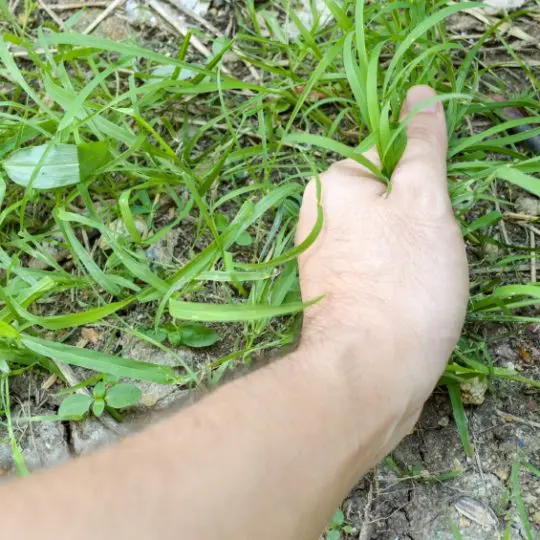
Cut your grass at the right height, about 1 to 2 inches. Mow often to stop Bermuda grass from spreading seeds. Water deeply but less often to encourage strong roots. Remove any Bermuda grass runners you see. Keep your lawn clean and free from debris to reduce hiding spots for weeds.
Credit: www.greenlawnfertilizing.com
Frequently Asked Questions
Does Vinegar Effectively Kill Bermuda Grass?
Yes, vinegar can kill Bermuda grass by damaging its leaves. However, it works best on young or small patches and may need repeated applications.
What Vinegar Concentration Kills Bermuda Grass?
A vinegar solution with 10-20% acetic acid is most effective for killing Bermuda grass. Household vinegar (5%) is less potent and may require multiple treatments.
Is Vinegar Safe For Surrounding Plants And Soil?
Vinegar is non-selective and can harm nearby plants. Use it carefully to avoid damage, and avoid overuse to prevent soil acidity issues.
How Quickly Does Vinegar Kill Bermuda Grass?
Vinegar usually shows visible effects within 24 to 48 hours. Complete die-off may take several days and multiple applications depending on grass toughness.
Conclusion
Vinegar can kill Bermuda grass, but it may not work fully. Stronger solutions or repeated use might be needed. Vinegar works best on young grass, not thick roots. Always test a small area first to avoid damage. Use vinegar carefully to protect other plants nearby.
Combining vinegar with other methods can improve results. Patience is key when dealing with tough grass like Bermuda. Keep your lawn healthy to stop grass from growing back. Simple steps and consistent care make a big difference.
