

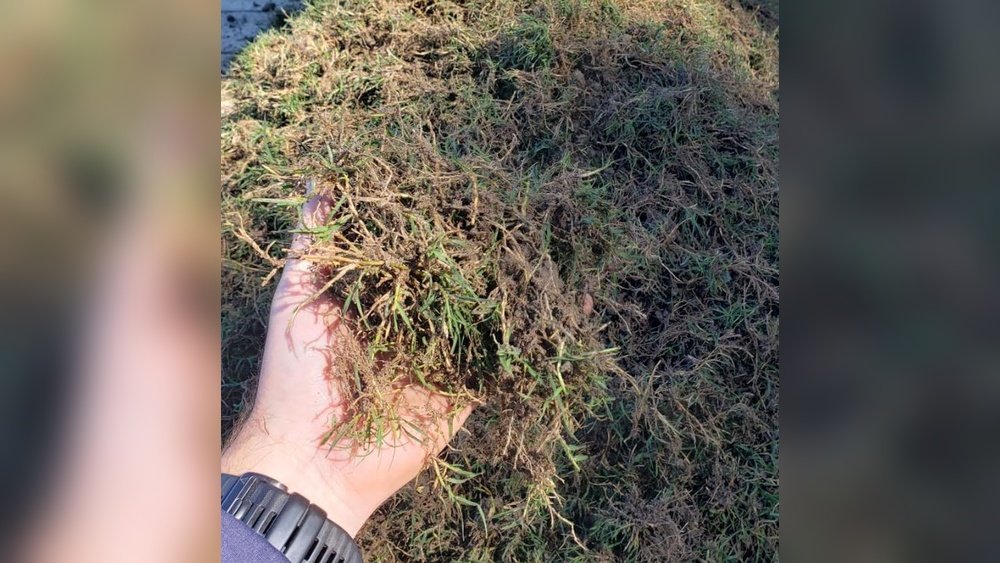
If you want a lush, green lawn that stands out in your neighborhood, learning how to sprig Bermuda grass is a smart move. This method gives you a thick, healthy turf without the high cost of sod.
Imagine stepping onto your yard and feeling soft, vibrant grass beneath your feet—something you can achieve with the right steps. In this guide, you’ll discover easy-to-follow tips that make sprigging Bermuda grass simple and effective. Ready to transform your lawn?
Let’s dive in and get your grass growing strong.

Credit: www.youtube.com
Choosing The Right Bermuda Grass
Choosing the right Bermuda grass is key for a healthy lawn. Different types suit different needs and environments. Understanding these differences helps you pick the best grass for sprigging. This ensures good growth and a lush green yard.
Types Of Bermuda Grass
Bermuda grass comes in several types. Common Bermuda is coarse and tough. It grows fast and covers ground well. Hybrid Bermuda is finer and softer. It is often used on golf courses and sports fields. Each type has unique traits for different uses.
Best Varieties For Sprigging
Some Bermuda grass varieties work better for sprigging. Common ones include Tifway 419, Celebration, and TifTuf. Tifway 419 is popular for its durability and quick spread. Celebration has a dark green color and resists drought. TifTuf is known for strong drought tolerance and wear resistance. Choose a variety that fits your lawn needs.
Climate And Soil Requirements
Bermuda grass thrives in warm climates. It needs full sun to grow well. It prefers sandy or loamy soil with good drainage. Poor soil or shade can slow growth. Check your local climate and soil before planting. This helps your Bermuda grass sprigs root and grow fast.
Preparing Your Lawn For Sprigging
Preparing your lawn for sprigging is a key step for healthy Bermuda grass growth. Proper preparation creates the best environment for sprigs to root and spread. It helps the grass establish quickly and evenly. Take time to prepare the area well before planting.
Clearing Existing Vegetation
Start by removing old grass, weeds, and debris. Clear all unwanted plants to reduce competition. Use a rake or hoe to pull out roots and stems. A clean surface allows sprigs to contact the soil directly. This improves sprout survival and growth.
Soil Testing And Amendment
Test the soil to check its pH and nutrient levels. Bermuda grass prefers a pH between 5.8 and 7.0. Adjust soil acidity by adding lime or sulfur as needed. Add compost or fertilizer to boost soil nutrients. Healthy soil supports strong root development.
Tilling And Leveling The Soil
Loosen the soil with a tiller or garden fork to about 4 to 6 inches deep. This helps roots penetrate easily. Remove stones, sticks, and large clumps of dirt. Level the soil surface using a rake to create a smooth bed. Even soil ensures uniform sprig contact and growth.
Gathering Sprigs And Tools
Gathering sprigs and tools is the first step to sprig Bermuda grass successfully. Proper preparation ensures healthy growth and a lush lawn. This section covers where to find sprigs, the tools needed, and the best time to harvest sprigs.
Where To Source Bermuda Grass Sprigs
Bermuda grass sprigs come from established lawns or farms. Local garden centers often sell sprigs in bulk. Some nurseries specialize in Bermuda grass for sprigging. You can also ask neighbors with healthy Bermuda grass for cuttings. Buying from trusted sources helps avoid pests and diseases.
Essential Tools For Sprigging
Gather these tools before starting. A sharp shovel or spade helps dig up sprigs easily. Use a garden rake to prepare the soil. A wheelbarrow makes transporting sprigs simple. Gloves protect your hands during work. A watering can or hose is needed for watering after planting.
Timing For Harvesting Sprigs
Harvest sprigs during the warm growing season. Late spring to early summer is ideal. The grass should be green and active. Avoid harvesting during drought or extreme heat. Sprigs taken too early may not root well. Proper timing ensures better sprout and growth.
Credit: www.stma.org
Step-by-step Sprigging Process
Sprigging Bermuda grass is a popular way to grow a lush, green lawn. This process involves planting small pieces of Bermuda grass called sprigs. These sprigs will grow roots and spread, covering your lawn with healthy grass. Follow these clear steps for the best results.
Planting Patterns And Spacing
Plant sprigs in rows or a grid pattern. Space the sprigs 6 to 12 inches apart. Closer spacing helps the grass fill in faster. Keep the rows about 12 to 18 inches apart. This pattern allows even growth and easier care.
Planting Depth And Techniques
Plant sprigs about 1 to 2 inches deep. Dig small holes or furrows to place the sprigs. Cover the sprigs lightly with soil. Press the soil gently to remove air pockets. Avoid planting too deep or too shallow.
Watering Immediately After Planting
Water the sprigs right after planting. Use enough water to soak the soil deeply. Keep the soil moist but not soggy. Water daily for the first two weeks. Proper watering helps roots grow strong and fast.
Post-sprigging Care
Taking care of Bermuda grass after sprigging is very important. This stage helps the grass roots grow strong and spread well. Proper care helps your lawn become thick and green faster. Neglecting this step can cause slow growth or patchy grass. Follow these simple tips to keep your Bermuda grass healthy and lush after sprigging.
Watering Schedule And Tips
Water the sprigged area lightly but often. Keep the soil moist but not soaked. Water twice a day for the first two weeks. Morning and evening watering works best. After two weeks, reduce watering to once a day. Gradually water less as the grass grows. Avoid overwatering to prevent root rot. Use a sprinkler for even coverage.
Fertilization Practices
Apply a balanced fertilizer four weeks after sprigging. Use a fertilizer with nitrogen, phosphorus, and potassium. Follow the product instructions for the right amount. Avoid fertilizing too soon to protect young roots. Fertilize again every six to eight weeks during the growing season. This helps the grass grow thick and strong. Choose slow-release fertilizers for steady nutrition.
Weed Control Strategies
Keep weeds out to help Bermuda grass grow better. Remove weeds by hand during the early weeks. Use a selective herbicide only after the grass is well established. Read herbicide labels carefully before use. Avoid spraying herbicides on new sprigs. A thick lawn naturally prevents most weeds. Regular mowing also helps keep weeds away.

Credit: www.youtube.com
Troubleshooting Common Problems
Troubleshooting common problems helps keep Bermuda grass healthy. Sprigging may face issues that slow growth or cause patchiness. Knowing how to fix these problems saves time and effort. This section covers pests, diseases, poor growth, and uneven coverage.
Dealing With Pests And Diseases
Pests like grubs and chinch bugs damage Bermuda grass roots. Look for yellow or brown patches in your lawn. Use insecticides designed for lawn pests to control them. Diseases such as dollar spot or brown patch cause spots on grass blades. Apply fungicides early to stop the spread. Proper watering and mowing reduce disease risks.
Addressing Poor Growth
Poor growth often results from bad soil or lack of nutrients. Test soil pH and nutrient levels before sprigging. Bermuda grass prefers slightly acidic to neutral soil. Add fertilizer rich in nitrogen to boost growth. Water sprigs lightly but regularly for best results. Avoid heavy foot traffic while grass establishes.
Fixing Uneven Coverage
Uneven coverage happens if sprigs are spaced too far apart. Reseed or resprig bare spots promptly. Spread sprigs evenly, about 6-12 inches apart, for dense growth. Keep soil moist to help sprigs root quickly. Rolling the soil after planting improves contact and coverage.
Maintaining A Healthy Bermuda Lawn
Maintaining a healthy Bermuda lawn takes regular care and attention. This grass grows well in warm climates and needs proper mowing, feeding, and watering. Keeping your lawn green and thick keeps weeds and pests away. Small daily efforts lead to a strong, beautiful lawn.
Mowing Best Practices
Cut Bermuda grass often to keep it healthy. Set the mower blade to 1 to 2 inches high. Do not cut more than one-third of the grass length at once. Use a sharp blade to avoid tearing the grass. Mow when the grass is dry to get a clean cut. Change your mowing pattern each time to prevent soil compaction.
Seasonal Lawn Care
Feed Bermuda grass with fertilizer in spring and summer. Use a balanced fertilizer with nitrogen for green growth. Water deeply but less often to encourage strong roots. Reduce watering in cooler months to avoid fungus. Remove leaves and debris to let sunlight reach the grass. Prepare your lawn for winter by lowering mowing height gradually.
Long-term Lawn Management
Test your soil every few years to check nutrient levels. Add lime if the soil is too acidic. Aerate the lawn in late spring to improve air and water flow. Control weeds by pulling them out or using safe herbicides. Overseed bare spots in early summer for a thick lawn. Keep pests under control by watching for signs of damage.
Frequently Asked Questions
What Is The Best Time To Sprig Bermuda Grass?
The best time to sprig Bermuda grass is late spring to early summer. Soil temperatures should be consistently above 65°F for optimal root growth and establishment.
How Do I Prepare Soil For Bermuda Grass Sprigging?
Loosen the soil to about 4 inches deep, remove weeds, and ensure good drainage. Adding organic matter improves soil fertility and sprig rooting.
How Often Should Bermuda Grass Sprigs Be Watered?
Water sprigs lightly but frequently, keeping the soil moist for the first 2-3 weeks. After establishment, reduce watering to encourage deep root growth.
How Long Does Bermuda Grass Take To Establish From Sprigs?
Bermuda grass typically establishes in 3 to 4 weeks with proper care. Full coverage may take up to 8 weeks depending on conditions.
Conclusion
Sprigging Bermuda grass can bring your lawn back to life. Start with healthy sprigs and prepare your soil well. Water the sprigs often to help roots grow strong. Keep weeds away to give your grass room to spread. Be patient; good results take time.
Soon, you will enjoy a green, thick lawn. Follow these simple steps for a healthy Bermuda grass lawn. Your yard will look fresh and inviting all season long.
