

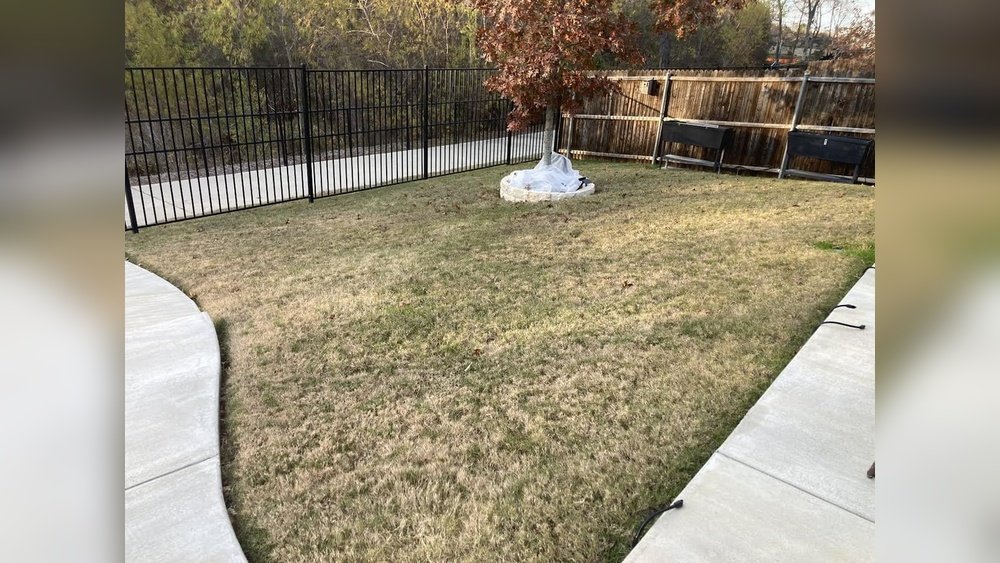
Are you wondering when your Bermuda grass will go dormant in Texas? Knowing this can help you care for your lawn the right way and keep it healthy year-round.
Bermuda grass doesn’t stay green all the time—it takes a break when the weather changes. But exactly when does this happen in Texas? Understanding the timing can save you time, money, and frustration. Keep reading to find out what to expect and how to prepare your lawn for dormancy so it bounces back beautifully when the growing season returns.

Credit: thebermudabible.com
Bermuda Grass Growth Cycle
Bermuda grass has a clear growth cycle that changes with the seasons in Texas. Understanding this cycle helps keep your lawn healthy all year. This grass grows fast in warm months and slows down as temperatures drop. Knowing when it grows and rests guides proper care and watering.
Active Growth Periods
Bermuda grass grows best in warm weather. It starts growing quickly in spring as soil warms. Summer is the peak growth time with plenty of sunshine and heat. During these months, the grass is green and thick. It needs regular watering and mowing to stay healthy. Growth slows down as fall approaches and temperatures cool.
Dormancy Triggers
Cold weather makes Bermuda grass go dormant in Texas. When temperatures drop below 50°F, the grass stops growing. It turns brown and looks dry but is still alive. Short days and frost also trigger dormancy. The grass stays in this resting state through winter. It uses less water and needs less care during this time.
Texas Climate Impact
Texas has a unique climate that greatly affects Bermuda grass dormancy. The state’s weather changes through the year. These changes influence when Bermuda grass stops growing and turns brown. Understanding the Texas climate helps predict dormancy periods better.
The warmth and cold in Texas vary a lot by season. This variation tells Bermuda grass when to rest. Knowing these climate effects helps homeowners and gardeners care for their lawns properly.
Temperature Effects
Temperature plays a big role in Bermuda grass dormancy. When temperatures drop below 50°F, growth slows down. Prolonged cold spells push the grass into dormancy. In Texas, winter nights often fall below this threshold. Daytime warmth can delay dormancy, but cold nights win over time.
During hot summer months, Bermuda grass thrives and stays green. The grass grows quickly with warm soil and air. As temperatures fall in late fall, the grass prepares to rest. This natural cycle repeats each year in Texas.
Seasonal Weather Patterns
Texas experiences four distinct seasons, affecting Bermuda grass differently. Spring and summer bring warmth and rain, which encourage growth. Fall introduces cooler temperatures and shorter days, signaling dormancy. Winter can be cold and dry, causing the grass to go fully dormant.
Rainfall patterns also influence dormancy timing. Dry winters may stress the grass, making dormancy start earlier. Wet winters can keep the soil moist, delaying dormancy slightly. Understanding these patterns helps predict when Bermuda grass will rest in Texas.
Signs Of Dormancy
Bermuda grass is a popular choice for lawns in Texas. It thrives in warm weather but changes as the seasons shift. Knowing the signs of dormancy helps you care for your lawn properly. Dormancy means the grass stops growing and rests during cold months. Watch for clear signals in your lawn’s look and growth to know when dormancy starts.
Color Changes
The first sign of dormancy is a change in color. Bermuda grass turns from green to brown or tan. This color shift shows the grass is not actively growing. It is a natural way for the grass to protect itself from cold. The deeper the brown, the more dormant the grass is. This change usually starts in late fall as temperatures drop.
Growth Slowdown
Growth slows down noticeably as dormancy sets in. You will see fewer new shoots or blades. The grass stops spreading and looks thinner. Mowing becomes less frequent because the grass is not growing fast. Slow growth helps the grass save energy and survive the winter. This slowdown often begins when night temperatures fall below 50°F.
Credit: agrilifeextension.tamu.edu
Regional Variations In Texas
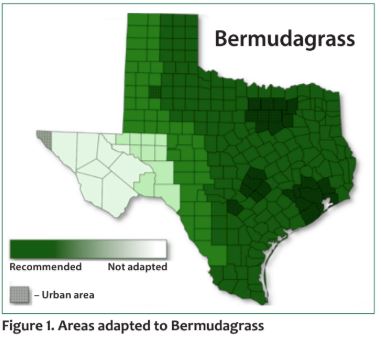
Bermuda grass behaves differently across Texas. The state is large with many climates. This causes the grass to go dormant at different times. Understanding these regional differences helps with lawn care. It also prepares you for the right maintenance schedule.
North Vs. South Texas
In North Texas, winters are colder and longer. Bermuda grass usually goes dormant by late October. The grass stays brown until spring arrives around March or April. In South Texas, winters are milder and shorter. Dormancy often starts later, in November or December. The grass may green up earlier than in the north.
Coastal Vs. Inland Areas
Coastal areas have more humidity and mild temperatures. Bermuda grass stays green longer near the coast. Dormancy may begin as late as December. Inland areas get hotter summers and colder winters. This causes Bermuda grass to go dormant earlier, around October. The grass recovers slower in dry inland zones.
Dormancy Timing By Season
Bermuda grass in Texas changes with the seasons. It grows green and strong in warm months. Then, it slows down and rests in colder months. Understanding its dormancy timing helps you care for your lawn well. Each season brings a different phase for Bermuda grass.
Fall Transition
In fall, Bermuda grass starts to slow its growth. Cooler temperatures and less daylight signal the change. The grass loses some green color as it prepares for rest. This period lasts from late September to November. Lawn care should adjust to less frequent watering and mowing.
Winter Dormancy
Winter brings full dormancy for Bermuda grass in Texas. The grass turns brown and stops growing completely. This dormancy lasts from December through February. Grass stays alive but inactive under cold weather. Avoid heavy traffic on the lawn to prevent damage.
Spring Revival
Spring wakes Bermuda grass from its winter rest. Warmer temperatures and longer days trigger new growth. The grass slowly turns green and grows faster. This revival usually happens between March and May. Regular watering and mowing help the lawn recover quickly.

Credit: www.reddit.com
Care Tips During Dormancy
Bermuda grass in Texas goes dormant in winter. During this time, the grass turns brown and stops growing. Proper care helps your lawn stay healthy and ready to green up again in spring. Follow these simple tips to keep your Bermuda grass strong through dormancy.
Watering Practices
Water your Bermuda grass less often during dormancy. The grass needs less moisture when it is not growing. Water deeply but only once every few weeks. Avoid frequent shallow watering to prevent root problems. Watch for dry soil and water only if the ground feels very dry.
Fertilization Advice
Stop fertilizing Bermuda grass during dormancy. Fertilizer encourages growth, which the grass cannot support in cold months. Applying fertilizer now can stress the grass and waste nutrients. Plan to fertilize in early spring when growth starts again. This helps the grass recover quickly and grow thick.
Mowing Adjustments
Raise your mower blade higher before dormancy begins. Keep the grass a little longer to protect roots from cold. Avoid mowing while the grass is brown and dormant. Mow only when the grass starts to grow again in spring. Use sharp blades to make clean cuts and reduce damage.
Frequently Asked Questions
When Does Bermuda Grass Typically Go Dormant In Texas?
Bermuda grass usually goes dormant in Texas during late fall. This occurs when temperatures drop below 50°F. Dormancy helps the grass survive cold weather by slowing its growth.
How Long Does Bermuda Grass Stay Dormant In Texas?
Bermuda grass remains dormant throughout the winter months in Texas. It typically revives in early spring when temperatures consistently rise above 60°F. The dormancy period usually lasts around 3 to 4 months.
Can Bermuda Grass Survive Texas Winter Dormancy?
Yes, Bermuda grass can survive Texas winters by going dormant. Dormancy protects it from cold damage. Proper lawn care before dormancy improves its winter survival chances.
What Are Signs Bermuda Grass Is Going Dormant?
Signs include color change from green to brown or tan. Growth slows significantly. The grass blades become dry and brittle, signaling dormancy onset.
Conclusion
Bermuda grass in Texas usually goes dormant when temperatures drop below 50°F. This often happens in late fall and lasts through winter. During dormancy, the grass turns brown and stops growing. Watering less and avoiding heavy traffic helps keep the lawn healthy.
Dormancy is natural and helps the grass survive cold weather. Watch the weather to know when to adjust lawn care. This way, your Bermuda grass can bounce back strong in spring. Simple steps make a big difference for a green lawn next season.
