

Are you curious about how Bermuda grass grows so lush and green in your yard? Understanding how this hardy grass spreads and thrives can help you achieve a beautiful lawn that lasts all season.
Whether you want to improve your lawn’s health or simply know why Bermuda grass is so popular, this article will guide you through the key growth stages and secrets behind its success. Keep reading to discover how you can make Bermuda grass work for you, turning your outdoor space into a vibrant, green haven.
Bermuda Grass Basics
Bermuda grass is a popular choice for lawns, sports fields, and golf courses. It grows fast and stays green through warm seasons. Understanding its basics helps in growing it well. This section covers the origin, growth traits, and the climate it prefers.
Origin And Adaptation
Bermuda grass comes from Africa and the Mediterranean. It spread worldwide due to its tough nature. It adapts well to many soils and conditions. This grass thrives in dry and poor soil areas. Its ability to recover from damage makes it very hardy.
Growth Characteristics
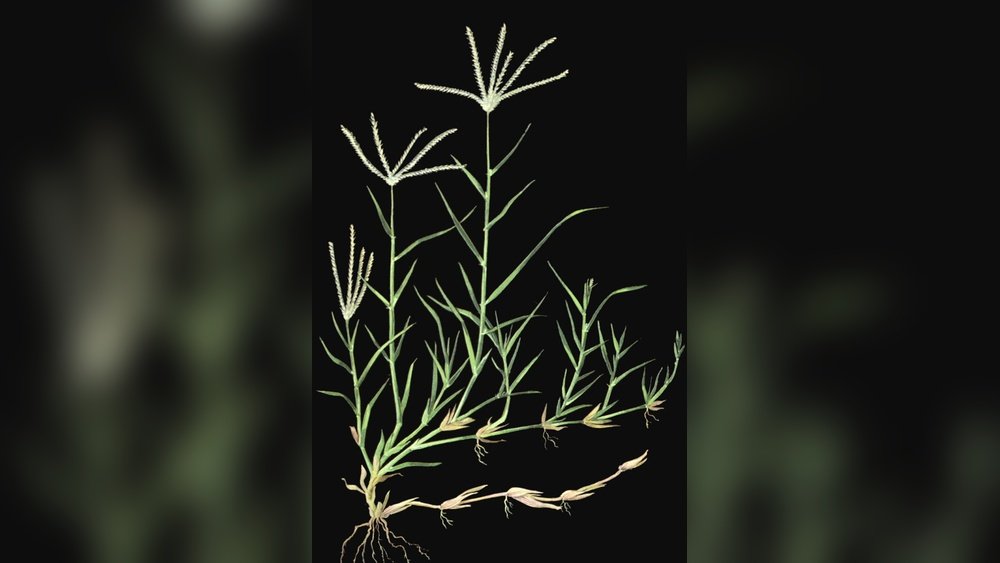
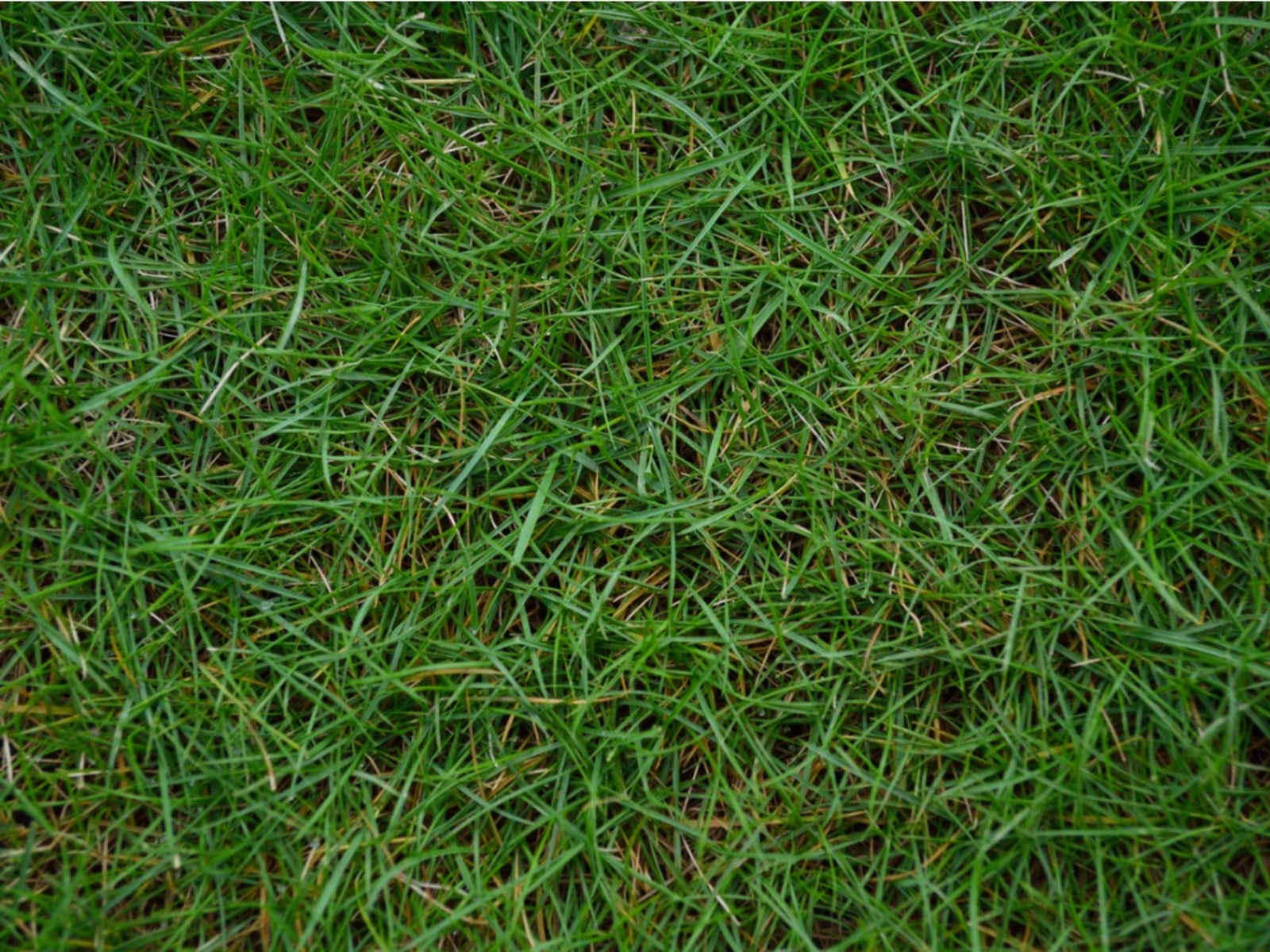
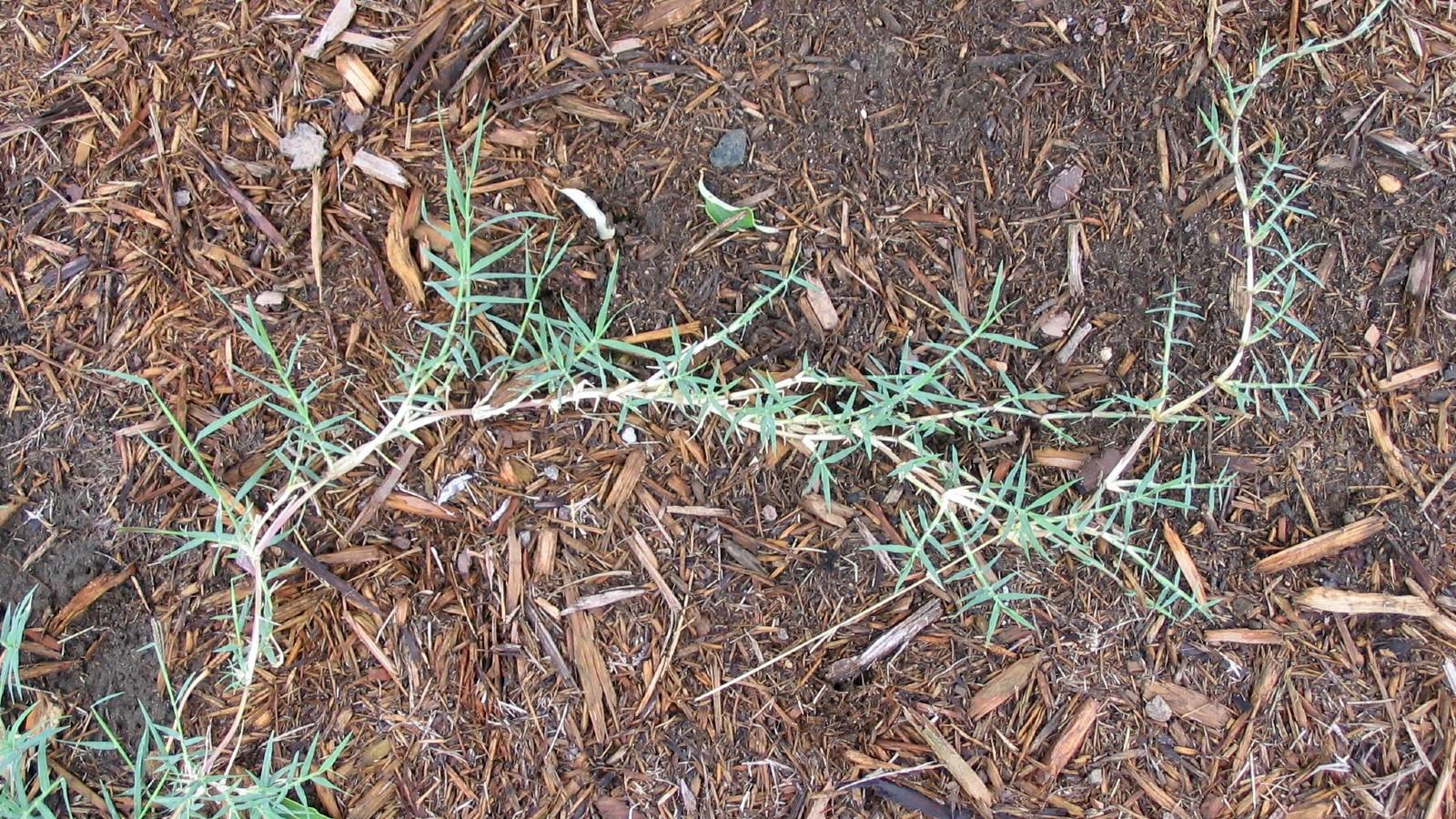
Bermuda grass grows through seeds and runners called stolons. It forms a thick carpet with fine blades. The grass spreads fast and covers bare spots quickly. It can grow up to 3 feet tall if not mowed. Regular mowing keeps it dense and healthy.
Ideal Climate Conditions
Bermuda grass grows best in warm, sunny places. It needs at least 6 to 8 hours of direct sunlight daily. The grass prefers temperatures between 75°F and 95°F. It goes dormant and turns brown in cold weather. It handles drought better than many other grasses.
Planting Bermuda Grass
Planting Bermuda grass is the first step to a lush, green lawn. It needs care and the right conditions to grow strong. Understanding how to start will save time and effort later. Planting correctly helps Bermuda grass spread quickly and cover your yard evenly.
Choosing Seeds Or Sod
Choose seeds for a cost-effective option. Seeds take longer to grow but cover large areas well. Sod gives instant green grass. It costs more but shows quick results. Sod works best for repairing patches or small lawns. Both options need good soil and water to thrive.
Soil Preparation Tips
Prepare the soil by removing rocks and weeds. Loosen the soil to a depth of six inches. Add organic matter to improve soil quality. Use a rake to level the surface. Good soil helps Bermuda grass roots grow deep and strong. Water the soil lightly before planting.
Best Planting Times
Plant Bermuda grass during warm months. Late spring to early summer is ideal. Soil temperature should reach at least 65°F. Planting too early or late slows growth. Warm soil helps seeds sprout and sod root quickly. Avoid planting in cold or dry seasons.
Watering Techniques
Watering is key to growing healthy Bermuda grass. It helps grass roots grow deep and strong. Proper watering keeps the lawn green and thick. Using the right techniques saves water and avoids lawn problems.
Establishing New Lawns
New Bermuda grass needs frequent watering. Water the soil lightly every day for two weeks. Keep the top inch of soil moist. Avoid soaking the soil too much at once. This helps seeds or sprigs sprout quickly. After two weeks, reduce watering to once a day.
Maintaining Mature Grass
Mature Bermuda grass needs less water than new grass. Water deeply two or three times a week. This encourages roots to grow deeper. Deep roots help grass survive dry times. Early morning is the best time to water. It reduces evaporation and fungus risk.
Avoiding Overwatering
Too much water can harm Bermuda grass. It causes weak roots and disease. Check soil moisture before watering again. Stop watering if the soil feels wet. Use a rain gauge to track rainfall. Adjust watering based on weather and season changes.
:max_bytes(150000):strip_icc()/GettyImages-1257704064-bc64303b209d440da1660384b6cb60a8.jpg)
Credit: www.thespruce.com
Fertilizing For Growth
Fertilizing Bermuda grass helps it grow thick and green. Proper nutrients boost its health and recovery. Knowing the right fertilizer and schedule is important. It keeps the grass strong during hot months. Poor fertilizing can make Bermuda thin and weak.
Nutrient Requirements
Bermuda grass needs nitrogen, phosphorus, and potassium to grow well. Nitrogen helps the grass stay green and grow fast. Phosphorus supports root growth. Potassium improves disease resistance and drought tolerance. A balanced fertilizer with these nutrients works best.
Fertilizer Types
Choose between slow-release and quick-release fertilizers. Slow-release feeds the grass over time. Quick-release gives a fast boost but fades quickly. Organic options improve soil health but act slower. Pick a type that fits your lawn’s needs.
Application Schedule
Apply fertilizer during the growing season, usually spring to early fall. Start fertilizing when grass starts to green up. Feed every 6 to 8 weeks for steady growth. Avoid fertilizing in winter when grass is dormant. Follow the package instructions for amounts.
Mowing Practices
Mowing is key for healthy Bermuda grass. It keeps the grass thick and green. Proper mowing helps the grass grow strong roots. It also stops weeds from taking over your lawn.
Optimal Mowing Height
Keep Bermuda grass between 1 to 2 inches tall. Cutting it too short can stress the grass. Taller grass shades the soil and holds moisture. This helps the grass stay green in hot weather. Adjust height slightly for seasons and lawn use.
Mowing Frequency
Mow Bermuda grass once a week during growing season. Frequent mowing encourages dense, healthy growth. Avoid cutting more than one-third of the grass blade. Let the clippings fall to return nutrients to soil. Reduce mowing in cooler months when grass grows slower.
Tools And Tips
Use a sharp mower blade for clean cuts. Dull blades tear grass, causing brown edges. Choose a rotary mower for even cutting. Keep mower deck at the right height. Clean mower after each use to prevent disease spread. Mow when grass is dry to avoid clumping.
Pest And Weed Control
Keeping Bermuda grass healthy requires good pest and weed control. Pests and weeds compete with Bermuda grass for nutrients and water. They can cause damage and slow growth. Proper care helps maintain a lush, green lawn.
Common Pests
Bermuda grass faces pests like armyworms, grubs, and mole crickets. These insects chew on grass blades or roots. Damage leads to brown patches and weak grass. Early detection is key to stopping pests fast.
Effective Weed Management
Weeds like crabgrass and dandelions invade Bermuda lawns. They take space and nutrients from grass. Regular mowing and watering help reduce weed growth. Using mulch or herbicides can control stubborn weeds.
Safe Treatment Options
Choose pest and weed treatments that are safe for grass. Use natural remedies or low-toxicity products. Follow label instructions to avoid harming the lawn. Treat only affected areas to protect beneficial insects and soil health.
Seasonal Care
Bermuda grass needs care throughout the year to stay healthy and green. Each season brings different needs for this warm-season grass. Proper care helps it grow thick and strong.
Seasonal care includes preparing the soil, watering, mowing, and protecting the grass. Follow simple steps each season to keep Bermuda grass at its best.
Spring Preparation
Spring wakes Bermuda grass from winter dormancy. Begin by removing leaves and debris. Rake the lawn to loosen the soil. Apply fertilizer to boost growth. Mow the grass short but avoid cutting too low. Water the lawn deeply and regularly.
Summer Maintenance
Summer heat challenges Bermuda grass. Mow often to keep blades at 1 to 2 inches. Water early in the morning to reduce evaporation. Check for weeds and remove them quickly. Use light fertilizer every six weeks. Aerate the soil if it feels hard.
Winter Dormancy
Bermuda grass goes dormant in cold months. It turns brown but stays alive. Stop fertilizing to avoid stress. Reduce watering to once every two weeks. Avoid heavy traffic to prevent damage. Clear fallen leaves to allow air flow.
Credit: www.gardeningknowhow.com
Troubleshooting Growth Issues
Troubleshooting growth issues in Bermuda grass is key to keeping your lawn healthy. Problems like thinning, discoloration, and soil troubles can stop your grass from growing well. Identifying the exact problem helps you fix it fast. Here are common issues and how to handle them.
Dealing With Thinning Grass
Thinning grass means fewer blades in some areas. This can happen from too much foot traffic or poor mowing. Avoid cutting the grass too short; keep it at the right height. Water deeply but less often to encourage strong roots. Fertilize with nitrogen to help the grass grow thick again.
Addressing Discoloration
Discoloration shows as yellow or brown patches. It often means your grass lacks nutrients or water. Check your watering schedule and adjust if the soil feels dry. Use a balanced fertilizer to restore color. Watch for pests or diseases that cause spots or dead patches.
Managing Soil Problems
Soil issues affect grass growth deeply. Compacted soil stops roots from getting air and water. Aerate the soil by poking holes or using a tool. Test soil pH to ensure it is between 6 and 7. Add lime if the soil is too acidic or sulfur if too alkaline. Healthy soil makes strong Bermuda grass.
Credit: extension.umd.edu
Frequently Asked Questions
How Fast Does Bermuda Grass Grow?
Bermuda grass grows quickly in warm weather, spreading rapidly through stolons and rhizomes. It can fill bare spots within weeks during peak growth seasons.
What Conditions Does Bermuda Grass Need?
Bermuda grass thrives in full sun, well-drained soil, and warm temperatures between 75°F and 95°F. It requires moderate watering and tolerates drought well.
How Do You Maintain Bermuda Grass Health?
Regular mowing, watering, and fertilizing keep Bermuda grass healthy. Aerate soil occasionally and control weeds to promote dense, green growth throughout the growing season.
Can Bermuda Grass Grow In Shade?
Bermuda grass prefers full sun but can tolerate light shade. However, dense shade reduces growth and turf quality significantly.
Conclusion
Bermuda grass grows best in warm and sunny places. It spreads quickly through runners and seeds. Regular watering and mowing help keep it healthy. This grass can handle heat and drought well. It also recovers fast from damage. Knowing how Bermuda grass grows helps you care for it better.
A strong lawn needs good soil and proper sunlight. Keep these tips in mind for a green, lush yard. Simple care makes Bermuda grass thrive all year. Easy to grow and maintain, it suits many lawns.
