


Are you planning to plant Bermuda grass and wondering how long it will take for the seeds to grow? Knowing the timeline can help you set the right expectations and care for your lawn properly.
Whether you want a lush, green yard for your family or a sturdy surface for outdoor activities, understanding the growth process of Bermuda grass seed is key. You’ll discover exactly how long it takes for Bermuda grass to sprout, what factors affect its growth, and simple tips to speed up the process.
Keep reading to get your lawn looking its best in no time!
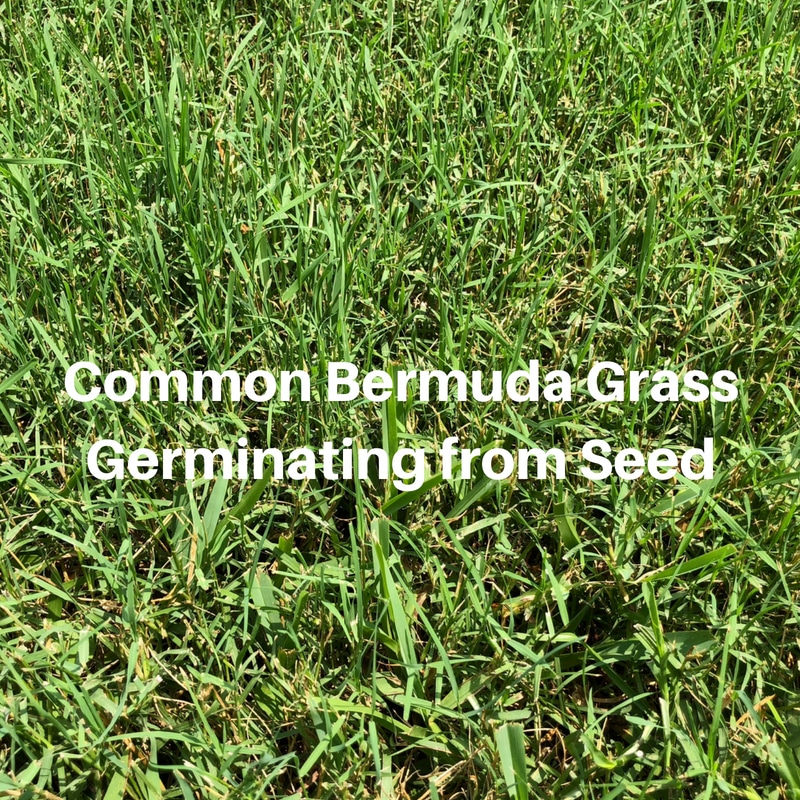
Credit: houstonturfgrass.com
Bermuda Grass Seed Basics
Bermuda grass is a popular choice for warm climates. It grows fast and creates a thick, green lawn. Knowing the basics of Bermuda grass seed helps you start right. Understanding seed types, planting time, and soil needs sets the stage for healthy growth.
These basics also affect how long Bermuda grass seed takes to grow. Proper care can speed up germination and root development. Let’s explore the key points to get your Bermuda grass growing strong.
Seed Types
Bermuda grass seeds come in different types. Common Bermuda is the most used type for lawns. It grows quickly and handles heat well. Hybrid Bermuda seeds are another option. They offer finer blades and denser growth. Choose the seed type that fits your lawn goals and climate.
Ideal Planting Time
Plant Bermuda grass seed in warm months. Late spring to early summer is best. Soil temperature should reach about 65°F or higher. Warm soil helps seeds sprout faster. Avoid planting in cold or wet conditions. Seeds may rot or grow very slowly then.
Soil Requirements
Bermuda grass prefers well-drained soil. Sandy or loamy soil works best. Soil pH should be between 5.8 and 7.0. Test your soil before planting. Adding organic matter can improve soil health. Good soil helps roots grow deep and strong. Proper soil also supports steady seed germination.
Germination Timeline
The germination timeline of Bermuda grass seed shows how soon you can expect new grass sprouts. This timeline helps gardeners plan their lawn care and watering schedules. Understanding this process makes growing healthy Bermuda grass easier.
Typically, Bermuda grass seeds start to sprout within a short time after planting. The exact time depends on several conditions. Watching for early signs of growth lets you know if the seeds are doing well.
First Signs Of Growth
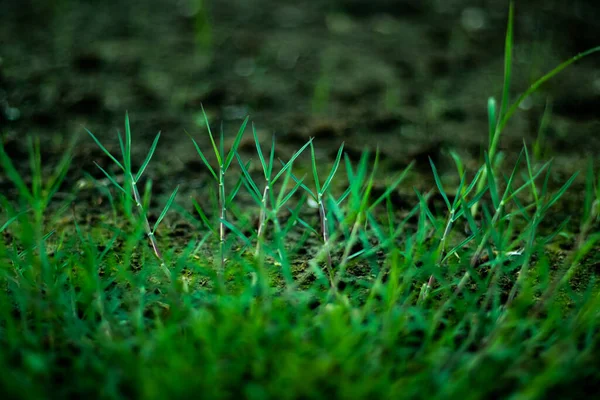
Bermuda grass seeds usually germinate in 7 to 14 days. Tiny green shoots appear just above the soil surface. These shoots look like thin, light green threads. You may notice small roots below the soil at this stage. Growth is slow but steady during the first two weeks.
Factors Affecting Germination
Soil temperature plays a big role in seed sprouting. Warm soil around 70 to 95°F speeds up germination. Cool or very hot soil slows the process. Moisture is also key. The soil must stay damp but not soaked. Poor soil quality or lack of sunlight can delay growth. Using fresh, high-quality seeds improves results.
Common Germination Issues
Seeds may fail to germinate due to dry soil or extreme temperatures. Overwatering can cause seeds to rot or wash away. Pests and birds sometimes eat the seeds before they sprout. Soil crusting after heavy rain stops shoots from emerging. Checking the soil and protecting the area helps prevent these problems.
Early Growth Stages
The early growth stages of Bermuda grass seed are crucial for a healthy lawn. This phase determines how well the grass will establish itself. Understanding these stages helps you care for the grass properly. Early care influences growth speed and lawn quality.
Seedling Development
Bermuda grass seeds usually sprout within 7 to 14 days. The first signs are tiny green shoots breaking through the soil. Seedlings are delicate and need gentle care. Roots start growing deeper to find water and nutrients. This stage lasts about 3 to 4 weeks. Strong seedling growth means a better lawn later.
Watering Needs
New Bermuda grass needs frequent watering to stay moist. Water lightly several times a day during the first two weeks. Avoid soaking the soil; excess water can harm seedlings. After the grass grows stronger, reduce watering to once a day. Proper watering helps roots grow deep and healthy.
Sunlight Exposure
Bermuda grass thrives in full sunlight. It needs at least 6 to 8 hours of direct sun daily. Sunlight helps seedlings grow fast and strong. Avoid shady areas during early growth, as grass may struggle. Good sunlight exposure leads to thicker, greener grass.

Credit: thegrassoutlet.com
Maturity And Establishment
Understanding the maturity and establishment of Bermuda grass seed helps set realistic expectations. This stage is crucial for the grass to form a strong, healthy lawn. Patience and proper care during this time ensure the best results.
Timeline To Full Coverage
Bermuda grass seed usually takes 10 to 14 days to sprout. Full coverage occurs between 6 to 12 weeks after planting. Warm weather speeds up growth. Cooler temperatures slow it down. The grass spreads quickly once established.
Root System Development
Strong roots develop in the first 4 to 6 weeks. Deep roots help the grass survive drought and stress. Shallow roots mean weaker grass. Healthy roots absorb water and nutrients better. This stage builds a solid foundation for a lush lawn.
Maintenance Tips
Water the grass lightly every day during the first weeks. Avoid overwatering to prevent disease. Mow the grass when it reaches 2 inches tall. Keep mower blades sharp to avoid tearing. Fertilize after the grass is well established. These steps support fast growth and thick coverage.
Speeding Up Growth
Speeding up the growth of Bermuda grass seed helps create a lush lawn faster. Simple steps can boost seed germination and blade development. Focus on soil health, feeding, and keeping pests away.
Fertilization Strategies
Fertilize Bermuda grass seed with nitrogen-rich fertilizer. Use a balanced mix to support root and leaf growth. Apply fertilizer in small amounts every few weeks. Avoid overfeeding; it can harm young grass.
Soil Preparation
Prepare soil by loosening it deeply before planting. Remove rocks, debris, and weeds for a clean seedbed. Test soil pH and adjust it to 6.0-7.0 for best results. Add organic matter like compost to improve soil texture and nutrients.
Pest And Weed Control
Protect young Bermuda grass from pests like grubs and chinch bugs. Use natural or mild insecticides to avoid damage. Remove weeds regularly as they compete for nutrients and water. Mulching can help suppress weed growth around seedlings.
Troubleshooting Growth Delays
Sometimes Bermuda grass seed takes longer to grow than expected. This delay can be frustrating. Understanding common problems helps solve these issues quickly. Proper care and attention can bring your lawn back on track. Patience and the right actions make a big difference in growth.
Common Problems
Poor soil quality stops seed from growing well. Compacted soil blocks roots from spreading. Lack of water dries out seeds before they sprout. Too much water causes seeds to rot. Cold weather slows down seed germination. Shade limits sunlight needed for growth. Pests and insects eat seeds or young shoots. Using old or bad seed reduces growth success.
Solutions And Prevention
Loosen soil to improve air and water flow. Water the soil gently but keep it moist. Avoid waterlogging by ensuring good drainage. Plant Bermuda grass seed in warm weather. Choose a sunny spot to help growth. Use fresh, high-quality seed for better results. Protect your lawn from pests with natural remedies. Regularly check soil and grass health to act fast.
Seasonal Considerations
Seasonal changes affect how Bermuda grass seed grows. Understanding these changes helps you plant at the right time. It also guides how to care for the grass through the year. Different climates and seasons demand different steps for healthy growth.
Planting In Different Climates
Warm climates allow Bermuda grass seed to sprout faster. The soil stays warm, which helps seed germinate in 7 to 14 days. Cooler climates slow down this process. Seeds may take up to 21 days to grow there.
Spring and early summer work best for planting in most areas. This timing uses warm soil and longer daylight. Avoid planting in cold or wet seasons. Seeds might rot or fail to sprout.
Adjusting Care Throughout The Year
Water Bermuda grass seeds lightly every day until they sprout. After that, reduce watering to encourage deep roots. Fertilize during the active growing season for strong grass.
In hot summer months, water early in the morning. This prevents water loss from heat. During cooler months, water less to avoid root rot. Mow Bermuda grass regularly but not too short.
Credit: theturfgrassgroup.com
Frequently Asked Questions
How Long Does Bermuda Grass Seed Take To Germinate?
Bermuda grass seed typically germinates within 7 to 14 days. Warm soil temperatures between 65°F and 85°F speed up the process. Consistent moisture and sunlight also help seeds sprout faster.
When Will Bermuda Grass Seed Fully Grow?
Bermuda grass usually reaches full growth in 6 to 8 weeks. Proper watering, fertilization, and warm weather promote healthy and dense turf development during this period.
What Affects Bermuda Grass Seed Growth Speed?
Soil temperature, moisture, sunlight, and soil quality affect growth speed. Cooler temperatures or dry conditions delay germination and growth. Using quality seed and proper lawn care improves results.
Can Bermuda Grass Seed Grow In Cooler Climates?
Bermuda grass grows best in warm climates but can survive mild cooler areas. Germination slows below 65°F, and growth becomes sparse in cold weather. Use cold-tolerant varieties for better success.
Conclusion
Bermuda grass seed usually starts to grow within 7 to 14 days. Warm soil and proper watering help speed up the process. Patience is key because full growth can take several weeks. Keep the soil moist but not soggy during this time.
Regular care ensures a healthy, green lawn. With simple steps, your Bermuda grass will thrive nicely. Growing grass takes time, but the results are worth it. Stay consistent and enjoy your lush, green yard soon.
