

Are you struggling to keep your Bermuda grass lush and green? One of the biggest questions homeowners face is how often they should fertilize their lawn to achieve that perfect look.
Too little fertilizer, and your grass can become thin and patchy. Too much, and you risk damaging your lawn or wasting money. You’ll discover the ideal fertilizing schedule tailored specifically for Bermuda grass. By following these simple guidelines, you’ll unlock the secret to a healthier, thicker lawn that stands out in your neighborhood.
Keep reading to find out exactly how to give your Bermuda grass the care it needs—without any guesswork.
Bermuda Grass Growth Cycle
Bermuda grass follows a clear growth cycle each year. Understanding this cycle helps you fertilize at the right times. The grass grows actively in warm months and slows down as temperatures drop. Knowing when Bermuda grass grows fast or stays quiet improves lawn care and keeps your grass healthy.
Seasonal Growth Patterns
Bermuda grass grows best in warm weather. It starts growing in spring as temperatures rise above 60°F. Growth speeds up in summer with plenty of sunlight and heat. The grass spreads quickly and turns lush green. Fertilizing during this time supports strong growth and deep roots.
Growth slows in late summer when heat peaks. The grass uses nutrients to stay healthy but grows less rapidly. Fertilizer should be applied carefully to avoid burning the grass. As fall arrives, growth decreases further. Bermuda grass prepares for cooler weather by storing energy.
Dormant Periods
Bermuda grass goes dormant in cold weather. When temperatures fall below 50°F, the grass stops growing. It turns brown and looks dry. Dormancy protects the grass from frost and freezing damage. Fertilizing during dormancy is not helpful and can waste nutrients.
The dormant period usually lasts through winter. Grass stays inactive until spring warms the soil. Avoid fertilizing during this time to prevent harming the roots. Once temperatures rise again, Bermuda grass wakes up and starts growing.
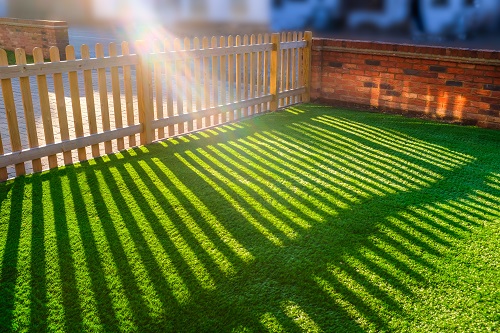
Credit: blog.evergreenturf.com
Fertilizer Types For Bermuda Grass
Choosing the right fertilizer type helps Bermuda grass grow thick and green. Different fertilizers offer various benefits. Knowing these options makes lawn care easier and more effective.
Nitrogen-rich Options
Bermuda grass thrives with nitrogen-rich fertilizers. Nitrogen promotes leaf growth and deep green color. Look for fertilizers with a high first number in the N-P-K ratio. These help the grass stay healthy through hot seasons.
Slow-release Vs. Quick-release
Slow-release fertilizers feed grass gradually over weeks. This prevents nutrient loss and reduces the risk of burning. Quick-release types work fast but need more frequent application. Choose based on how fast you want results and how much care you can give.
Organic Alternatives
Organic fertilizers come from natural sources like compost and manure. They improve soil health and release nutrients slowly. These options are safer for the environment and pets. Organic fertilizers support long-term lawn strength and reduce chemical use.
Optimal Fertilizing Schedule
Fertilizing Bermuda grass at the right times keeps it healthy and green. A good schedule helps the grass grow strong roots and resist weeds. Knowing when to apply fertilizer ensures your lawn looks its best all year. Follow these simple seasonal tips for the best results.
Spring Application
Start fertilizing Bermuda grass in early spring. Use a fertilizer high in nitrogen to boost new growth. Apply it once the grass begins to green up. This helps the grass recover from winter dormancy. Avoid fertilizing too early to prevent waste and damage.
Summer Maintenance
Fertilize Bermuda grass every 6 to 8 weeks during summer. Use a balanced fertilizer to maintain steady growth. Water the lawn after applying fertilizer to help nutrients soak in. Avoid heavy feeding in the hottest months to reduce stress on the grass.
Fall Preparation
Apply fertilizer in early fall to prepare Bermuda grass for winter. Choose a fertilizer with lower nitrogen and higher potassium. This strengthens roots and helps the grass store energy. Stop fertilizing by late fall to allow the grass to rest.
Factors Affecting Fertilizing Frequency
Fertilizing Bermuda grass is not a one-size-fits-all task. Several factors influence how often you should apply fertilizer. Understanding these factors helps keep your lawn healthy without wasting resources. This section covers key points to consider before setting a fertilizing schedule.
Soil Quality And Testing
Soil quality greatly affects fertilizer needs. Poor soil may lack essential nutrients. Testing the soil reveals its nutrient content and pH level. This information guides the type and amount of fertilizer to use. Regular soil tests prevent over-fertilizing and protect the environment.
Climate And Weather Impact
Climate plays a big role in fertilizing frequency. Hot, dry weather stresses Bermuda grass. During these times, reduce fertilizer applications. Wet and mild seasons support more frequent feeding. Adjust fertilizer timing to match local weather patterns for best results.
Grass Health And Usage
The health and use of Bermuda grass matter too. Lawns with heavy foot traffic need more nutrients. Healthy, well-established grass may require less fertilizer. Watch your lawn for signs of stress or discoloration. These signs help decide when to fertilize.
Common Fertilizing Mistakes
Fertilizing Bermuda grass can boost its growth and green color. Yet, mistakes in fertilizing happen often. These errors can harm the lawn instead of helping it. Knowing common fertilizing mistakes helps keep your grass healthy and strong.
Overfertilizing Risks
Too much fertilizer can burn Bermuda grass leaves. It causes yellow or brown spots on the lawn. Overfertilizing also wastes money and pollutes the environment. Excess nutrients can run off into water sources. This leads to algae growth and water pollution.
Underfeeding Consequences
Not giving enough fertilizer slows grass growth. The lawn may look thin and weak. Bermuda grass can turn pale green or yellow. It becomes more open to weeds and pests. Underfeeding makes the lawn less able to recover from damage.
Timing Errors
Applying fertilizer at the wrong time reduces its effect. Fertilizing in cold or dormant seasons wastes nutrients. Grass cannot absorb fertilizer well during these times. The best time to fertilize is during active growth months. Proper timing leads to greener, thicker Bermuda grass.
Tools And Techniques For Application
Applying fertilizer to Bermuda grass needs the right tools and methods. This helps the grass absorb nutrients evenly. Proper tools and techniques avoid waste and protect the lawn.
Choosing the correct equipment and following good steps make fertilizing effective. This section explains the main tools and ways to apply fertilizer.
Spreader Types
Use a spreader to apply fertilizer evenly over the lawn. There are two main types: drop spreaders and broadcast spreaders.
Drop spreaders release fertilizer in a straight line below the spreader. They offer precise control and less waste. Best for small or narrow areas.
Broadcast spreaders throw fertilizer out in a wide pattern. They cover large areas quickly. Ideal for medium to big lawns.
Choose a spreader that fits your lawn size and budget. Check the settings to match the fertilizer type.
Proper Application Methods
Measure your lawn area before spreading fertilizer. This prevents over or under application. Read the fertilizer label for recommended amounts.
Apply fertilizer in a pattern, like a grid or stripes. Overlap slightly to avoid bare spots.
Walk at a steady pace. Stop and start the spreader carefully to keep even coverage.
Use light layers instead of heavy doses. This helps the grass absorb nutrients better.
Watering After Fertilizing
Water the lawn soon after applying fertilizer. This helps the nutrients soak into the soil.
Use a sprinkler to moisten the grass lightly. Avoid heavy watering that washes away fertilizer.
Watering within 24 hours improves fertilizer effectiveness. It reduces the chance of burning the grass.
Check the weather. Avoid fertilizing before heavy rain to prevent runoff.
Signs Of Properly Fertilized Bermuda Grass
Proper fertilization is key to keeping Bermuda grass healthy and strong. Knowing the signs of well-fed grass helps you maintain a lush lawn. Fertilized Bermuda grass shows clear changes in color, growth, and health. These signs tell you the grass gets the right nutrients. Watch for these indicators to confirm your fertilizing schedule works well.
Color And Texture Changes
Healthy Bermuda grass turns a rich, deep green. The blades look vibrant and fresh. Fertilized grass feels soft but firm underfoot. It is thicker and denser than unfed grass. Pale or yellow patches mean a lack of nutrients. Dark green color means the grass absorbs fertilizer well.
Growth Rate Indicators
Fertilized Bermuda grass grows faster and more evenly. It fills bare spots quickly with new shoots. The grass stays lush during warm months. Slow or patchy growth shows nutrient deficiency. Regular feeding leads to steady, uniform grass height. Cutting frequency increases with good fertilizer use.
Resistance To Pests And Disease
Strong Bermuda grass resists insects and diseases better. Fertilized lawns recover faster from damage. Weak or pale grass invites pests and fungus. Good nutrition boosts the grass’s natural defenses. You will see fewer brown spots or thinning areas. Healthy grass stays vibrant despite stress.
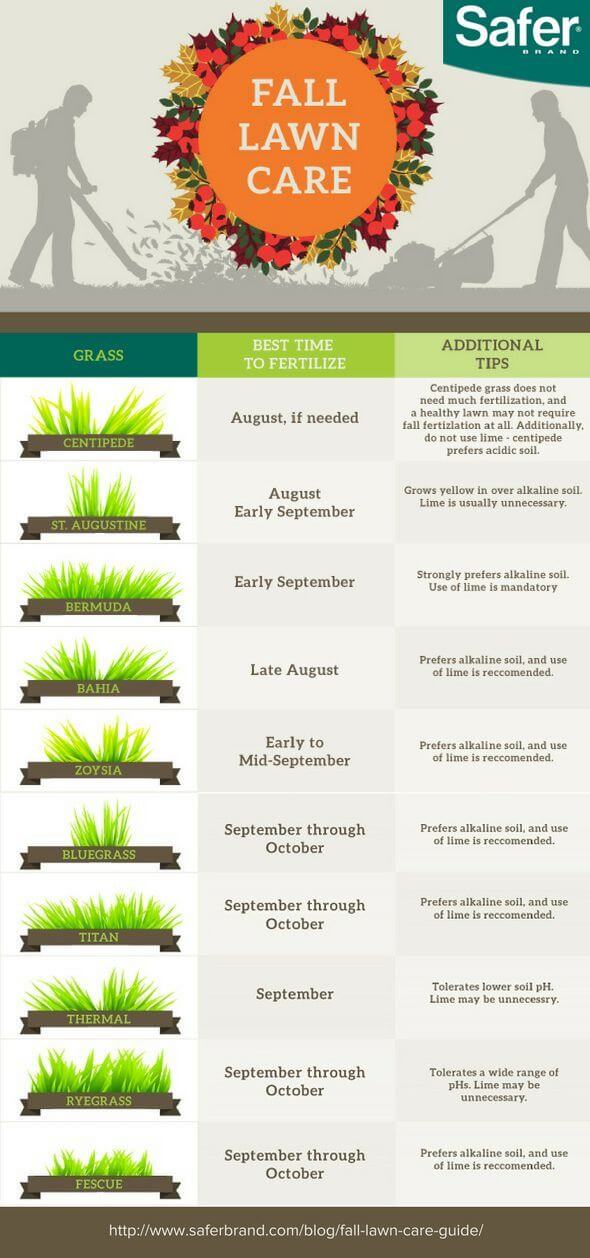
Credit: www.yourgreenpal.com
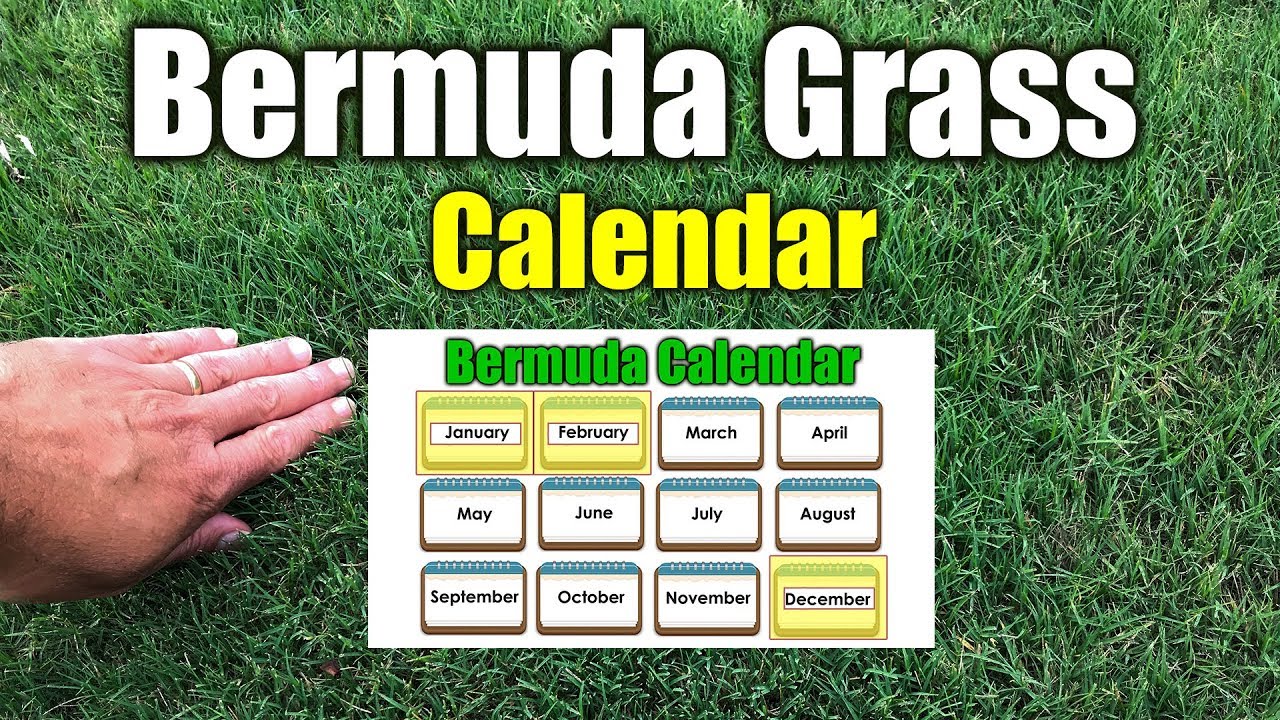
Credit: www.youtube.com
Frequently Asked Questions
How Often Should I Fertilize Bermuda Grass Yearly?
Fertilize Bermuda grass every 6 to 8 weeks during its growing season. This usually means 3 to 5 times annually from spring to early fall. Avoid fertilizing in winter when the grass is dormant to prevent nutrient waste and lawn damage.
What Is The Best Fertilizer For Bermuda Grass?
Choose a fertilizer high in nitrogen, like a 16-4-8 or 21-7-14 blend. Nitrogen promotes lush, green growth and strong roots. Use slow-release fertilizers to feed the grass steadily and reduce frequent applications.
Can I Over-fertilize Bermuda Grass?
Yes, over-fertilizing can harm Bermuda grass. It may cause excessive thatch, weak roots, and increased disease risk. Follow recommended fertilizer rates and schedules for healthy, balanced lawn growth.
When Is The Best Time To Fertilize Bermuda Grass?
Apply fertilizer in late spring after the grass fully greens up. This timing supports active growth and nutrient uptake. Avoid fertilizing during drought or extreme heat to prevent stress.
Conclusion
Fertilizing Bermuda grass regularly keeps your lawn healthy and green. Aim to feed it every 6 to 8 weeks during the growing season. Avoid over-fertilizing, as it can harm the grass. Use the right fertilizer type and follow package instructions carefully.
Good care brings strong roots and lush growth. Stay consistent, watch your lawn’s needs, and adjust feeding as required. Healthy Bermuda grass makes your yard look great all year. Simple steps lead to a beautiful, thriving lawn.
