

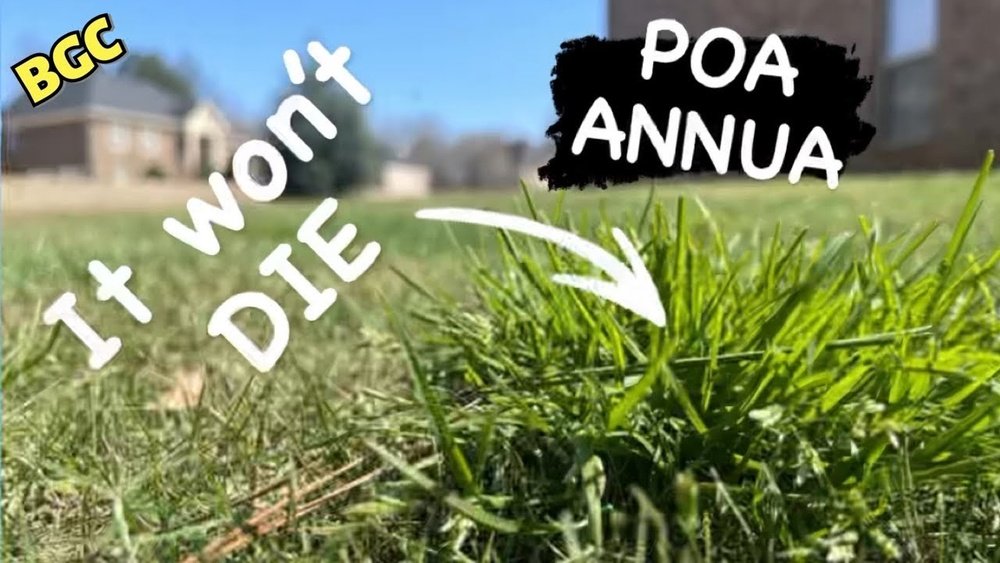
Are you tired of seeing those pesky patches of Poa Annua ruin your beautiful Bermuda grass lawn? You’re not alone.
Poa Annua, also known as annual bluegrass, can quickly take over and make your yard look uneven and unhealthy. But don’t worry—there are simple, effective ways to get rid of it and bring back the lush, green lawn you love.
You’ll discover easy steps to identify, control, and prevent Poa Annua, so your Bermuda grass stays strong and vibrant all season long. Keep reading to learn how to take back your lawn and enjoy the yard you deserve.
Credit: gcmonline.com
Identifying Poa Annua In Bermuda Grass
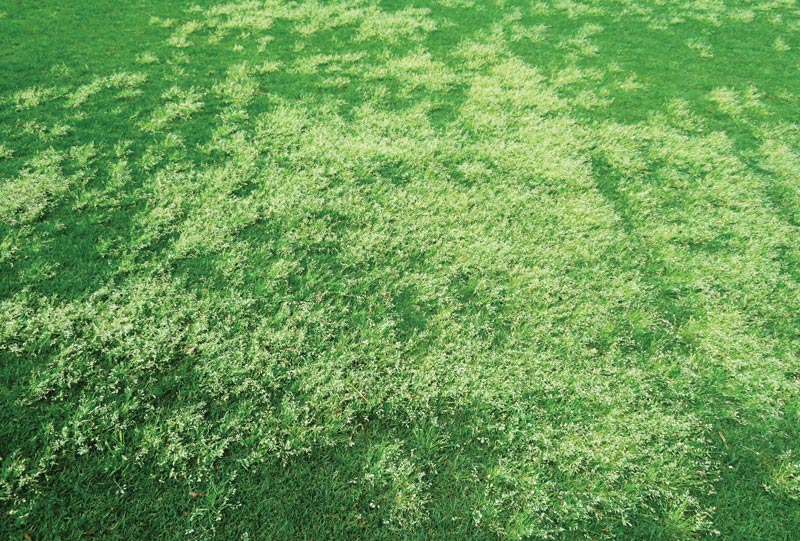
Identifying Poa Annua in Bermuda grass is the first step in controlling this invasive weed. Poa Annua, also called annual bluegrass, often disrupts the smooth look of Bermuda lawns. Knowing how to spot it helps you act quickly and protect your lawn’s health.
Characteristics Of Poa Annua
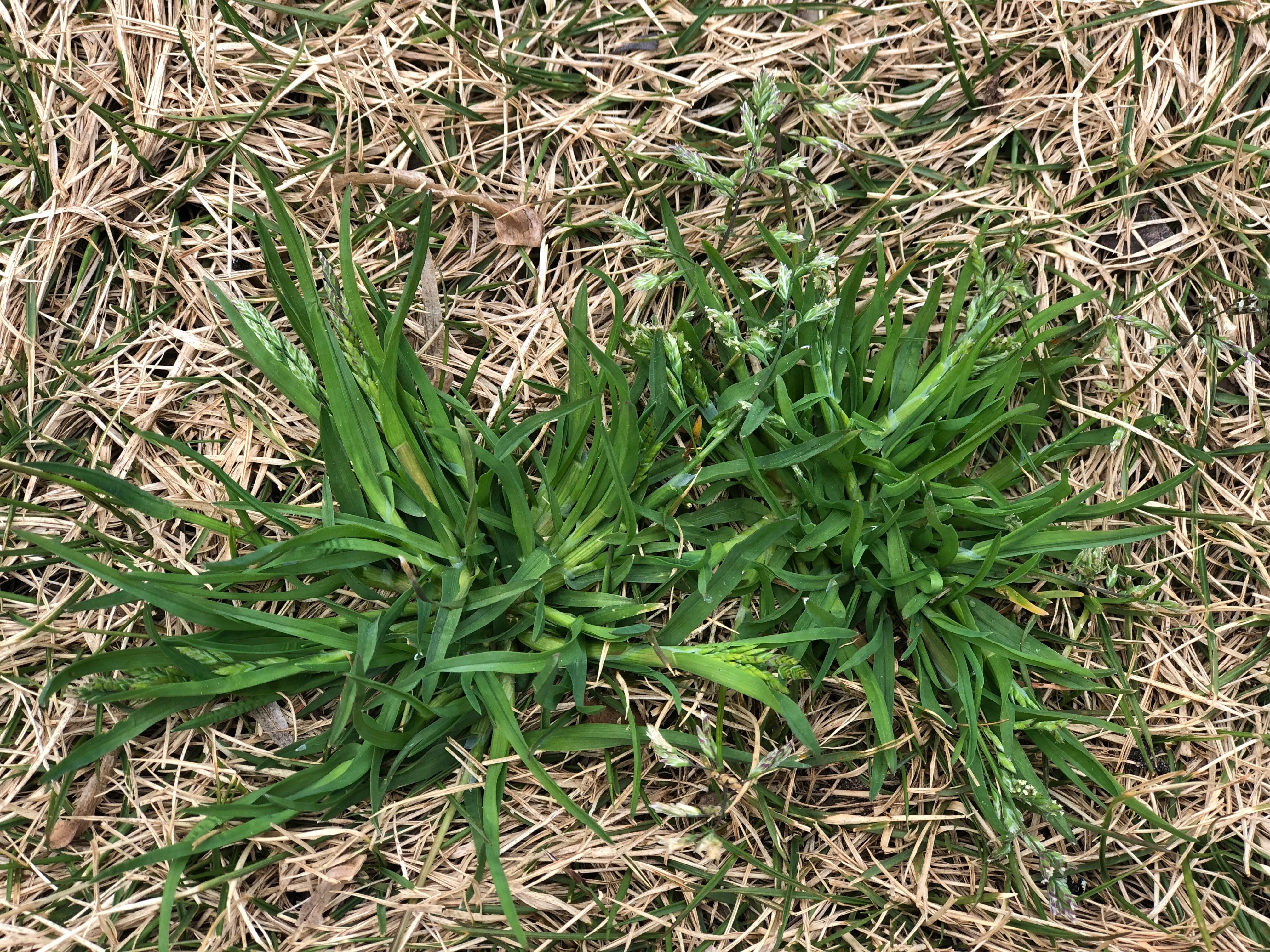
Poa Annua is a light green grass with a soft texture. It grows in clumps and has a spreading habit. The leaf blades are wider and flatter than Bermuda grass. Poa Annua produces small seed heads that look like tiny umbrellas. It often grows faster and flowers earlier than Bermuda grass. This grass thrives in moist and shady areas.
Differences Between Poa Annua And Bermuda Grass
Bermuda grass has a darker green color and feels coarse. Its blades are narrow and have a rough edge. Bermuda spreads through runners, creating a dense lawn. Poa Annua grows in bunches and can look patchy. The seed heads of Poa Annua are visible in spring, unlike Bermuda. Bermuda grass recovers well from heat and drought. Poa Annua prefers cooler, wet conditions and dies back in summer.
Common Areas Of Infestation
Poa Annua often appears in thin or damaged Bermuda grass spots. It grows near sprinkler heads and shaded lawn corners. Areas with poor drainage or compacted soil also attract Poa Annua. Watch for it along lawn edges and walkways. These places provide the moist conditions Poa Annua needs. Early detection in these spots helps prevent spread.
Preventing Poa Annua Growth
Preventing Poa Annua growth is the best way to keep your Bermuda grass healthy. Poa Annua spreads quickly and can crowd out your grass. Stopping it early saves time and effort later. Focus on creating strong, healthy Bermuda grass. A thick lawn does not give Poa Annua space to grow.
Proper Lawn Maintenance
Mow your Bermuda grass regularly at the right height. Keep the mower blades sharp for clean cuts. Remove grass clippings to reduce seed spread. Aerate the lawn to improve air and water flow. Fertilize with balanced nutrients to encourage strong roots. Remove weeds by hand if you spot them early.
Soil Management Techniques
Test your soil to check pH and nutrient levels. Bermuda grass grows best in slightly acidic to neutral soil. Add lime or sulfur to adjust soil pH as needed. Improve soil drainage to prevent wet spots. Use organic matter like compost to enrich the soil. Healthy soil supports strong grass that resists weeds.
Watering Practices To Discourage Poa Annua
Water deeply but less often to promote deep roots. Avoid frequent shallow watering that favors Poa Annua. Water early in the morning to reduce leaf wetness. Wet leaves at night create ideal conditions for Poa Annua. Use drip irrigation or soaker hoses to limit surface moisture. Proper watering helps Bermuda grass stay strong and competitive.
Cultural Control Methods
Cultural control methods help manage Poa annua by improving Bermuda grass health. These methods focus on creating a strong lawn that resists weeds naturally. Healthy Bermuda grass grows thick and crowds out Poa annua. Simple care steps make a big difference in controlling this weed.
Mowing Strategies
Keep Bermuda grass mowed at the right height. Set the mower blade between 1 and 2 inches. Cutting too short stresses Bermuda grass and helps Poa annua grow. Mow regularly to avoid letting weeds produce seeds. Always use sharp mower blades for clean cuts.
Fertilization Tips
Feed Bermuda grass with balanced fertilizer during the growing season. Use nitrogen-rich fertilizer to promote strong growth. Avoid over-fertilizing, which can harm the lawn and encourage weeds. Fertilize in spring and summer when Bermuda grass grows fast. Proper feeding keeps grass healthy and less inviting for Poa annua.
Enhancing Bermuda Grass Density
Increase Bermuda grass density by overseeding bare spots. Use high-quality Bermuda grass seed suited for your area. Water new seed lightly but often until it sprouts. Dense grass blocks sunlight from reaching weed seeds. Thick turf reduces space for Poa annua to grow.
Credit: golfcourselawn.store
Chemical Control Options
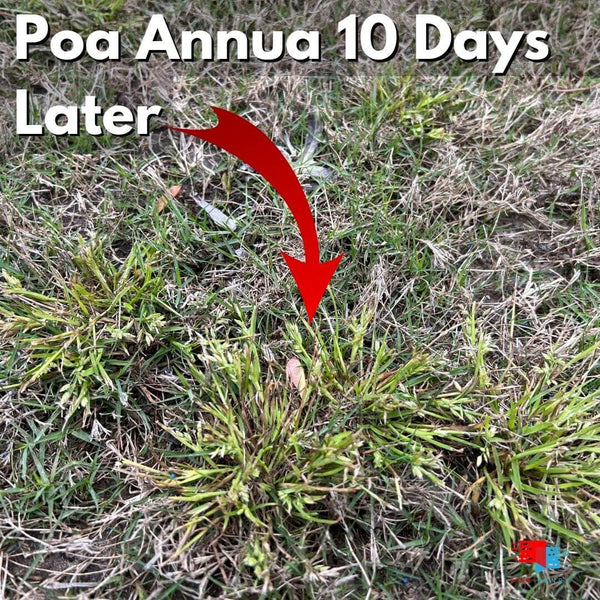
Chemical control is a common method to manage Poa Annua in Bermuda grass. It helps reduce the weed before it spreads widely. Using herbicides correctly can protect your lawn and keep Bermuda grass healthy.
Pre-emergent Herbicides
Pre-emergent herbicides stop Poa Annua seeds from growing. Apply them early in the season before weeds appear. These products create a barrier in the soil. They prevent seeds from sprouting and taking root.
Timing is important. Apply pre-emergents in late winter or early spring. This timing targets Poa Annua seeds just as they start to germinate. Reapply as needed, following the product instructions carefully.
Post-emergent Herbicides
Post-emergent herbicides kill Poa Annua after it grows. They work on young or mature weeds. Spot treatments work best to avoid harming Bermuda grass.
Choose selective herbicides that target Poa Annua but not Bermuda. Spray directly on the weeds for best results. Avoid overuse to prevent damage to your lawn.
Safe Application Practices
Always read and follow the herbicide label instructions. Wear protective clothing like gloves and masks. Avoid spraying on windy days to prevent drift.
Keep pets and children away from treated areas until dry. Water the lawn only as recommended after application. Proper use protects your lawn and the environment.
Natural And Organic Remedies
Natural and organic remedies offer safe ways to control Poa Annua in Bermuda grass. These methods avoid harsh chemicals and protect the environment. They help keep your lawn healthy and green while reducing weed growth. Use these simple and effective solutions for better lawn care.
Homemade Solutions
Vinegar is a popular homemade weed killer. Mix one part white vinegar with two parts water. Spray it directly on Poa Annua leaves. Be careful to avoid Bermuda grass, as vinegar can harm it too. Another option is boiling water. Pour it carefully on the weeds to kill them. These natural solutions work best on small patches of Poa Annua.
Beneficial Lawn Practices
Proper lawn care helps prevent Poa Annua from spreading. Mow Bermuda grass at the right height, usually one to two inches. Water deeply but less often to encourage strong roots. Aerate the soil to improve air and water flow. Remove thatch regularly to reduce weed seeds. Healthy Bermuda grass crowds out Poa Annua and keeps it under control.
Using Corn Gluten Meal
Corn gluten meal is a natural pre-emergent herbicide. Apply it in early spring before Poa Annua seeds sprout. It stops weed seeds from growing without harming Bermuda grass. Corn gluten also adds nitrogen to the soil, helping your lawn grow. Use it according to package instructions for the best results.
Monitoring And Long-term Management
Effective control of Poa Annua in Bermuda grass requires constant attention. Monitoring and long-term management help stop this weed from taking over your lawn. Regular checks and adapting your care keep Bermuda grass healthy and strong. This approach also makes treatments more effective over time. Patience and persistence are key to success.
Regular Lawn Inspections
Inspect your lawn every week or two. Look closely for small patches of Poa Annua. Early detection makes removal easier and prevents spread. Check areas near walkways, garden beds, and shaded spots. Use a hand lens if needed. Spotting Poa Annua early saves time and effort.
Adjusting Care Based On Seasonal Changes
Change your lawn care routine with the seasons. In spring and fall, Poa Annua grows faster. Increase mowing frequency and adjust watering to favor Bermuda grass. Avoid overwatering, which helps Poa Annua thrive. Use fertilizers carefully to boost Bermuda grass, not weeds. Seasonal care keeps your lawn strong and less inviting to Poa Annua.
Record Keeping For Treatment Success
Keep a simple journal of your lawn care activities. Note dates of inspections, treatments, and weather conditions. Track which herbicides or methods work best. Record any changes in Poa Annua growth. This helps you refine your plan over time. Clear records make managing Poa Annua easier and more effective.
Credit: info.supersod.com
Frequently Asked Questions
What Is Poa Annua And Why Is It A Problem?
Poa Annua is a common annual weed that invades Bermuda grass lawns. It competes for nutrients, water, and sunlight, weakening Bermuda grass and causing patchy, unsightly turf. Controlling Poa Annua helps maintain a healthy, dense Bermuda grass lawn.
How Can I Prevent Poa Annua In Bermuda Grass?
To prevent Poa Annua, maintain a healthy Bermuda lawn by mowing regularly and watering deeply. Use pre-emergent herbicides in early spring to stop weed seeds from germinating. Proper lawn care reduces weed invasion and promotes Bermuda grass growth.
Which Herbicides Effectively Remove Poa Annua?
Selective post-emergent herbicides with active ingredients like MSMA or mesotrione work well against Poa Annua. Always follow label instructions to avoid harming Bermuda grass. Combining herbicides with good cultural practices improves long-term control.
When Is The Best Time To Treat Poa Annua?
The best time to treat Poa Annua is during its active growth in early spring or fall. Applying herbicides when weeds are young ensures better control. Avoid treatment during Bermuda grass dormancy to reduce stress on the lawn.
Conclusion
Controlling Poa Annua in Bermuda grass needs patience and care. Regular mowing keeps your lawn healthy and strong. Use proper herbicides to target Poa Annua effectively. Water your grass deeply but less often to avoid weeds. Remember, consistent care brings the best results.
Small steps add up to a beautiful lawn. Keep watching your yard and act quickly when you spot weeds. A healthy Bermuda grass lawn can resist Poa Annua better. Stay patient, and your lawn will improve over time.
