


If you want your Bermuda grass to stay lush, green, and healthy all year long, knowing how to fertilize it properly is key. Fertilizing the right way can transform your lawn from patchy and dull to thick and vibrant.
But if you’re unsure about when, how much, or what type of fertilizer to use, don’t worry—you’re not alone. You’ll discover simple, effective tips that make fertilizing Bermuda grass easy, so you can enjoy the best lawn on the block without the guesswork.
Ready to unlock your lawn’s full potential? Keep reading!

Credit: www.lawnstarter.com
Choosing The Right Fertilizer
Choosing the right fertilizer is key to a healthy Bermuda grass lawn. The right nutrients help the grass grow strong and green. Different fertilizers offer different benefits. Knowing what Bermuda grass needs makes a big difference. Here is a simple guide to help you pick the best fertilizer.
Types Of Fertilizers For Bermuda Grass
Bermuda grass grows best with fertilizers rich in nitrogen. There are three main types: granular, liquid, and slow-release. Granular fertilizers spread easily and last longer. Liquid fertilizers act faster but may need frequent use. Slow-release fertilizers feed the grass over time. Choose based on your lawn’s needs and care routine.
Nutrient Requirements
Bermuda grass needs mostly nitrogen for lush green growth. It also needs phosphorus and potassium in smaller amounts. Nitrogen helps blades grow thick and green. Phosphorus supports root growth. Potassium improves disease resistance and drought tolerance. A balanced fertilizer with these nutrients keeps the lawn healthy year-round.
Organic Vs. Synthetic Options
Organic fertilizers come from natural sources like compost and manure. They improve soil health and release nutrients slowly. Synthetic fertilizers contain chemical nutrients and act quickly. They provide a fast green-up but need careful use to avoid burning. Choose organic for long-term soil health or synthetic for quick results.
When To Fertilize Bermuda Grass
Knowing when to fertilize Bermuda grass is key to a healthy lawn. Applying fertilizer at the right time helps the grass grow strong and green. Fertilizing at the wrong time can waste product and hurt your lawn’s health. Timing depends on the grass’s growth cycle and the seasons.
Seasonal Fertilizing Schedule
Bermuda grass grows best in warm weather. Start fertilizing in late spring when the grass begins to green. Apply fertilizer every 6 to 8 weeks during the growing season. Stop fertilizing in early fall to prepare the grass for winter. Avoid fertilizing in winter. The grass is dormant and won’t use nutrients.
Signs Your Lawn Needs Fertilizer
Look for pale or yellow grass blades. Slow growth can also mean your lawn needs fertilizer. Patchy or thin areas show nutrient deficiency. Grass that easily pulls up from the soil may lack strength. These signs mean it’s time to feed your Bermuda grass.
How To Apply Fertilizer
Applying fertilizer to Bermuda grass is a simple task that helps keep your lawn green and healthy. The right method ensures the nutrients spread evenly and absorb well. This section guides you through the tools, steps, and common mistakes to avoid.
Tools And Equipment
Gather a broadcast spreader or drop spreader for even fertilizer coverage. A garden hose with a spray nozzle helps water the lawn after application. Use gloves to protect your hands from chemicals. Have a measuring cup or scoop to apply the correct fertilizer amount. Keep a small broom or brush to clean up any fertilizer on hard surfaces.
Step-by-step Application Process
Start by mowing your Bermuda grass to about 2 inches tall. Measure the lawn area to calculate the fertilizer needed. Fill the spreader with the right amount of fertilizer. Walk at a steady pace while spreading to avoid clumps. Apply fertilizer in one direction first, then cross over in another direction. Water the lawn lightly after spreading to help nutrients soak in.
Common Mistakes To Avoid
Do not apply fertilizer on wet grass; it can cause uneven spread. Avoid using too much fertilizer as it may burn the grass. Do not skip watering after application; nutrients need moisture. Avoid spreading fertilizer on sidewalks or driveways to prevent stains. Do not apply fertilizer during very hot weather; it can stress the grass.

Credit: theturfgrassgroup.com
Maintaining Soil Health
Healthy soil is the key to a lush Bermuda grass lawn. It supports roots and helps the grass absorb nutrients. Maintaining soil health keeps your lawn green and strong. Focus on soil testing, checking pH, and making necessary changes. These steps improve growth and prevent problems.
Soil Testing Tips
Test your soil every 2-3 years to know its condition. Use a soil test kit or send samples to a lab. Take samples from different spots in your lawn. Mix them for a balanced result. Follow instructions carefully for accurate results. Soil tests reveal nutrient levels and help plan fertilizing.
Ph Levels For Bermuda Grass
Bermuda grass grows best in soil with a pH between 5.8 and 7.0. This range allows nutrients to be absorbed easily. If pH is too low, soil is acidic. If too high, soil is alkaline. Both conditions limit nutrient uptake. Adjust pH to keep it in the right range.
Amending Soil For Better Growth
Use lime to raise low pH and sulfur to lower high pH. Add organic matter like compost to improve soil structure. This helps roots grow deep and absorb nutrients well. Mix amendments into the soil before fertilizing. Keep soil loose and well-drained for healthy Bermuda grass.
Watering After Fertilizing
Watering after fertilizing Bermuda grass is crucial for healthy growth. It helps the fertilizer soak into the soil. This allows nutrients to reach the roots quickly. Proper watering boosts the lawn’s green color and thickens the grass.
Too little water leaves fertilizer on the surface. This can burn the grass blades. Too much water washes away nutrients. Both situations reduce the fertilizer’s effectiveness.
Best Practices For Irrigation
Start watering within 24 hours after fertilizing. Use a gentle spray to avoid washing fertilizer away. Water deeply to soak the soil at least 6 inches. This encourages deep root growth. Water in the early morning to reduce evaporation. This helps the lawn absorb more nutrients.
Avoiding Overwatering
Do not water until the soil feels dry near the surface. Overwatering causes fertilizer to leach below roots. This wastes nutrients and harms grass health. Watch for puddles or runoff during watering. Stop watering if water pools appear. Overwatering can also cause fungus and disease.
Troubleshooting Fertilizer Issues
Fertilizing Bermuda grass helps keep it green and healthy. Sometimes problems happen with fertilizer use. Knowing how to spot and fix these problems saves your lawn.
Troubleshooting fertilizer issues ensures your grass grows well. It also protects your lawn from damage caused by too much or too little fertilizer. Check your grass often for signs of trouble.
Signs Of Overfertilization
Too much fertilizer can harm Bermuda grass. Watch for yellow or brown leaf tips. Grass may grow too fast and weak. You might see a white crust on the soil surface. These signs mean overfertilization.
Dealing With Fertilizer Burn
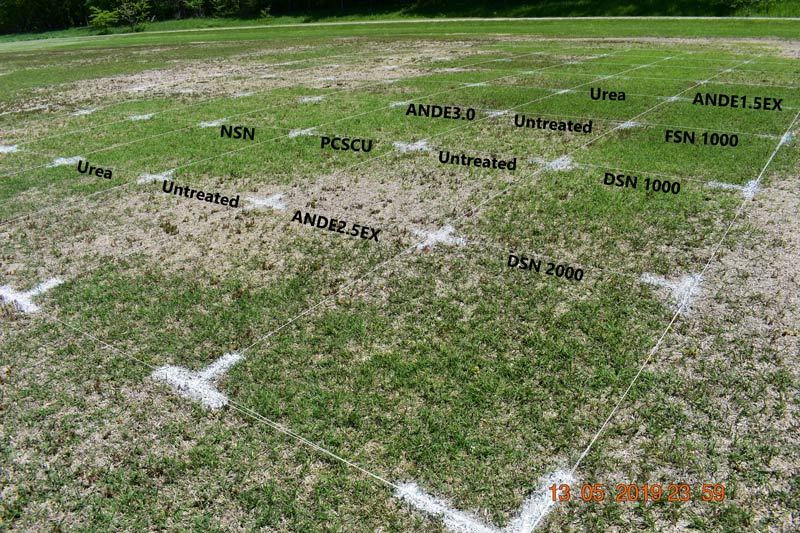
Fertilizer burn happens when chemicals hurt grass roots. Burned grass looks dry and patchy. Water the lawn deeply to wash out extra fertilizer. Avoid walking on the grass until it recovers. Use less fertilizer next time.
Adjusting Fertilizer Plan For Poor Results
Grass not improving? Adjust your fertilizer plan. Test soil to find nutrient needs. Use fertilizer with the right balance of nutrients. Fertilize less often or try a slow-release type. Watch your lawn closely after changes.
Credit: gcmonline.com
Frequently Asked Questions
How Often Should I Fertilize Bermuda Grass?
Fertilize Bermuda grass every 6 to 8 weeks during the growing season. This promotes healthy growth and vibrant color. Avoid fertilizing in dormant periods to prevent stress and nutrient waste.
What Is The Best Fertilizer For Bermuda Grass?
Use a fertilizer high in nitrogen, such as 16-4-8 or 21-7-14. Nitrogen supports lush, green growth. Ensure balanced phosphorus and potassium levels for root development and overall health.
When Is The Ideal Time To Fertilize Bermuda Grass?
The ideal time is late spring to early summer when the grass starts actively growing. Avoid fertilizing in early spring or late fall to prevent damage and nutrient runoff.
Can I Use Organic Fertilizer On Bermuda Grass?
Yes, organic fertilizers improve soil health and slowly release nutrients. They are safe and eco-friendly but may require more frequent application compared to synthetic options.
Conclusion
Fertilizing Bermuda grass keeps your lawn green and healthy. Use the right fertilizer at the right time. Avoid overfeeding to prevent damage. Water your lawn after applying fertilizer. Regular care helps grass grow strong and thick. Watch your lawn closely and adjust as needed.
Simple steps make a big difference in lawn health. Stay consistent for the best results. Your Bermuda grass will thank you with a lush, vibrant look.
