
Bermuda grass is a dense, bright green turf with narrow, pointed blades that grow upright in a V-shape. It spreads quickly through above-ground runners and underground stems, creating a thick, resilient lawn that thrives in warm, sunny conditions and recovers well from heat and drought.
Have you ever wondered what Bermuda grass looks like and how to spot it in your yard or garden? If you want a lush, green lawn that stands out, knowing the appearance of Bermuda grass is key.
This grass type is popular for its durability and vibrant color, but recognizing it can be tricky if you’re new to lawn care. You’ll discover the unique features that make Bermuda grass easy to identify. By the end, you’ll feel confident in spotting it and understanding why it might be the perfect choice for your outdoor space.
Keep reading to learn all about the look and feel of Bermuda grass!
Bermuda Grass Basics
Bermuda grass is a popular lawn grass known for its toughness and bright green color. It grows well in warm climates and spreads quickly. Many people choose it for sports fields, parks, and home lawns. Understanding its basics helps in caring for it properly.
This grass adapts to different soil types and handles drought well. Its growth pattern and leaf features make it stand out from other grasses. Knowing these details helps in identifying and maintaining Bermuda grass effectively.
Growth Patterns
Bermuda grass grows fast and spreads through runners called stolons and rhizomes. Stolons run above the soil surface, while rhizomes grow underground. This helps the grass fill empty spots quickly. It forms a dense, thick carpet that resists weeds and foot traffic. The grass grows best in full sun and can survive heat and drought. It goes dormant and turns brown in cold weather but recovers when warm again.
Leaf Characteristics
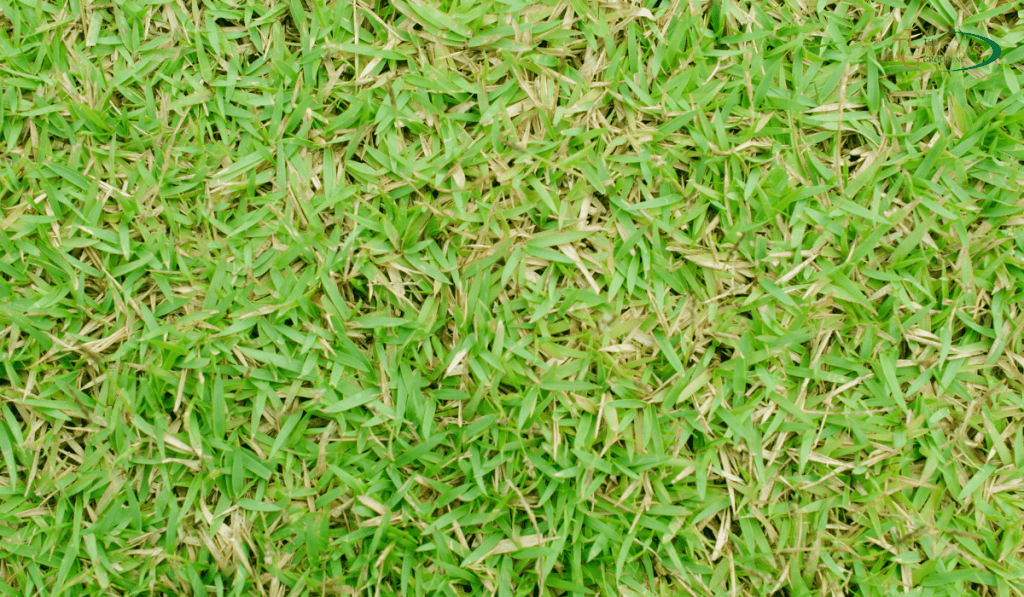
Bermuda grass leaves are narrow and pointed, usually 2 to 6 inches long. The blades have a rough texture and a bright green color. Each leaf has a visible midrib running down the center. The grass has fine hairs along the leaf edges that you can feel when touched. The leaves grow in a V-shape and stand upright. These features help Bermuda grass stay healthy and look fresh even in tough conditions.
Credit: theturfgrassgroup.com
Color And Texture
Bermuda grass is popular for its vibrant look and soft feel. Its color and texture make it a favorite for lawns and sports fields. Understanding these traits helps you identify and care for this grass type well.
Shade Of Green
Bermuda grass shows a bright green shade. It often looks rich and fresh in sunlight. The color can change a bit with the seasons. In warm months, it shines with a deep green tone. Cooler weather may make it look lighter or duller. This grass adds a lively green carpet to any yard.
Blade Texture
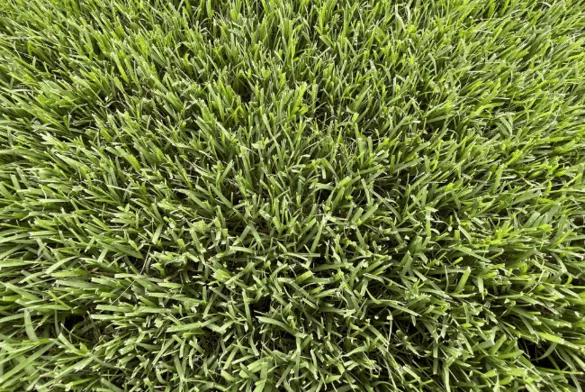
The blades of Bermuda grass are thin and fine. They feel soft underfoot but are tough enough to handle heavy use. The texture is smooth, with narrow leaves that grow tightly packed. This creates a dense, lush surface. The blades also have a slight roughness on the edges, giving them a natural grip.
Common Varieties
Bermuda grass has several common varieties. Each variety looks a bit different. These types suit different lawns and climates. Knowing these helps choose the right grass for your yard.
Common Bermuda
Common Bermuda grass has thin, light green blades. It grows quickly and spreads fast. This variety is tough and handles heat well. It forms a dense, carpet-like lawn. It may go dormant and turn brown in winter.
Hybrid Bermuda
Hybrid Bermuda has thicker and darker green blades. It grows more evenly than common Bermuda. This variety resists weeds and disease better. It stays green longer in cooler weather. It is popular for sports fields and golf courses.
Seasonal Changes
Bermuda grass changes its look through the seasons. These changes help the grass survive different weather conditions. Understanding these shifts helps in caring for your lawn properly. The grass adapts its color, texture, and growth rate depending on the time of year.
Spring Growth
In spring, Bermuda grass wakes up from dormancy. It starts to grow quickly as temperatures rise. The grass turns bright green and looks fresh. New shoots spread fast, making the lawn thick. This is the best time to fertilize and water the grass well.
Dormant Period
During cooler months, Bermuda grass goes dormant. It turns brown or yellow and stops growing. This helps the grass save energy and survive cold weather. The lawn looks dry but is still alive under the surface. Watering should be reduced to avoid damage during dormancy.
Distinguishing Features
Bermuda grass has clear features that make it easy to spot. Its unique parts help gardeners and lawn care experts identify it quickly. These features also explain why Bermuda grass spreads fast and looks lush.
Runner Stems
Bermuda grass spreads through runner stems called stolons and rhizomes. Stolons grow above the ground, stretching out in different directions. Rhizomes grow underground, creating a thick mat of grass roots. These runners help Bermuda grass fill bare spots fast. They also make the grass very tough and hard to remove.
Seed Heads
The seed heads of Bermuda grass are small but easy to recognize. They have three or more thin spikes that spread out like a star. These spikes hold the seeds that can grow new grass. The seed heads usually appear in the summer and are a sign the grass is healthy and mature.
Credit: www.jonathangreen.com
Comparing With Similar Grasses
Comparing Bermuda grass with other common grasses helps understand its unique features. Each grass type has its own look and feel. This comparison shows how Bermuda grass stands out in lawns and fields.
Zoysia Grass
Zoysia grass has thick, soft blades. It grows slower than Bermuda grass. Zoysia feels dense and plush underfoot. Its color is usually darker green. Bermuda grass blades are thinner and lighter green. Bermuda spreads quickly with runners. Zoysia forms a tight carpet, but slower. Both grasses tolerate heat well. Zoysia prefers less mowing than Bermuda.
St. Augustine Grass
St. Augustine grass has wide, flat blades. It looks coarse compared to Bermuda grass. Its color is a rich, dark green. St. Augustine grows in thick mats. It thrives in shade better than Bermuda. Bermuda grass prefers full sun and dries out in shade. St. Augustine needs more water. Bermuda has finer texture and faster spread. Each grass suits different lawn needs.
Tips For Identification
Identifying Bermuda grass requires careful observation of its unique features. This grass has distinct traits that help tell it apart from other types. Use simple steps to recognize it clearly. Pay attention to how it looks and feels.
Visual Inspection
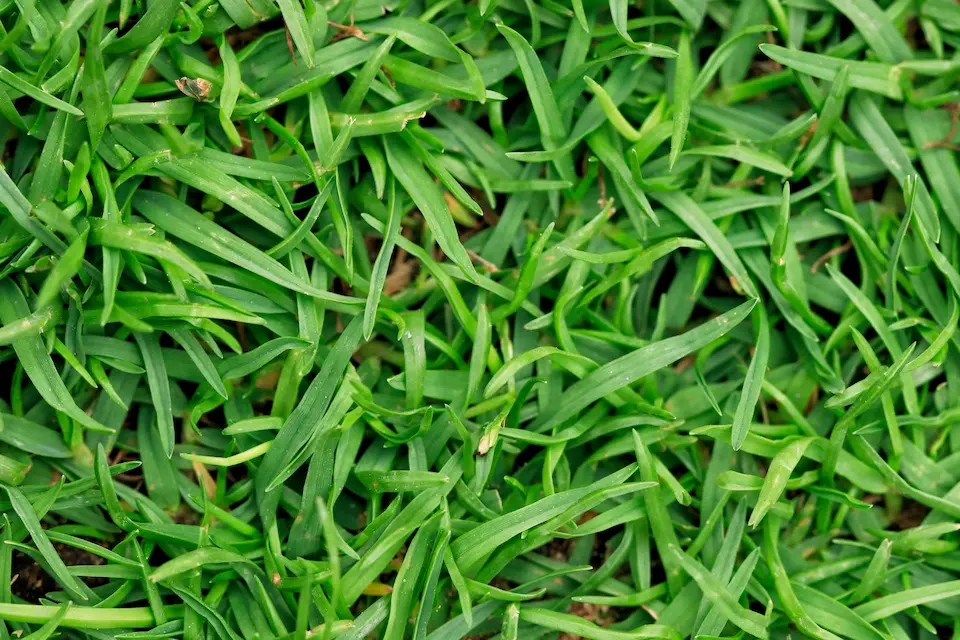
Bermuda grass has thin, green blades. The leaves are usually light to dark green. They grow in a dense, low mat across the ground. The grass blades are pointed and narrow, often about 1 to 3 millimeters wide. It spreads with runners called stolons and underground stems called rhizomes. This creates a thick carpet of grass. Look for a rough texture on the leaf surface. Small, fine hairs may be present on the blades. The grass also produces seed heads shaped like a fork with three to seven spikes.
Touch And Feel
The texture of Bermuda grass is coarse but not stiff. Run your fingers across the blades to feel the roughness. It is not soft like some other grasses. The grass feels firm and springy underfoot. Bermuda grass is tough and resists wear well. It recovers quickly from damage due to its dense growth. The runners and rhizomes make the grass feel thick and tightly packed. This grass can feel a bit prickly at times. Touch helps confirm what you see visually.
Credit: fortsmithlandscaping.com
Frequently Asked Questions
What Are The Key Features Of Bermuda Grass Appearance?
Bermuda grass has fine, dense blades that are bright green. It grows low to the ground with a spreading, mat-like texture. The grass blades are coarse and have a pointed tip, creating a lush carpet-like lawn.
How Can I Identify Bermuda Grass In My Lawn?
Look for dark green blades with a coarse texture. Bermuda grass spreads via stolons and rhizomes, forming dense patches. It thrives in warm climates and turns brown in cold seasons.
Does Bermuda Grass Have Unique Growth Patterns?
Yes, Bermuda grass grows quickly and spreads horizontally. It forms thick mats through above-ground runners (stolons) and underground stems (rhizomes). This aggressive growth helps it cover bare spots fast.
What Color Does Bermuda Grass Turn In Different Seasons?
Bermuda grass is bright green during warm months. In cooler weather or dormancy, it often turns brown or straw-colored. This seasonal color change is normal and expected.
Conclusion
Bermuda grass is easy to spot with its fine, green blades. It grows quickly and spreads wide across lawns. This grass stays green in warm weather and looks fresh. It can handle heavy foot traffic and drought well. Knowing what Bermuda grass looks like helps you care for it right.
A healthy lawn starts with recognizing its traits. Keep your grass trimmed and watered for best results. Bermuda grass adds beauty and strength to many yards. Simple care keeps it thick and green all season.
