
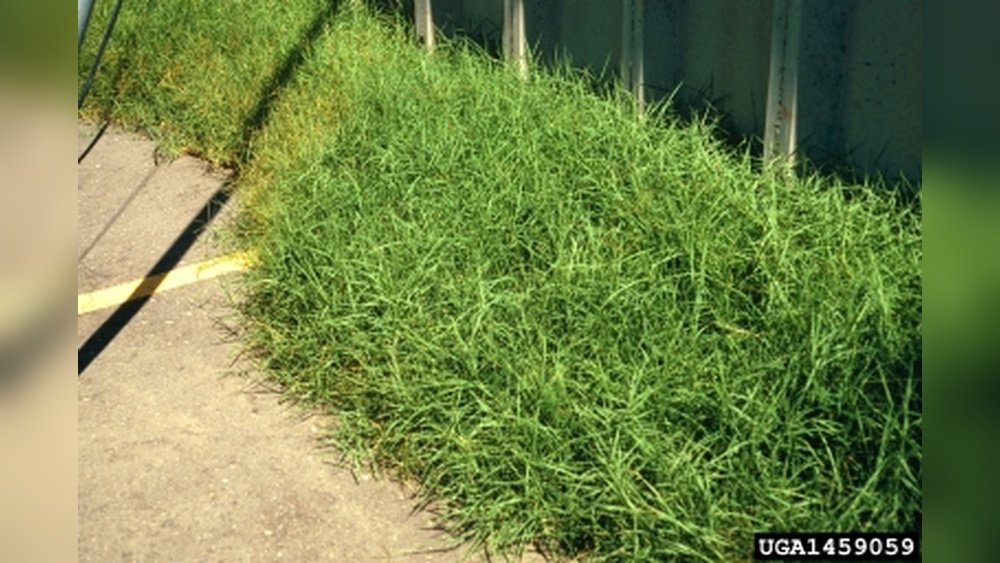
Bermuda grass is considered invasive in many areas due to its rapid growth and aggressive spreading through runners and underground stems. It can quickly dominate lawns and natural spaces, crowding out native plants and altering local ecosystems if not properly managed.
Are you wondering if Bermuda grass could take over your lawn or garden? You’re not alone.
Many homeowners face the challenge of managing this fast-growing grass and worry if it might spread beyond control. Understanding whether Bermuda grass is invasive is key to keeping your outdoor space healthy and beautiful. You’ll discover the truth about Bermuda grass’s growth habits and learn simple tips to keep it in check—so you can enjoy a lush yard without the stress.
Keep reading to find out what makes Bermuda grass tick and how it might affect your property.

Credit: www.chillicothegazette.com
Bermuda Grass Characteristics
Bermuda grass is a popular lawn and pasture grass known for its toughness and fast growth. It spreads quickly and covers ground densely. This grass has traits that make it useful but also sometimes invasive. Understanding its characteristics helps to manage it better.
Growth Patterns
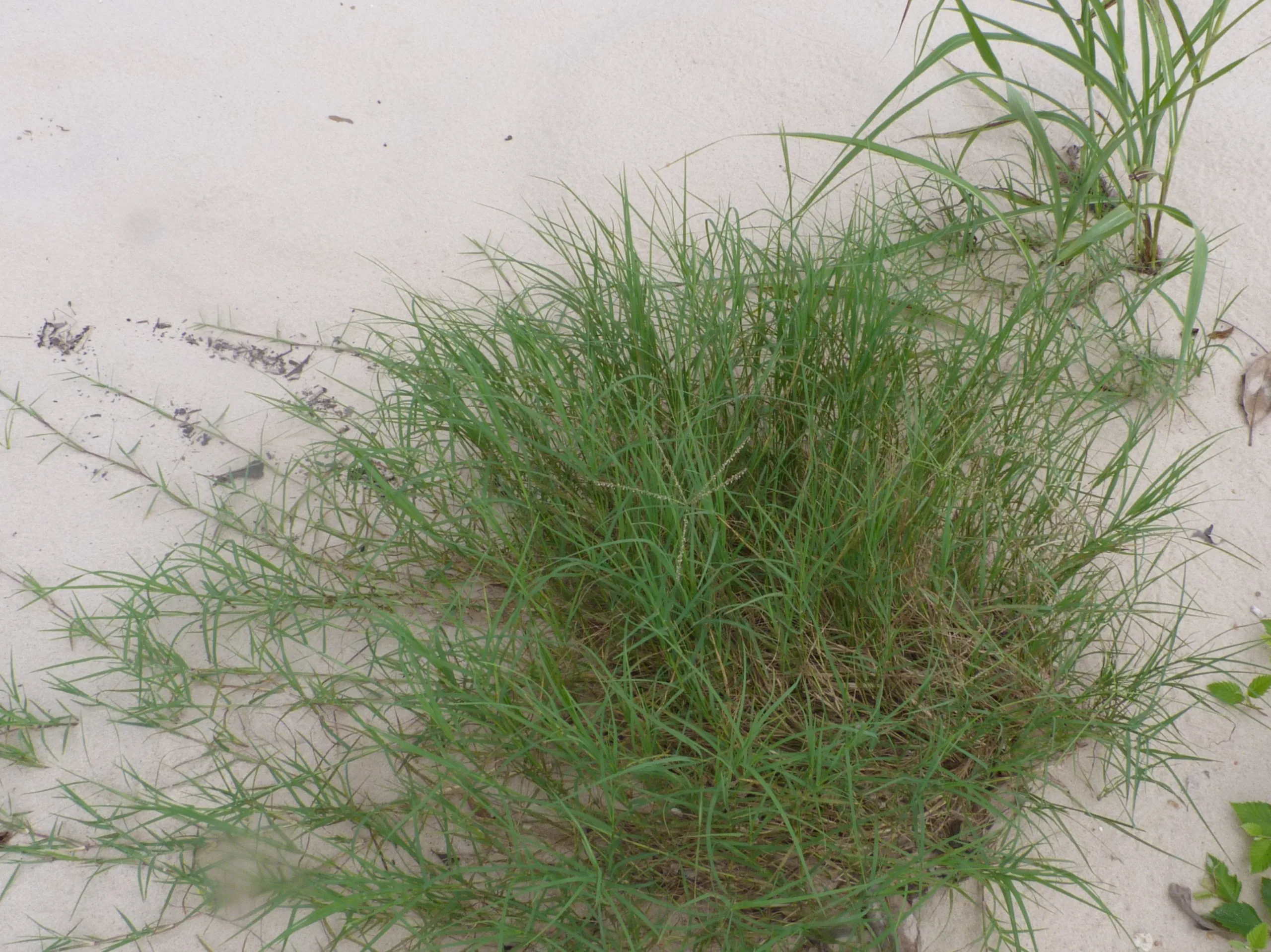
Bermuda grass grows through both seeds and underground stems called rhizomes. It spreads fast across the soil surface using above-ground runners called stolons. This dual growth method helps it fill bare spots quickly. The grass forms a thick mat that can crowd out other plants.
Common Uses
This grass is widely used for lawns, sports fields, and golf courses. Farmers use it for pastures and hay because it resists heavy grazing. Its dense growth helps prevent soil erosion on slopes and embankments. People value it for its durability and green color.
Climate Adaptability
Bermuda grass thrives in warm climates with lots of sun. It tolerates drought and recovers fast from damage. The grass does not do well in cold or shady areas. It grows best in temperatures between 75 and 95 degrees Fahrenheit. This adaptability makes it common in southern U.S. and tropical regions.

Credit: www.cal-ipc.org
Invasive Traits Of Bermuda Grass
Bermuda grass is known for its fast growth and toughness. These traits help it spread quickly and take over areas. This grass can grow in many environments. It often pushes out other plants, showing invasive behavior.
Understanding how Bermuda grass spreads and competes can explain why it is invasive. It uses strong methods to expand its reach. This grass also fights hard against native plants for space and nutrients.
Spreading Mechanisms
Bermuda grass spreads through runners called stolons and underground stems called rhizomes. These allow it to cover large areas fast. Even small pieces can grow into new plants. This makes it hard to control or remove once established.
Its seeds can also spread by wind, water, or animals. This helps Bermuda grass reach new places easily. The grass grows dense mats that stop other plants from growing nearby.
Competition With Native Plants
Bermuda grass uses space, water, and nutrients better than many native plants. It grows quickly and shades out smaller plants. This slows their growth and can kill them over time.
Its thick roots take up soil resources deeply. Native plants struggle to survive with Bermuda grass nearby. This grass changes the balance of local ecosystems by reducing plant diversity.
Environmental Impact
Bermuda grass spreads quickly and can change the environment around it. It affects more than just the look of a lawn or field. Its growth impacts plants, animals, soil, and water in many ways. Understanding these effects helps us see if Bermuda grass is invasive and harmful to nature.
Its ability to grow fast and cover large areas means it can push out other plants. This changes the balance of life in an area. The grass also changes the soil and water conditions. These changes affect many living things that depend on those resources.
Effects On Biodiversity
Bermuda grass often grows so thick that other plants cannot survive. This lowers the number of plant types in an area. Fewer plants mean fewer homes and food for insects, birds, and small animals. The whole ecosystem can become less healthy and less diverse.
Native plants struggle to compete with Bermuda grass. This loss of native species reduces the natural variety of life. Many animals rely on native plants for survival. Without them, animal populations may drop or move away.
Soil And Water Influence
Bermuda grass roots grow deep and dense. This can change the structure of the soil below. The soil may become harder and less able to hold water. Poor soil health affects many plants and animals in the area.
The grass also uses a lot of water. It can dry out the soil faster than native plants. This reduces water available for other plants and animals. Changes in water flow and retention can harm nearby streams and wetlands.
Credit: www.npsot.org
Managing Bermuda Grass Spread
Managing Bermuda grass spread requires careful attention and consistent effort. This grass grows fast and can take over gardens or lawns quickly. Controlling its spread helps protect other plants and keeps your yard neat. Use the right methods to keep Bermuda grass under control and prevent it from becoming invasive.
Control Techniques
Cut Bermuda grass regularly to stop it from growing tall. Mowing keeps the grass weak and less likely to spread. Use a sharp blade for clean cuts.
Remove runners and stolons by hand. These parts help Bermuda grass spread underground and on the surface. Dig carefully to avoid leaving roots behind.
Apply herbicides designed to target Bermuda grass. Follow the instructions on the label strictly. Herbicides work best when the grass is actively growing.
Preventive Measures
Plant other ground covers to reduce space for Bermuda grass. Dense plants block sunlight and stop Bermuda grass growth. Choose plants that suit your climate and soil.
Use barriers like edging around garden beds. Barriers stop Bermuda grass roots from moving into unwanted areas. Install them deep enough to block underground spread.
Water your lawn properly. Avoid overwatering, which helps Bermuda grass grow faster. Water early in the day to reduce moisture at night.
Balancing Benefits And Risks
Bermuda grass is popular for many reasons. It grows fast and stays green in warm weather. Many people use it for lawns, sports fields, and golf courses. This grass offers many benefits, but it also comes with risks. It can spread quickly beyond its intended area. Understanding both sides helps decide if it fits your needs.
Lawn And Turf Advantages
Bermuda grass creates a thick, soft carpet that looks nice. It handles heavy foot traffic well. This makes it great for playgrounds and sports fields. It grows well in hot, dry conditions. It needs less water than some other grasses. It also recovers quickly from damage. This saves time and money on lawn care.
Potential Ecological Concerns
Bermuda grass can spread into natural areas fast. It competes with native plants for water and nutrients. This can reduce local plant diversity. It may disrupt habitats for some animals. Controlling its spread can be hard and costly. Some places list it as an invasive species. Careful management helps protect native ecosystems.
Frequently Asked Questions
Is Bermuda Grass Considered Invasive In Lawns?
Yes, Bermuda grass is invasive in many lawns. It spreads rapidly through stolons and rhizomes, crowding out other plants. This aggressive growth can be difficult to control and may require regular maintenance to manage its spread effectively.
How Does Bermuda Grass Spread In Gardens?
Bermuda grass spreads mainly via above-ground runners called stolons and underground rhizomes. These allow it to quickly cover large areas and invade neighboring garden beds, making it hard to contain once established.
Can Bermuda Grass Harm Native Plants?
Yes, Bermuda grass can harm native plants by outcompeting them for nutrients, water, and sunlight. Its dense growth prevents other species from thriving, reducing biodiversity in affected areas.
What Methods Control Invasive Bermuda Grass?
Control methods include regular mowing, targeted herbicide application, and soil solarization. Removing rhizomes manually can also help. Consistent effort is essential to prevent Bermuda grass from spreading uncontrollably.
Conclusion
Bermuda grass spreads fast and can take over garden spaces. It grows strong and competes with other plants for water and nutrients. Many people find it hard to control once it starts growing. Yet, it also has benefits like preventing soil erosion and staying green in hot weather.
Knowing how it behaves helps you decide if it suits your lawn. Managing Bermuda grass carefully keeps your garden healthy and balanced. Watch it closely to avoid unwanted spread. Your choice depends on your needs and how much effort you want to spend.
