

Have you ever noticed your Bermuda grass turning brown and wonder why it happens? Understanding what temperature causes Bermuda grass to go dormant can save you time and effort in lawn care.
When you know the exact conditions that trigger dormancy, you can better prepare your yard to stay healthy throughout the seasons. Keep reading to discover the temperature range that signals Bermuda grass to take a break and learn how to keep your lawn looking its best, no matter the weather.
Credit: turfmasterslawncare.com
Bermuda Grass Dormancy Triggers
Bermuda grass changes its growth based on several triggers. These triggers cause the grass to enter dormancy. Dormancy helps the grass survive tough conditions. Understanding these triggers helps in lawn care and maintenance.
Temperature Thresholds
Bermuda grass stops growing when temperatures drop. It goes dormant below 50°F (10°C). Cold nights and frost signal the grass to rest. Warmer temperatures bring it back to life.
Seasonal Changes
The change from fall to winter brings dormancy. Shorter days and less sunlight affect growth. The grass slows down as days get colder. This natural cycle prepares the grass for winter.
Environmental Stress Factors
Stress like drought or poor soil can cause dormancy. Lack of water makes Bermuda grass conserve energy. Too much heat or poor nutrients also stress the grass. Dormancy protects the grass until conditions improve.
Signs Of Dormancy
Bermuda grass shows clear signs when it goes dormant. Recognizing these signs helps you care for your lawn better. Dormancy means the grass slows down and rests. It stops growing actively to survive cold or dry weather. Watch for changes in color, growth, and soil activity. These clues tell you the grass is entering dormancy.
Color Changes
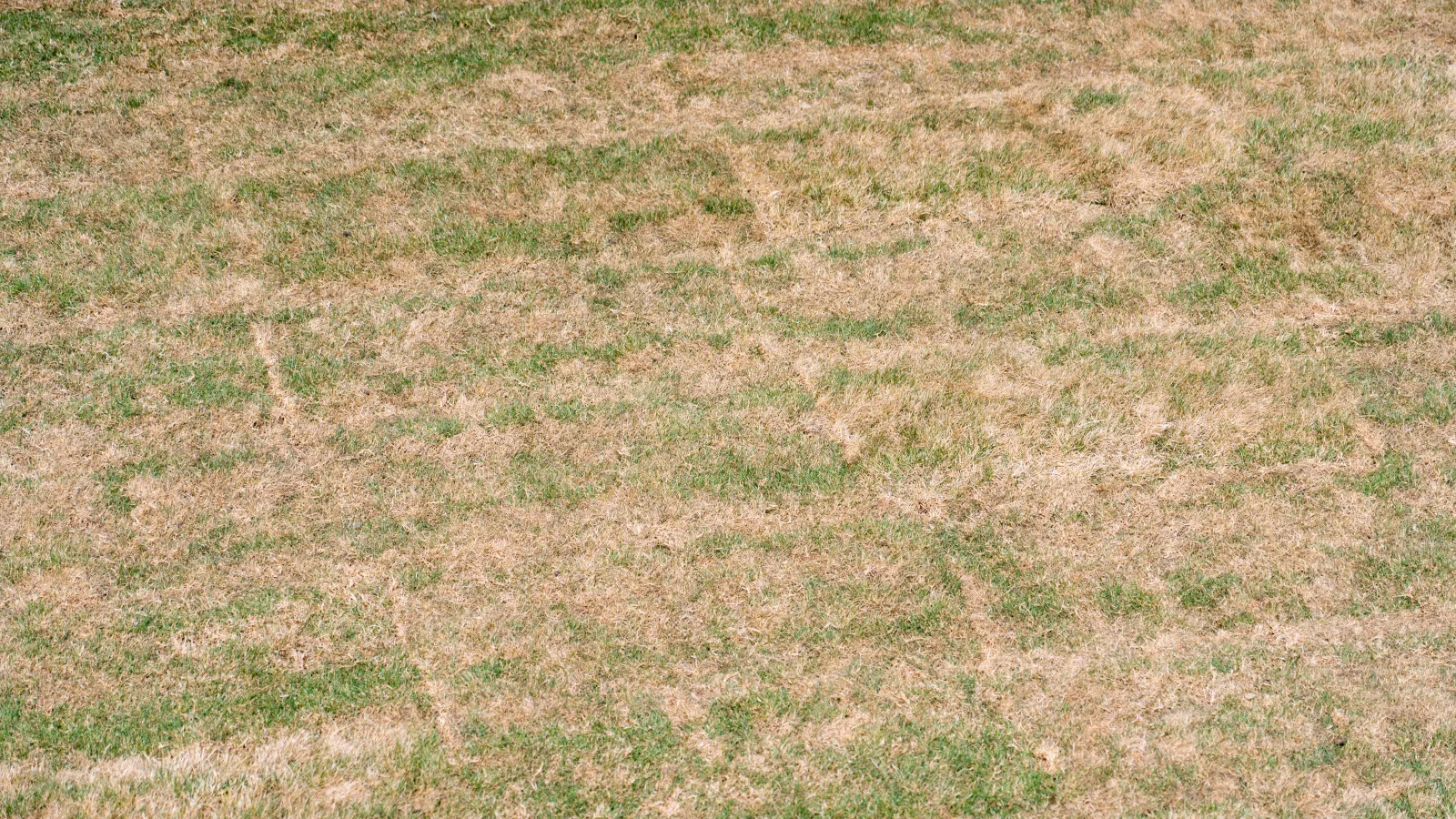
Bermuda grass changes color as it goes dormant. The bright green shade turns to yellow or brown. This color change happens because the grass stops making chlorophyll. Chlorophyll gives the grass its green color. Without it, the grass looks dry and dull. This is a natural process during cold weather. The color shift can start when temperatures drop below 50°F (10°C).
Growth Slowdown
The grass grows much slower during dormancy. You will notice fewer new shoots and blade length. Mowing needs decrease since the grass is not actively growing. Growth slows to save energy and protect roots. This slowdown usually starts as temperatures fall below 60°F (15°C). The grass focuses on survival, not growth.
Soil And Root Activity
Roots stay alive but reduce their activity in dormancy. Soil temperature drops, slowing root growth and nutrient uptake. The soil feels cooler and less moist. The roots use stored energy instead of drawing much from the soil. This helps the grass survive until warmer weather returns. Healthy roots are key for the grass to bounce back.
Optimal Lawn Care Before Dormancy
Preparing Bermuda grass for dormancy helps keep your lawn healthy. The right care supports strong roots and reduces damage during the cold months. Follow simple steps before temperatures drop to help your grass survive winter well.
Mowing Techniques
Cut Bermuda grass shorter than usual before dormancy. Aim for about 1 to 1.5 inches in height. This prevents matting under snow and reduces pests hiding spots. Use sharp mower blades for a clean cut. Avoid cutting too low to stop stressing the grass.
Watering Schedule
Reduce watering as temperatures cool. Water deeply but less often to encourage root growth. Stop watering completely once the grass turns brown and stops growing. Overwatering in cold weather can cause fungus and rot. Check soil moisture to avoid drying out.
Fertilization Tips
Apply a final fertilizer high in potassium before dormancy. Potassium helps grass resist cold and stress. Do not use nitrogen-rich fertilizers late in the season. Nitrogen encourages growth that will die off in frost. Follow package instructions for best results.
Maintaining Dormant Bermuda Grass
Bermuda grass goes dormant when temperatures drop below 50°F. During this time, it stops growing and turns brown. Maintaining dormant Bermuda grass helps it stay healthy. Proper care prepares the lawn for a strong return in spring.
Taking simple steps can protect your grass. These steps include careful water management, weed control, and disease prevention. Each step supports the grass while it rests.
Water Management
Water the dormant grass less often. Too much water can cause root problems. Aim to keep the soil slightly moist, not wet. Water deeply but infrequently. This helps roots stay alive without encouraging disease.
Weed Control
Weeds can grow even when grass is dormant. Remove weeds by hand or use safe herbicides. Preventing weed growth helps the grass start strong in spring. Keep the lawn clean and free from unwanted plants.
Preventing Disease
Dormant grass is vulnerable to diseases. Avoid overwatering and mowing too short. Clear away debris to reduce fungus risk. Healthy habits lower chances of disease spreading. Watch the lawn regularly for signs of trouble.
Reviving Bermuda Grass After Dormancy
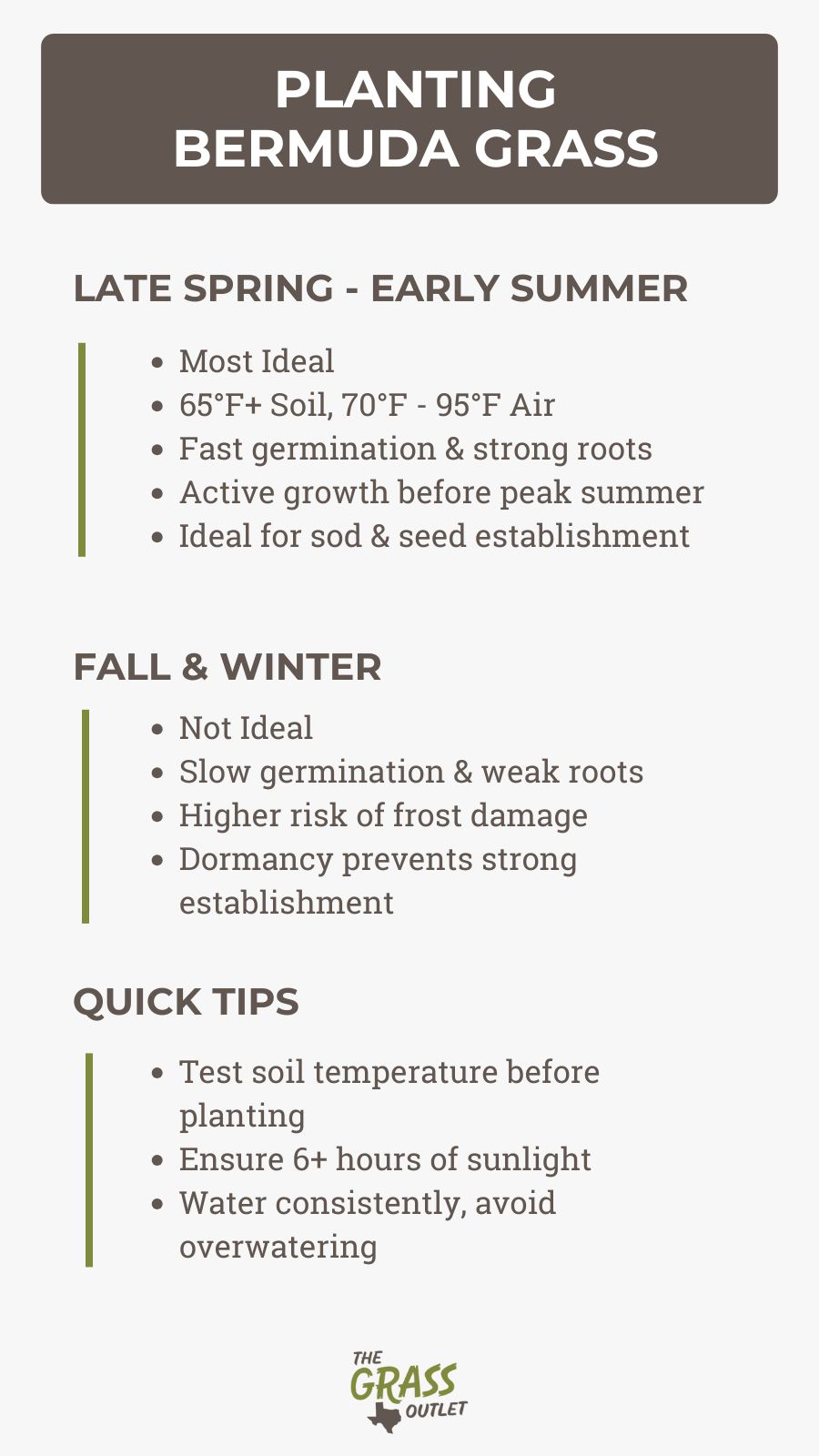
Bermuda grass rests during cold months by going dormant. It stops growing and turns brown. When warm weather returns, the grass wakes up and needs care. Proper steps help Bermuda grass green up fast and stay healthy.
Pay attention to mowing, watering, and feeding. These actions support strong growth and a lush lawn after dormancy.
When To Resume Mowing
Start mowing once the grass shows green shoots. Keep mower blades sharp. Set the mower to a higher cut at first. Gradually lower the height as the grass grows thicker. Avoid cutting more than one-third of the leaf at once.
Irrigation Adjustments
Water the lawn deeply but less often. This encourages deep roots. Check soil moisture before watering. Overwatering can harm the grass. Aim for about one inch of water per week during dry spells.
Fertilizer Application Timing
Apply fertilizer after the grass fully wakes up. Use a balanced fertilizer with nitrogen. Avoid fertilizing too early; it can stress the grass. Follow the product instructions for best results. Proper feeding boosts color and growth speed.
Credit: thegrassoutlet.com
Common Dormancy Challenges
Bermuda grass turns dormant when temperatures drop below 50°F. This natural response helps the grass survive cold weather. Dormancy brings some common challenges for lawn care. Knowing these issues helps keep your lawn healthy and ready for spring.
Dealing With Brown Patches
Brown patches appear as Bermuda grass stops growing. These areas look dry and dead. They often result from uneven dormancy or stress. Watering too little or too much can cause patches. Avoid walking on dormant grass to prevent damage. Reseeding in spring fixes most brown spots.
Thatch Buildup Issues
Thatch is a layer of dead grass and roots on soil. During dormancy, thatch can build up faster. Thick thatch blocks water and nutrients from reaching roots. This weakens the grass and slows recovery. Regular dethatching before dormancy helps. Use a rake or dethatcher to remove excess thatch.
Pest Problems During Dormancy
Some pests stay active even in cold months. Grubs and insects may feed on roots under the grass. This weakens Bermuda grass further during dormancy. Check your lawn for signs of pest damage. Treat pest problems early to avoid bigger issues in spring.

Credit: thebermudabible.com
Frequently Asked Questions
At What Temperature Does Bermuda Grass Go Dormant?
Bermuda grass typically goes dormant when temperatures drop below 50°F (10°C). Cooler weather signals the grass to stop growing and turn brown.
How Long Does Bermuda Grass Stay Dormant In Cold?
Bermuda grass remains dormant throughout the cold season, usually from late fall to early spring. It greens up when temperatures rise above 60°F (15°C).
Can Bermuda Grass Survive Freezing Temperatures During Dormancy?
Yes, Bermuda grass can survive short periods of freezing temperatures while dormant. Prolonged freezing may damage the grass, but dormancy protects it from severe harm.
What Are Signs Bermuda Grass Is Going Dormant?
Signs include color change from green to brown and slower growth. The grass becomes less lush as it conserves energy for winter.
Conclusion
Bermuda grass goes dormant when temperatures drop below 50°F. It stops growing to protect itself from cold damage. This dormancy helps the grass survive winter months safely. Knowing this helps you care for your lawn better. Water less and avoid heavy mowing during dormancy.
In spring, warmer weather will bring the grass back to life. Patience is key for a healthy, green lawn. Understanding these facts makes lawn care easier and more effective.
