

Are you watering your Bermuda grass but still worried if you might be doing too much? It’s a common question for anyone who wants a lush, green lawn without wasting water or harming their grass.
Overwatering can sneak up on you and cause problems you might not expect. You’ll discover exactly what happens when Bermuda grass gets too much water and how to find the perfect balance. Keep reading to learn simple tips that will keep your lawn healthy, vibrant, and thriving all season long.
Credit: www.houzz.com
Signs Of Overwatering
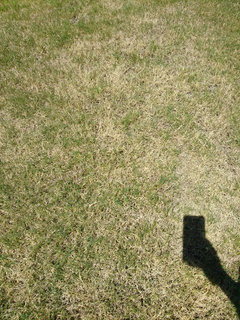
Overwatering Bermuda grass can harm its health. The grass needs just the right amount of water to thrive. Too much water causes problems that are easy to spot. Knowing the signs helps you save your lawn early.
Yellowing Leaves
Leaves turn yellow when Bermuda grass gets too much water. The roots cannot breathe well in soggy soil. This stops nutrients from reaching the grass blades. Yellow leaves show the grass is stressed and weak.
Fungal Growth
Wet soil creates a perfect home for fungi. Fungal patches or spots appear on the grass surface. These fungi damage the grass and spread quickly. Spotting fungal growth means watering needs to be cut back.
Soft And Mushy Turf
Too much water makes the ground soft and mushy. Walking on the lawn leaves footprints or dents. The grass roots become weak in soggy soil. Firm, dry turf means the grass is healthy and well-watered.

Credit: www.youtube.com
Why Overwatering Happens
Overwatering Bermuda grass is a common problem. Many homeowners water their lawns too much. This can harm the grass and waste water. Understanding why overwatering happens helps you avoid it. Several factors cause people to give too much water to their Bermuda grass.
Misreading Weather Conditions
People often water their grass without checking the weather. Rain can provide enough water for the lawn. Yet, many still run sprinklers after rain. This adds unnecessary water. Hot, dry days need more water than cool, cloudy ones. Not knowing this leads to overwatering.
Improper Irrigation Setup
Irrigation systems can cause overwatering if not set right. Timers might run too long or too often. Sprinkler heads may spray water on sidewalks or driveways. This wastes water and soaks the soil too much. Without proper adjustment, the lawn gets too wet.
Overzealous Lawn Care
Some people think more water means a healthier lawn. They water daily or twice a day. This is too much for Bermuda grass. Overwatering can cause root rot and fungal growth. Knowing the right amount of water is key to healthy grass.
Effects On Bermuda Grass Health
Bermuda grass needs water to grow well. Too much water can harm it instead. Overwatering affects the health of Bermuda grass in many ways. It weakens the grass and makes it less green. Understanding these effects helps keep your lawn healthy and strong.
Overwatering creates problems below the soil and on the grass leaves. It changes how the grass takes in nutrients. It also makes the grass weak against pests. These effects reduce the beauty and strength of Bermuda grass.
Root Rot Risks
Too much water fills the soil with airless water. Roots need air to breathe. When roots sit in water, they start to rot. Root rot stops the grass from taking up water and nutrients. The grass becomes weak and may die over time.
Nutrient Deficiency
Water washes away important nutrients from the soil. Overwatered grass cannot get enough minerals it needs. Lack of nutrients makes the grass pale and thin. The grass grows slower and looks unhealthy. This makes it harder for Bermuda grass to stay green.
Increased Pest Problems
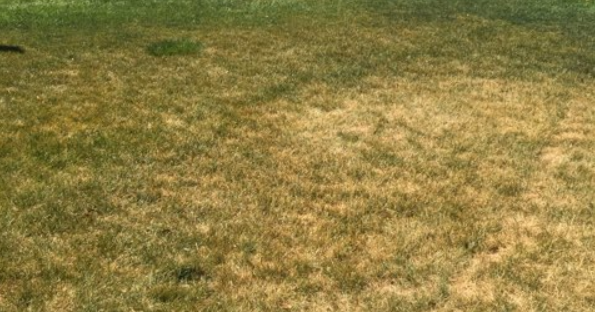
Wet and soft grass attracts more pests. Bugs like fungi and insects grow well in wet conditions. These pests damage the grass blades and roots. Overwatered Bermuda grass becomes an easy target. Pest damage causes brown spots and bare patches in your lawn.
Credit: www.getsunday.com
Watering Best Practices
Watering Bermuda grass properly helps it stay green and healthy. Too much water can harm the grass by causing root problems. Too little water can make the grass dry and weak. Following good watering practices keeps your lawn strong and lush all season.
Optimal Watering Schedule
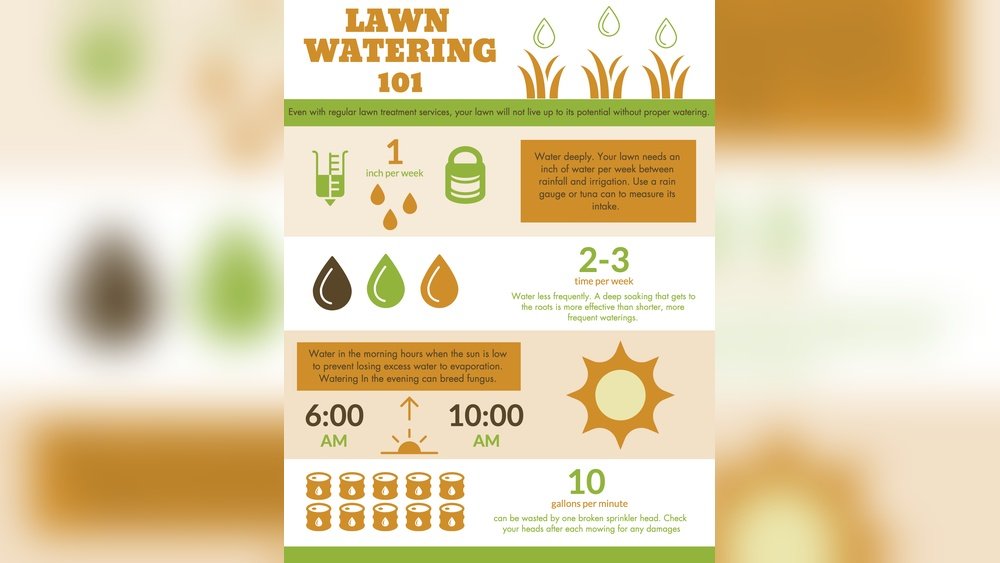
Bermuda grass grows best with regular watering. Water the lawn deeply once or twice a week. This encourages roots to grow deep into the soil. Avoid watering every day. Daily watering keeps roots shallow and weak.
Proper Water Amount
Give Bermuda grass about one inch of water per week. This includes rain and irrigation. Use a rain gauge or container to measure water. Applying too much water leads to soggy soil and disease. Too little water makes the grass brown and patchy.
Timing For Watering
Water the lawn early in the morning. Early watering reduces evaporation loss. It also helps the grass dry during the day. Avoid watering in the evening to prevent fungus growth. Morning watering gives Bermuda grass the best chance to thrive.
Tools To Monitor Lawn Moisture
Keeping Bermuda grass healthy needs the right amount of water. Too much water can harm the grass. Tools to monitor lawn moisture help you water just enough. These tools show you how wet the soil is. You can avoid overwatering and save water too.
Soil Moisture Sensors
Soil moisture sensors measure the water in the ground. You place them in the soil near the grass roots. The sensor gives a reading that shows if the soil is dry or wet. This helps you decide when to water. Using sensors means you only water when needed. It stops watering too much, which can drown Bermuda grass.
Visual Inspection Techniques
Watching your lawn closely also helps check moisture. Look for signs like color and texture changes. Dry grass turns dull and feels rough. Wet grass looks dark green and soft. Check the soil by digging a small hole. If the soil feels dry a few inches deep, it’s time to water. This simple method works well with other tools.
Smart Irrigation Systems
Smart irrigation systems use technology to water grass properly. They connect to weather reports and soil sensors. These systems adjust watering based on weather and soil needs. You set schedules, and the system does the rest. It saves water and prevents overwatering Bermuda grass. Smart systems are easy to use and save time.
Correcting Overwatering Issues
Overwatering Bermuda grass can cause many problems. The grass may turn yellow or develop fungus. Correcting these issues is important to keep your lawn healthy. You can fix overwatering by changing how you water, improving soil, and helping your lawn recover.
Adjusting Irrigation Frequency
Water your Bermuda grass less often. Too much water stops roots from growing deep. Let the soil dry between watering. Check soil moisture before adding water. Use a timer to control watering times.
Improving Soil Drainage
Good drainage helps water flow away from roots. Add sand or organic matter to soil. This makes soil loose and lets water drain faster. Avoid compacted soil by aerating your lawn. Proper drainage prevents water from pooling.
Lawn Recovery Tips
Cut back on watering during recovery. Mow your lawn at the right height. Remove dead grass to allow new growth. Use a balanced fertilizer to boost health. Watch for pests or disease and treat them quickly.
Frequently Asked Questions
Can Bermuda Grass Be Overwatered?
Yes, Bermuda grass can be overwatered. Excess water causes root rot and weakens the grass. It thrives best with deep, infrequent watering.
How Often Should You Water Bermuda Grass?
Water Bermuda grass about 1 to 1. 5 inches per week. This usually means watering 2-3 times weekly, depending on weather conditions and soil type.
What Are Signs Of Overwatering Bermuda Grass?
Signs include yellowing leaves, soggy soil, and fungal growth. Overwatered Bermuda grass appears weak, with poor root development and increased disease risk.
Can Overwatering Kill Bermuda Grass?
Yes, overwatering can kill Bermuda grass. Constantly wet soil deprives roots of oxygen, leading to root decay and turf death.
Conclusion
Overwatering Bermuda grass can harm its health and growth. Too much water causes root rot and weak grass. Water only when the soil feels dry about an inch deep. Proper watering keeps Bermuda grass green and strong. Remember, less is often more with watering.
Watch your lawn closely to find the right balance. Healthy grass needs just enough water to stay alive. Careful watering helps your lawn look its best all year.
