

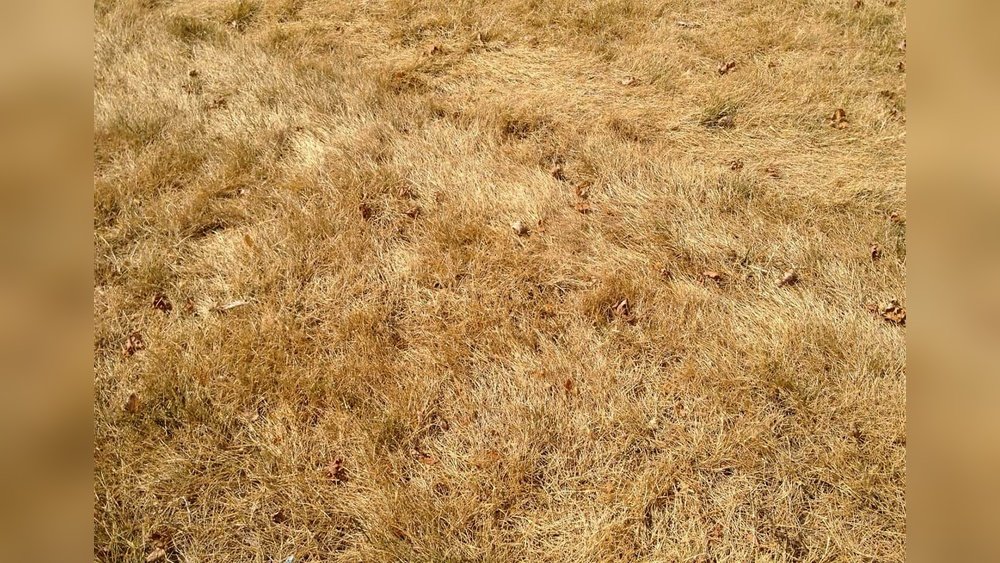
Bermuda grass naturally turns brown in winter because it goes dormant in response to cold temperatures. This browning is not a sign of death but a survival mechanism. Once warmer weather returns, the grass will green up again as it resumes active growth.
Are you worried about your Bermuda grass turning brown as the cold months approach? You’re not alone.
Many homeowners notice their lush green lawn fading when winter arrives and wonder if it means their grass is dying. Understanding why Bermuda grass changes color in winter can help you care for your lawn better and keep it looking healthy year-round.
Keep reading to discover the truth behind those brown patches and learn how to protect your lawn through the colder season.
Bermuda Grass Growth Cycle
Bermuda grass has a unique growth cycle shaped by the seasons. It thrives in warm weather and slows down as temperatures drop. Understanding this cycle helps explain why Bermuda grass turns brown in winter. The grass’s behavior follows patterns common to warm season grasses.
Warm Season Grass Traits
Bermuda grass grows best in hot, sunny conditions. It starts growing quickly in spring and summer. The grass spreads fast and fills bare spots well. It stays green and lush during warm months. This grass needs heat to stay active and healthy.
Dormancy Periods
As temperatures fall, Bermuda grass enters dormancy. It stops growing and turns brown. This is a natural response to cold weather. The grass conserves energy until warm weather returns. Dormancy helps Bermuda grass survive winter’s cold and frost.
Winter Impact On Bermuda Grass
Bermuda grass is a warm-season grass that thrives in hot weather. Winter brings cold temperatures that affect its growth and appearance. The grass goes into a dormant state to protect itself during colder months.
This dormancy causes visible changes in the grass. It may lose its bright green color and look dry or brown. These changes are natural and do not mean the grass is dead.
Color Changes During Cold Months
As temperatures drop, Bermuda grass stops growing. The green color fades and turns into shades of yellow or brown. This color shift is a sign of dormancy, not damage.
The grass blades become dry and crispy. The lawn looks less vibrant but will recover when warm weather returns. The duration of browning depends on how cold the winter is.
Causes Of Browning
Cold temperatures slow down the grass’s ability to produce chlorophyll. Without chlorophyll, the green color fades. Frost and freezing temperatures also damage the grass blades.
Lack of sunlight and shorter days reduce photosynthesis. Water availability may decrease, adding stress to the grass. These factors together cause Bermuda grass to turn brown in winter.
Climate Influence On Winter Browning
Bermuda grass changes color in winter due to weather conditions. The climate plays a big role in how much the grass browns. Temperature and frost affect its health and color. Understanding these effects helps in lawn care during cold months.
Effects Of Mild Winters
Mild winters cause less stress to Bermuda grass. The grass may stay green longer or only slightly brown. Temperatures stay above freezing, so the grass keeps growing slowly. Light frost might not harm the grass much. In mild climates, Bermuda grass recovers quickly as spring arrives.
Severe Cold Weather Impact
Severe cold causes Bermuda grass to go dormant and turn brown. Freezing temperatures damage grass cells. The grass stops growing to protect itself from the cold. Prolonged frost or snow cover can cause deeper browning. Recovery takes longer after harsh winters, but the grass can regrow with warmer weather.

Credit: www.reddit.com
Preventing Winter Browning
Preventing winter browning in Bermuda grass requires care and attention. This grass naturally goes dormant as temperatures drop. But you can keep it healthier and greener by following some simple steps. Proper care before and during winter helps reduce brown patches and keeps your lawn looking better.
Proper Lawn Care Practices
Cut Bermuda grass a little shorter before winter. This helps reduce disease risk and stress. Water the lawn well before the first frost but avoid overwatering. Stop fertilizing the grass in late fall. Mowing less often in winter allows the grass to rest. Remove leaves and debris to prevent mold growth. Avoid heavy foot traffic on the lawn in cold months. These steps protect grass roots and keep the lawn strong.
Soil And Fertilization Tips
Test your soil to check pH and nutrient levels. Bermuda grass prefers slightly acidic to neutral soil. Use fertilizer with low nitrogen in late fall. High nitrogen can cause weak growth in winter. Add organic matter like compost to improve soil health. Good soil helps grass absorb nutrients and water better. Aerate the lawn to reduce soil compaction. This allows roots to grow deeper and stronger.
Reviving Bermuda Grass In Spring
Bermuda grass often turns brown in winter because it goes dormant. As temperatures rise in spring, it starts to grow again. Reviving your lawn early helps it become green and thick fast. You can enjoy a healthy and fresh lawn all summer long.
Springtime Lawn Recovery
Start by removing dead grass and leaves. This clears space for new growth and lets sunlight reach the soil. Rake the lawn gently to lift old grass and debris.
Next, water the lawn deeply but not too often. Moist soil helps Bermuda grass roots grow strong. Avoid overwatering to prevent diseases.
Apply a balanced fertilizer with nitrogen. This boosts green growth and speeds up recovery. Use fertilizer designed for warm-season grasses like Bermuda.
Best Maintenance Techniques
Mow your lawn regularly but keep blades high at first. Cutting too short stresses the grass. Gradually lower the mower height as the grass grows thicker.
Control weeds early before they spread. Pull them out or use safe herbicides made for Bermuda grass. A weed-free lawn looks better and grows stronger.
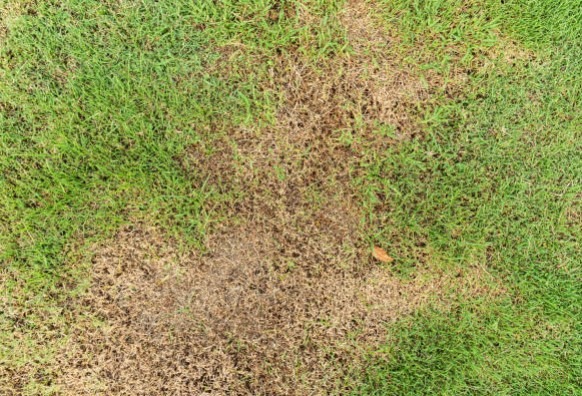
Check for pests or lawn diseases. Treat problems quickly to stop damage. Healthy soil and proper care reduce pest risks naturally.

Credit: bradstropicalparadise.blogspot.com
Credit: theturfgrassgroup.com
Frequently Asked Questions
Does Bermuda Grass Naturally Turn Brown In Winter?
Yes, Bermuda grass goes dormant and turns brown during cold winter months. This is a natural survival process.
How Long Does Bermuda Grass Stay Brown In Winter?
Bermuda grass usually stays brown throughout the winter season until temperatures rise above 50°F.
Can Bermuda Grass Recover After Winter Browning?
Yes, Bermuda grass typically recovers and turns green again in spring with warmer weather and proper care.
Why Does Bermuda Grass Brown Faster In Some Winters?
Bermuda grass browns faster due to colder temperatures, frost, drought, or poor soil conditions during winter.
Conclusion
Bermuda grass often turns brown during winter months. This change is normal and happens because the grass rests. It will green up again when warm weather returns. You can help by watering and avoiding heavy foot traffic. Knowing this helps you care for your lawn better.
Patience is key for a healthy, green lawn. Winter brown grass does not mean your lawn is dead. It just needs time and proper care to bounce back.
