


Are you ready to transform your lawn into a lush, green paradise? Planting Bermuda grass is one of the best ways to achieve a thick, vibrant yard that stands up to heat and heavy use.
But how do you get started? You might be wondering about the right time to plant, the best methods, and how to care for it so your grass thrives. In this guide, you’ll discover simple, step-by-step tips that make planting Bermuda grass easy and effective.
Keep reading, and you’ll soon have the beautiful lawn you’ve always wanted.
Choosing The Right Bermuda Grass
Choosing the right Bermuda grass is important for a healthy lawn. Different types of Bermuda grass grow well in different places. The right choice depends on your climate, soil, and how you want to plant it. Understanding the options helps you pick the best grass for your yard.
Common Bermuda Varieties
Several Bermuda grass varieties are popular for lawns. Common types include Common Bermuda, Tifway 419, and Celebration. Common Bermuda is tough and grows fast. Tifway 419 is dark green and fine-textured. Celebration has a rich color and handles shade better. Each variety has unique strengths for different needs.
Climate And Soil Preferences
Bermuda grass prefers warm climates and lots of sun. It grows best in temperatures above 75°F. The grass can handle drought but needs good soil drainage. Sandy or loamy soils work well. Avoid heavy clay soils that keep water too long. Matching grass to your local climate and soil improves growth.
Seed Vs. Sod Options
You can plant Bermuda grass by seed or sod. Seed is cheaper and covers large areas easily. It takes longer to grow and needs more care at first. Sod provides instant green and fills bare spots fast. Sod costs more but saves time. Choose seed or sod based on your budget and patience.
Preparing Your Lawn For Planting
Preparing your lawn for planting Bermuda grass is an important first step. It helps the grass grow strong and healthy. Taking time to prepare the soil and clear the area leads to better results. Follow these simple steps for a good start.
Clearing Existing Vegetation
Remove all old grass, weeds, and plants from your lawn area. Use a shovel or rake to clear the ground completely. This stops competition for nutrients and water. A clean surface helps Bermuda grass roots spread easily.
Soil Testing And Amendments
Test your soil to know its pH and nutrient levels. Use a simple soil test kit or send a sample to a lab. Bermuda grass prefers soil with a pH between 5.8 and 7.0. Add lime if the soil is too acidic. Add fertilizer or compost to improve soil nutrients. Healthy soil helps Bermuda grass grow fast and green.
Leveling And Grading
Make sure your lawn is flat and smooth. Use a rake or a lawn roller to level the soil. Proper grading prevents water from pooling on your lawn. Good drainage keeps Bermuda grass roots healthy and strong. A well-prepared surface ensures even growth across the lawn.
Planting Bermuda Grass Seeds
Planting Bermuda grass seeds is a simple way to start a healthy lawn. This grass grows well in warm climates and spreads quickly. Planting seeds correctly helps the grass grow strong and green. Follow these steps for the best results.
Optimal Planting Time
Plant Bermuda grass seeds in late spring or early summer. Soil temperatures should be above 65°F (18°C). Warm soil helps seeds sprout faster. Avoid planting in cold or wet conditions. This prevents poor growth and seed rotting.
Seeding Techniques
Spread seeds evenly over prepared soil. Use a seed spreader for large areas. Lightly rake the soil to cover seeds with about 1/4 inch of soil. Avoid burying seeds too deep. Press soil gently to ensure good seed contact.
Watering And Mulching Tips
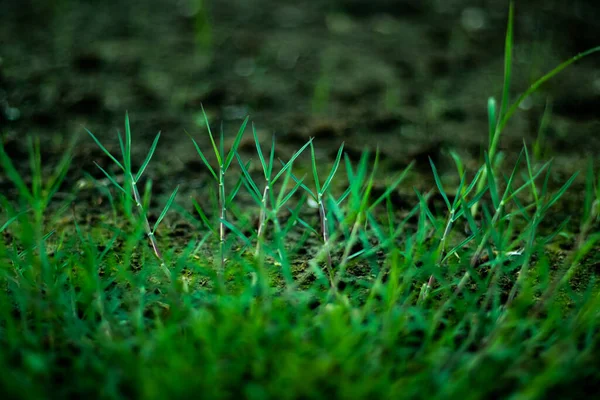
Water the seeded area lightly but often. Keep the soil moist until seeds sprout. Use a fine spray to avoid washing seeds away. After sprouting, water less often but deeper. Mulch with a thin layer of straw to keep moisture. Mulch also protects seeds from birds and wind.
Credit: theturfgrassgroup.com
Using Bermuda Grass Sod
Using Bermuda grass sod is a fast way to get a green lawn. Sod gives instant grass cover. It also helps prevent soil erosion and weed growth. You get a lawn that looks great from day one. Planting Bermuda grass sod needs some care and planning. Follow clear steps to make sure the sod takes root well. Healthy roots mean a strong, lush lawn.
Sod Installation Steps
Start by preparing the soil. Remove any rocks, weeds, and debris. Level the ground for smooth sod laying. Roll the soil slightly to make it firm. Lay the sod pieces in a brick pattern. Stagger the seams for better coverage. Place each piece close to the next one. Avoid gaps or overlaps to keep the lawn uniform.
Rolling And Watering Sod
After laying the sod, use a roller to press it down. This helps the roots touch the soil. Rolling removes air pockets beneath the sod. Water the sod deeply right after rolling. Keep the sod moist for the first two weeks. Water daily, especially during hot weather. Moisture helps the roots grow deep and strong.
Dealing With Seams And Gaps
Check the sod seams carefully after installation. Fill any gaps with soil or sand. Tight seams reduce weed growth and dry spots. Press down the edges to avoid lifting. Keep watering the seams to help them heal. A well-connected sod looks like a natural lawn. Proper care at the seams makes a strong lawn base.
Maintaining A Healthy Bermuda Lawn
A healthy Bermuda lawn looks green and thick. It needs regular care to stay strong. Proper watering, fertilizing, and mowing keep the grass growing well. These simple steps help your lawn resist weeds and dry patches.
Good maintenance also saves time and money on repairs later. Follow easy tips to keep your Bermuda grass fresh and lively all year.
Watering Schedules
Bermuda grass likes deep watering less often. Water your lawn 1 to 1.5 inches weekly. Early morning is the best time to water. It helps the grass dry before night. Avoid watering in the heat of the day. Too much water can cause disease and weak roots.
Fertilization Practices
Feed your Bermuda lawn with fertilizer every 6 to 8 weeks. Use a balanced fertilizer with nitrogen, phosphorus, and potassium. Nitrogen helps the grass stay green and grow fast. Spread fertilizer evenly to avoid brown spots. Water the lawn after fertilizing to help nutrients soak in.
Mowing Guidelines
Keep Bermuda grass at 1 to 2 inches tall. Cut often enough to remove only one-third of the blade. Sharp mower blades give a clean cut. Mowing too short can stress the grass. Leave grass clippings on the lawn to add nutrients back to the soil.
Credit: www.sare.org
Troubleshooting Common Issues
Planting Bermuda grass can face some common problems. These issues can slow down growth or damage your lawn. Knowing how to fix these problems helps keep your grass healthy and green. This section covers pest and disease control, weed management, and dealing with bare spots.
Pest And Disease Control
Pests like grubs and armyworms can harm Bermuda grass roots. They cause brown patches and weak grass. Use insecticides designed for lawn pests. Apply them in early morning or late evening for best results.
Diseases like dollar spot and brown patch affect Bermuda grass. These show as small, round dead patches. Avoid watering in the evening to reduce disease risk. Fungicides can help if disease spreads quickly.
Weed Management
Weeds compete with Bermuda grass for nutrients and water. Pull weeds by hand or use a weed killer made for Bermuda grass. Apply herbicides carefully to avoid hurting the grass.
Regular mowing keeps weeds from growing tall and spreading seeds. Keep your lawn thick by fertilizing properly. A dense lawn stops many weeds from growing.
Dealing With Bare Spots
Bare spots often appear from heavy foot traffic or pest damage. Clear dead grass and loosen the soil in these areas. Spread Bermuda grass seed or use sod to cover bare spots.
Water new seed or sod daily until it grows strong roots. Avoid walking on these spots until the grass is healthy. Filling bare spots quickly keeps your lawn looking full and green.
:strip_icc()/BHG-Bermuda-Grass-SIP921675-6b48f3f430f847a79ccda2633e26e1a6.jpg)
Credit: www.bhg.com
Frequently Asked Questions
How Long Does Bermuda Grass Take To Grow?
Bermuda grass typically takes 2 to 3 weeks to germinate. Full establishment occurs in 2 to 3 months with proper care and watering. Warm weather and good soil improve growth speed.
What Is The Best Season To Plant Bermuda Grass?
The best season to plant Bermuda grass is late spring to early summer. Soil temperatures should be above 65°F for optimal germination. Warm weather helps the grass establish quickly.
How Often Should You Water Bermuda Grass After Planting?
Water Bermuda grass daily for the first 2 weeks after planting. Keep the soil moist but not soaked. Gradually reduce watering frequency as the grass grows stronger.
Can Bermuda Grass Grow In Shaded Areas?
Bermuda grass prefers full sun but tolerates partial shade. It needs at least 6 hours of direct sunlight daily. Shade may cause thinner growth and patchy lawns.
Conclusion
Planting Bermuda grass takes patience and care. Prepare the soil well before seeding or laying sod. Water the grass regularly to help roots grow strong. Keep the area free from weeds and pests. With time, your lawn will become thick and green.
Enjoy the beauty and comfort of a healthy Bermuda lawn. Simple steps lead to great results. Start today and watch your grass thrive.
