

Are you curious about where Bermuda grass thrives and how it can transform your lawn? Understanding where Bermuda grass grows best can save you time, money, and effort in creating a lush, green yard.
Whether you want a tough grass for hot summers or a resilient option for heavy foot traffic, knowing the right environment for Bermuda grass is key. Keep reading to discover where this popular grass flourishes and how it can work for your outdoor space.
Bermuda Grass Basics
Bermuda grass is a popular choice for lawns and sports fields in warm climates. It grows quickly and handles heat very well. This grass stays green most of the year in the right conditions. Understanding the basics helps you decide if Bermuda grass suits your needs.
Characteristics And Growth Habits
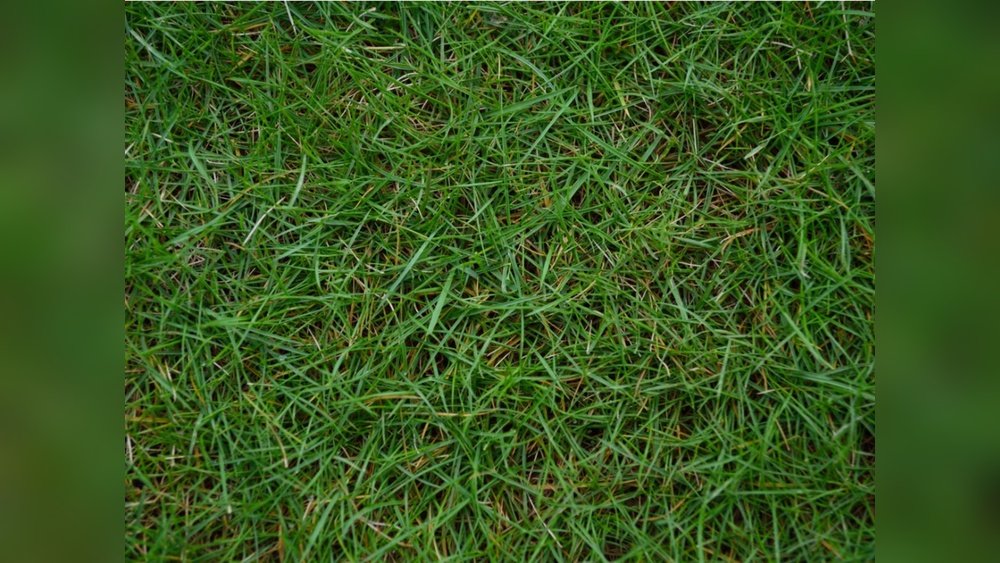
Bermuda grass has a fine texture and dense growth. It spreads through underground stems called rhizomes and above-ground runners called stolons. This growth method helps it cover large areas fast. The grass is drought-tolerant and recovers quickly from damage. It grows best in full sun and well-drained soil. Shade and wet soil can slow its growth.
Types Of Bermuda Grass
There are several types of Bermuda grass used for lawns and sports fields. Common Bermuda is coarse and tough, ideal for heavy use. Hybrid Bermuda varieties are finer and greener. They need more care but look better. Some popular hybrids include Tifway and Tifgreen. Each type has unique traits suited for different needs.

Credit: theturfgrassgroup.com
Ideal Climate For Bermuda Grass
Bermuda grass thrives best in certain climate conditions. These conditions help it grow thick and green. Knowing the ideal climate helps gardeners and landscapers choose the right spot for Bermuda grass. The grass prefers warm temperatures and plenty of sunlight. It also needs the right amount of water to stay healthy. Understanding these needs ensures a lush lawn or field.
Temperature Requirements
Bermuda grass grows well in warm weather. It thrives in temperatures between 75°F and 95°F. It can survive heat but struggles in cold. Frost or freezing temperatures can damage the grass. This grass is common in southern states and tropical areas. Warm seasons help it spread fast and stay green.
Sunlight And Shade Tolerance
Bermuda grass loves full sunlight. It grows best with at least six hours of sun daily. Shade slows down its growth and thins the grass. It can tolerate light shade but will not be as dense. Open, sunny areas create the healthiest Bermuda lawns. Too much shade can cause brown patches.
Rainfall And Moisture Needs
Bermuda grass needs regular watering to stay green. It prefers moderate rainfall, around 1 to 1.5 inches per week. Too little water causes the grass to dry out. Too much water can lead to root problems. Well-drained soil helps keep moisture balanced. Proper watering keeps Bermuda grass strong and vibrant.
Soil Conditions For Optimal Growth
Bermuda grass thrives best in certain soil conditions. Healthy soil helps it grow thick and green. Understanding soil needs can improve your lawn’s health and appearance.
Good soil supports strong roots and helps the grass resist drought and pests. Check your soil type and pH to create the best environment for Bermuda grass.
Soil Types That Support Bermuda Grass
Bermuda grass grows well in sandy and loamy soils. These soils drain water quickly, preventing root rot. Clay soils hold too much water and may harm the grass. Well-drained soil is key for healthy Bermuda grass.
Ph Levels And Nutrient Needs
Bermuda grass prefers soil pH between 5.8 and 7.0. This range helps the grass absorb nutrients easily. Nutrients like nitrogen, phosphorus, and potassium are important. Regular soil tests help keep nutrient levels balanced. Proper fertilization keeps Bermuda grass green and strong.
Credit: www.aces.edu
Geographic Regions Suitable For Bermuda Grass
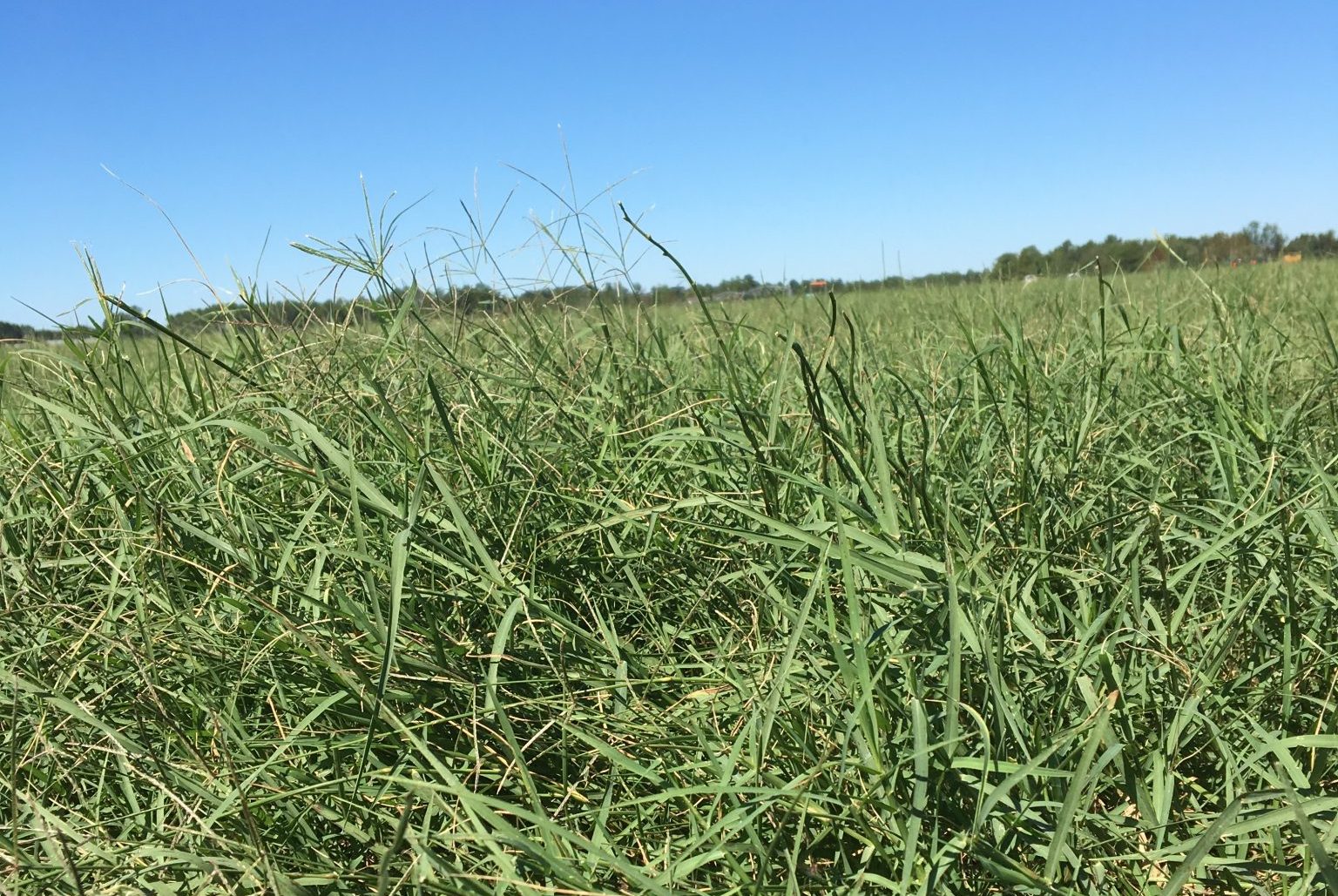
Bermuda grass grows best in warm climates. It thrives in areas with hot summers and mild winters. This grass needs plenty of sunlight and warmth to stay green and healthy. Knowing where Bermuda grass grows well helps gardeners and landscapers choose the right grass for their lawns and fields.
It is popular for lawns, sports fields, and golf courses in many parts of the world. Bermuda grass spreads quickly and tolerates drought and heavy use. Its strong growth makes it a top choice in the right climates.
Warm-season Zones
Bermuda grass grows mostly in warm-season zones. These zones have long, hot summers and short, mild winters. The grass cannot survive cold, freezing temperatures. It thrives in USDA hardiness zones 7 through 11. These zones cover much of the southern United States and parts of the world with similar climates.
Commonly Found Areas In The United States
In the U.S., Bermuda grass is common in the South and Southeast. States like Texas, Florida, Georgia, and Louisiana have many Bermuda lawns. It also grows well in California’s warm regions. The grass adapts to sandy soils and full sun. It is often used for sports fields and golf courses in these areas.
International Locations
Bermuda grass grows in many warm countries outside the U.S. It is common in Australia, South Africa, and parts of Asia. Tropical and subtropical regions provide ideal conditions. The grass handles heat and drought better than many others. It is used for lawns, pastures, and erosion control worldwide.
Planting And Establishing Bermuda Grass
Planting and establishing Bermuda grass requires care and planning. This grass grows well in warm climates and spreads quickly. It needs good soil and enough water to start strong. Choosing the right method and time helps the grass grow healthy and thick.
Seeding Vs. Sodding
Seeding Bermuda grass is cheaper but takes longer to grow. Seeds need more water and care in the beginning. Sodding gives instant grass cover and reduces weed growth. It costs more but shows results faster. Both methods work well if done correctly.
Best Planting Times
Plant Bermuda grass in late spring or early summer. Soil temperature should be above 65°F (18°C) for good germination. Warm weather helps seeds sprout and sod root quickly. Avoid planting in cold or wet seasons to prevent slow growth.
Preparation Tips
Start by clearing the area of weeds and debris. Loosen the soil to a depth of 4 to 6 inches. Add compost or fertilizer to improve soil quality. Level the ground for even water distribution. Water the soil before planting to help roots grow.
Maintenance For Thriving Bermuda Lawns
Bermuda grass thrives with the right care. Proper maintenance keeps it green and healthy. It needs regular attention to grow well. Simple steps make a big difference in lawn health.
Watering Practices
Bermuda grass needs deep watering. Water early in the morning for best results. Avoid frequent shallow watering to prevent weak roots. Let the soil dry slightly between waterings. About one inch of water per week works well.
Mowing Techniques
Keep Bermuda grass short and neat. Mow regularly to about 1 to 2 inches tall. Use sharp mower blades for clean cuts. Avoid cutting more than one-third of the blade height at once. This helps the grass stay strong and dense.
Fertilization Schedules
Feed Bermuda grass during the growing season. Use a balanced fertilizer with nitrogen, phosphorus, and potassium. Apply fertilizer every 6 to 8 weeks. Follow product instructions for correct amounts. Proper feeding boosts color and growth.
Weed And Pest Control
Watch for weeds and pests often. Remove weeds by hand or use safe herbicides. Treat pest problems quickly to avoid damage. Maintain lawn health to reduce pest issues naturally. Healthy grass resists weeds and pests better.
Challenges In Growing Bermuda Grass
Bermuda grass is popular for lawns and sports fields. It grows fast and looks green in warm weather. Still, growing Bermuda grass has some challenges. Understanding these problems helps maintain a healthy lawn.
Common Diseases
Bermuda grass can get several diseases. Leaf spot and dollar spot are common. These diseases cause brown patches and thin grass. Fungus often spreads in wet or humid weather. Proper watering and good air flow reduce disease risk. Using resistant varieties also helps protect the grass.
Dealing With Drought And Heat Stress
Bermuda grass handles heat well but suffers in long droughts. Lack of water makes the grass turn brown and dry. Deep watering encourages strong roots. Avoid shallow watering, which weakens the grass. Mulching can keep soil moist and cool. Water early in the morning for best results.
Managing Thatch And Soil Compaction
Thatch is a layer of dead grass and roots on soil. Too much thatch stops water and nutrients from reaching roots. Aeration helps break up soil compaction and thatch. Compacted soil prevents roots from growing well. Regular aeration and dethatching keep Bermuda grass healthy. Using the right lawn tools makes this easier.
Enhancing Lawn Health Year-round
Bermuda grass thrives in warm climates but needs care all year. Keeping it healthy means attention to its needs every season. Proper maintenance helps the grass stay green and strong. It reduces weeds and protects against pests. Healthy Bermuda grass makes your lawn look great and last longer.
Simple steps can improve your lawn’s health. These include seasonal care, overseeding, and using the right tools. Each step supports the grass in different ways. Understanding these helps keep your lawn lush throughout the year.
Seasonal Care Tips
Bermuda grass grows best in warm months. Water the lawn deeply during summer but avoid overwatering. Fertilize in spring and early summer for strong growth. Cut the grass to about 1 to 2 inches tall. In fall, reduce watering and stop fertilizing. During winter, let the grass rest but clear debris to avoid mold.
Overseeding And Renovation
Overseeding fills bare spots in your lawn. Use a cool-season grass seed for winter coverage. This helps keep your lawn green when Bermuda grass is dormant. Renovate damaged areas by removing dead grass. Loosen soil before spreading new seed. Water lightly until the new grass grows well.
Using Lawn Care Tools Effectively
Choose the right tools for your lawn size and type. Mowers should have sharp blades for clean cuts. Aerators help air reach the roots, improving growth. Use sprinklers for even watering without puddles. Clean and maintain tools regularly to keep them working well. Proper tools make lawn care easier and more effective.
:max_bytes(150000):strip_icc()/GettyImages-1257704064-bc64303b209d440da1660384b6cb60a8.jpg)
Credit: www.thespruce.com
Frequently Asked Questions
Where Does Bermuda Grass Thrive Best?
Bermuda grass thrives in warm climates with full sun exposure. It grows best in USDA zones 7 to 10. It prefers well-drained soils and can tolerate drought and heat, making it ideal for southern regions of the U. S. and tropical areas.
Can Bermuda Grass Grow In Shaded Areas?
Bermuda grass requires at least 6 to 8 hours of direct sunlight daily. It struggles in shaded areas and grows poorly under tree cover or buildings. For healthy growth, full sun is essential to prevent thinning and weed invasion.
Is Bermuda Grass Suitable For Cold Climates?
Bermuda grass is not well-suited for cold climates. It goes dormant and may die back in frost-prone areas. It is best grown in warm, temperate, or tropical regions where winters are mild or short.
What Soil Types Support Bermuda Grass Growth?
Bermuda grass grows best in sandy, loamy, and well-drained soils. It tolerates a range of soil pH from 5. 8 to 7. 0. Proper soil drainage and moderate fertility promote dense, healthy turf growth.
Conclusion
Bermuda grass grows best in warm and sunny places. It thrives in well-drained soils and tolerates drought well. You can find it in many parts of the southern United States and other warm regions worldwide. This grass spreads quickly and stays green during hot months.
It suits lawns, sports fields, and parks. Knowing where Bermuda grass grows helps you choose the right grass for your yard. Its hardiness and fast growth make it a popular choice for many gardeners. Consider these facts when planning your lawn or garden space.
