
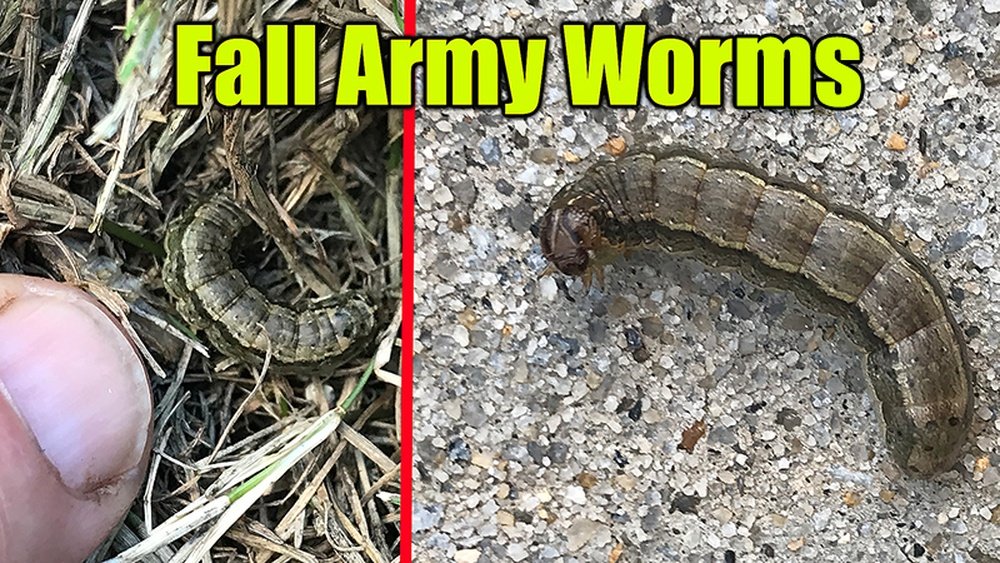
Army worms do eat Bermuda grass and can cause noticeable damage by feeding on its leaves and stems. They often move in groups, stripping patches of grass quickly, especially during warm months. Early detection and proper lawn care are essential to prevent these pests from ruining your Bermuda grass.
Are you worried about your Bermuda grass looking patchy or damaged? You might be dealing with army worms, a common pest that can quickly ruin your lawn.
But do army worms really eat Bermuda grass? Understanding their behavior is key to protecting your yard. Keep reading to discover how these pests affect your grass and what you can do to stop them before they cause serious harm.
Your lawn’s health depends on it.

Credit: thelawncarenut.com
Army Worms And Their Diet
Army worms are common pests found in many lawns and fields. They eat different types of plants. Understanding their diet helps protect grass like Bermuda grass. These worms feed mostly on leaves and stems. Their eating habits can cause damage fast.
Common Food Sources
Army worms like many grasses. Bermuda grass is one of their favorites. They also eat crops like corn, wheat, and barley. Young plants are easy targets for them. Leaves and tender shoots attract these worms the most. They can survive on many plant types. This makes them a threat to gardens and farms.
Feeding Behavior
Army worms eat mostly at night. They hide during the day to avoid predators. They move in groups and can strip plants quickly. Their feeding leaves grass brown and patchy. They chew through leaves and stems fast. Damage shows as bare spots in grass areas. Early detection helps control their spread.

Credit: nnmg.org
Bermuda Grass Characteristics
Bermuda grass is a popular choice for lawns and sports fields. It thrives in warm climates and spreads quickly. This grass has a tough texture and bright green color. Its ability to recover from damage makes it resilient. Understanding Bermuda grass characteristics helps explain its relationship with pests like army worms.
Growth Patterns
Bermuda grass grows by sending out runners called stolons and rhizomes. These runners create a dense, thick lawn. The grass spreads fast in warm weather and full sun. It dies back in cold seasons but grows back strong. Its quick growth helps cover bare spots fast.
Vulnerability To Pests
Bermuda grass is not immune to pests. Army worms find it tasty and can cause damage. The grass’s thick blades and runners offer food and shelter. Pests often target stressed or weak grass. Proper care can reduce vulnerability to army worms and other bugs.
Army Worms’ Impact On Bermuda Grass
Army worms can cause serious harm to Bermuda grass. These pests feed on the grass blades, creating patches of damaged turf. This affects the green color and health of the lawn. The damage can spread quickly if not noticed early. Understanding their impact helps in protecting your grass effectively.
Army worms often strike in groups, leading to rapid damage. Their feeding habits make the grass weak and thin. Lawn owners must watch for signs of these pests to save their Bermuda grass.
Signs Of Infestation
Look for small, green or brown caterpillars on the grass blades. The worms move in groups, often leaving behind brown patches. You may see chewed leaves or missing grass blades. The turf may look uneven or thin in some areas. Early detection helps in stopping the infestation quickly.
Damage Patterns
Army worms eat from the tip of grass blades, leaving ragged edges. They create bare spots that can grow larger fast. The grass may turn yellow or brown as the worms feed. Damage often appears in circular or irregular patches. These patterns help identify army worm problems in Bermuda grass.
Preventing And Managing Infestations
Preventing and managing army worm infestations is vital for healthy Bermuda grass. Early action helps keep damage low. Understanding different methods gives more control over these pests. Combining approaches often works best to protect your lawn.
Natural Predators
Natural predators help control army worm numbers. Birds, spiders, and beetles eat these worms. Encouraging these animals in your yard reduces pest problems. Avoid using harsh chemicals that can kill helpful insects. Creating a balanced environment supports natural pest control.
Chemical Treatments
Chemical treatments can stop heavy army worm infestations fast. Use insecticides designed for lawn pests. Follow the label instructions carefully to protect grass and people. Apply treatments in early morning or late evening for best results. Limit chemical use to prevent harm to beneficial insects.
Cultural Practices
Good lawn care reduces army worm risks. Mow Bermuda grass regularly but not too short. Water deeply and less often to keep grass strong. Remove grass clippings and debris that hide pests. Aerate soil to improve drainage and root health. Healthy grass resists damage better than weak grass.
Seasonal Trends And Risk Periods
Army worms pose a serious threat to Bermuda grass during certain times of the year. Knowing their seasonal trends helps protect your lawn effectively. The risk of damage rises during specific periods when these pests become highly active.
Understanding these times can save your grass from heavy damage. It also helps in planning timely control measures to reduce the impact of army worms.
Peak Activity Times
Army worms are most active in late summer and early fall. These months offer warm temperatures and plenty of food. The larvae feed heavily on Bermuda grass during this time. Their populations often peak after rainy spells. This creates ideal conditions for rapid growth and spread.
Early spring may also see low levels of activity. But the greatest risk remains during late summer months. Homeowners should watch their lawns carefully then. Early detection can prevent major damage.
Environmental Factors
Warm and moist conditions encourage army worm growth. Rain and humidity support larval development and survival. Dry or very cold weather reduces their activity. Sudden weather changes can trigger outbreaks. Overgrown or stressed Bermuda grass attracts more army worms. These pests prefer thick, lush grass that provides shelter and food.
Proper lawn care can lower the risk during peak times. Regular mowing and watering keep the grass healthy. Healthy grass withstands feeding damage better than weak grass.
:max_bytes(150000):strip_icc()/GettyImages-1184276200-1-fa831b84dbaa4dad8796679b974b3e4c.jpg)
Credit: www.southernliving.com
Frequently Asked Questions
Do Army Worms Damage Bermuda Grass?
Yes, army worms feed on Bermuda grass leaves, causing significant damage. They chew the grass blades, leading to brown patches and thinning turf.
How Can I Identify Army Worm Infestation?
Look for chewed grass blades and small green caterpillars. You may also notice brown spots and a sudden thinning of Bermuda grass.
What Is The Best Treatment For Army Worms On Bermuda Grass?
Use insecticides labeled for army worm control. Apply treatments early in infestation for best results and follow product instructions carefully.
Can Army Worms Completely Kill Bermuda Grass?
Severe infestations can weaken Bermuda grass and cause patchy death. However, timely treatment usually helps the grass recover quickly.
Conclusion
Army worms do eat Bermuda grass and can cause serious damage. They chew on leaves and stems, leaving your lawn thin and patchy. Catching them early helps protect your grass from heavy harm. Using natural or chemical controls can reduce their numbers effectively.
Regular lawn care also keeps Bermuda grass strong and less likely to suffer. Stay alert for signs of army worm activity during warm months. Healthy grass recovers faster and stays green longer. Taking action quickly keeps your lawn looking its best.
