

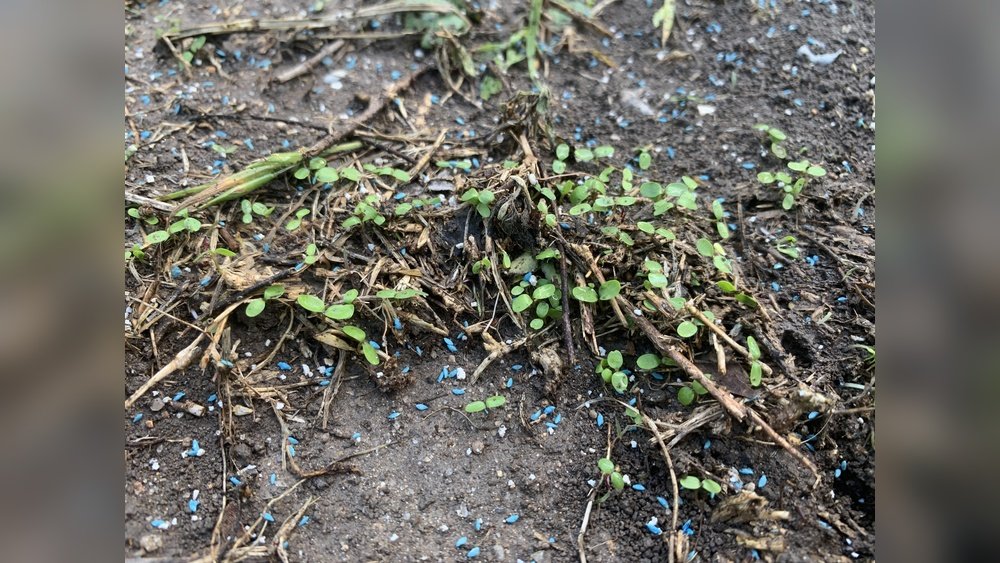
Are you curious about what sprouting Bermuda grass looks like and how to spot it in your yard? Knowing the early signs of Bermuda grass growth can help you care for your lawn better and keep it healthy all season long.
You’ll discover the clear, simple ways to identify young Bermuda grass as it begins to sprout. Whether you’re a gardening beginner or just want to improve your lawn’s appearance, understanding these details will give you the confidence to nurture your grass right from the start.
Keep reading to learn exactly what to look for and how to tell when your Bermuda grass is on its way to thriving.
Credit: www.sare.org
Early Growth Stages
Sprouting Bermuda grass shows clear signs during its early growth stages. These stages reveal how the grass begins to establish itself in your lawn. Observing these signs helps you know if your grass is growing healthy and strong.
Tiny Green Shoots
The first sign of sprouting Bermuda grass is tiny green shoots. These shoots are very small and delicate. They poke through the soil surface, signaling new life below. At this stage, the shoots are bright green and easy to spot.
Thin Grass Blades
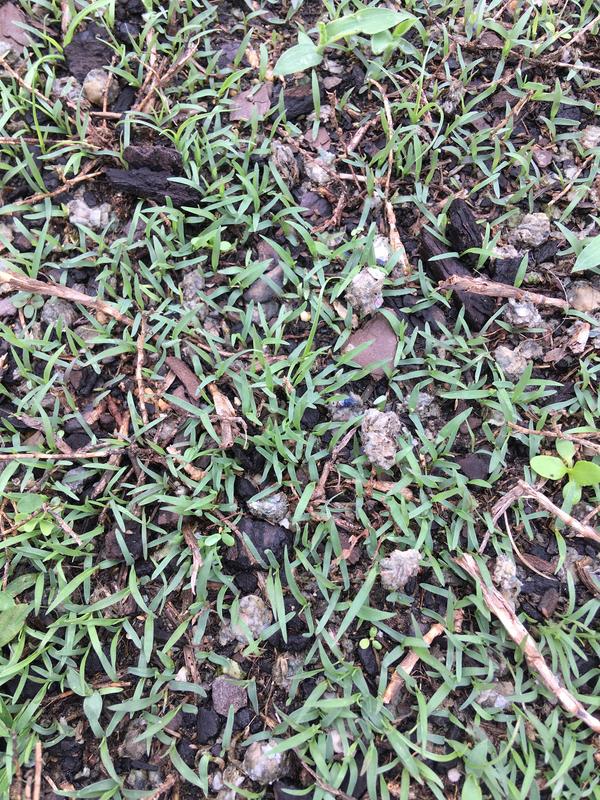
As the shoots grow, thin grass blades start to appear. These blades are narrow and soft. They look fragile but will thicken over time. The blades spread out, covering more ground and creating a green carpet.
Moist Soil Appearance
During early growth, the soil looks moist and dark. Moist soil is crucial for sprouting Bermuda grass. It helps the roots absorb nutrients and stay healthy. Keep the soil damp but not soaked to support growth.
Color Changes
Color changes reveal important signs during Bermuda grass sprouting. Observing these shifts helps understand the grass’s health and growth stage. Watch closely for color patterns that show how the grass develops.
Light Green Hue
New Bermuda grass sprouts often start with a light green color. This soft green shows fresh growth and moisture in the soil. It indicates the grass is waking up from dormancy and beginning to grow.
Transition To Dark Green
As the grass matures, the color deepens to a rich dark green. This change means the grass is strong and healthy. Dark green blades show good nutrient absorption and good sunlight exposure.
Spotting Yellow Or Brown Patches
Yellow or brown patches may appear during sprouting. These spots often signal stress, drought, or disease. Early detection helps fix problems before they spread and damage the lawn.
Texture And Density
Texture and density are key signs of sprouting Bermuda grass. They show how healthy the grass is and how well it will cover your lawn. Watching these changes helps you know if the grass is growing as it should. Sprouting Bermuda grass has a unique feel and look at different stages.
Softness Of New Sprouts
New Bermuda grass sprouts feel soft and tender to touch. The blades are thin and delicate compared to mature grass. This softness means the grass is young and still growing. Walking gently on new sprouts helps avoid damage. Over time, the grass becomes stronger and less soft.
Increasing Grass Density
As Bermuda grass grows, it becomes thicker and fuller. The sprouts spread out and fill empty spaces in the soil. This increase in density makes the lawn look lush and green. Dense grass helps prevent weeds from growing. Regular watering and sunlight support this thick growth.
Patchy Vs Uniform Growth
Sprouting Bermuda grass may start patchy in some areas. This means some spots have fewer sprouts than others. Patchy growth can happen due to poor soil or uneven watering. Uniform growth shows even coverage and healthy grass all over. Fixing patchy areas early helps the lawn look great faster.
Environmental Conditions
Sprouting Bermuda grass depends a lot on the environment. The right conditions help the grass grow strong and green. Understanding these conditions can make a big difference in how your lawn looks.
Several factors like temperature, soil moisture, and sunlight affect the sprouting process. Each one plays a key role in helping Bermuda grass start growing well.
Ideal Temperature Range
Bermuda grass sprouts best in warm temperatures. The ideal range is between 70°F and 95°F. Cooler temperatures slow down growth and may stop sprouting. Warmer weather encourages quick and healthy shoots.
Soil Moisture Levels
Moist soil is important for Bermuda grass sprouting. The soil should stay damp but not soaked. Too much water can cause root problems. Too little water makes the seeds dry out and fail to grow.
Sunlight Exposure
Bermuda grass needs full sunlight to sprout well. It requires at least six hours of direct sun each day. Shade can make the grass thin and weak. Bright sunlight helps the grass green up fast and spread evenly.
Common Mistakes In Spotting
Spotting sprouting Bermuda grass can be tricky for many gardeners and lawn care enthusiasts. Mistakes in identifying it early often lead to frustration and poor lawn care decisions. Recognizing these common errors helps you avoid confusion and maintain a healthy lawn.
Confusing Weeds With Bermuda Grass
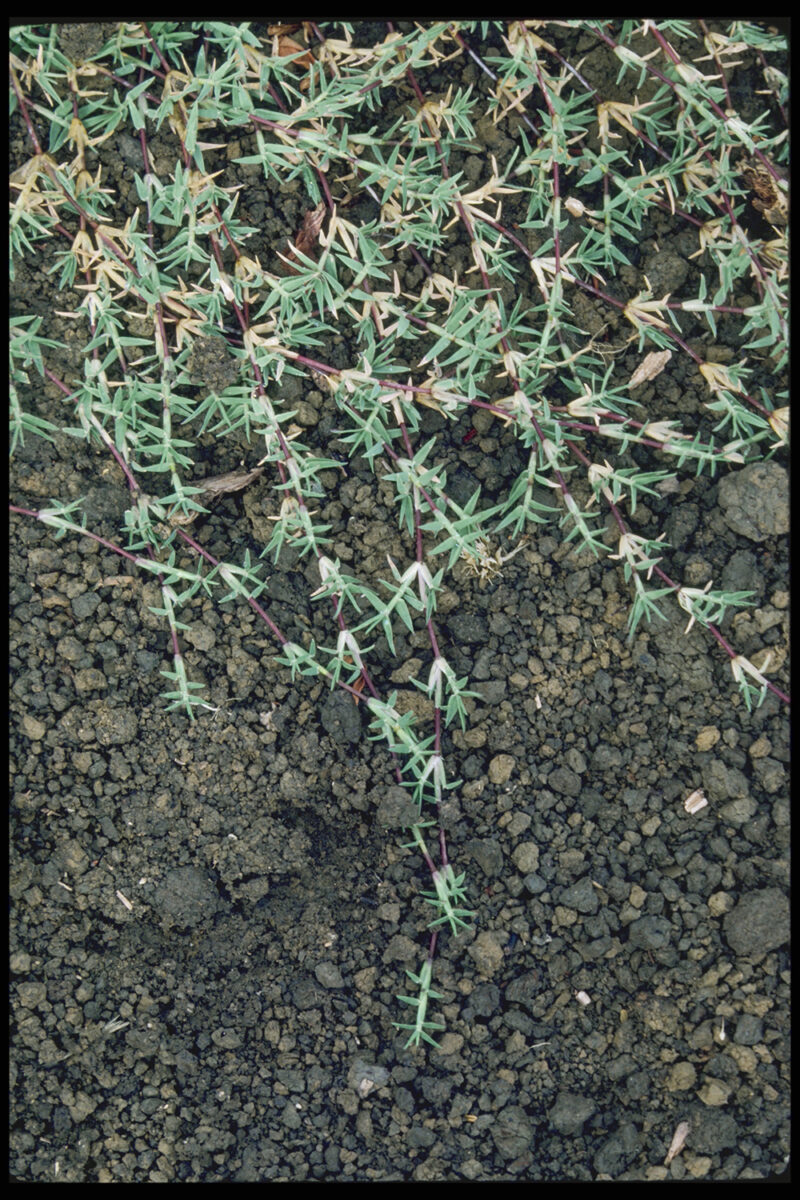
Many people mistake weeds for Bermuda grass seedlings. Some weeds grow fast and look similar in color and texture. This confusion causes unnecessary weed control efforts that harm the grass. Take time to learn the shape and growth pattern of young Bermuda grass. It has narrow blades and spreads quickly from runners.
Overlooking Early Signs
Early sprouts of Bermuda grass are small and easy to miss. The blades start as thin, bright green shoots. Ignoring these signs delays proper care like watering and mowing. Regularly check your lawn for tiny shoots after planting or seasonal changes. Early attention helps the grass establish a strong root system.
Ignoring Soil Health
Healthy soil is vital for Bermuda grass to sprout well. Poor soil conditions stunt growth and make sprouts weak. Failing to test soil nutrients and pH levels is a common mistake. Good soil ensures the grass gets enough air, water, and nutrients. Improve soil by adding organic matter and avoiding heavy compaction.
Credit: www.thelawnforum.com
Credit: www.thelawnforum.com
Frequently Asked Questions
What Does Sprouting Bermuda Grass Look Like?
Sprouting Bermuda grass starts as thin, green shoots emerging from the soil. The shoots are bright green and grow quickly in warm weather. Early sprouts have a fine, thread-like appearance before thickening into blades.
How Long Does Bermuda Grass Take To Sprout?
Bermuda grass typically sprouts within 7 to 14 days after planting. Warm soil temperatures between 65°F and 85°F speed up germination. Proper watering and sunlight help ensure faster sprouting.
How Can I Identify Young Bermuda Grass Blades?
Young Bermuda grass blades are narrow, bright green, and slightly pointed. They grow densely and spread quickly through stolons and rhizomes. Early blades are soft and delicate compared to mature grass.
Why Is My Bermuda Grass Sprouting Unevenly?
Uneven sprouting may result from inconsistent watering, poor soil, or shade. Soil compaction or lack of nutrients also affect growth. Ensure proper soil preparation and consistent care for uniform sprouting.
Conclusion
Sprouting Bermuda grass shows thin, green shoots emerging from soil. These shoots grow quickly in warm weather. You will see small blades that look fresh and bright. The grass spreads by sending runners across the ground. Healthy sprouts mean your lawn will fill in nicely.
Watch for even growth and a vibrant green color. This early stage is key for a thick lawn later. Keep the soil moist to help sprouts grow strong. Watching these signs helps you know your grass is thriving.
