

If you want a lush, green lawn that stands up to heat and heavy use, planting Bermuda grass is one of the best choices you can make. But how do you get started?
You might wonder when to plant, what soil it needs, or how to care for it as it grows. In this guide, you’ll discover simple, clear steps to plant Bermuda grass successfully. By the end, you’ll feel confident turning your yard into a vibrant, healthy space that you’ll love spending time in.
Keep reading to learn exactly what you need to do to make your Bermuda grass thrive.
Credit: proplugger.com
Choosing The Right Bermuda Grass
Choosing the right Bermuda grass is the first step to a healthy lawn. The correct variety depends on your needs and environment. This choice affects how well the grass grows and how much care it needs. Understanding popular types and local conditions helps you make the best decision.
Popular Bermuda Varieties
Bermuda grass has several popular types. Common Bermuda is tough and grows fast. It works well for sports fields and home lawns. Tifway Bermuda is finer and looks green all year. It needs more care but offers a smooth surface. Celebration Bermuda has a dark green color and resists drought. It suits warmer areas. Each type has unique features. Choose based on lawn use and maintenance ability.
Climate And Soil Considerations
Bermuda grass thrives in warm climates with plenty of sun. It struggles in cold or shaded areas. The soil should drain well and have moderate fertility. Sandy or loamy soil works best. Clay soils may need improvement before planting. Check your local climate for temperature and rainfall. Match the grass type to your region’s conditions. This match helps grass grow strong and stay green.
Preparing The Soil
Preparing the soil is the first step to plant Bermuda grass well. Good soil helps the grass grow strong and green. Without proper preparation, the grass may not spread or stay healthy. Take time to get the soil ready before planting.
Testing Soil Ph
Test the soil pH to know its acidity or alkalinity. Bermuda grass grows best in soil with pH between 6.0 and 7.0. Use a simple home test kit or send a sample to a lab. Adjust the pH with lime to raise it or sulfur to lower it.
Clearing And Tilling
Clear the area of weeds, rocks, and old grass. Remove debris that can block new growth. Till the soil deeply to loosen it. This helps roots grow well and improves water absorption. A soft, loose soil bed is ideal for Bermuda grass.
Adding Fertilizers And Amendments
Add fertilizers to give nutrients to the soil. Use a balanced fertilizer with nitrogen, phosphorus, and potassium. Mix organic matter like compost to improve soil texture. Healthy soil supports healthy grass. Spread fertilizers evenly before planting.
Planting Methods
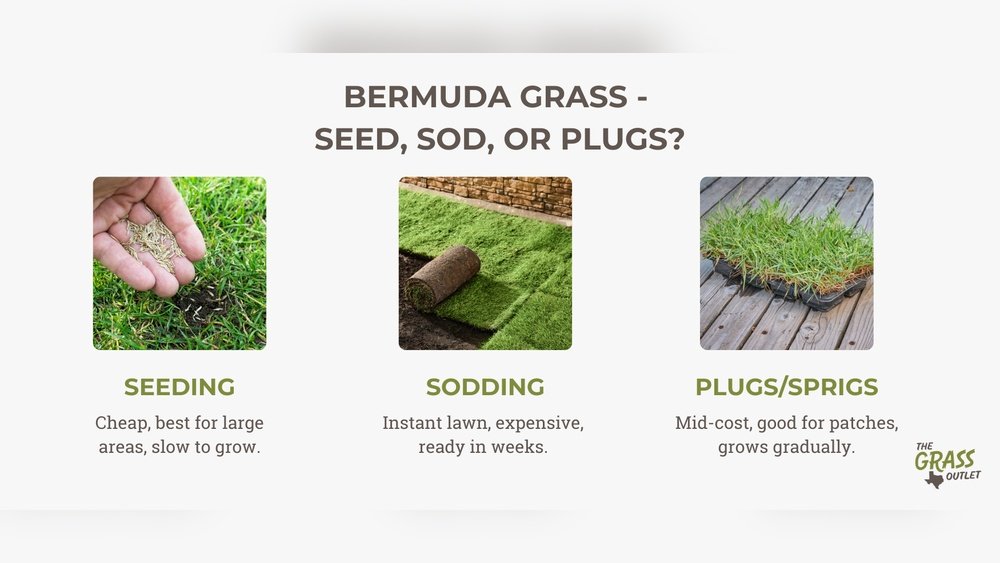
Planting Bermuda grass requires choosing the right method for your lawn. Each method has its own steps and benefits. The best method depends on your budget, time, and lawn size. Below are common planting techniques to help your Bermuda grass grow strong and healthy.
Seeding Tips
Seeding is the most affordable way to plant Bermuda grass. Spread seeds evenly over prepared soil. Rake lightly to cover seeds with a thin soil layer. Keep soil moist until seeds sprout. Water daily but avoid flooding. Seeds usually germinate within 7 to 14 days.
Choose high-quality seeds for better growth. Avoid planting seeds during cold months. Warm soil helps seeds grow faster. Remove weeds before seeding to reduce competition.
Sodding Techniques
Sodding gives an instant green lawn. Lay fresh Bermuda sod on smooth, moist soil. Stagger the pieces like bricks for tight fitting. Press sod firmly to remove air pockets. Water immediately after installation.
Keep sod moist for two weeks. Avoid heavy foot traffic during this time. Sod roots will grow into the soil below. This method costs more but shows quick results. It is great for lawns needing fast coverage.
Sprigging And Plugging
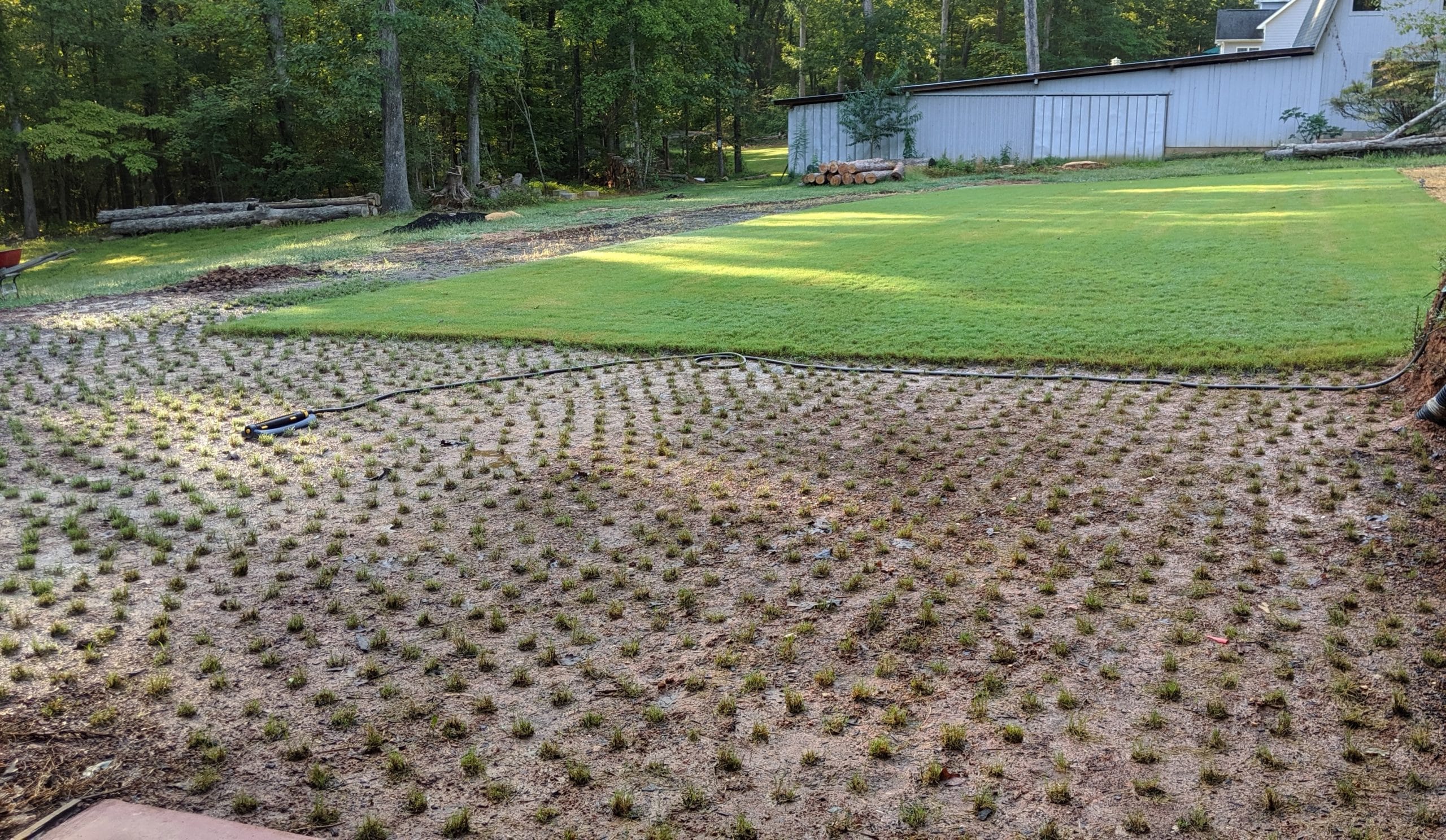
Sprigging uses small Bermuda grass pieces called sprigs. Plant sprigs in rows spaced a few inches apart. Cover lightly with soil and water well. Sprigs grow roots and spread to fill gaps.
Plugging involves planting small grass plugs. Space plugs evenly across the lawn area. Water plugs regularly to encourage growth. Both methods take longer than seeding or sodding. They are good for repairing patches or large areas on a budget.
:strip_icc()/BHG-Bermuda-Grass-SIP921675-6b48f3f430f847a79ccda2633e26e1a6.jpg)
Credit: www.bhg.com
Watering Guidelines
Watering is key to growing healthy Bermuda grass. This grass needs the right amount of water at the right time. Too little water makes it dry and weak. Too much water can cause root problems. Follow the watering guidelines to help your Bermuda grass grow strong and green.
Initial Watering Schedule
Start watering right after planting the seeds or sod. Water lightly but often. Aim for 2 to 3 times a day. Keep the soil moist, not soggy. Water for about 5 to 10 minutes each time. Do this for the first 2 weeks. This helps the roots begin to grow deep.
Maintaining Moisture Levels
After the grass starts growing, reduce watering to once a day. Water early in the morning. This helps the grass dry before night. Overwatering can cause fungus and weak roots. Check the soil regularly. It should feel damp but not wet. Adjust watering based on weather and soil type.
Fertilizing Bermuda Grass
Fertilizing Bermuda grass is key to a lush, green lawn. This grass grows fast and uses many nutrients. Regular feeding keeps it healthy and strong. Proper fertilizing helps the grass resist pests and drought. It also improves color and thickness. Knowing how to fertilize Bermuda grass right saves time and money.
Choosing The Right Fertilizer
Select a fertilizer high in nitrogen for Bermuda grass. Nitrogen promotes green leaves and quick growth. Look for fertilizers with a balanced mix of phosphorus and potassium too. Phosphorus supports root growth. Potassium helps the grass fight disease. Use slow-release fertilizers to avoid burning the grass. Organic options work well for steady nutrient supply.
Timing And Frequency
Start fertilizing Bermuda grass in spring when it begins to grow. Apply fertilizer every 6 to 8 weeks during the growing season. Stop feeding in late summer to let the grass prepare for dormancy. Avoid fertilizing in winter since the grass is inactive. Water the lawn after fertilizing to help nutrients soak into the soil. Regular feeding keeps Bermuda grass thick and green all summer.
Mowing Practices
Mowing is key to growing healthy Bermuda grass. It helps keep the lawn neat and strong. Proper mowing makes the grass grow thick and green. Cutting the grass the right way stops weeds and pests. It also helps the grass survive dry weather better.
Optimal Mowing Height
Set the mower blade to keep Bermuda grass between 1 and 2 inches tall. This height lets sunlight reach the soil. It also helps the grass develop deep roots. Cutting below 1 inch can stress the grass. Letting it grow above 2 inches makes the lawn look messy. Stick to the right height for the best lawn.
Mowing Frequency
Cut Bermuda grass often during the growing season. Usually, mow it once or twice a week. Avoid cutting more than one-third of the grass blade at a time. This keeps the grass healthy and prevents damage. In cooler months, reduce mowing to every two weeks. Adjust mowing based on how fast the grass grows.
Controlling Weeds And Pests
Keeping Bermuda grass healthy means controlling weeds and pests. Weeds steal nutrients and water from your lawn. Pests can damage grass blades and roots. Both reduce the beauty and strength of your Bermuda lawn. Proper care helps your grass grow thick and green.
Common Weeds In Bermuda Lawns
Crabgrass often invades Bermuda lawns. It grows fast and spreads quickly. Dandelions have bright yellow flowers and deep roots. Nutsedge looks like grass but grows taller and faster. Annual bluegrass appears in cool weather and dies in heat. Removing these weeds early stops them from spreading. Hand-pulling small weeds works well. For larger problems, use a selective herbicide made for Bermuda grass.
Effective Pest Management
Grubs feed on Bermuda roots and cause brown patches. Chinch bugs suck sap from grass blades, making them yellow. Sod webworms chew leaves at night. Regular lawn inspection helps catch pests early. Water your lawn deeply but not too often. Healthy grass resists pests better. Use insecticides only if pest damage is severe. Natural predators like birds and beneficial insects also help control pests.
Dealing With Lawn Problems
Maintaining a healthy Bermuda grass lawn can be challenging. Problems like diseases and bare spots often appear. Early action helps keep your lawn green and strong. Understanding how to prevent and fix these issues saves time and effort.
Disease Prevention
Bermuda grass can get diseases like leaf spot and dollar spot. These cause brown or yellow patches on your lawn. Water your grass early in the morning to keep it dry during the night. Avoid overwatering. Mow regularly but not too short. Use a sharp mower blade to prevent damage. Fertilize properly to keep grass strong. Remove dead grass and debris to stop disease spread.
Repairing Bare Spots
Bare spots make your lawn look uneven and weak. Remove dead grass and loosen the soil in these areas. Spread Bermuda grass seed or lay small pieces of sod. Water the spots lightly every day until new grass grows. Avoid heavy foot traffic on these areas. Use fertilizer to help new grass grow faster. Regular care will restore your lawn’s full look.
Seasonal Care Tips
Seasonal care is key for healthy Bermuda grass. Each season brings different needs. Paying attention to these changes helps keep your lawn green and strong. Preparing for summer heat and winter cold protects the grass from damage. Follow these tips for the best lawn all year.
Summer Maintenance
Water deeply but less often during hot days. Early morning watering reduces evaporation. Mow frequently, keeping grass height around 1 to 2 inches. Avoid cutting too short to prevent stress. Apply fertilizer designed for warm-season grasses. Check for pests and treat quickly to avoid spread.
Winter Preparation
Stop fertilizing as temperatures drop below 60°F. Gradually reduce watering to avoid over-saturation. Clear leaves and debris to prevent mold growth. Avoid heavy traffic on dormant grass. Consider aerating soil before frost to improve root health. Preparing well helps Bermuda grass survive winter cold.

Credit: www.wikihow.com
Frequently Asked Questions
How Long Does Bermuda Grass Take To Grow?
Bermuda grass typically takes 7 to 14 days to germinate. Full growth and coverage may take 6 to 8 weeks under ideal conditions. Warm weather and regular watering speed up the process.
What Soil Type Is Best For Bermuda Grass?
Bermuda grass thrives in well-drained, sandy or loamy soil. It prefers a soil pH between 5. 8 and 7. 0. Proper soil preparation ensures healthy root development and vibrant turf.
How Often Should Bermuda Grass Be Watered?
Water Bermuda grass deeply 1 to 2 times per week. Each watering should soak the soil 6 to 8 inches deep. Avoid overwatering to prevent fungal diseases and promote strong roots.
When Is The Best Time To Plant Bermuda Grass?
The best time to plant Bermuda grass is late spring to early summer. Soil temperatures should be consistently above 65°F (18°C). Warm weather encourages quick germination and growth.
Conclusion
Planting Bermuda grass brings green beauty to your yard. Prepare the soil well and water it often. Keep the grass trimmed to help it grow strong. Watch for weeds and remove them quickly. Give your lawn enough sunlight every day.
With care and patience, your Bermuda grass will thrive. Enjoy a soft, green lawn all year round. Simple steps lead to a healthy, lush yard. Start planting today and see the difference soon.
