

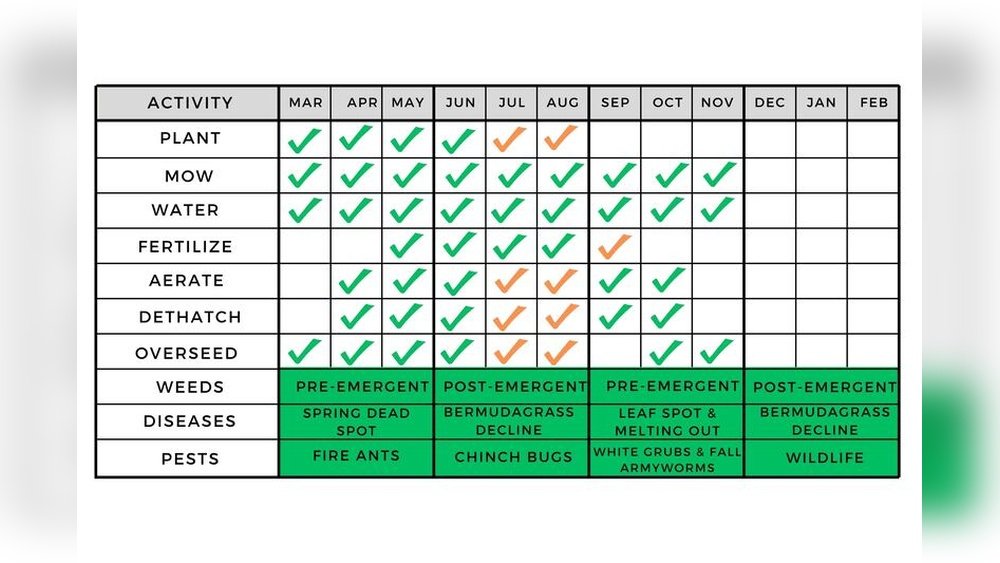
If you want a lush, green Bermuda grass lawn that stands out in Texas, knowing the right time to fertilize is key. Fertilizing too early or too late can waste your effort and money, leaving your yard patchy and dull.
But don’t worry—this guide will help you understand exactly when to feed your Bermuda grass to keep it healthy and vibrant all year long. Ready to unlock the secret to a thriving lawn? Keep reading to find out the best fertilizing schedule tailored just for Texas.
Bermuda Grass Basics
Bermuda grass is a popular choice for lawns in Texas. It thrives in warm weather and handles heat well. Understanding the basics of Bermuda grass helps you care for it better. Proper care means a greener, healthier lawn.
Growth Cycle In Texas
Bermuda grass grows mostly in spring and summer. It starts growing when temperatures reach about 65°F. Growth slows down in fall and stops in winter. Knowing the growth cycle helps to time fertilizing correctly.
Soil Requirements
Bermuda grass prefers well-drained soil with a pH between 5.8 and 7.0. It grows best in sandy or loamy soil. Good soil helps roots grow deep and strong. Testing soil before fertilizing improves results and saves money.
Climate Impact
Texas climate varies but is mostly hot and dry. Bermuda grass tolerates drought but needs water during dry spells. High heat boosts growth but can stress the grass without water. Fertilizing supports grass through Texas heat and dry weather.
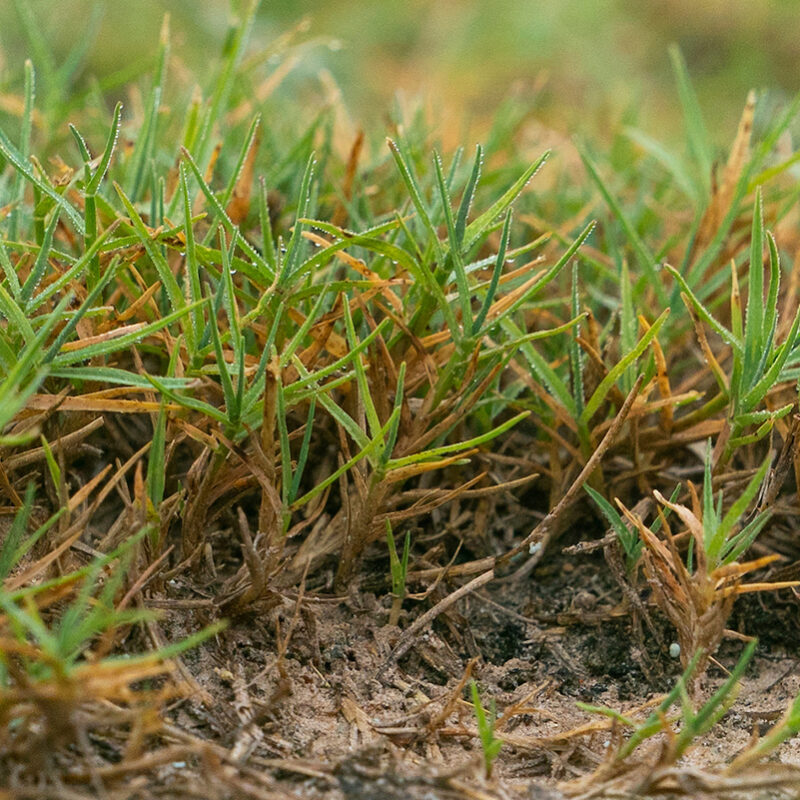
Credit: agrilifeextension.tamu.edu
Optimal Fertilizing Times
Fertilizing Bermuda grass at the right time helps it grow strong and green. Texas weather changes through the year. Each season needs a different care for your lawn. Knowing when to fertilize keeps your grass healthy and vibrant. It also helps save money and effort. Let’s explore the best times to feed your Bermuda grass in Texas.
Spring Fertilization
Spring is the key start for Bermuda grass. Apply fertilizer after the last frost. Grass begins to grow quickly now. Use a fertilizer high in nitrogen. It supports new leaf and root growth. Spread fertilizer evenly to avoid brown patches. Water the lawn lightly after fertilizing. This helps nutrients reach the roots.
Summer Maintenance
Summer heat can stress Bermuda grass. Use a light fertilizer in mid-summer. Choose a formula with balanced nutrients. Avoid heavy feeding to prevent burning the grass. Water deeply but less often. This encourages deep root growth. Mow regularly but don’t cut too short. Healthy grass fights heat better.
Fall Preparation
Fall prepares Bermuda grass for winter rest. Use a fertilizer with potassium and phosphorus. These nutrients strengthen the roots. Apply fertilizer early in fall. This helps grass store food for winter. Avoid too much nitrogen now. Overfeeding can cause weak grass in cold weather. Water well after fertilizing to lock in nutrients.
Choosing The Right Fertilizer
Choosing the right fertilizer is key to growing healthy Bermuda grass in Texas. Different fertilizers provide different nutrients and benefits. Picking the correct type helps your lawn stay green and strong. It also prevents waste and protects the environment.
Nutrient Needs
Bermuda grass mainly needs nitrogen for growth. Phosphorus and potassium are also important but in smaller amounts. Nitrogen helps the grass grow thick and green. Potassium improves root strength and disease resistance. Phosphorus supports root development, especially in new lawns.
Check your soil before fertilizing. A soil test shows which nutrients are missing. This helps you select a balanced fertilizer for your lawn.
Organic Vs Synthetic
Organic fertilizers come from natural sources like compost and manure. They release nutrients slowly and improve soil health. Organic options are safer for pets and children. Synthetic fertilizers are man-made and provide nutrients quickly. They often have higher nutrient concentrations. Use synthetic fertilizers carefully to avoid burning the grass.
Both types work well. Choose based on your lawn’s needs and your personal preference.
Application Methods
Spread fertilizer evenly to avoid patchy growth. Use a broadcast spreader for large lawns. A drop spreader offers more control in small areas. Water your lawn after applying fertilizer. This helps nutrients soak into the soil. Avoid fertilizing before heavy rain. It can wash away nutrients and harm the environment.
Follow package instructions on how much and how often to apply fertilizer.
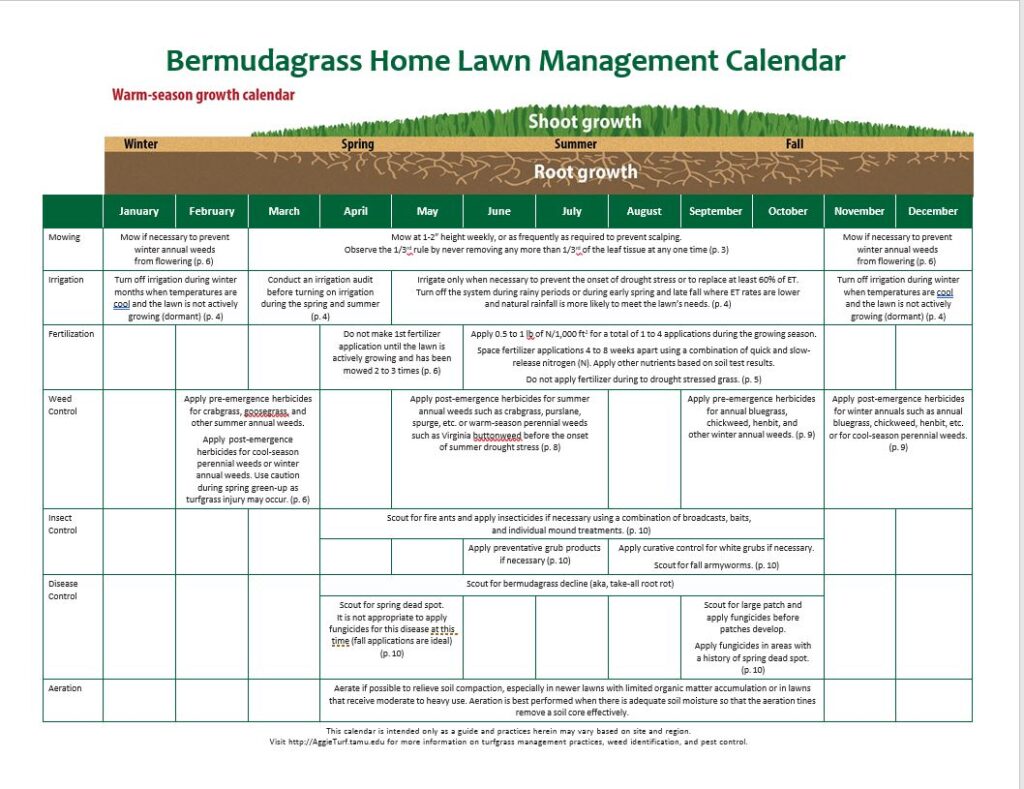
Credit: agrilifeextension.tamu.edu
Signs Your Grass Needs Fertilizer
Knowing when your Bermuda grass needs fertilizer helps keep your lawn healthy and green. Signs from the grass itself often show nutrient shortages early. Watching these signs closely can save your lawn from damage. Healthy grass looks vibrant and grows well. Spotting changes in color, growth, or soil can tell you if fertilizer is necessary.
Color Changes
Dull or yellow grass often means it needs nutrients. Green grass shows good health and proper feeding. Brown or pale patches suggest the grass lacks nitrogen. Nitrogen helps grass stay dark green and strong. Watch for uneven color across your lawn. These color shifts highlight areas needing extra care and feeding.
Growth Patterns
Slow or thin growth signals fertilizer may be needed. Bermuda grass usually grows fast during warm months. Patchy or sparse grass shows weak health. Fertilizer boosts growth and fills bare spots. Grass that stops growing or looks stunted needs attention. Regular mowing can help spot these growth changes early.
Soil Testing
Soil testing reveals nutrient levels and pH balance. Testing helps know exactly what nutrients your soil lacks. It guides you to choose the right fertilizer type. Testing is simple and often affordable. Good soil supports strong Bermuda grass roots. Testing prevents over-fertilizing and saves money on wrong products.
Common Fertilizing Mistakes
Fertilizing Bermuda grass in Texas requires care. Many people make mistakes that harm the lawn. These errors reduce grass health and waste fertilizer. Understanding common fertilizing mistakes helps keep your lawn green and strong.
Overfertilizing Risks
Applying too much fertilizer can burn grass roots. It causes brown spots and weak growth. Excess nutrients lead to weed growth and pests. Overfertilizing also wastes money and harms the environment. Use the right amount based on soil tests.
Timing Errors
Fertilizing at the wrong time can slow grass growth. Applying fertilizer too early in spring may not help. Late fall fertilizing can encourage disease. The best time is during active growth, usually late spring to summer. Follow a proper schedule for best results.
Watering After Fertilizing
Watering helps fertilizer reach grass roots. But too much water washes nutrients away. Too little water keeps fertilizer on the surface, causing burns. Light watering soon after fertilizing is ideal. It balances nutrient absorption and prevents damage.
Seasonal Care Tips
Seasonal care is key to keeping Bermuda grass healthy in Texas. The grass needs different care at each stage of the year. Knowing the right time to fertilize helps the grass grow strong and green. Adjusting care by season prevents problems and supports growth.
Follow these simple tips to match your Bermuda grass care to Texas seasons. Pay attention to changes in weather and grass growth. This way, your lawn stays lush and healthy all year.
Adjusting Fertilizer Amounts
Spring and summer need more fertilizer to support fast growth. Use a high-nitrogen fertilizer for a green, thick lawn. In fall, reduce fertilizer to slow growth and prepare for winter. Avoid fertilizing in winter when the grass is dormant. Adjust amounts based on soil tests for best results.
Managing Drought Stress
Texas summers can be hot and dry. Water your Bermuda grass deeply but less often. This encourages deep roots and drought resistance. Avoid heavy fertilizing during drought, as it stresses the grass. Use slow-release fertilizers to feed grass gently. Keep an eye on grass color and texture for drought signs.
Preparing For Dormancy
As temperatures drop, Bermuda grass enters dormancy. Stop fertilizing about 6 weeks before frost. This helps the grass store energy for winter. Mow grass shorter but avoid scalping it. Remove leaves and debris to prevent mold. Proper care before dormancy leads to a healthy lawn in spring.

Credit: www.grassworksaustin.com
Frequently Asked Questions
When Is The Best Time To Fertilize Bermuda Grass In Texas?
The best time to fertilize Bermuda grass in Texas is late spring through early summer. This timing supports active growth and green-up after dormancy. Avoid fertilizing in early spring or fall to prevent stress and nutrient waste.
How Often Should I Fertilize Bermuda Grass Annually?
Fertilize Bermuda grass in Texas about 3 to 4 times per year. Apply fertilizer every 6 to 8 weeks during the growing season. This schedule maintains healthy growth without overfeeding or harming the lawn.
What Type Of Fertilizer Is Best For Bermuda Grass?
Use a nitrogen-rich fertilizer with balanced phosphorus and potassium for Bermuda grass. A common ratio is 3-1-2 or 4-1-2. Choose slow-release formulas to provide steady nutrients and avoid burning the grass.
Can I Fertilize Bermuda Grass During Texas Summer Heat?
Yes, fertilizing Bermuda grass in Texas summer is effective if done early morning or late evening. Avoid midday heat to reduce fertilizer burn risk. Water the lawn well after fertilizing to help nutrient absorption.
Conclusion
Fertilizing Bermuda grass at the right time keeps it healthy and green. Early spring and late summer are the best periods to feed your lawn. Avoid fertilizing during extreme heat or cold to protect the grass roots. Use the right fertilizer amount to prevent damage and waste.
Regular care helps Bermuda grass grow strong in Texas’ climate. Watch your lawn closely and adjust feeding as needed. Healthy grass makes your yard look fresh and inviting all year. Simple steps bring great results for your Bermuda grass.
