

Are you ready to transform your lawn into a lush, green paradise? Planting Bermuda grass seed is one of the best ways to get a thick, durable turf that can handle the heat and heavy use.
But if you’re wondering how to start and what steps to follow, you’re in the right place. This guide will walk you through everything you need to know to plant Bermuda grass seed successfully. By the end, you’ll have the confidence and know-how to grow a beautiful lawn that stands out in your neighborhood.
Keep reading to find out how easy it can be!

Credit: www.wikihow.com
Choosing The Right Bermuda Grass Seed
Choosing the right Bermuda grass seed is key to a healthy lawn. The right seed grows well and stays green through the seasons. Picking the best seed depends on your climate, soil, and lawn needs. This section helps you find the perfect Bermuda grass seed for your yard.
Seed Varieties
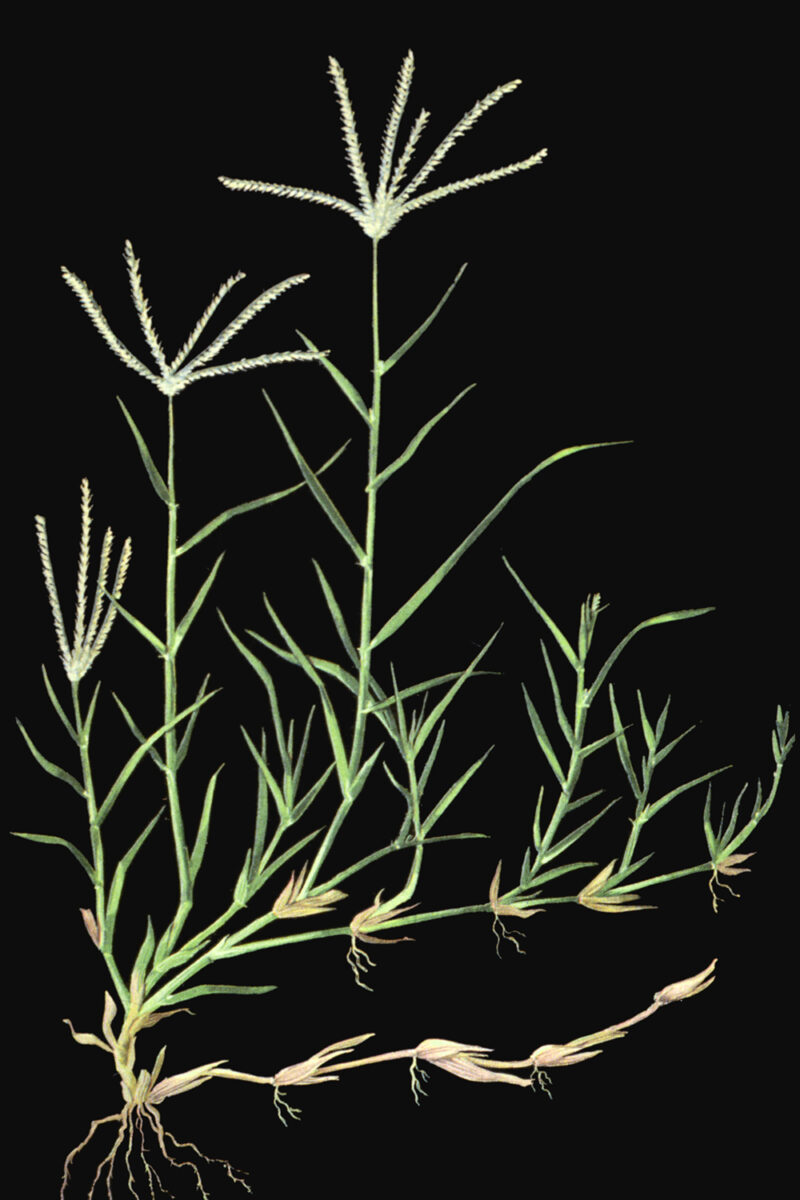
Bermuda grass comes in several types. Common Bermuda is tough and grows fast. Hybrid Bermuda is finer and looks better but costs more. There is also dwarf Bermuda, which stays short and needs less mowing. Choose a variety that fits your lawn size and care level.
Climate Considerations
Bermuda grass loves warm weather and sun. It grows best in areas with hot summers. Some types handle drought better than others. Cold winters can kill some seeds. Pick seeds that match your local weather for strong growth all year.
Quality Indicators
Good seed has a high germination rate. Check the package for this number. Look for fresh seeds with no signs of damage. Clean seeds, free from weeds or debris, grow best. Buy from trusted sellers to ensure seed quality and lawn success.
Credit: www.sare.org
Preparing Your Lawn For Seeding
Preparing your lawn before planting Bermuda grass seed is very important. Good preparation helps seeds grow strong and healthy. It creates a perfect environment for the grass to take root. Follow these simple steps to get your lawn ready for seeding.
Soil Testing
Test your soil to know its pH and nutrient levels. Bermuda grass prefers soil with a pH between 5.8 and 7.0. Use a soil test kit or send a sample to a lab. Adjust the soil by adding lime or sulfur based on test results. Proper soil balance helps seeds grow better.
Clearing Debris
Remove rocks, sticks, leaves, and old grass from the lawn. Debris blocks sunlight and stops seeds from touching soil. Clear the area well to create a smooth planting surface. This step improves seed-to-soil contact and helps grass grow evenly.
Soil Aeration
Aerate the soil to improve air and water flow. Use a garden fork or aerator tool to make small holes. Aeration reduces soil compaction and helps roots grow deep. It also allows seeds to get enough oxygen and moisture.
Leveling The Ground
Level the lawn surface to avoid water pooling and uneven growth. Use a rake to spread soil evenly and fill low spots. A flat surface helps seeds stay in place and grow uniformly. Proper leveling prevents future lawn problems.
Planting Techniques For Bermuda Grass
Planting Bermuda grass seed requires specific techniques for best results. Proper planting helps the grass grow thick and green quickly. Understanding the right time, method, and seed placement improves success. Follow these steps to start healthy Bermuda grass.
When To Plant
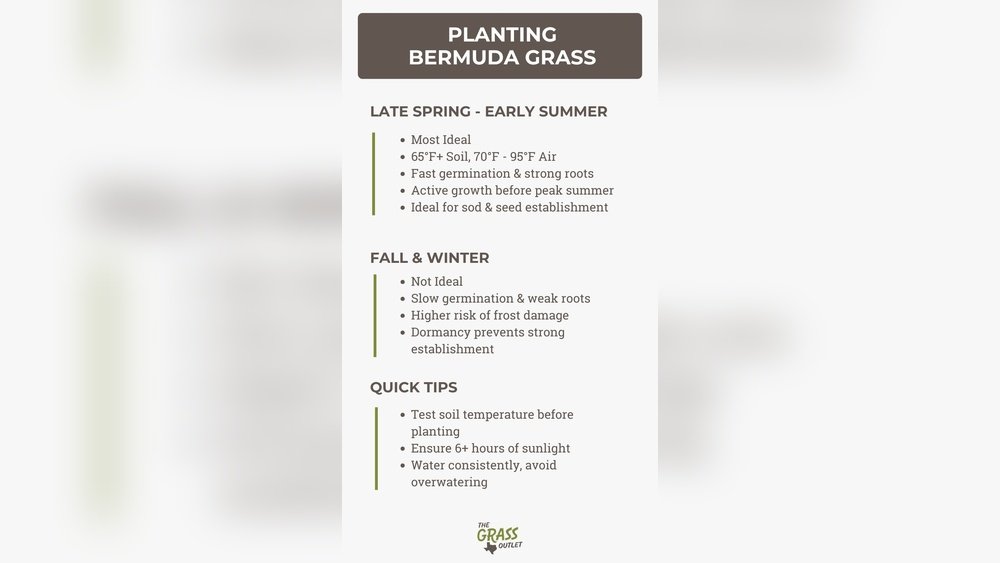
Plant Bermuda grass seed during warm months. The soil temperature should be above 65°F (18°C). Late spring to early summer works well. This timing gives seeds the warmth they need to sprout fast. Avoid planting in cold or wet conditions.
Seeding Methods
Spread seeds evenly across the soil surface. Use a broadcast spreader for large areas. Hand spreading suits small patches. Rake lightly to mix seeds into the top soil. Water gently after seeding to keep soil moist but not soaked.
Seed Depth And Spacing
Plant seeds at a shallow depth, about ¼ inch. Too deep planting stops seed from sprouting. Space seeds about ¼ to ½ inch apart. This spacing helps young grass grow without crowding. Proper depth and spacing lead to strong roots and thick turf.
Credit: theturfgrassgroup.com
Watering And Moisture Management
Watering and moisture management play a key role in planting Bermuda grass seed. Proper water helps seeds sprout and young grass grow strong. Too little water stops growth. Too much water can cause problems too. Finding the right balance is important for a healthy lawn.
Initial Watering Schedule
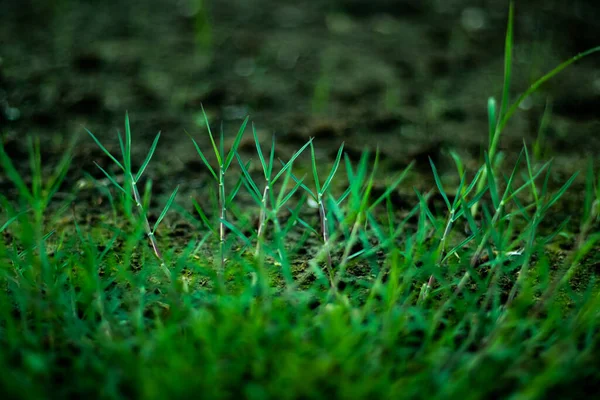
Right after planting, water the soil lightly. Keep the top layer damp but not soaked. Water two to three times a day. Early morning and late afternoon work best. This helps seeds absorb moisture and start growing.
Maintaining Moisture
Once seeds sprout, reduce watering frequency but keep soil moist. Water once a day for the first two weeks. Focus on watering early in the morning. This prevents water loss and helps roots grow deep.
Avoiding Overwatering
Too much water can wash seeds away or cause mold. Check soil before watering. If soil feels wet, wait before watering again. Use shallow watering to keep soil moist without flooding. This keeps grass healthy and stops diseases.
Fertilizing Your Bermuda Grass
Fertilizing your Bermuda grass helps it grow strong and green. Good fertilizer gives the grass the nutrients it needs. This keeps the lawn healthy and thick. Proper fertilizing also helps the grass resist weeds and pests. Follow simple steps to choose and apply fertilizer well.
Choosing Fertilizers
Select a fertilizer made for warm-season grasses like Bermuda. Look for a balanced mix of nitrogen, phosphorus, and potassium. Nitrogen is very important for green color and growth. Use fertilizers with slow-release nitrogen for steady feeding. Avoid fertilizers with too much phosphorus, unless your soil needs it.
Application Timing
Apply fertilizer when the grass starts growing in spring. This helps roots grow strong. Fertilize every 6 to 8 weeks during the growing season. Stop fertilizing by late summer to let the grass prepare for winter. Avoid fertilizing during drought or extreme heat to prevent stress.
Nutrient Requirements
Bermuda grass needs more nitrogen than other nutrients. Nitrogen boosts leaf growth and color. Phosphorus helps root development but is needed less often. Potassium improves disease resistance and overall health. Test your soil to know exact nutrient needs before applying fertilizer.
Controlling Weeds And Pests
Controlling weeds and pests is important for healthy Bermuda grass growth. Weeds compete with grass for water, sunlight, and nutrients. Pests can damage the grass and slow its growth. Keeping weeds and pests under control helps your lawn stay green and strong.
Common Weeds
Crabgrass, dandelions, and clover often invade Bermuda grass lawns. These weeds grow quickly and spread seeds fast. They take up space and nutrients that Bermuda grass needs. Pull weeds by hand or use a hoe to remove them early. Removing weeds before they seed helps prevent large infestations.
Pest Prevention
Grubs, armyworms, and chinch bugs are common Bermuda grass pests. They eat grass roots and leaves, causing brown spots. Water your lawn deeply but less often to keep grass healthy. Healthy grass resists pests better. Mow regularly and remove debris to reduce hiding places for insects.
Safe Herbicide Use
Choose herbicides designed for Bermuda grass and labeled safe for your lawn. Apply herbicides on calm days to avoid drift onto other plants. Follow the instructions carefully to protect your grass and environment. Avoid overuse to prevent damage to Bermuda grass roots and leaves.
Mowing And Lawn Care Tips
Proper mowing and lawn care keep Bermuda grass healthy and thick. Cutting the grass right helps it grow strong. Good lawn care stops weeds and disease. Here are some key tips to follow.
Optimal Mowing Height
Set your mower blade to 1 to 2 inches high. This height helps Bermuda grass grow deep roots. Cutting too short stresses the grass and causes brown spots. Taller grass shades soil and holds moisture better. Keep the grass at the right height for best results.
Mowing Frequency
Mow Bermuda grass every 5 to 7 days in warm months. Frequent mowing keeps grass even and neat. Avoid cutting more than one-third of the blade at once. This keeps grass healthy and reduces shock. Adjust mowing frequency based on growth speed and weather.
Lawn Maintenance Tools
Use a sharp mower blade for clean cuts. Dull blades tear grass and cause damage. A reel or rotary mower works well for Bermuda grass. Consider aerators and dethatchers to reduce soil compaction. Regularly clean and maintain tools for best lawn care.
Troubleshooting Common Issues
Planting Bermuda grass seed can be easy. Still, some common problems may slow growth. Knowing how to spot these issues helps keep your lawn healthy. Fixing problems quickly leads to a lush, green yard.
Patchy Growth
Patchy growth happens when seeds do not sprout evenly. Uneven watering or poor soil can cause this. Make sure to water the area gently but often. Avoid walking on the soil to keep seeds in place. Reseed bare spots with fresh Bermuda grass seed.
Seedling Diseases
Seedlings can get diseases like fungus or mold. These usually appear as brown or yellow spots. Too much water or poor air flow causes these problems. Water early in the day to let soil dry. Remove infected grass to stop spread.
Soil Problems
Bad soil can stop Bermuda grass from growing well. Soil that is too hard or low in nutrients is a problem. Test the soil to check pH and nutrient levels. Add sand or compost to improve soil texture. Fertilize with a balanced mix to feed the grass.
Frequently Asked Questions
What Is The Best Time To Plant Bermuda Grass Seed?
The best time to plant Bermuda grass seed is late spring to early summer. Soil temperatures should be above 65°F for optimal germination. Warm weather helps the seeds sprout quickly and establishes a healthy lawn.
How Much Bermuda Grass Seed Do I Need Per Square Foot?
Use about 1 to 2 pounds of Bermuda grass seed per 1,000 square feet. This ensures even coverage and thick turf. Adjust the amount based on soil quality and desired lawn density.
How Should I Prepare Soil Before Planting Bermuda Grass Seed?
Clear debris, mow existing grass, and loosen soil to 2-3 inches deep. Add compost or fertilizer to improve nutrients. Level the soil to create a smooth surface for even seed distribution.
How Often Should I Water Bermuda Grass After Seeding?
Water lightly 2-3 times daily to keep soil moist but not soaked. After germination, reduce watering frequency gradually. Deep, infrequent watering promotes strong root growth and drought resistance.
Conclusion
Planting Bermuda grass seed takes patience and care. Water the soil gently and keep it moist. Give the seeds sunlight and warmth to grow strong. Avoid heavy foot traffic on the new grass. With time, the lawn will fill in and look green.
Regular mowing helps the grass stay healthy. Follow these simple steps for a lush yard. Enjoy the fresh, soft feel of Bermuda grass soon.
