

Are you wondering when the best time is to seed Bermuda grass and get that lush, green lawn you’ve always wanted? Timing is everything when it comes to planting Bermuda grass.
If you seed too early or too late, your grass might struggle to grow, leaving you with patchy spots and frustration. But don’t worry—knowing the right moment to seed can make all the difference. You’ll discover the perfect timing and simple tips to help your Bermuda grass thrive, so you can enjoy a vibrant, healthy lawn all season long.
Keep reading to find out exactly when you should seed Bermuda grass for the best results.

Credit: www.youtube.com
Ideal Climate Conditions
Planting Bermuda grass requires the right climate for best results. The grass grows well in warm conditions. Knowing the ideal climate helps you seed at the right time. This section explains key climate factors to consider.
Temperature Range For Seeding
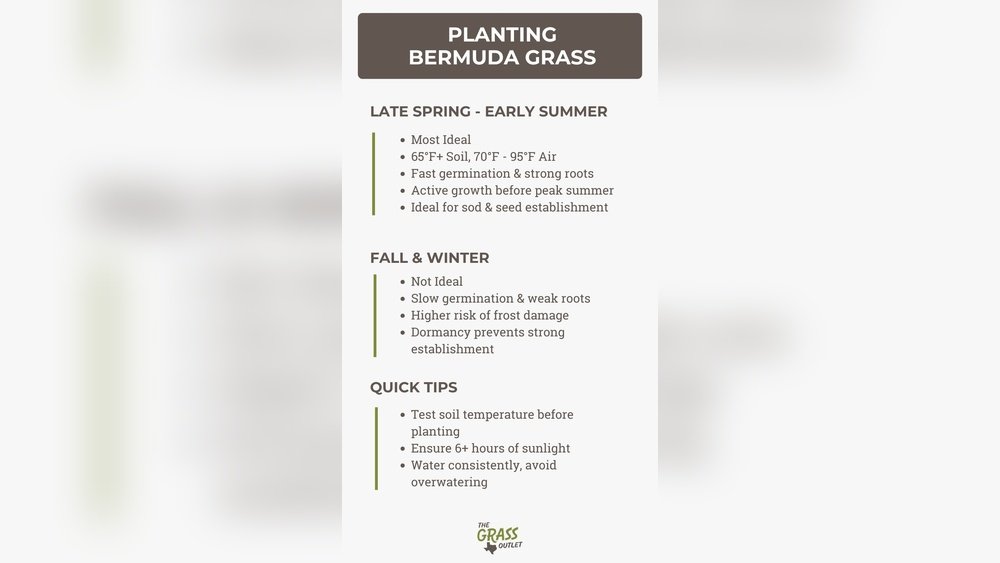
Bermuda grass seeds need warmth to sprout. The best soil temperature is between 65°F and 70°F. Air temperature should be around 75°F to 85°F. Cooler soil slows seed germination. Too cold, and seeds may not grow at all. Warm days and nights help roots develop fast. Watch the temperature before planting.
Seasonal Weather Patterns
Spring and early summer offer the best weather for seeding Bermuda grass. These seasons bring steady warmth and sunlight. Rainfall should be moderate, not too wet or dry. Avoid planting during heavy rains or drought. Late summer heat can also support growth but watch for dry spells. Understanding local weather patterns improves seeding success.

Credit: thegrassoutlet.com
Soil Preparation
Preparing the soil is the first step before seeding Bermuda grass. Good soil helps the seeds grow strong and healthy. Proper soil preparation makes a big difference in how well your lawn will develop.
Start with the right soil condition. The soil should be loose and ready to hold water and nutrients. This helps the Bermuda grass roots grow deep and spread fast. Taking time to prepare the soil pays off with a thicker, greener lawn.
Soil Testing And Ph Levels
Test your soil before planting Bermuda grass seeds. Soil testing shows what nutrients are missing. It also tells the soil pH, which affects seed growth. Bermuda grass prefers a pH between 5.8 and 7.0.
Adjust the pH if needed. Use lime to raise pH or sulfur to lower it. Testing and adjusting pH helps the grass take in nutrients better. This step improves seed germination and growth.
Tilling And Fertilizing Tips
Till the soil to break up hard ground. Tilling makes the soil soft and easy for roots to spread. Remove rocks, weeds, and debris during tilling. This clears space for seeds to grow.
Apply fertilizer suited for Bermuda grass. Use a starter fertilizer high in phosphorus. Phosphorus helps roots develop quickly. Spread fertilizer evenly after tilling but before seeding. This gives seeds a good nutrient boost right away.
Choosing The Right Seed
Choosing the right seed is key to a healthy Bermuda grass lawn. The seed type affects how well the grass grows and how it looks. Picking the best seed means understanding the different types and their quality. Good seeds grow faster and survive better in many conditions. This guide helps you find the right seed for your lawn.
Seed Varieties
Bermuda grass has several seed varieties. Common types include common Bermuda, hybrid Bermuda, and improved Bermuda. Common Bermuda is affordable and easy to find. Hybrid Bermuda grows quickly and is very dense. Improved Bermuda offers better color and wear resistance. Choose a variety that fits your climate and lawn use.
Quality And Germination Rates
High-quality seeds have higher germination rates. This means more seeds will sprout and grow strong. Always check the seed label for germination percentage. Look for seeds with at least 80% germination. Fresh seeds also perform better than old ones. Buy seeds from trusted sellers to ensure quality.
Timing Based On Region
Timing is key when seeding Bermuda grass. The best time changes by region. Planting at the right time helps seeds grow strong and healthy. Each area has its own climate pattern. Knowing these patterns helps you decide when to plant.
Seeding In Southern States
In southern states, the weather warms early. Seed Bermuda grass from late spring to early summer. Soil temperatures should be around 65°F to 70°F. Warm soil helps seeds sprout quickly. Avoid planting too early to prevent seed damage from cold.
Summer heat helps Bermuda grass grow fast. Water seeds regularly to keep soil moist. Late summer seeding can also work. But avoid seeding too late to give grass time to settle before winter.
Seeding In Transitional Zones
Transitional zones have cooler springs and warmer summers. Seed Bermuda grass in late spring. Wait until soil warms up to 70°F. Seeding too early can slow growth or kill seeds.
Summer is the best season for Bermuda grass here. It grows well during hot months. Watering is important to keep seeds moist. Avoid seeding in fall to prevent winter damage.
Watering And Maintenance
Watering and maintenance play a big role in growing healthy Bermuda grass. After seeding, the soil needs to stay moist. This helps the seeds sprout and the roots grow strong. Proper care can make your lawn green and thick faster. Neglecting this step can cause patchy or weak grass.
Irrigation Schedule After Seeding
Water the seeded area lightly but often. Aim for 3 to 5 times a day at first. Use short watering sessions to keep the soil damp, not soaked. After seeds sprout, reduce watering to once a day. Slowly switch to deep watering to encourage deep root growth. Early morning is the best time to water. Avoid watering in the heat of the day to reduce evaporation.
Fertilizer And Weed Control
Use a starter fertilizer high in phosphorus at seeding. This nutrient helps roots develop quickly. Avoid heavy nitrogen fertilizers early on. Apply fertilizer again about 4 to 6 weeks after germination. Control weeds by removing them by hand or using safe herbicides. Weeds compete with young Bermuda grass for water and nutrients. Healthy grass will crowd out weeds over time.
Common Mistakes To Avoid
Planting Bermuda grass seed at the right time is key to a healthy lawn. Many people make mistakes that stop their grass from growing well. Avoiding these errors can save time and effort.
Understanding common mistakes helps you get better results. Pay attention to timing and soil conditions. These two areas cause most problems for new Bermuda grass.
Seeding Too Early Or Late
Planting Bermuda grass seed too early means cold soil. Cold soil slows seed germination and growth. Seeds may rot before sprouting. Planting too late gives less time for roots to grow. Grass may not survive cold weather. Aim to seed when soil temperature is 65-70°F. This warm soil helps seeds sprout fast and strong.
Ignoring Soil And Weather Conditions
Good soil helps Bermuda grass grow healthy roots. Planting in poor soil causes weak grass. Test soil pH and nutrients before seeding. Bermuda grass prefers slightly acidic to neutral soil. Watch weather forecasts before planting. Heavy rain can wash seeds away. Dry weather stops seeds from sprouting. Water the soil lightly after planting. Keep soil moist for best results.
Signs Of Successful Germination
Knowing the signs of successful Bermuda grass germination helps you care for your new lawn. It shows if the seeds are growing well. Watching these signs tells you when to adjust watering and mowing. It keeps your lawn healthy and green.
Emergence Timeline
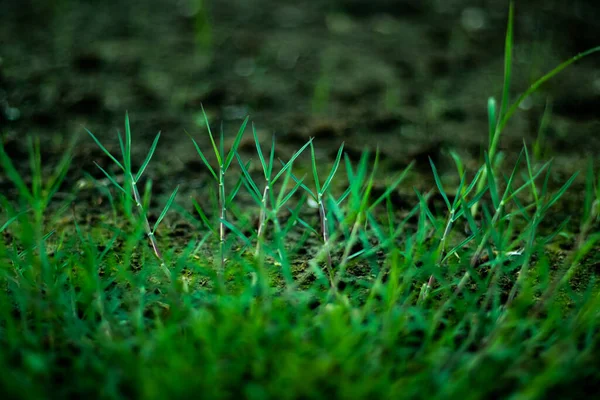
Bermuda grass seeds usually sprout in 7 to 14 days. Small green shoots start to appear above the soil. The grass blades look thin and light green at first. Growth speed depends on soil temperature and moisture. Warm soil around 70 to 85°F helps faster germination. Keep the soil moist but not soggy during this period.
Early Lawn Care Practices
Water the new grass lightly two to three times a day. Avoid flooding the area to prevent seed washout. Once grass reaches about 1 inch tall, reduce watering to once daily. Do not mow until the grass is 2 to 3 inches high. Mowing too early can damage young shoots. Use a sharp mower blade set high for the first cut. Light fertilization can support strong root growth after the first mow.
Credit: theturfgrassgroup.com
Frequently Asked Questions
When Is The Best Time To Seed Bermuda Grass?
The ideal time to seed Bermuda grass is late spring to early summer. Soil temperatures should be consistently above 65°F for optimal germination and growth. Seeding during this period ensures the grass establishes well before cooler weather arrives.
How Long Does Bermuda Grass Take To Germinate?
Bermuda grass typically germinates within 7 to 14 days. Warm soil and adequate moisture speed up germination. Cooler temperatures or drought can delay the process.
Can I Seed Bermuda Grass In Fall?
Seeding Bermuda grass in fall is not recommended. Cooler temperatures slow growth and reduce germination rates. For best results, seed in warm months with active growth.
Should I Water Immediately After Seeding Bermuda Grass?
Yes, water Bermuda grass immediately after seeding to keep soil moist. Consistent watering promotes seed germination and healthy root development. Avoid overwatering to prevent disease.
Conclusion
Seeding Bermuda grass works best in warm months. Soil temperature should reach about 65°F or higher. Plant seeds in late spring or early summer for strong growth. Water regularly to keep the soil moist but not wet. Avoid seeding in cold or dry weather.
Healthy grass takes time and care to grow well. Patience pays off with a lush, green lawn. Follow these tips to get the best results. Your yard will thank you with thick, green Bermuda grass.
