
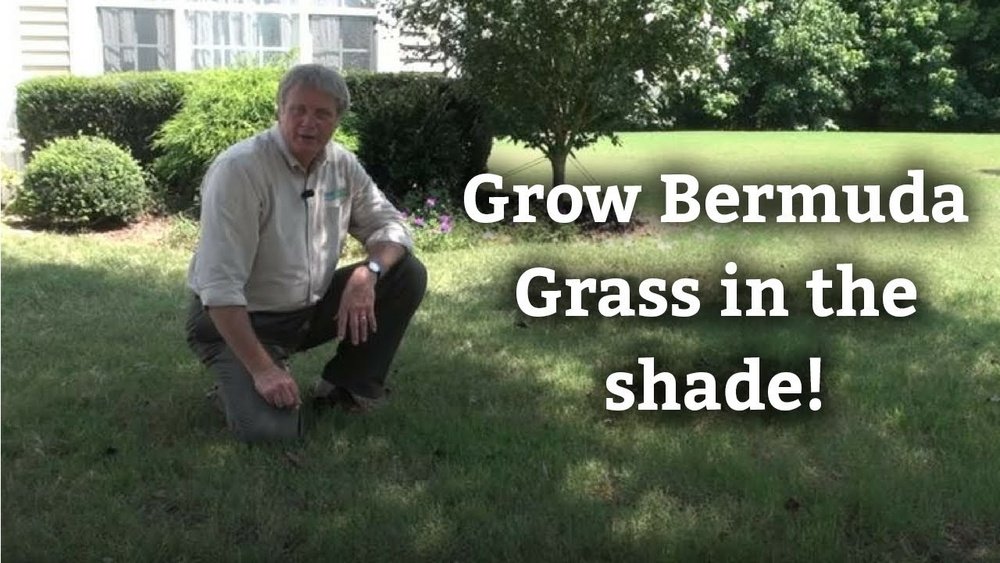
Are you wondering if Bermuda grass can thrive in the shady spots of your yard? You want a lush, green lawn, but not every grass type handles shade well.
Knowing whether Bermuda grass will grow strong and healthy in low-light areas can save you time, money, and frustration. You’ll discover how Bermuda grass performs in shade, what challenges you might face, and smart tips to keep your lawn looking its best—no matter how much sun it gets.
Keep reading to find out if Bermuda grass is the right choice for your shaded lawn areas.

Credit: www.reddit.com
Bermuda Grass Basics
Bermuda grass is a popular choice for many lawns. It is known for its tough nature and quick growth. This grass spreads fast, filling bare spots with green blades. It is often used in warm areas because it handles heat well.
This grass needs sunlight to grow strong. It does best in full sun but can tolerate some shade. Learning the basics helps you decide if Bermuda grass fits your lawn.
Growth Characteristics
Bermuda grass grows through runners called stolons and rhizomes. These help it spread quickly across soil. The grass forms a thick, dense carpet that stops weeds from growing. It has fine, soft blades that feel smooth underfoot.
The grass goes dormant and turns brown in cold weather. It wakes up and grows fast in warm seasons. Regular mowing keeps Bermuda grass healthy and neat.
Ideal Climate Conditions
Bermuda grass thrives in warm climates. It needs full sun for at least six hours a day. The grass grows best in temperatures between 75°F and 95°F. It handles drought well because it has deep roots.
This grass does not like cold or shade. Too much shade can make it thin and weak. It prefers well-drained soils but can adapt to different soil types.
Common Uses In Lawns
Bermuda grass is popular for home lawns, sports fields, and golf courses. Its thick growth makes a soft surface for playing. It stands up to heavy foot traffic without getting damaged easily.
Many people choose Bermuda grass for its green color and quick recovery. It works well in areas with lots of sun. Shade areas may need different grass types for better growth.
Shade Tolerance Of Bermuda Grass
Bermuda grass is popular for lawns and sports fields. It grows well in warm climates and loves sunlight. Shade tolerance means how well grass grows with less light. Understanding Bermuda grass’s shade tolerance helps decide if it suits shaded areas. This section explains how Bermuda grass performs in different shade levels.
Performance In Partial Shade
Bermuda grass grows fairly well in partial shade. It can handle 3 to 5 hours of direct sunlight daily. In these areas, the grass stays green and thick. Growth slows down compared to full sun, but it still covers the ground. Partial shade under trees or buildings is usually okay for Bermuda grass.
Limitations In Dense Shade
Bermuda grass struggles in dense shade. Less than 3 hours of sunlight causes thin, weak grass. It may turn yellow or die off. Shade blocks sunlight needed for strong growth. Soil stays moist longer, inviting diseases. Dense shade areas need shade-loving grass types instead of Bermuda grass.
Comparison With Other Grass Types
Bermuda grass is less shade-tolerant than St. Augustine or Zoysia grass. St. Augustine grows well in low light and dense shade. Zoysia tolerates shade better and stays green longer. Bermuda grass needs more sun to stay healthy. Choose grass types based on your yard’s shade level for best results.
Improving Bermuda Grass In Shade
Bermuda grass often struggles in shaded areas. It needs sunlight to grow thick and green. Improving its health in shade takes smart care. Focus on the right grass type, soil, and maintenance. These steps help Bermuda grass survive and look better under trees or buildings.
Selecting Shade-tolerant Varieties
Choose Bermuda grass types that handle shade well. Some varieties grow better with less sun. These include TifGrand and Celebration Bermuda. They have a higher tolerance for low light. Planting these types gives grass a better chance in shade.
Soil Preparation And Fertilization
Good soil helps Bermuda grass fight shade stress. Test your soil to check its nutrients and pH. Add organic matter to improve soil structure. Fertilize with balanced nutrients to boost growth. Avoid heavy nitrogen, which can weaken the grass. Proper soil care creates a strong root system.
Mowing And Watering Tips
Cut Bermuda grass higher in shaded spots. Taller grass blades catch more sunlight. Mow regularly but never too short. Water deeply and less often to encourage deep roots. Keep soil moist but not soggy. Proper mowing and watering help grass stay healthy in shade.

Credit: www.augustachronicle.com
Alternative Grass Options For Shade
Not all grasses grow well in shady spots. Bermuda grass needs lots of sun to stay green and healthy. For shaded areas, other types of grass work better. These grasses handle low light and keep your lawn looking nice.
Choosing the right grass can save time and keep your yard green all year. Below are some great grass types that thrive in shade.
Fescue Varieties
Fescue grasses do well in cool and shaded places. They have deep roots and stay green longer in low light. Fine fescues are soft and dense. Tall fescues are tough and resist drought. Both types grow well in shade and need less sun than Bermuda grass.
Zoysia Grass
Zoysia is slow growing but tough. It can handle some shade and still stay thick. Zoysia makes a soft carpet-like lawn. It needs less water and fertilizer. This grass spreads slowly but fills in bare spots well. It suits yards with partial shade.
St. Augustine Grass
St. Augustine grass loves warm climates and shade. It grows thick and blocks weeds easily. This grass has wide blades and a coarse texture. It can survive under trees and in shady corners. St. Augustine needs more water but stays green in shade better than Bermuda.
Common Challenges And Solutions
Bermuda grass struggles in shaded areas. It needs sunlight to grow thick and healthy. This leads to common challenges such as thinning patches, pests, and seasonal stress. Understanding these problems and their solutions helps maintain a lush lawn.
Dealing With Thinning Areas
Shade causes Bermuda grass to thin out. Thin grass allows weeds to take over. To fix this, trim tree branches to let in more light. Overseed thin spots with shade-tolerant grass varieties. Water these areas gently but regularly. Avoid heavy foot traffic on weak grass.
Pest And Disease Management
Shade increases moisture, inviting pests and diseases. Check for signs like spots, mold, or bugs often. Use natural pest control methods to avoid chemical damage. Aerate soil to reduce moisture and improve air flow. Remove dead grass to prevent disease spread.
Seasonal Care Adjustments
Shade changes how Bermuda grass grows through seasons. Reduce watering in cooler months to avoid root rot. Increase mowing height in shady spots to protect grass blades. Apply fertilizer carefully; too much can harm weak grass. Adjust care routines to match grass health and weather.

Credit: www.augustachronicle.com
Frequently Asked Questions
Is Bermuda Grass Suitable For Shaded Areas?
Bermuda grass prefers full sun and struggles in heavy shade. It needs at least 6-8 hours of direct sunlight daily to thrive and maintain its density.
How Does Shade Affect Bermuda Grass Growth?
Shade reduces photosynthesis in Bermuda grass, leading to thin, weak growth. Excessive shade causes poor color and increased weed problems.
Can Bermuda Grass Tolerate Partial Shade?
Yes, Bermuda grass tolerates light shade but performs best in sunny spots. Partial shade can be managed with proper watering and fertilization.
What Are Alternative Grasses For Shady Lawns?
Fine fescue, St. Augustine, and Zoysia grasses handle shade better than Bermuda. These options are more shade-tolerant and maintain healthy growth under low light.
Conclusion
Bermuda grass does not thrive well in deep shade. It needs plenty of sunlight to grow strong and green. In shaded areas, the grass may become thin and patchy. Choosing a grass type that suits your yard’s sunlight is important.
For shaded spots, consider shade-tolerant grasses instead. Proper care and watering help any grass stay healthy. Know your lawn’s sunlight before planting Bermuda grass. This helps keep your yard lush and beautiful year-round.
