

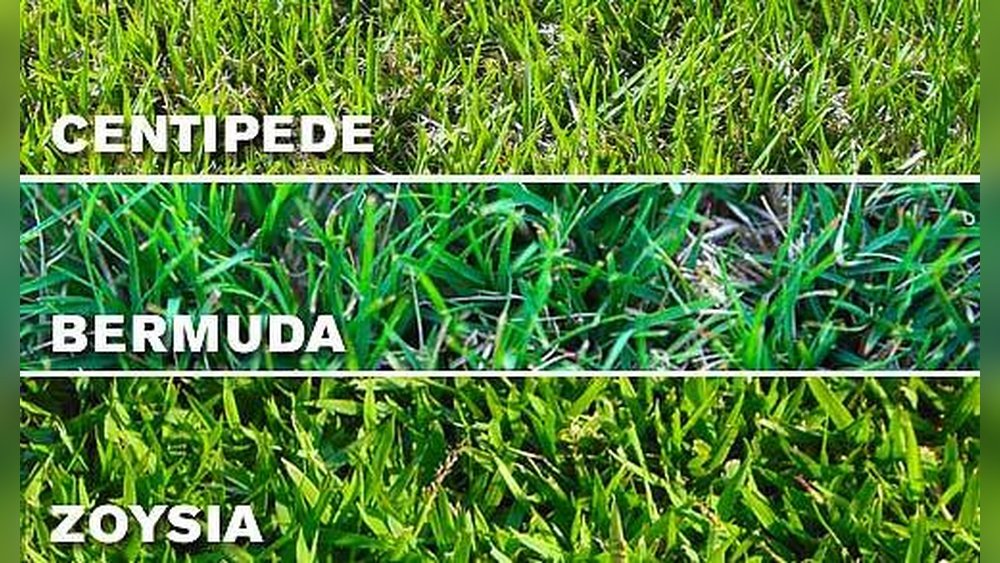
Are you wondering if Bermuda grass is a warm season grass? Knowing this can make a big difference in how you care for your lawn.
Choosing the right type of grass means healthier growth, better color, and less hassle. You’ll discover what makes Bermuda grass special, how it behaves through the seasons, and why it might be the perfect choice for your yard. Keep reading to find out everything you need to know to make your lawn thrive.
Credit: thelawncarenut.com
Characteristics Of Bermuda Grass
Bermuda grass is a popular choice for lawns and sports fields. It is known for its hardiness and ability to grow quickly. Understanding its characteristics helps in caring for it properly. These traits also explain why it thrives in certain climates.
Below, we explore the key features of Bermuda grass, including its look, growth habits, and climate needs.
Appearance And Texture
Bermuda grass has a fine to medium leaf texture. Its color ranges from light to dark green. The blades are narrow and pointed at the tips. It forms a dense, carpet-like surface. This makes it ideal for lawns that need a smooth finish.
Growth Patterns
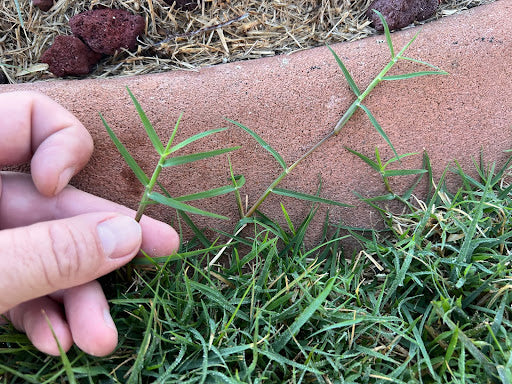
This grass spreads quickly through runners called stolons and underground stems known as rhizomes. It grows close to the ground, filling bare spots fast. Bermuda grass recovers well from damage. It needs regular mowing to stay healthy and neat.
Climate Preferences
Bermuda grass thrives in warm temperatures. It grows best in full sun and well-drained soil. It can tolerate drought but not heavy shade. This grass enters dormancy and turns brown in cold weather. It is well suited for southern and tropical regions.

Credit: www.youtube.com
Warm Season Grass Traits
Warm season grasses thrive in hot and sunny climates. They grow best in temperatures above 80°F. These grasses usually have deep roots that help them survive dry spells. Their growth slows or stops when temperatures fall below 60°F. Warm season grasses often go dormant in colder months.
Understanding these traits helps in choosing the right grass for your yard. Bermuda grass is a common warm season grass, known for its heat tolerance and durability.
Temperature Requirements
Warm season grasses grow well in temperatures from 80°F to 95°F. They need warmth to start growing in spring. Cool weather slows their growth and can cause stress. They do not grow well below 60°F. These grasses are perfect for places with hot summers.
Dormancy Periods
Warm season grasses enter dormancy in cold months. They turn brown and stop growing in winter. Dormancy helps them survive frost and low temperatures. Growth resumes when temperatures rise again. Bermuda grass follows this pattern, resting during winter.
Water Needs
Warm season grasses require moderate water. They have deep roots that reach water underground. This helps them survive dry periods better than cool season grasses. Overwatering can harm these grasses. Bermuda grass needs less water once established.
Bermuda Grass Growth Cycle
Bermuda grass is a warm season grass that grows actively during warm months. Its growth cycle changes with the seasons. Understanding this cycle helps in proper lawn care and maintenance. This grass thrives in heat and stops growing in cold weather.
Spring Growth
In spring, Bermuda grass starts to grow as temperatures rise. It breaks dormancy and sends out new shoots. This stage needs good watering and fertilizing. The grass recovers from winter and prepares for active growth.
Summer Peak
Summer is the peak growth time for Bermuda grass. It grows thick and green under hot sun. This grass uses a lot of water and nutrients now. Regular mowing keeps the lawn healthy and neat during summer.
Fall Transition
In fall, Bermuda grass slows its growth as temperatures cool. The grass begins to store energy for winter. Fertilizing helps strengthen roots before dormancy. Growth reduces, and the lawn may need less water.
Winter Dormancy
Bermuda grass goes dormant in winter with cold weather. It turns brown and stops growing to survive the cold. The grass remains alive under the soil surface. It needs little water and no mowing at this time.
Ideal Conditions For Bermuda Grass
Bermuda grass thrives best under specific conditions. It prefers warm weather and plenty of sunlight. Proper soil, light, and water make it grow healthy and strong. Understanding these factors helps you maintain a lush lawn.
Soil Types
Bermuda grass grows well in sandy or loamy soils. It needs soil that drains water quickly. Heavy clay soils can cause problems. Good drainage prevents root rot and keeps the grass healthy. The soil should also have good nutrients for growth.
Sunlight Exposure
This grass loves full sun. It needs at least six to eight hours of direct sunlight daily. Shade can make it weak and patchy. Sunlight helps the grass stay green and thick. It also helps fight off weeds and diseases.
Irrigation Practices
Bermuda grass requires regular watering during dry spells. Deep watering encourages strong roots. Light, frequent watering can cause shallow roots and disease. Water early in the morning for best results. Avoid overwatering, as it can harm the grass.
Common Uses Of Bermuda Grass
Bermuda grass is a popular choice for many outdoor spaces. It grows best in warm climates and is very durable. This grass adapts well to different uses because it recovers quickly from damage. Its strong roots help keep soil in place. Many people use Bermuda grass for lawns, sports, and erosion control. Each use benefits from its fast growth and tough nature.
Lawns And Residential Areas
Bermuda grass creates thick, green lawns. It handles foot traffic well, making it perfect for homes. The grass stays green most of the year in warm places. It also resists pests and diseases better than many other grasses. Homeowners like its low maintenance and good appearance.
Sports Fields
Sports fields often use Bermuda grass due to its toughness. It recovers fast from heavy play and wear. The grass provides a smooth, even surface for games. It also stays green and healthy under strong sunlight. Players find it comfortable and safe for running and jumping.
Erosion Control
Bermuda grass helps stop soil erosion on slopes and hills. Its roots grow deep and hold soil firmly. This grass spreads quickly, covering bare ground fast. Farmers and landscapers use it to protect land from water runoff. It reduces soil loss and keeps the area stable.
Credit: mirimichigreen.com
Maintenance Tips For Healthy Bermuda Grass
Maintaining Bermuda grass keeps it green and strong. Proper care helps the grass resist weeds, pests, and diseases. Follow simple steps for a healthy lawn all season.
Good maintenance also improves the grass’s appearance. It stays soft and thick underfoot. Here are key tips to keep Bermuda grass in top shape.
Mowing Techniques
Cut Bermuda grass regularly to about 1 to 2 inches tall. Use sharp mower blades for clean cuts. Avoid cutting more than one-third of the grass height at once. Mowing too short can stress the grass and cause brown spots. Mow during the cooler parts of the day to reduce damage.
Fertilization Schedules
Feed Bermuda grass with nitrogen-rich fertilizer in spring and summer. Apply fertilizer every 6 to 8 weeks for best results. Stop fertilizing in late fall to prepare the grass for dormancy. Use slow-release fertilizers to avoid burning the grass. Follow package instructions for safe amounts.
Pest And Disease Management
Check the lawn regularly for signs of pests or diseases. Treat problems early with appropriate insecticides or fungicides. Keep grass healthy to prevent most pest issues. Remove dead grass and debris to reduce disease risk. Water the lawn deeply but less often to avoid fungal growth.
Frequently Asked Questions
Is Bermuda Grass Classified As Warm Season Grass?
Yes, Bermuda grass is a warm season grass. It thrives in hot, sunny climates and grows best in temperatures between 75°F and 95°F. It goes dormant in cold weather, making it ideal for southern regions.
What Are The Benefits Of Bermuda Grass In Warm Seasons?
Bermuda grass is drought-tolerant, recovers quickly, and withstands heavy foot traffic. Its dense growth helps prevent weeds. These traits make it perfect for lawns, sports fields, and golf courses in warm climates.
How Does Bermuda Grass Differ From Cool Season Grasses?
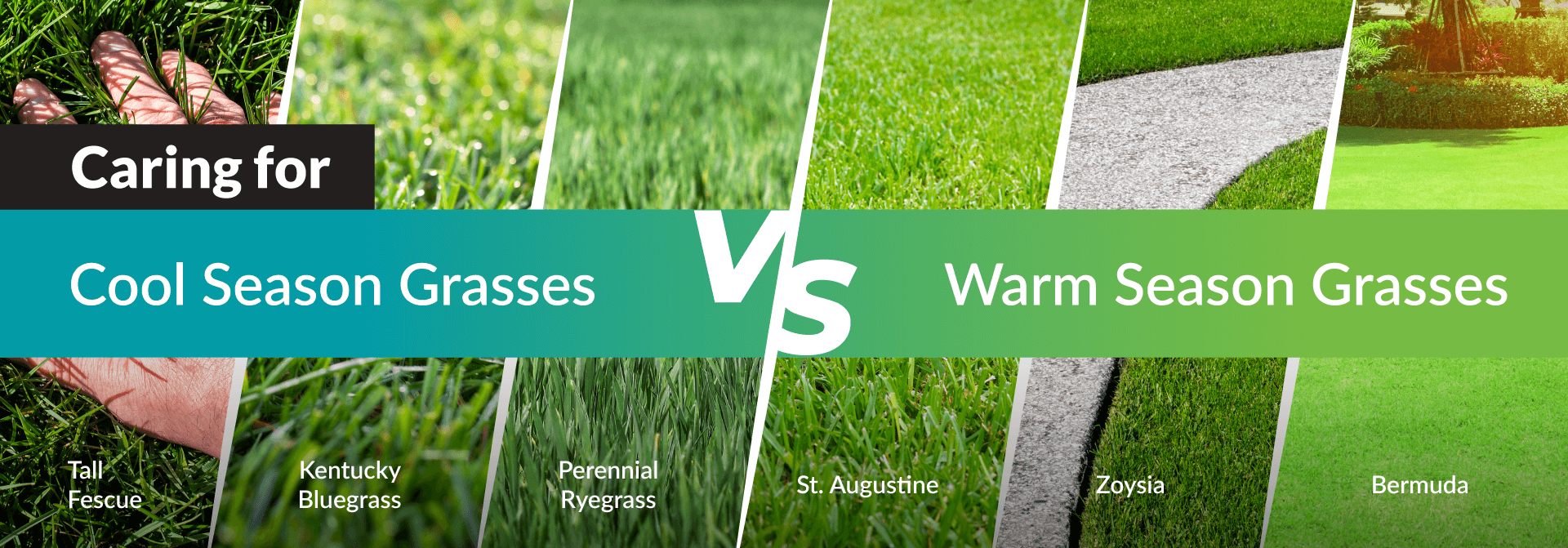
Bermuda grass grows actively in warm weather, while cool season grasses thrive in cooler temperatures. Bermuda goes dormant in winter, turning brown, unlike cool season grasses, which stay green longer in cold months.
Can Bermuda Grass Survive In Cooler Climates?
Bermuda grass struggles in cool climates and may not survive harsh winters. It requires warm soil to grow and typically goes dormant or dies back during cold weather.
Conclusion
Bermuda grass grows best in warm weather and sunshine. It thrives in summer and handles heat very well. This grass turns brown and slows growth in cold months. Many people choose Bermuda for warm-season lawns. It needs less water and recovers quickly from damage.
Knowing it is a warm-season grass helps in care and maintenance. Choose Bermuda grass if you live where summers are hot. It offers a green, healthy lawn when temperatures rise. Easy to grow and strong, Bermuda suits warm climates perfectly.
