
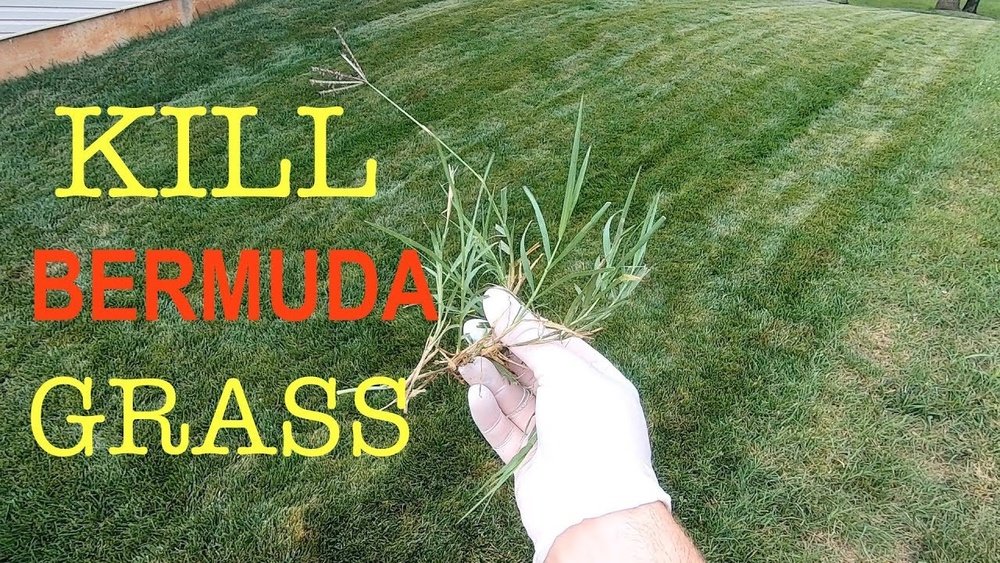
To kill Bermuda grass effectively, use a combination of methods like targeted herbicides, consistent mowing, and soil solarization. Glyphosate-based herbicides are commonly recommended, but careful application is crucial to avoid harming desirable plants. Persistent treatment over several weeks ensures the grass is fully eliminated.
Are you tired of battling stubborn Bermuda grass that just won’t go away? Whether it’s taking over your lawn or crowding your garden beds, knowing what kills Bermuda grass is the first step to reclaiming your outdoor space.
You’ll discover simple, effective ways to eliminate this tough grass for good. Keep reading to find out how you can finally get the results you want and enjoy a cleaner, healthier yard.
Identifying Bermuda Grass
Identifying Bermuda grass is the first step in managing or removing it effectively. This grass type has unique features that set it apart from others. Recognizing its growth helps you decide the best way to control or kill it. Understanding what Bermuda grass looks like saves time and effort in lawn care.
Common Growth Patterns
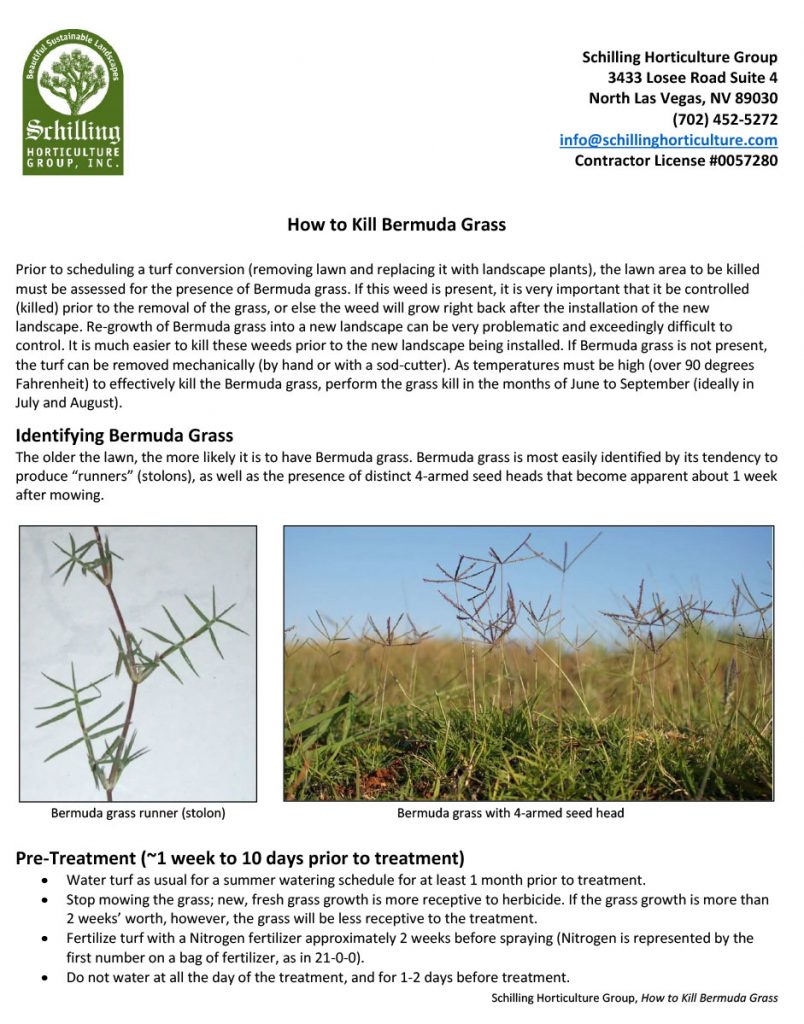
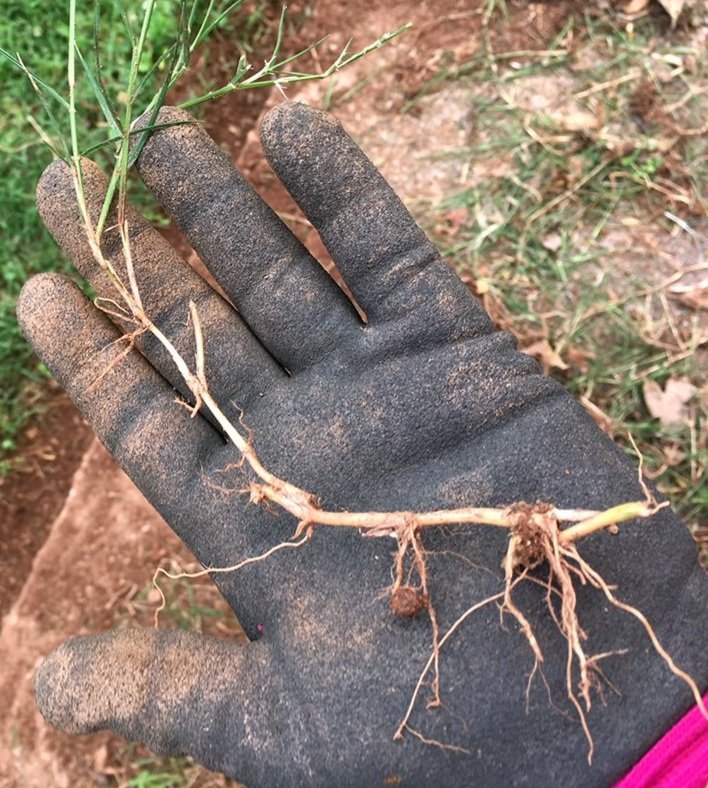
Bermuda grass grows close to the ground and spreads quickly. It has thin, coarse blades that grow in dense mats. The grass spreads through underground stems called rhizomes and above-ground runners called stolons. This fast growth allows it to cover large areas in a short time. It thrives in warm weather and full sunlight. The grass often forms a thick carpet that is hard to pull up.
Signs Of Bermuda Grass Presence
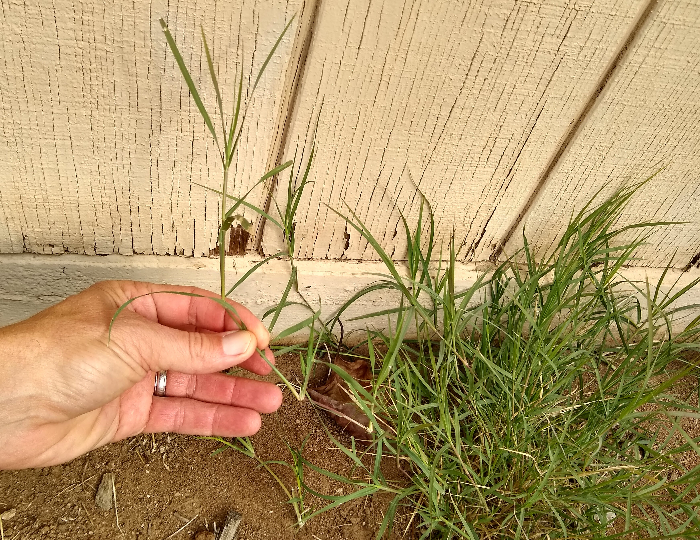
You can spot Bermuda grass by its dark green color and rough texture. It has pointed leaf tips and a V-shaped groove on each blade. The grass feels coarse compared to other lawn grasses. In summer, it produces small seed heads with three to seven spikes. Patches of Bermuda grass often appear in sunny spots or areas with poor soil. Its aggressive growth can choke out other plants in your garden or lawn.
Credit: gregalder.com
Why Remove Bermuda Grass
Bermuda grass grows fast and spreads quickly. Many gardeners want to remove it to protect their other plants. It can cause problems in gardens and lawns. Understanding why to remove Bermuda grass helps in managing your yard better.
Impact On Other Plants
Bermuda grass spreads aggressively underground and over the soil. It takes water and nutrients from nearby plants. This weakens flowers, shrubs, and vegetables. The grass can crowd out delicate plants and stop them from growing well. It reduces the variety of plants in your garden. Removing Bermuda grass helps other plants thrive.
Maintenance Challenges
Bermuda grass is hard to control once it spreads. It grows quickly and fills empty spots fast. Mowing and edging take more time and effort. The grass can damage garden beds and lawns. It needs frequent cutting to keep it neat. Removing it saves time and makes garden care easier. It also prevents costly damage to your yard.
Chemical Solutions
Chemical solutions offer a powerful way to kill Bermuda grass. These herbicides target Bermuda grass roots and blades. They stop the grass from growing back. Using chemicals requires care and knowledge. The right herbicide and method make a big difference. Let’s explore how to use chemicals safely and effectively.
Choosing The Right Herbicide
Select an herbicide labeled for Bermuda grass control. Glyphosate is a common non-selective option. It kills most plants it touches. Use selective herbicides for lawns with other grasses. Read the label to confirm it targets Bermuda grass. Choose a product suitable for your lawn type and size.
Safe Application Tips
Wear gloves and protective clothing during application. Avoid spraying on windy days to prevent drift. Keep children and pets away from treated areas. Follow label instructions for mixing and applying. Use a sprayer for even coverage. Clean equipment after use to avoid contamination.
Timing For Best Results
Apply herbicides when Bermuda grass is actively growing. Late spring to early summer works best. Warm weather helps the herbicide absorb into the plant. Avoid treatment before heavy rain to prevent washing away. Multiple applications may be needed for full control. Monitor the area and repeat if necessary.
Natural Methods
Natural methods offer safe and eco-friendly ways to kill Bermuda grass. These approaches avoid harsh chemicals and protect your soil. They take time but work well for long-term control. Below are some effective natural techniques.
Solarization Technique
Solarization uses the sun’s heat to kill Bermuda grass. Cover the area with clear plastic sheets. Secure the edges to trap heat under the plastic. Leave the plastic for 4 to 6 weeks in hot weather. The intense heat destroys the grass roots and seeds.
This method also kills many soil pests and diseases. It works best during summer when sunlight is strongest. Solarization is a natural and chemical-free way to clear stubborn grass.
Vinegar And Natural Herbicides
Vinegar acts as a natural herbicide to kill Bermuda grass. Use a vinegar with at least 10% acetic acid for better results. Spray vinegar directly on the grass blades on a dry, sunny day.
Be careful to avoid spraying plants you want to keep. Repeat applications may be needed to fully kill the grass. Other natural herbicides include corn gluten meal and citrus oil sprays. These options are safer for the environment and pets.
Manual Removal
Manual removal means pulling out Bermuda grass by hand or with tools. This works well for small patches or new growth. Use a garden fork or shovel to dig out roots and runners.
Remove as much root as possible to prevent regrowth. This method requires effort but offers immediate results. Combine manual removal with other natural methods for best results.
Preventing Bermuda Grass Return
Stopping Bermuda grass from growing back is key to keeping your lawn healthy. This grass is tough and spreads fast. Preventing its return needs regular care and smart choices.
Proper Lawn Care Practices
Mow your lawn often but not too short. Cutting Bermuda grass too low helps it grow stronger. Water your grass deeply but less often. This keeps roots healthy and stops weeds.
Use a good fertilizer to feed your lawn. Healthy grass can beat Bermuda grass. Aerate your lawn to let air and water reach roots. This helps grass grow thick and strong.
Soil Management
Test your soil to check its pH and nutrients. Bermuda grass likes certain soil types. Adjust your soil by adding lime or sulfur as needed. Good soil makes grass grow better and stops unwanted weeds.
Keep soil loose and well-drained. Compacted soil helps Bermuda grass spread faster. Add organic matter like compost to improve soil health.
Regular Monitoring
Look at your lawn often for early signs of Bermuda grass. Pull out small patches before they grow big. Use targeted treatments carefully to avoid harm to other grass.
Keep a schedule to check your lawn weekly. Early action saves time and effort. Watch for spots where Bermuda grass likes to grow, such as edges and bare spots.
Credit: schillinghorticulture.com
Common Mistakes To Avoid
Many people try to kill Bermuda grass but make common mistakes. These errors slow down progress and can even make the grass grow back stronger. Avoiding these mistakes helps remove Bermuda grass effectively and keeps your lawn healthy.
Overuse Of Chemicals
Applying too many herbicides damages the soil and nearby plants. Chemicals build up and stop working well. Follow instructions carefully to use the right amount. Overusing chemicals can also harm pets and children.
Ignoring Root Systems
Bermuda grass has deep and strong roots. Cutting or killing only the top part does not remove it. Digging out or treating the roots is important. Ignoring roots lets the grass grow back quickly.
Poor Timing
Timing affects how well treatments work. Applying herbicides during cold or dry weather reduces their power. Treat Bermuda grass in warm, moist conditions for best results. Avoid treating after heavy rain or drought.
Credit: www.organicgrowersschool.org
Frequently Asked Questions
What Herbicides Effectively Kill Bermuda Grass?
Selective herbicides with active ingredients like glyphosate or imazapyr effectively kill Bermuda grass. Use them carefully to avoid harming nearby plants. Always follow label instructions for safe and effective application.
Can Natural Methods Kill Bermuda Grass Permanently?
Natural methods like solarization, vinegar, or boiling water may weaken Bermuda grass but rarely kill it permanently. Repeated treatments and proper lawn care improve control but chemical herbicides are more reliable for permanent removal.
How Long Does It Take To Kill Bermuda Grass?
Killing Bermuda grass with herbicides typically takes 1 to 3 weeks. Multiple treatments might be needed for complete eradication. Timing and consistent application improve effectiveness and prevent regrowth.
Does Bermuda Grass Die In Cold Weather?
Bermuda grass goes dormant but doesn’t die in cold weather. It turns brown and stops growing but revives in warm temperatures. Prolonged frost can weaken it but usually won’t kill it.
Conclusion
Killing Bermuda grass takes patience and the right approach. Use strong herbicides made for tough grasses. Keep the area clear and repeat treatments as needed. Healthy soil and proper lawn care help prevent its return. Remember, staying consistent works best against stubborn Bermuda grass.
Your lawn will thank you with less weed and more green.
