
Are you struggling to keep your Bermuda grass lush and green? One of the biggest secrets to a healthy lawn is giving it the right amount of nitrogen.
Too little, and your grass looks weak and patchy. Too much, and you risk burning it or encouraging weeds. So, how much nitrogen does your Bermuda grass really need? You’ll discover the perfect balance to make your lawn thrive all season long.
Keep reading to find out exactly what your Bermuda grass craves—and how to give it just the right boost.
Nitrogen Needs Of Bermuda Grass
Bermuda grass needs the right amount of nitrogen to grow thick and green. Nitrogen helps the grass build strong blades and roots. It also helps the lawn recover from stress like heat and drought. Knowing the nitrogen needs helps keep Bermuda grass healthy all year.
Growth Stages And Nitrogen Demand
Bermuda grass needs more nitrogen during its active growing season. This usually happens in late spring and summer. During these months, the grass grows fast and uses more nutrients. In cooler months, nitrogen demand slows down. Applying nitrogen at the right stage helps the grass stay lush without wasting fertilizer.
Soil Nitrogen Levels
Testing soil nitrogen levels shows how much nitrogen the lawn needs. Soils with low nitrogen require more fertilizer. Soils rich in nitrogen need less. Proper soil testing prevents over-fertilizing. It also saves money and protects the environment. Regular soil checks help maintain balanced nutrients for Bermuda grass.
Signs Of Nitrogen Deficiency
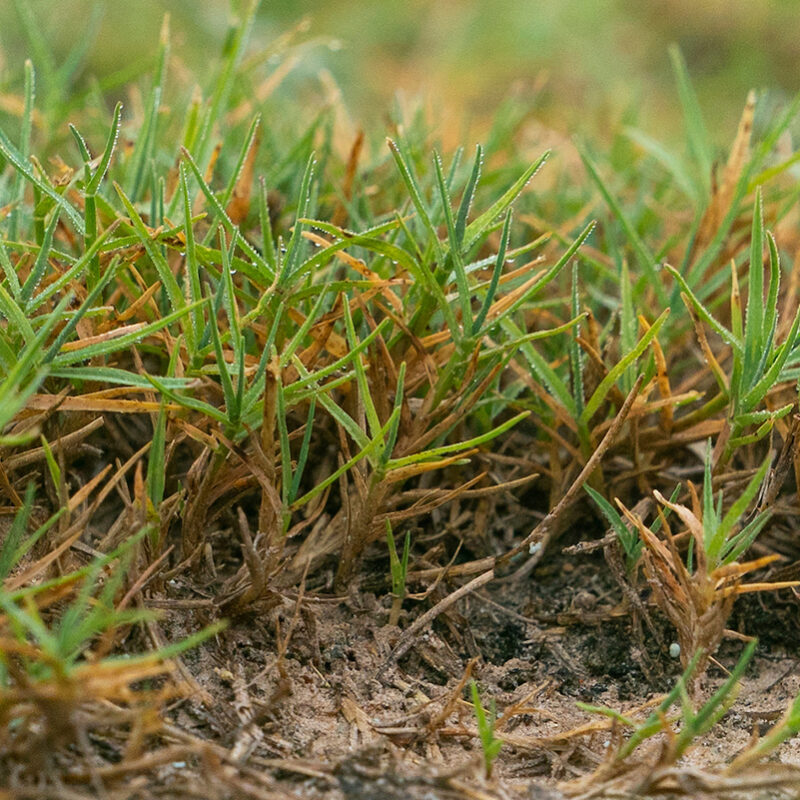
Yellowing leaves often indicate nitrogen deficiency in Bermuda grass. The grass grows slowly and looks thin. Patchy areas may appear in the lawn. These signs show the grass needs more nitrogen. Early detection helps fix the problem quickly. Applying the right amount of nitrogen restores the grass color and growth.
Credit: agrilifeextension.tamu.edu
Optimal Nitrogen Rates
Finding the right nitrogen amount is key to healthy Bermuda grass. Too little nitrogen makes the grass weak and pale. Too much nitrogen causes fast growth and weak roots. Knowing the optimal nitrogen rates helps keep your lawn green and strong. These rates depend on lawn size, climate, and soil type. Follow these guidelines for best results.
Recommended Pounds Per 1,000 Sq Ft
For Bermuda grass, apply about 1 to 1.5 pounds of nitrogen per 1,000 square feet each month during the growing season. Spread applications evenly to avoid stress. Use a slow-release fertilizer for steady nitrogen supply. This helps grass absorb nutrients well and reduces waste.
Seasonal Application Rates
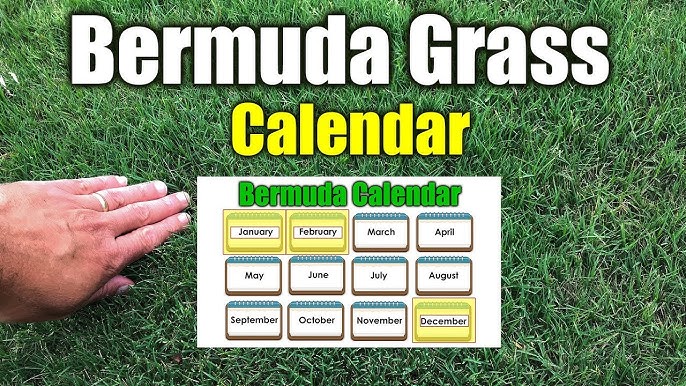
In spring, apply 1 pound of nitrogen per 1,000 sq ft to encourage new growth. During summer, increase to 1.25 to 1.5 pounds for heat and wear. Reduce nitrogen in fall to about 0.5 to 0.75 pounds to prepare grass for dormancy. Avoid fertilizing in winter as grass growth slows.
Adjusting Rates For Climate And Soil
In hot, dry climates, reduce nitrogen to avoid stress and burning. Sandy soils need more frequent, smaller applications due to nutrient leaching. Clay soils hold nutrients longer and require less nitrogen. Test soil to understand nitrogen needs and adjust rates accordingly.
Choosing The Right Fertilizer
Choosing the right fertilizer is key for healthy Bermuda grass. The right type of nitrogen helps the grass grow strong and green. It also prevents waste and protects the environment. Understanding different fertilizers helps you pick the best one for your lawn.
Types Of Nitrogen Fertilizers
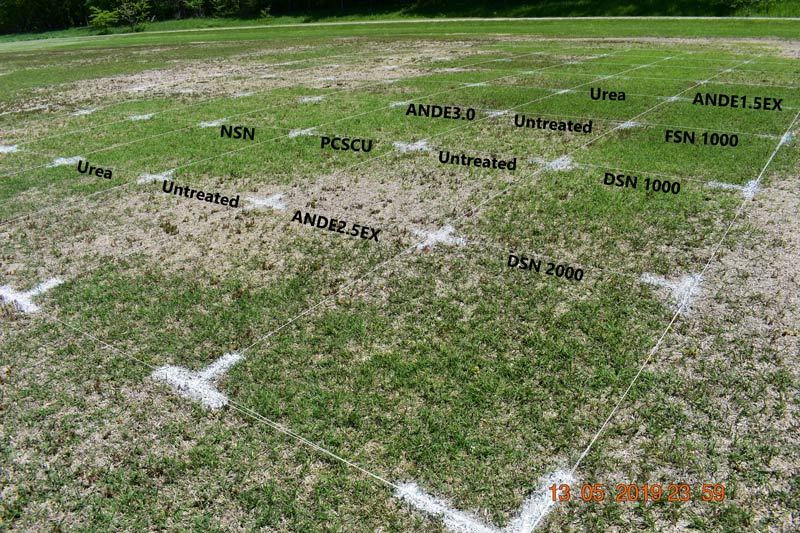
Nitrogen fertilizers come in many forms. Common types include urea, ammonium nitrate, and ammonium sulfate. Each type releases nitrogen at a different speed. Some work fast, while others feed the grass slowly over time. Knowing these types helps match fertilizer to your lawn’s needs.
Slow-release Vs. Quick-release
Slow-release fertilizers release nitrogen gradually. This means steady feeding for weeks. They reduce the chance of burning your grass. Quick-release fertilizers work fast. They give a quick boost but can burn grass if used too much. Choose slow-release for lasting growth and quick-release for fast results.
Organic Vs. Synthetic Options
Organic fertilizers come from natural sources like compost or manure. They improve soil health and release nutrients slowly. Synthetic fertilizers are made in factories. They offer precise nitrogen amounts and work faster. Organic options are better for the environment. Synthetic ones give quick results but may need careful use.
Application Timing And Techniques
Proper timing and techniques for nitrogen application are key to healthy Bermuda grass. Applying nitrogen at the right moments helps the grass grow strong and green. Using correct methods ensures even distribution and reduces waste. Understanding these factors leads to better lawn care and saves money.
Best Times To Fertilize
Apply nitrogen during Bermuda grass’s active growing season. Spring and early summer are ideal times. The grass uses nitrogen best when temperatures are warm. Avoid fertilizing in late fall or winter. The grass slows down and won’t absorb nitrogen well. Split nitrogen applications into two or three doses for steady growth. This approach prevents nitrogen loss and supports healthy turf.
Application Methods
Use a broadcast spreader for even nitrogen coverage. This tool spreads fertilizer uniformly across the lawn. Hand spreading works for small areas but may cause uneven growth. Water the lawn after fertilizing to help nitrogen soak into the soil. Avoid applying nitrogen on windy days to reduce drift. Follow product instructions carefully to apply the right amount.
Avoiding Overfertilization
Too much nitrogen can harm Bermuda grass and the environment. Overfertilization causes excessive leaf growth but weak roots. It increases the risk of disease and thatch buildup. Use soil tests to determine the exact nitrogen needs. Stick to recommended rates based on lawn size and condition. Overuse wastes money and can pollute nearby water sources.
Maintaining Soil Health
Maintaining soil health is key for strong Bermuda grass growth. Healthy soil helps grass roots absorb nutrients and water. It also supports beneficial microbes that keep the soil alive. Good soil health reduces the need for extra fertilizers and keeps your lawn green longer.
Soil Testing Importance
Soil testing shows the nutrient levels in your yard. It tells you how much nitrogen your Bermuda grass needs. Testing also checks pH, which affects nutrient absorption. Knowing your soil’s condition prevents over-fertilizing and nutrient waste. Tests are simple and guide proper lawn care decisions.
Balancing Other Nutrients
Nitrogen is not the only nutrient your Bermuda grass needs. Phosphorus and potassium are important too. These nutrients help root growth and stress resistance. Balance between nitrogen and other nutrients keeps grass healthy. Unbalanced soil can harm your lawn and reduce growth.
Improving Soil Structure
Good soil structure lets roots grow deeply and absorb water. Compacted soil blocks root growth and water movement. Adding organic matter like compost improves soil texture. Aeration helps loosen soil and reduces compaction. Healthy soil structure supports Bermuda grass in dry and wet conditions.
Common Mistakes To Avoid
Applying nitrogen to Bermuda grass helps it stay green and healthy. Many gardeners make mistakes that hurt their lawn instead of helping it. Avoid these common errors to keep your grass thriving.
Overfeeding And Burn Risks
Too much nitrogen causes grass to burn. The leaves turn yellow or brown. Overfeeding makes roots weak and dry. It also increases the chance of diseases. Use the right amount of nitrogen to avoid these problems.
Ignoring Soil Conditions
Soil type affects how much nitrogen your grass needs. Sandy soil loses nitrogen quickly. Clay soil holds it longer. Testing your soil helps find the right fertilizer amount. Without testing, you may give too much or too little nitrogen.
Inconsistent Fertilizing Schedules
Applying fertilizer at random times hurts the grass. Bermuda grass grows best with regular feeding. Skipping applications causes slow growth and weak grass. Follow a steady schedule for even, healthy growth.
Troubleshooting Growth Problems
Troubleshooting growth problems in Bermuda grass is key to a healthy lawn. Problems often show as color changes or uneven growth. Spotting issues early helps keep your grass green and thick.
Understanding what causes poor growth saves time and money. It also helps you apply the right care, especially the correct nitrogen amount. Below are some common problems and ways to fix them.
Yellowing And Patchy Areas
Yellow spots often mean lack of nitrogen. Bermuda grass needs steady nitrogen for its rich green color. Patchy areas might show nutrient shortages or poor soil conditions.
Test your soil to find nutrient gaps. Add nitrogen carefully, not too much at once. Too much nitrogen causes more harm than good.
Pest And Disease Interactions
Pests and diseases can weaken Bermuda grass. They make it harder for grass to absorb nutrients. Look for bugs or spots on leaves as signs of trouble.
Use natural pest control or safe treatments to protect your lawn. Healthy grass resists pests better and grows strong.
Adjusting Fertilizer Based On Results
Watch how your grass reacts after fertilizing. If it grows too fast or turns yellow, change the nitrogen dose. Small adjustments improve grass health over time.
Keep notes on fertilizer amounts and grass condition. This helps find the best feeding plan for your Bermuda grass.
Credit: gcmonline.com
Credit: www.youtube.com
Frequently Asked Questions
How Much Nitrogen Does Bermuda Grass Need Yearly?
Bermuda grass typically requires 2 to 4 pounds of nitrogen per 1,000 square feet annually. This amount supports healthy growth and color. Split applications in spring and summer improve absorption and reduce nutrient loss.
When Is The Best Time To Fertilize Bermuda Grass?
The best time to fertilize Bermuda grass is late spring through summer. Apply nitrogen every 6 to 8 weeks during active growth. Avoid fertilizing in fall or winter to prevent stress and disease.
Can Too Much Nitrogen Harm Bermuda Grass?
Yes, excessive nitrogen can cause Bermuda grass to grow too quickly. This leads to thatch buildup and weak roots. Over-fertilization also increases susceptibility to pests and diseases.
What Type Of Nitrogen Fertilizer Suits Bermuda Grass?
Slow-release nitrogen fertilizers are ideal for Bermuda grass. They provide steady nutrient supply, reduce leaching, and improve lawn health. Common options include urea formaldehyde and sulfur-coated urea.
Conclusion
Bermuda grass grows best with the right nitrogen amount. Too little slows growth. Too much can harm the lawn. Applying 2 to 4 pounds of nitrogen per 1,000 square feet each growing season works well. Split applications help feed grass evenly.
Watch your lawn’s color and thickness to adjust feeding. Regular care keeps Bermuda grass green and healthy. Simple steps make your lawn thrive all year. Keep these tips in mind for a lush, strong Bermuda lawn.
