
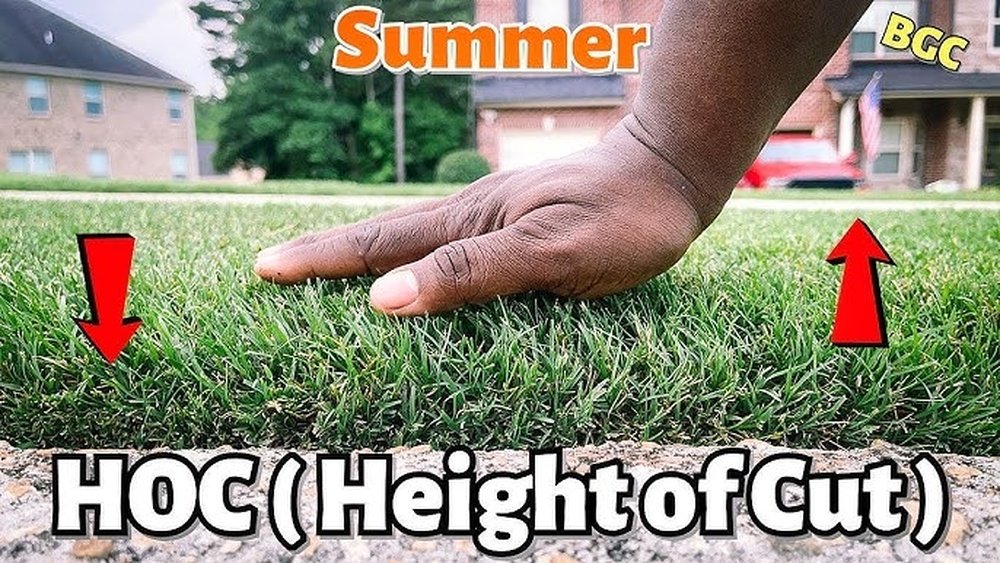
Are you struggling to keep your Bermuda grass looking lush and healthy during the hot summer months? One simple change could make all the difference: cutting your grass at the right height.
If you mow too short, your lawn could dry out and turn brown. Cut it too high, and it might look messy and grow unevenly. Finding the perfect height isn’t just a lawn care tip—it’s the key to a vibrant, green yard that stands out all summer long.
Keep reading to discover exactly how high you should cut your Bermuda grass to keep it thriving, no matter how high the temperatures rise.
Credit: www.barefootlawncare.com
Ideal Cutting Height For Summer
Cutting Bermuda grass at the right height during summer is key to a healthy lawn. The grass grows fast in warm weather. Setting the mower to the right height helps the grass stay green and strong. It also saves water and stops weeds from growing too much.
Choosing the ideal cutting height helps your lawn look its best. It keeps the roots deep and protects the soil from drying out. The right height makes the grass more resistant to heat and drought stress.
Optimal Height Range
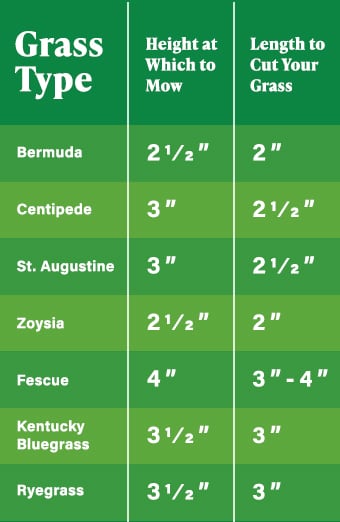
Set Bermuda grass mower blades between 1 and 2 inches in summer. This range keeps grass leaves long enough to capture sunlight. It also prevents the grass from getting too thin or brown. Avoid cutting it shorter than 1 inch. Short cuts stress the grass and dry out the soil quickly.
Benefits Of Proper Height
Cutting Bermuda grass at the right height helps it grow thick and healthy. Taller grass blades shade roots and keep soil moist. This reduces the need for extra watering. Proper height also lowers weed growth. Thick grass crowds out unwanted plants naturally. Healthy grass recovers faster from damage and heat stress.
Factors Influencing Cutting Height
Choosing the right height to cut Bermuda grass in summer depends on several important factors. These factors help keep your lawn healthy and green during hot months. Cutting too short or too tall can harm the grass. Understanding these influences helps you make the best choice.
Soil Type And Moisture
The type of soil affects how Bermuda grass grows. Sandy soil drains water fast, so grass may need to be cut a bit higher. This helps the roots stay shaded and moist. Clay soil holds water longer, so grass can handle lower cutting heights. Proper moisture levels keep the grass strong and reduce stress from heat.
Climate And Temperature
Hot and dry climates require different cutting heights than cooler areas. In very hot weather, leave Bermuda grass a little taller. Taller grass shades the soil and reduces water loss. Cooler temperatures allow shorter cuts because the grass is less stressed. Adjust cutting height to match summer heat and humidity.
Grass Health And Density
Healthy, dense Bermuda grass can be cut shorter without damage. Thin or weak grass needs a higher cutting height to protect it. Taller grass blades help capture sunlight and grow stronger roots. Regular mowing and care improve grass density, making it more resilient during summer heat.
Cutting Techniques For Bermuda Grass
Caring for Bermuda grass during summer needs smart cutting techniques. Proper cutting keeps the lawn green and healthy. It helps the grass grow thick and strong, fighting off weeds and heat stress.
Understanding the right mower settings, cutting frequency, and how to avoid scalping is key. These steps make sure your Bermuda grass thrives in hot weather.
Mower Settings
Set your mower blade sharp for clean cuts. Dull blades tear the grass, causing damage. Adjust the mower height to 1 to 2 inches for summer. This height protects roots and keeps the lawn cool. Use a reel mower if possible for better cutting. Check settings before each mow to keep them consistent.
Cutting Frequency
Cut Bermuda grass once or twice a week in summer. Frequent cutting stops the grass from growing too tall. Do not cut more than one-third of the grass blade length at once. This avoids stressing the lawn. Watch the growth and adjust cutting often. Regular mowing helps the grass stay dense and healthy.
Avoiding Scalping
Scalping means cutting too low and harming the grass. It exposes soil and weakens roots. Avoid scalping by never mowing below 1 inch in height. Raise mower blades if the grass grows unevenly. Mow more often to prevent tall grass that needs cutting low. Keep mower blades sharp to cut cleanly without pulling.
Watering And Fertilizing Tips
Watering and fertilizing Bermuda grass correctly helps it stay healthy during hot summer months. Proper care keeps the grass green and strong despite heat stress. Knowing the right schedule and type of fertilizer makes a big difference.
Watering Schedule
Water Bermuda grass deeply but less often. Early morning is the best time to water. It reduces evaporation and helps roots absorb water well. Aim for about one inch of water per week. Avoid watering in the afternoon to prevent leaf burn.
Fertilizer Choices
Choose a fertilizer high in nitrogen for Bermuda grass. Nitrogen supports green, thick growth. Look for slow-release formulas to feed the grass steadily. Avoid too much phosphorus; it can harm the lawn. Balanced fertilizers with nitrogen, phosphorus, and potassium work well.
Timing For Best Results
Fertilize Bermuda grass every 6 to 8 weeks in summer. Apply fertilizer after mowing the lawn. Water the lawn lightly after fertilizing to help nutrients soak in. Avoid fertilizing during extreme heat to prevent stress on the grass.
Common Mistakes To Avoid
Maintaining Bermuda grass in summer requires care and attention. Many lawn owners make mistakes that harm their grass. Avoiding these errors helps keep your lawn healthy and green during hot months. Below are common mistakes to watch out for.
Cutting Too Short
Cutting Bermuda grass too short stresses the plant. It reduces the grass’s ability to hold water. Short grass dries out faster under the sun. Keep the height between 1 to 2 inches in summer. This height protects roots and keeps the lawn green.
Inconsistent Mowing
Mowing at irregular times can damage the lawn. Cutting too rarely makes the grass grow too tall. Tall grass can shade itself and die underneath. Mowing too often cuts the grass too short. Stick to a regular schedule every 5 to 7 days. This keeps the lawn even and healthy.
Ignoring Lawn Health
Some ignore signs of lawn stress and disease. Yellow or brown patches mean your grass needs help. Treat problems early to avoid spread. Water the lawn deeply but not too often. Check soil for nutrients and add fertilizer if needed. Healthy soil grows strong Bermuda grass.

Credit: www.youtube.com

Credit: theturfgrassgroup.com
Frequently Asked Questions
What Is The Ideal Bermuda Grass Height In Summer?
The ideal Bermuda grass height in summer is 1 to 2 inches. This height promotes healthy growth and drought resistance. Cutting too short stresses the grass, while too tall can invite pests and diseases.
How Often Should Bermuda Grass Be Mowed In Summer?
Mow Bermuda grass every 5 to 7 days during summer. Frequent mowing keeps the grass healthy and encourages dense growth. Avoid cutting more than one-third of the blade length at once.
Why Is Proper Cutting Height Important For Bermuda Grass?
Proper cutting height protects Bermuda grass roots and conserves moisture. It prevents weed growth and improves lawn density. Maintaining the right height ensures a lush, green lawn during hot summer months.
Can Cutting Bermuda Grass Too Short Damage It?
Yes, cutting Bermuda grass too short can cause stress and weaken roots. It makes the lawn vulnerable to heat, drought, and diseases. Always follow recommended mowing heights to keep the grass healthy.
Conclusion
Cutting Bermuda grass at the right height keeps it healthy in summer. Set your mower to about 1 to 2 inches tall. This length helps grass stay green and strong under heat. Avoid cutting too short; it can stress the grass.
Regular mowing keeps your lawn neat and fresh. Remember, grass grows faster in warm months, so mow often. Healthy Bermuda grass means a beautiful, soft lawn to enjoy all summer. Simple care makes a big difference. Keep your grass happy with the right mowing height.
