

Are you ready to transform your lawn with lush, green Bermuda grass? Knowing exactly when you can seed Bermuda grass is the key to getting the best results.
Plant it too early or too late, and you might face slow growth or patchy spots. But get the timing right, and your lawn will thrive, looking healthy and vibrant all season long. You’ll discover the perfect window for seeding Bermuda grass, so you can enjoy a beautiful yard that stands out.
Keep reading to find out how to give your lawn the fresh start it deserves!
Best Time To Seed Bermuda Grass
Knowing the best time to seed Bermuda grass helps ensure strong growth. Planting at the right moment lets the grass establish quickly. This leads to a healthy, green lawn that lasts.
Ideal Temperature Range
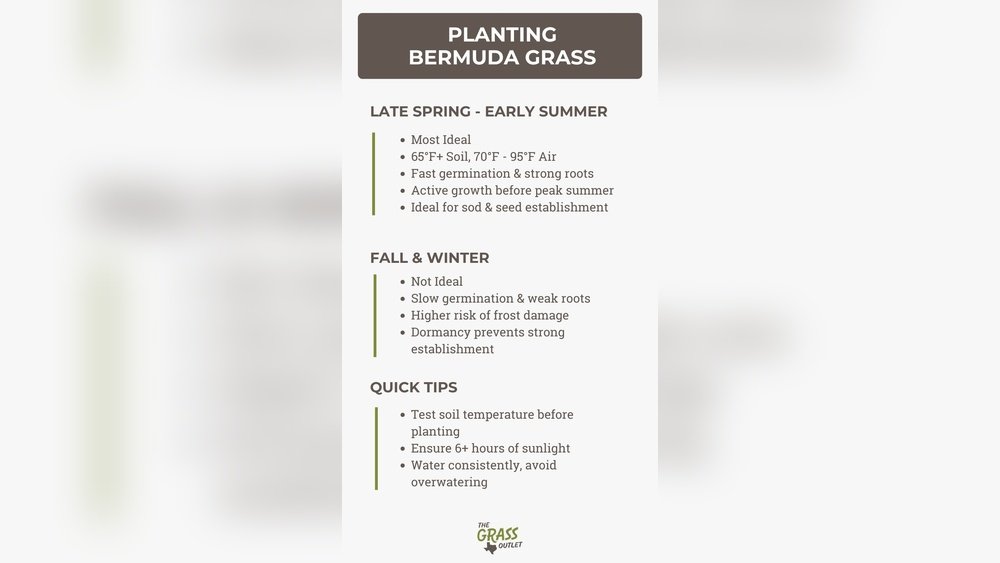
Bermuda grass grows best in warm weather. The soil temperature should be between 65°F and 75°F. Air temperatures around 80°F to 95°F are perfect. Seeding outside this range slows growth or stops it.
Seasonal Considerations
Late spring to early summer is the best seeding season. The soil is warm, and the days are long. Avoid seeding in early spring or fall. Cold temperatures can kill young grass. Summer heat helps seeds sprout and grow fast.
Soil Preparation Timing
Prepare the soil just before seeding. Clear weeds and loosen the soil well. Add nutrients or compost to improve growth. Seed the soil immediately after preparation. This helps seeds stay moist and start growing quickly.

Credit: www.wikihow.com
Preparing The Soil
Preparing the soil is the first and most important step before seeding Bermuda grass. Good soil helps the grass grow strong and healthy. Taking time to prepare the soil can save effort later. Healthy soil provides nutrients and proper drainage. It also helps seeds settle well and sprout faster.
Testing Soil Quality
Start by testing the soil to check its condition. Testing tells you the pH level and nutrient content. Bermuda grass grows best in soil with a pH between 5.8 and 7.0. You can buy a simple soil test kit online or at garden stores. Send a soil sample to a local extension office for detailed results. Knowing the soil quality helps decide what changes are needed.
Clearing And Tilling
Clear the area of rocks, weeds, and old grass. Removing debris gives seeds room to grow. After clearing, till the soil to loosen it. Tilling breaks up hard soil and improves air flow. Use a garden tiller or a shovel for small areas. Loose soil helps roots grow deep and strong. It also allows water to soak in properly.
Amending Soil For Growth
Add organic matter like compost or peat moss to the soil. This improves soil texture and nutrient levels. Mix amendments evenly into the top 4 to 6 inches of soil. Adding lime can raise soil pH if it is too acidic. Use fertilizer based on soil test results for best growth. Well-amended soil creates a perfect home for Bermuda grass seeds.
Seeding Techniques
Seeding Bermuda grass requires proper techniques to ensure strong growth. Using the right methods helps seeds sprout and grow evenly. This section covers key steps for successful seeding.
Choosing The Right Seed
Select high-quality Bermuda grass seed. Look for fresh seed with good germination rates. Choose a variety suited for your climate and soil. Avoid old or damaged seed to prevent poor growth.
Seed Spreading Methods
Spread seeds evenly over the soil. Use a broadcast spreader for large areas. Hand spreading works for small patches. Aim for uniform coverage to avoid thin spots.
Optimal Seed Depth
Plant seeds shallow, about 1/4 inch deep. Too deep stops seedlings from reaching the surface. Too shallow can dry out seeds quickly. Lightly cover seeds with soil or sand for protection.

Credit: thegrassoutlet.com
Watering And Maintenance
Watering and maintenance are key to growing healthy Bermuda grass. Proper care helps seeds grow strong roots and green blades. Knowing how much water and when to fertilize makes a big difference. Follow a clear plan to keep your lawn lush and green.
Initial Watering Schedule
Right after planting, water the seeds lightly but often. Keep the soil moist but not soaked. Water two to three times a day, especially in warm weather. Stop watering once the grass sprouts and starts to grow. Too much water can harm young grass.
Ongoing Irrigation Tips
After the grass is established, water deeply but less often. Aim for about one inch of water per week. Early morning is the best time to water. This reduces evaporation and helps roots grow deep. Avoid watering in the heat of the day to save water.
Fertilizing For Strength
Fertilize Bermuda grass to build strong roots and green color. Use a balanced fertilizer with nitrogen, phosphorus, and potassium. Apply fertilizer every six to eight weeks during the growing season. Follow package instructions to avoid overfeeding. Healthy grass resists weeds and drought better.
Common Challenges
Seeding Bermuda grass comes with some challenges. These challenges can affect how well your grass grows. Knowing what to expect helps you prepare and care for your lawn better.
Dealing With Weeds
Weeds compete with Bermuda grass for nutrients and water. They can slow down the growth of new grass seeds. Use a weed-free seedbed before planting. Remove weeds regularly to keep them from spreading. Mulching can help stop weed growth around young grass.
Preventing Pests
Insects and pests can damage young Bermuda grass. They feed on the grass blades and roots. Watch for signs of pest activity early. Use natural pest control methods or safe insecticides. Keeping the lawn healthy reduces pest problems.
Managing Drought Stress
Bermuda grass seeds need water to grow well. Dry conditions can stop seeds from sprouting. Water the lawn gently but often after seeding. Avoid overwatering to prevent root rot. During hot weather, give extra water to reduce drought stress.

Credit: www.youtube.com
Signs Of Successful Growth
Knowing the signs of successful Bermuda grass growth helps you care for your lawn properly. Early stages show important clues about how well the grass is developing. Watching these signs can save time and effort in lawn care.
Germination Timeline
Bermuda grass seeds usually sprout within 7 to 14 days. Warm soil between 65°F and 75°F speeds up germination. Seedlings appear as thin green shoots poking through the soil. Delays beyond two weeks may mean poor seed quality or bad soil conditions.
Early Grass Health Indicators
Healthy young Bermuda grass looks bright green and grows evenly. Thin or yellow patches suggest watering or nutrient problems. New blades should be soft but firm, not wilted or dry. Check soil moisture regularly to keep seedlings healthy and growing strong.
When To Mow First
Wait until Bermuda grass reaches about 2 to 3 inches tall before mowing. Cutting too early can damage young roots and stunt growth. Use a sharp mower blade and cut only the top third of the grass blades. This helps the lawn grow thicker and healthier over time.
Frequently Asked Questions
When Is The Best Time To Seed Bermuda Grass?
The best time to seed Bermuda grass is late spring to early summer. Soil temperatures should be consistently above 65°F. This promotes quick germination and strong growth. Avoid seeding in cold or frost-prone months to ensure healthy turf establishment.
How Long Does Bermuda Grass Take To Germinate?
Bermuda grass typically takes 7 to 21 days to germinate. Warm soil and adequate moisture speed up the process. Cooler temperatures can delay germination. Proper watering and soil preparation improve seed sprouting and lawn establishment.
Can Bermuda Grass Be Seeded In Fall?
Seeding Bermuda grass in fall is not ideal. Cooler temperatures slow germination and growth. The grass may not establish well before winter. Late spring to early summer remains the optimal seeding window for best results.
How Do I Prepare Soil For Bermuda Grass Seed?
Prepare soil by removing debris and tilling the area. Test soil pH and adjust to 6. 0-7. 0 if needed. Level the surface and apply starter fertilizer. Good soil preparation enhances seed-to-soil contact and promotes healthy growth.
Conclusion
Seeding Bermuda grass works best in warm months, usually late spring to early summer. Soil temperature should be above 65°F for good growth. Water the seeds gently and keep the soil moist. Avoid seeding in cold or wet weather. Patience is key; the grass takes time to grow thick and green.
Follow these steps to enjoy a healthy Bermuda lawn. Your effort will pay off with a strong, beautiful yard.
