

Are you ready to transform your lawn into a lush, green paradise? Knowing exactly when to put Bermuda grass seed down can make all the difference.
Plant too early, and your seeds might fail to grow. Wait too long, and you could miss the perfect window for a thick, healthy lawn. You’ll discover the best timing to plant Bermuda grass seed so your yard thrives year-round.
Keep reading to unlock the secrets to a vibrant lawn that will be the envy of your neighborhood.
Credit: theturfgrassgroup.com
Best Seasons For Planting
Choosing the right time to plant Bermuda grass seed is key for a healthy lawn. Planting in the best seasons helps the grass grow strong and green. Timing depends on temperature, season, and your local climate. Understanding these factors makes your planting successful.
Ideal Temperature Range
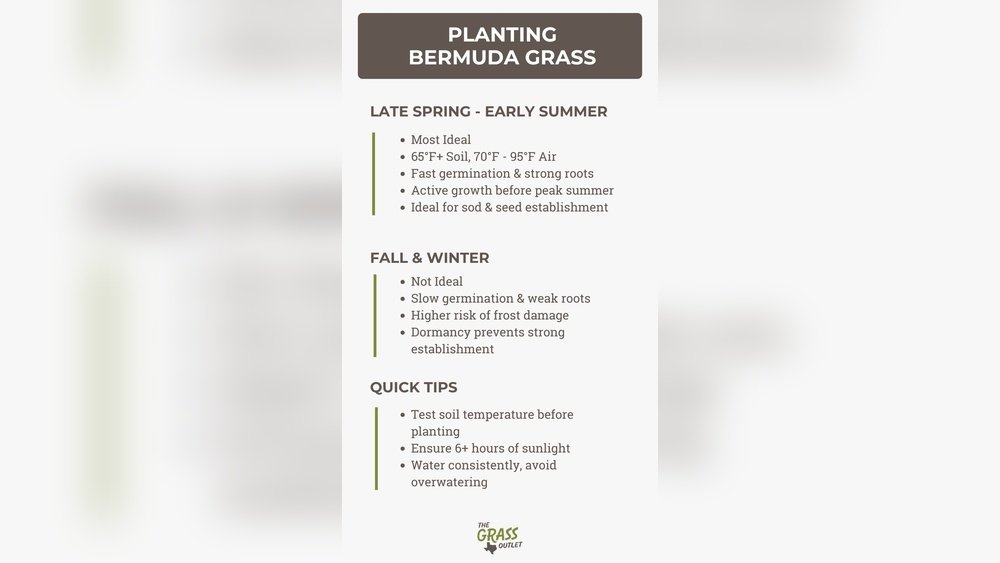
Bermuda grass grows best when soil temperature is between 65°F and 75°F. Seeds sprout quickly in this range, giving them a good start. Cooler soil slows down growth and can cause seeds to rot. Warmer soil can dry out seeds and reduce germination.
Spring Vs. Summer Planting
Spring planting is popular because soil warms up naturally. Early spring allows grass to grow before hot summer heat arrives. Summer planting can work but needs more watering. Hot temperatures can stress young grass and slow growth.
Regional Climate Effects
In warmer regions, plant Bermuda grass earlier in spring. Mild winters mean soil warms faster. In cooler areas, wait until late spring or early summer. Frost can kill young grass shoots. Understanding your region’s weather helps choose the right time.
Credit: fortsmithlandscaping.com
Soil Preparation Tips
Preparing the soil is the first step to a healthy Bermuda grass lawn. Good soil helps seeds grow strong roots. The ground must be ready before spreading the seed. This section covers simple soil preparation tips. Follow these to get the best start for your grass.
Testing Soil Quality
Start by testing your soil. A soil test shows nutrient levels and pH balance. You can buy a test kit or send a sample to a lab. Healthy Bermuda grass needs soil with pH between 5.8 and 7.0. Knowing soil quality helps you fix problems before planting seeds.
Amending Soil For Growth
After testing, add needed nutrients and materials. Use lime to raise soil pH or sulfur to lower it. Mix in compost or organic matter to improve soil texture. Good soil drains well and holds moisture. Proper soil amendments create the perfect place for Bermuda seeds to grow strong.
Proper Soil Moisture Levels
Keep soil moist but not soaked before planting. Dry soil stops seed from sprouting. Too much water causes rot and disease. Water the soil lightly every day until seeds germinate. After that, reduce watering to encourage deep root growth. Proper moisture helps Bermuda grass start healthy and green.
Seeding Techniques
Planting Bermuda grass seed requires careful seeding techniques. Proper methods help the grass grow strong and healthy. These techniques include choosing the right seed, spreading it correctly, and planting it at the right depth. Following these steps improves the chances of a lush lawn.
Choosing The Right Seed Type
Select seeds suited for your climate and soil. Bermuda grass has many types. Some grow faster, some resist drought better. Pick seeds labeled for your area. Use high-quality seed with good purity and germination rates. Better seeds lead to a better lawn.
Spreading Methods
Use a seed spreader for even coverage. Hand spreading works for small areas but can be uneven. A drop or broadcast spreader gives better results. Spread half the seed in one direction, the rest at a right angle. This pattern helps cover all spots.
Seed Depth And Coverage
Plant seeds shallow, about 1/4 inch deep. Too deep, seeds will not sprout well. After spreading, lightly rake the soil to cover seeds. Avoid burying seeds under heavy soil. Water gently to keep soil moist but not flooded. Proper depth and coverage ensure strong seedling growth.
Watering Schedule After Seeding
Watering is key after planting Bermuda grass seed. It helps seeds soak up moisture and start growing strong. Proper watering supports seed germination and young grass roots. Follow a good watering schedule to get the best results.
Initial Watering Frequency
Water the seeded area lightly but often. Do this 2 to 3 times daily. Keep the soil moist, not soaked. Short watering sessions work best. They stop seeds from washing away or drying out. Morning and late afternoon are great times.
Adjusting Watering As Grass Grows
After 2 to 3 weeks, reduce watering to once a day. The grass roots start to grow deeper. Water less often but longer each time. This encourages roots to seek water deep in the soil. Watch the grass color to guide watering needs.
Avoiding Overwatering
Too much water can harm new grass. It causes roots to rot and invites pests. Avoid puddles and soggy soil. Stop watering if the ground stays wet for hours. Let soil dry slightly between waterings. Healthy roots grow in balanced moisture.
Common Planting Mistakes
Planting Bermuda grass seed needs care. Many gardeners make common mistakes. These errors can stop your grass from growing well. Knowing what to avoid helps your lawn thrive.
Seeding Too Early Or Late
Planting too early means cold soil. Cold soil slows seed growth. Planting too late means hot weather. Heat can dry out new seeds quickly. Both cases reduce grass success.
Ignoring Soil Conditions
Good soil is key for Bermuda grass. Poor soil stops roots from growing deep. Check soil pH and nutrients before planting. Fix soil problems for better grass growth.
Improper Watering Practices
Watering too much can drown seeds. Watering too little lets seeds dry out. New seeds need light, steady watering. Water early in the morning for best results.

Credit: thegrassoutlet.com
Signs Of Successful Germination
Knowing the signs of successful germination helps confirm your Bermuda grass seed is growing well. It shows the seed has sprouted and started to develop roots and leaves. Watching for these signs can guide your care routine and help you make changes early if needed.
Visible Sprouts Timeline
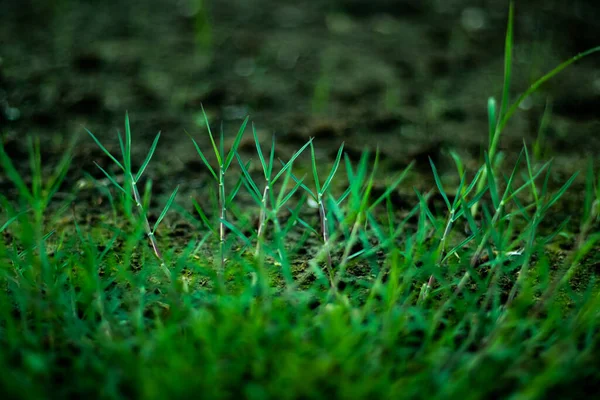
Bermuda grass seeds usually start to sprout in 7 to 14 days. Tiny green shoots appear just above the soil surface. Sprouts look thin and delicate at first. They become stronger and thicker after a few days. If no sprouts show after three weeks, the seed may not have germinated.
Healthy Grass Indicators
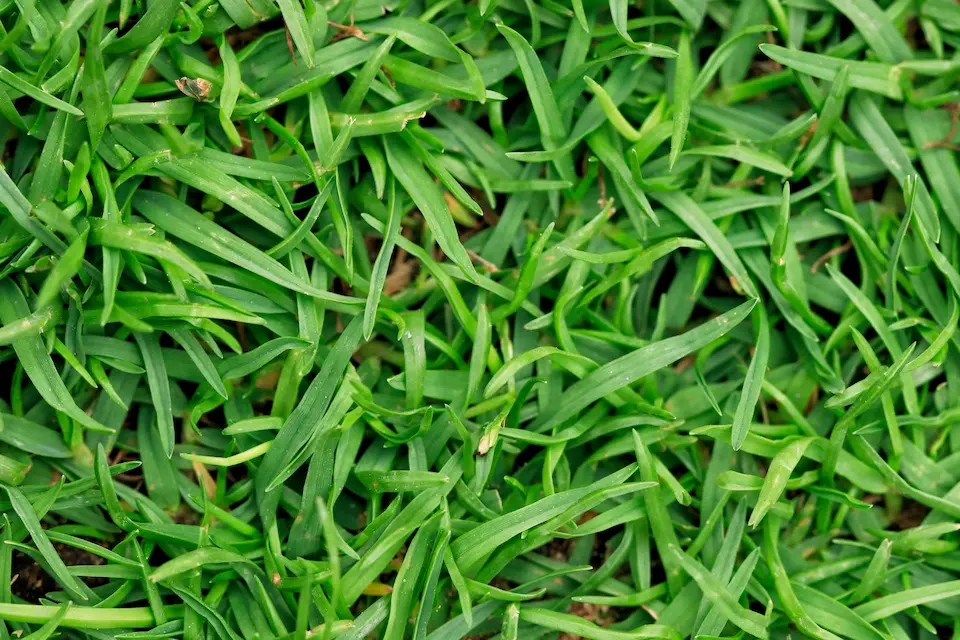
Healthy Bermuda grass has bright green color and firm blades. Leaves stand upright and grow evenly. The grass feels soft but strong to touch. Healthy roots spread wide and go deep into the soil. Grass that grows quickly and fills bare spots shows good health.
Troubleshooting Poor Growth
Slow or patchy growth may mean problems with seed or soil. Check if the soil stays too dry or too wet. Poor sunlight can also cause weak grass. Thin, yellow, or brown blades need attention. Reseeding or improving soil may help fix poor growth.
Frequently Asked Questions
When Is The Best Time To Plant Bermuda Grass Seed?
The best time to plant Bermuda grass seed is late spring to early summer. Soil temperatures should be above 65°F for optimal germination and growth. Planting during warm months ensures quick establishment and healthy turf development.
How Long Does Bermuda Grass Seed Take To Germinate?
Bermuda grass seed typically germinates within 7 to 21 days. Warm soil and consistent moisture speed up this process. Proper care during this period promotes strong root growth and a lush lawn.
Can Bermuda Grass Seed Be Planted In Fall?
Planting Bermuda grass seed in fall is not ideal. Cooler temperatures slow germination and growth, risking weak turf. For best results, plant in late spring or early summer when temperatures are warmer.
What Soil Conditions Are Ideal For Bermuda Grass Seed?
Bermuda grass thrives in well-drained, sandy loam soil with a pH between 6. 0 and 7. 0. Proper soil preparation, including aeration and fertilization, improves seed-to-soil contact and encourages vigorous growth.
Conclusion
Plant Bermuda grass seed when soil warms up in spring or early summer. This timing helps seeds sprout quickly and grow strong roots. Avoid planting too early; cold soil can stop growth. Water the area gently after sowing to keep soil moist.
Regular care boosts your lawn’s health and green color. Follow these steps to enjoy a lush, green yard all season. Timing matters for best results. Start right, and your Bermuda grass will thrive beautifully.
