

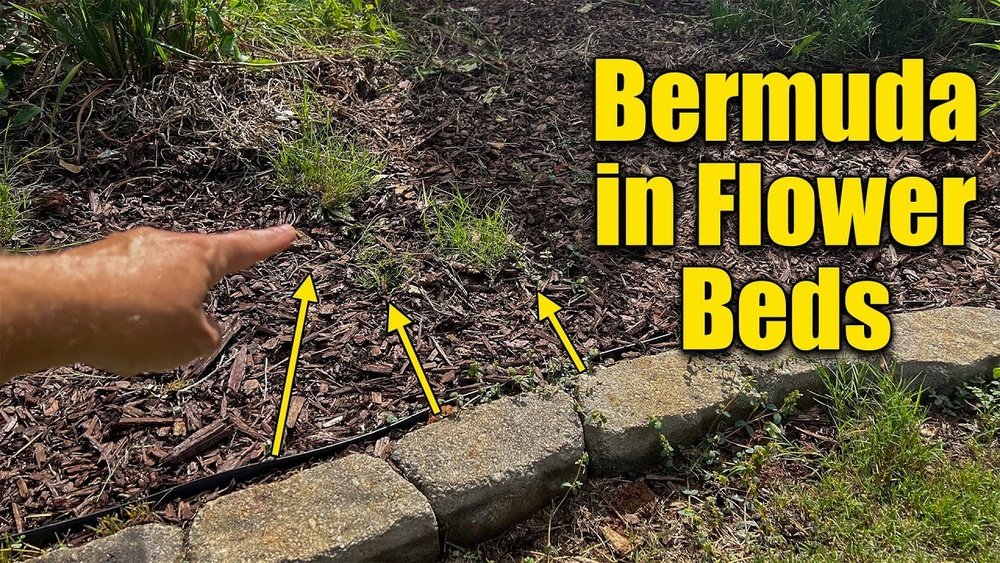
Bermuda grass spreads aggressively through underground runners, making it easy to invade flower beds. To keep it out, use deep edging barriers, remove existing grass thoroughly, and apply weed barrier fabric before planting. These steps create a strong defense that protects your flowers and prevents Bermuda grass from taking over.
Are you tired of Bermuda grass creeping into your flower beds and stealing the spotlight from your beautiful blooms? You’re not alone.
Bermuda grass is tough, fast-growing, and relentless, making it a real challenge to keep it where it belongs—in your lawn, not your flowers. But don’t worry, you can take control. You’ll discover simple, effective ways to stop Bermuda grass from invading your flower beds.
Keep reading, and you’ll learn how to protect your garden and let your flowers shine without battling stubborn grass every day.

Credit: www.lawnstarter.com
Why Bermuda Grass Invades Flower Beds
Bermuda grass is a tough and fast-growing lawn grass. It spreads quickly and can easily take over spaces where it is not wanted. Flower beds often become targets for Bermuda grass because it grows aggressively and tries to find new areas to expand. Understanding why Bermuda grass invades flower beds helps in keeping it out effectively.
Growth Habits Of Bermuda Grass
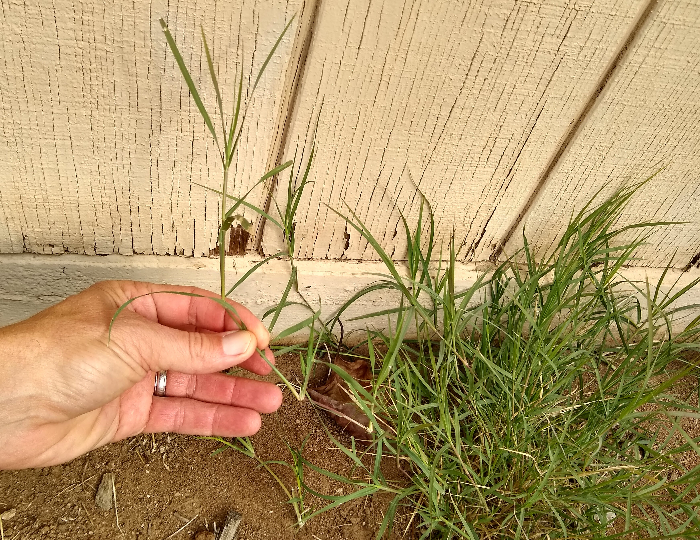
Bermuda grass spreads through runners called stolons and underground stems called rhizomes. These runners grow horizontally just under the soil surface. They can travel several feet from the main plant. This allows Bermuda grass to cover large areas fast. It can push into flower beds by growing beneath the soil. Its deep root system helps it survive tough conditions. The grass can grow in sun or partial shade. This makes flower beds with some sunlight easy targets.
Common Entry Points Into Flower Beds
Bermuda grass often enters flower beds through cracks or gaps in edging. Loose soil or mulch can help runners move in. Lawn mowers and garden tools may carry tiny grass pieces to flower beds. These pieces can start new Bermuda grass patches. Poorly maintained borders allow the grass to creep inside. Water runoff may also carry seeds or runners into beds. Once inside, Bermuda grass grows quickly and crowds out flowers.
Preparing Flower Beds To Resist Bermuda Grass
Preparing flower beds to resist Bermuda grass is key to keeping your garden neat. This grass spreads fast and can take over flower beds quickly. Taking steps before planting helps stop it from growing in unwanted areas.
Good preparation creates a strong barrier. It also gives your flowers room to grow without competition. Use the right materials and soil techniques for best results.
Choosing The Right Border Materials
Choose border materials that block Bermuda grass roots. Thick plastic or metal edging works well. These barriers stop roots from creeping into flower beds. Make sure the border is at least 6 inches deep. This depth helps keep the grass from passing underneath. Regular wood may rot and fail as a barrier. Use durable materials for a long-lasting edge.
Soil Preparation Techniques
Remove existing Bermuda grass before planting flowers. Dig out all grass and roots carefully. This prevents regrowth from leftover pieces. Add a layer of weed barrier fabric on the soil. It blocks grass from growing up through the bed. Mix organic compost into the soil to improve health. Healthy soil supports strong flowers that can resist weeds. Keep soil moist but not soggy for best growth.
Effective Physical Barriers
Keeping Bermuda grass out of flower beds takes effort and smart planning. Physical barriers stop grass from spreading and protect your plants. They create clear boundaries and reduce grass invasion.
Two effective ways to build these barriers are installing edging and trenches, and using landscape fabric with mulch. Both methods create strong defenses to keep Bermuda grass at bay.
Installing Edging And Trenches
Edging creates a solid border between grass and flower beds. Use metal, plastic, or stone edging to form a clear line. Dig a shallow trench around the bed before placing the edging.
The trench should be at least 6 inches deep to stop grass roots. Press the edging firmly into the soil and backfill the trench. This stops grass runners from creeping into the flower bed.
Check the edging regularly for gaps or damage. Fix any spots where grass may sneak through. This method works well for neat, defined garden beds.
Using Landscape Fabric And Mulch
Landscape fabric blocks grass and weeds from growing inside flower beds. Lay the fabric flat over the soil, covering the entire bed area. Cut holes only where plants grow.
Place a thick layer of mulch on top of the fabric. Mulch holds the fabric down and keeps moisture in the soil. It also makes your flower beds look tidy.
Choose organic mulch like wood chips or bark for best results. This combo stops Bermuda grass roots and runners from reaching your plants.
Credit: gregalder.com
Herbicide Options For Control
Controlling Bermuda grass in flower beds requires careful herbicide selection. Choosing the right product helps protect your flowers while stopping unwanted grass growth. Herbicides come in different types, each suited for specific needs and plants. Understanding these options ensures effective and safe use.
Selective Vs. Non-selective Herbicides
Selective herbicides target specific plants, like grasses, without harming flowers. They are best for flower beds with Bermuda grass issues. These products kill Bermuda grass but leave broadleaf plants safe. Non-selective herbicides kill all plants they touch. Use them only for bare soil or areas without flowers. Spot treatment with non-selective herbicides can remove Bermuda grass patches.
Safe Application Practices
Apply herbicides carefully to avoid harming flowers. Use a shield or spray carefully near plants. Follow the label instructions for dosage and timing. Wear gloves and protective clothing to stay safe. Water the area before and after applying herbicides to help absorption. Keep children and pets away from treated areas until safe.
Manual Removal Methods
Manual removal of Bermuda grass from flower beds is a direct and effective way to protect your plants. It requires patience and care but gives you control over the process. Removing grass by hand stops it from spreading without harming your flowers.
This method suits small areas or spots where grass growth is light. You must remove the entire root system to prevent regrowth. Repeating the process often leads to better results.
Hand Pulling Tips
Start pulling Bermuda grass when the soil is moist. Wet soil makes it easier to remove roots completely. Grasp the grass near the base and pull gently but firmly. Avoid breaking the roots to reduce chances of regrowth.
Wear gloves to protect your hands. Pull slowly to avoid disturbing nearby flowers. Check the area regularly for new shoots and remove them quickly. Consistency is key to keeping Bermuda grass out.
Tools To Aid Removal
Use a hand weeder or garden fork to loosen soil around roots. These tools help lift Bermuda grass without damaging other plants. A trowel is also useful for digging out deep roots.
A sharp knife or garden scissors can cut stubborn runners. This prevents them from spreading further. Clean your tools after use to stop spreading grass seeds or roots.
Credit: www.reddit.com
Maintaining A Bermuda-free Flower Bed
Keeping Bermuda grass out of flower beds takes steady effort. A flower bed free of Bermuda looks neat and helps flowers grow well. This requires care and attention every week. Small actions make a big difference over time.
Focus on stopping Bermuda grass early before it spreads. Watch your flower beds closely to catch any grass before it takes hold. Clean and tidy flower beds slow down Bermuda’s growth. Follow simple steps to keep your flower beds healthy and grass-free.
Regular Monitoring And Early Detection
Check your flower beds at least once a week. Look carefully for Bermuda grass shoots or runners. Spotting them early helps stop the spread fast. Pull out any new Bermuda grass by hand immediately. Use gloves to protect your hands. Early removal saves time and effort later.
Use a small garden tool to dig out roots if needed. Keep an eye on edges where Bermuda can sneak in. Watch during hot months when Bermuda grows fast. Regular checks keep your flower beds clean and healthy.
Routine Bed Maintenance
Remove dead leaves and plant debris regularly. Clean beds make it hard for Bermuda to take root. Loosen the soil gently to keep it healthy. Add mulch to block Bermuda’s light and slow growth. Use thick mulch layers around flowers for best results.
Water your plants carefully, avoiding wetting areas outside the bed. Bermuda grass loves moist soil, so dry edges help control it. Trim flower bed edges to stop grass runners spreading. Routine care keeps Bermuda grass away and flowers happy.
Frequently Asked Questions
How Can I Prevent Bermuda Grass From Invading Flower Beds?
Create physical barriers like edging or mulch to block Bermuda grass spread. Regularly pull out any grass shoots by hand to maintain control. Consistent maintenance helps keep flower beds free from unwanted grass.
What Mulch Works Best To Stop Bermuda Grass Growth?
Organic mulches like wood chips or bark are effective. They block sunlight, preventing Bermuda grass seeds from sprouting. Apply mulch thickly, around 3 inches, to create a strong barrier.
Is Using Herbicide Safe To Remove Bermuda Grass In Flower Beds?
Selective herbicides can target Bermuda grass without harming flowers. Always follow product instructions carefully to avoid damage. Spot treatment is best to minimize chemical use and protect your plants.
How Often Should I Inspect Flower Beds For Bermuda Grass?
Inspect flower beds weekly during the growing season. Early detection allows quick removal before grass spreads. Regular checks keep your beds healthy and grass-free.
Conclusion
Keeping Bermuda grass out of flower beds takes patience and care. Regularly check your beds for any grass sprouts. Use barriers or mulch to stop grass from spreading. Pull out any Bermuda grass as soon as you see it. Healthy soil and strong plants also help keep grass away.
Small steps make a big difference over time. Stay consistent and your flower beds will stay neat and beautiful. Enjoy your garden without unwanted grass taking over.
