
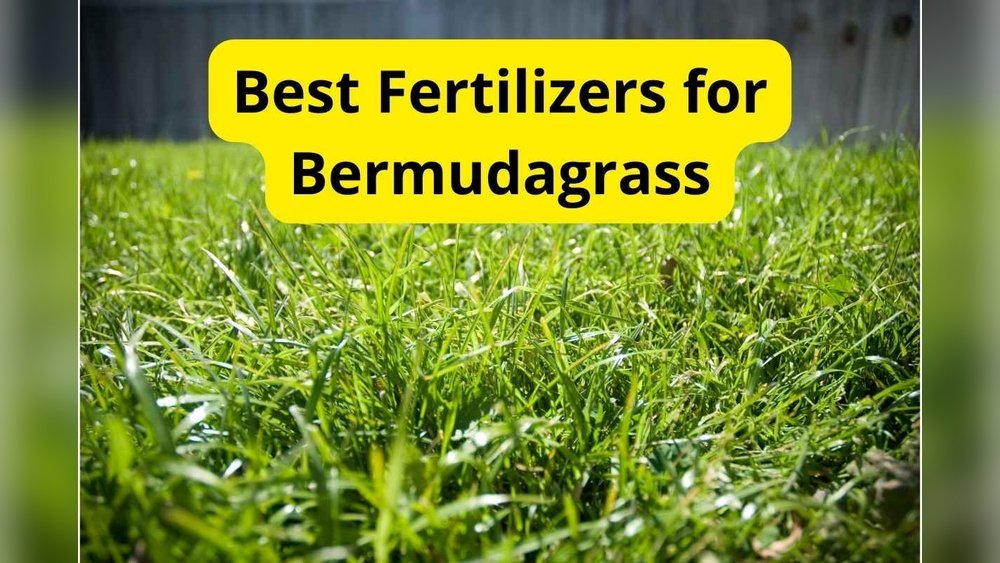
A good fertilizer for Bermuda grass is one that provides a high nitrogen content to promote lush, green growth, balanced with phosphorus for strong roots and potassium for stress resistance. Choosing a fertilizer with these key nutrients, plus essential micronutrients, supports a healthy, vibrant lawn throughout the growing season.
Are you struggling to keep your Bermuda grass lush and green? Choosing the right fertilizer can make all the difference in how healthy and vibrant your lawn looks.
But with so many options out there, how do you know which one is best for your Bermuda grass? You’ll discover exactly what a good fertilizer for Bermuda grass is, why it matters, and how it can transform your yard into the beautiful, thriving space you’ve always wanted.
Keep reading to learn the simple secrets that will help your grass grow stronger and greener than ever before.

Credit: theturfgrassgroup.com
Bermuda Grass Basics
Bermuda grass is a popular choice for lawns, sports fields, and golf courses. It grows quickly and creates a thick, green carpet. Understanding its basics helps in choosing the right fertilizer. Healthy Bermuda grass needs care that fits its natural habits and needs.
Below are key points about its growth, soil, and climate preferences.
Growth Patterns
Bermuda grass spreads fast using above-ground runners called stolons. It also grows roots underground called rhizomes. This helps it fill bare spots quickly. The grass stays green and dense during warm months. It goes dormant and turns brown in cold weather. Knowing its growth helps in timing fertilizer application.
Soil Preferences
Bermuda grass grows best in well-drained soil. It prefers sandy or loamy soil types. The soil pH should be between 5.8 and 7.0. Too much clay or poor drainage can harm the grass. Testing soil before fertilizing improves results. Good soil supports strong roots and healthy growth.
Climate Needs
Bermuda grass thrives in warm climates. It needs full sun for at least 6 to 8 hours daily. It handles heat and drought better than many grasses. Cold weather slows its growth and may cause dormancy. Watering and fertilizing should match the growing season. Proper care keeps Bermuda grass green and healthy year-round.
Credit: www.youtube.com
Key Nutrients For Bermuda Grass
Bermuda grass needs the right nutrients to grow thick and green. Fertilizers provide these nutrients and help the grass stay healthy. Knowing the key nutrients helps you choose the best fertilizer for Bermuda grass.
Nitrogen Role
Nitrogen is the most important nutrient for Bermuda grass. It helps the grass grow fast and stay green. Without enough nitrogen, the grass looks yellow and thin. Use fertilizer with higher nitrogen for a lush lawn.
Phosphorus Importance
Phosphorus helps Bermuda grass develop strong roots. Strong roots absorb water and nutrients better. This nutrient is vital during the grass’s early growth stage. Choose a fertilizer with phosphorus to improve root health.
Potassium Benefits
Potassium keeps Bermuda grass healthy and stress-resistant. It helps the grass survive drought and cold weather. Potassium also improves disease resistance. Fertilizer with potassium supports overall lawn strength.
Micronutrients To Consider
Micronutrients like iron, manganese, and zinc are also important. They support photosynthesis and color. Deficiency in these can cause poor growth and discoloration. Look for fertilizers that include these micronutrients for balanced nutrition.
Types Of Fertilizers
Choosing the right fertilizer for Bermuda grass helps keep it green and healthy. Fertilizers come in different types. Each type feeds the grass in a unique way. Understanding these types helps you pick the best option for your lawn. Here are the main types of fertilizers used for Bermuda grass.
Organic Options
Organic fertilizers come from natural sources. They include compost, manure, and bone meal. These fertilizers improve soil health over time. They release nutrients slowly, which helps grass grow steadily. Organic options are safe for the environment. They also support beneficial soil organisms. Using organic fertilizers can lead to a thicker, greener Bermuda lawn.
Synthetic Choices
Synthetic fertilizers are man-made and contain concentrated nutrients. They provide a quick nutrient boost to Bermuda grass. These fertilizers usually have nitrogen, phosphorus, and potassium in specific ratios. Synthetic options are easy to find and apply. They help fix nutrient deficiencies fast. Overusing synthetic fertilizers can harm soil health. Use them carefully for best results.
Slow-release Vs. Quick-release
Slow-release fertilizers release nutrients over several weeks or months. They provide steady feeding and reduce the risk of burning the grass. Quick-release fertilizers deliver nutrients immediately. They create fast growth but may need more frequent application. Slow-release types are ideal for long-term lawn care. Quick-release works well for a quick green-up before events or dry spells.
Top Fertilizer Picks
Choosing the right fertilizer helps Bermuda grass stay green and healthy. Different fertilizers serve different purposes. Some focus on fast growth, others improve soil quality or protect against disease. Knowing the best options makes lawn care easier and more effective.
Here are top fertilizer picks for Bermuda grass to meet your lawn’s needs.
Best For Growth Boost
Fertilizers high in nitrogen work best for fast growth. Nitrogen helps Bermuda grass grow thick and lush. Look for formulas with a nitrogen ratio around 3:1:2. These give the grass energy to spread quickly and fill bare spots. Apply during the growing season for best results.
Best For Soil Health
Fertilizers with added organic matter improve soil quality. They feed beneficial microbes and increase nutrient retention. Products with compost or humic acid help Bermuda grass roots grow strong. Healthy soil supports long-term lawn health and reduces fertilizer needs over time.
Best For Disease Resistance
Fertilizers enriched with potassium help grass fight diseases. Potassium strengthens cell walls and improves stress tolerance. Look for balanced formulas with a good amount of potassium. Stronger grass resists common lawn diseases and recovers faster from damage.
Application Tips
Applying fertilizer correctly helps Bermuda grass grow thick and green. Proper application makes nutrients reach the grass roots. It also prevents waste and damage to the lawn. Follow these tips to get the best results from your fertilizer.
When To Fertilize
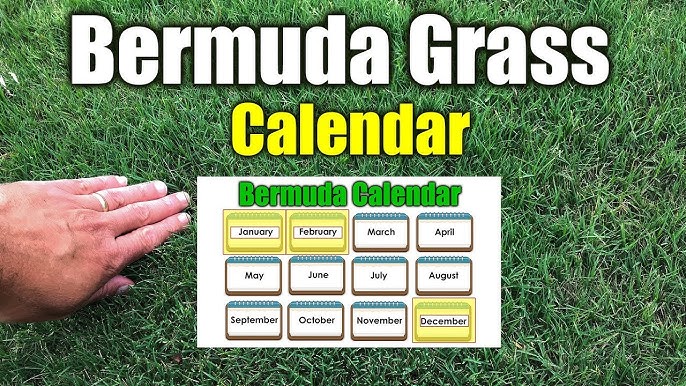
Fertilize Bermuda grass during its active growing months. This is usually late spring to early fall. Avoid fertilizing when the grass is dormant or stressed. Mornings or late afternoons are the best times to apply fertilizer. This helps prevent burning the grass in the heat.
How Much To Use
Use the right amount of fertilizer based on the product label. Applying too much can harm the grass and waste money. Usually, Bermuda grass needs about 1 pound of nitrogen per 1,000 square feet. Spread the fertilizer evenly for uniform growth and color.
Watering After Application
Water the lawn lightly after spreading fertilizer. This helps the nutrients soak into the soil. Do not overwater, as this can wash away the fertilizer. Keep the soil moist but not soggy for the best results.

Credit: www.youtube.com
Common Fertilizer Mistakes
Applying fertilizer to Bermuda grass needs care and knowledge. Many lawn owners make common mistakes that hurt their grass instead of helping it. Understanding these errors can save your lawn and money.
Over-fertilizing Risks
Too much fertilizer can burn Bermuda grass. It leads to weak roots and yellow leaves. Over-fertilized lawns attract pests and diseases. Excess nutrients also pollute nearby water sources. Using only the recommended amount is crucial.
Under-fertilizing Effects
Not enough fertilizer makes Bermuda grass thin and pale. The grass grows slowly and loses its green color. Weak grass cannot resist heat or drought well. Regular feeding helps keep the lawn thick and healthy.
Ignoring Soil Tests
Soil tests show what nutrients your lawn needs. Without testing, you might apply wrong fertilizer types. Some soils lack nitrogen, others need more potassium or phosphorus. Testing prevents waste and improves lawn health.
Maintaining A Lush Lawn
A lush Bermuda grass lawn looks healthy and feels soft underfoot. It needs more than just good fertilizer. Proper care keeps it green and thick all year. Simple steps like mowing, watering, and pest control make a big difference. Follow these tips to maintain a beautiful Bermuda grass lawn.
Mowing Practices
Cut Bermuda grass regularly to keep it neat and strong. Set your mower blade to 1 to 2 inches high. Avoid cutting more than one-third of the grass blade at once. Mow often during the growing season. This encourages dense growth and prevents weeds.
Irrigation Tips
Water Bermuda grass deeply but less often. Give about one inch of water each week. Early morning is the best time to water. This reduces evaporation and disease risk. Avoid overwatering, which weakens the roots and invites pests.
Pest And Weed Control
Check your lawn for pests like grubs or chinch bugs regularly. Use safe insecticides if needed. Remove weeds by hand or use selective herbicides. Keeping weeds out helps Bermuda grass grow strong without competition.
Frequently Asked Questions
What Is The Best Fertilizer For Bermuda Grass?
The best fertilizer for Bermuda grass is high-nitrogen fertilizer. It promotes strong growth and deep green color. Use a balanced N-P-K ratio like 16-4-8 for optimal results. Apply during the active growing season for best nutrient absorption.
How Often Should I Fertilize Bermuda Grass?
Fertilize Bermuda grass every 6 to 8 weeks during the growing season. This keeps the grass healthy and lush. Avoid over-fertilizing, which can damage roots and cause excessive thatch buildup.
Can Organic Fertilizers Work On Bermuda Grass?
Yes, organic fertilizers like compost and manure improve soil health. They release nutrients slowly and enhance Bermuda grass growth. Organic options are eco-friendly and improve long-term soil fertility.
When Is The Best Time To Fertilize Bermuda Grass?
The best time to fertilize Bermuda grass is late spring to early summer. This period matches its peak growth phase. Avoid fertilizing during dormancy or cold weather for best results.
Conclusion
Choosing the right fertilizer helps your Bermuda grass grow strong. A balanced mix with nitrogen keeps the grass green and healthy. Regular feeding supports thick, lush turf all season. Avoid over-fertilizing to prevent damage and waste. Remember to water after applying fertilizer for best results.
Healthy Bermuda grass makes your lawn look fresh and inviting. Simple care steps lead to a beautiful, durable lawn. Give your grass the nutrients it needs to thrive. Your lawn will thank you with vibrant, green growth.
