


Seeding Bermuda grass is a cost-effective way to establish a durable, green lawn if you have time to nurture it through the early stages. It works best in warm, sunny areas with well-prepared soil, but expect slower growth and initial patchiness compared to sodding. Proper care ensures healthy roots and thick coverage.
Are you wondering if you should seed Bermuda grass in your yard? Choosing the right grass can make all the difference in how your lawn looks and feels.
Bermuda grass is known for its durability and lush green color, but is seeding it the best option for your lawn? You’ll discover the key facts that will help you decide if seeding Bermuda grass is the right move. By the end, you’ll know exactly what steps to take to get the healthy, vibrant lawn you want.
Keep reading to find out everything you need to know about seeding Bermuda grass!
Bermuda Grass Basics
Bermuda grass is a popular choice for lawns and sports fields. It grows fast and looks green most of the year. This grass is tough and can handle heavy use. Understanding its basics helps you care for it better. Below are key points about Bermuda grass.
Characteristics Of Bermuda Grass
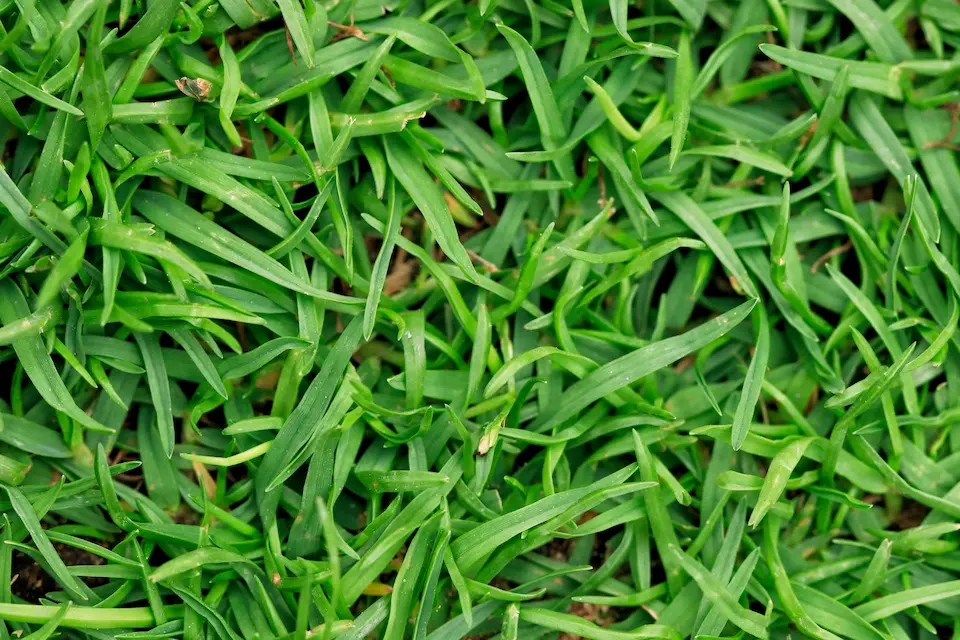
Bermuda grass has fine, thin blades. It spreads quickly through runners and underground stems. The grass stays green in warm weather but may turn brown in cold months. It is drought-tolerant and recovers fast from damage. This grass forms a thick, dense lawn that resists weeds.
Ideal Growing Conditions
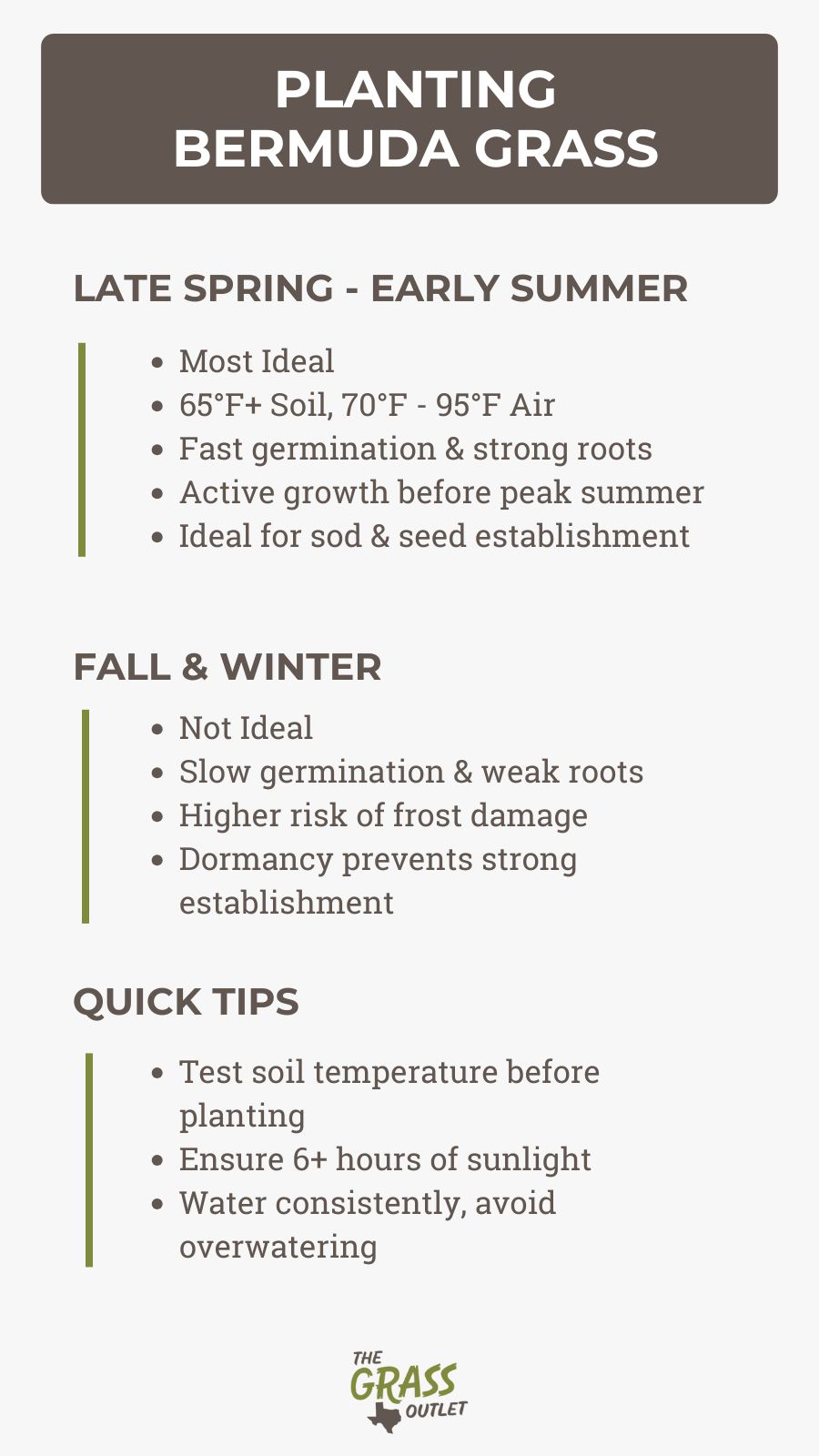
Bermuda grass thrives in warm climates with full sun. It needs at least six hours of direct sunlight daily. The soil should be well-drained and slightly acidic to neutral. This grass grows best in temperatures between 75°F and 95°F. It handles drought well but grows faster with regular watering.
Credit: thegrassoutlet.com
Seeding Vs Sodding
Choosing between seeding and sodding Bermuda grass affects how your lawn grows. Both methods have different steps, costs, and timelines. Knowing these helps pick the best way for your yard.
Pros And Cons Of Seeding
Seeding Bermuda grass costs less than sodding. You only need grass seeds and good soil. Seeds take time to grow, usually several weeks. The lawn may look patchy at first. Seeding needs regular watering and care. It allows grass to establish strong roots. Seeds offer more grass types to choose from. Still, weeds may grow along with the grass.
When To Choose Sodding
Sodding gives an instant green lawn. The grass is already grown and thick. It works well for quick lawn repair. Sod is more expensive than seeds. It needs proper soil preparation before laying. Sod roots into the soil within weeks. This method reduces erosion and weed growth. Choose sodding for heavy foot traffic areas. It is good for fast results and neat lawns.
Preparing The Soil
Preparing the soil is the first step for a healthy Bermuda grass lawn. Good soil helps grass grow strong and green. Take time to prepare the ground well. This step saves effort and money later. The better the soil, the better the grass will grow.
Soil Testing And Amendments
Start with a soil test to know your soil type. The test shows pH level and nutrients. Bermuda grass prefers soil pH between 5.8 and 7.0. Use test results to add needed nutrients. Lime can raise pH if soil is too acidic. Sulfur can lower pH if soil is too alkaline. Add organic matter like compost to improve soil texture. Mix amendments well into the soil for even growth.
Clearing And Leveling
Remove rocks, weeds, and old grass from the area. Clear the space to avoid competition with new grass. Level the soil to prevent water pooling. Use a rake or shovel to smooth the ground. Proper leveling helps Bermuda grass spread evenly. Compact the soil lightly to create a firm base. Avoid making the soil too hard. Good soil preparation leads to a lush lawn.
Credit: fortsmithlandscaping.com
Seeding Techniques
Seeding Bermuda grass requires careful steps to help your lawn grow thick and green. Using the right techniques can improve seed germination and reduce bare spots. Each step matters, from picking the seed to watering after planting.
Follow simple methods to make sure your Bermuda grass seeds start strong and healthy. These tips will guide you through the best seeding process.
Choosing The Right Seed
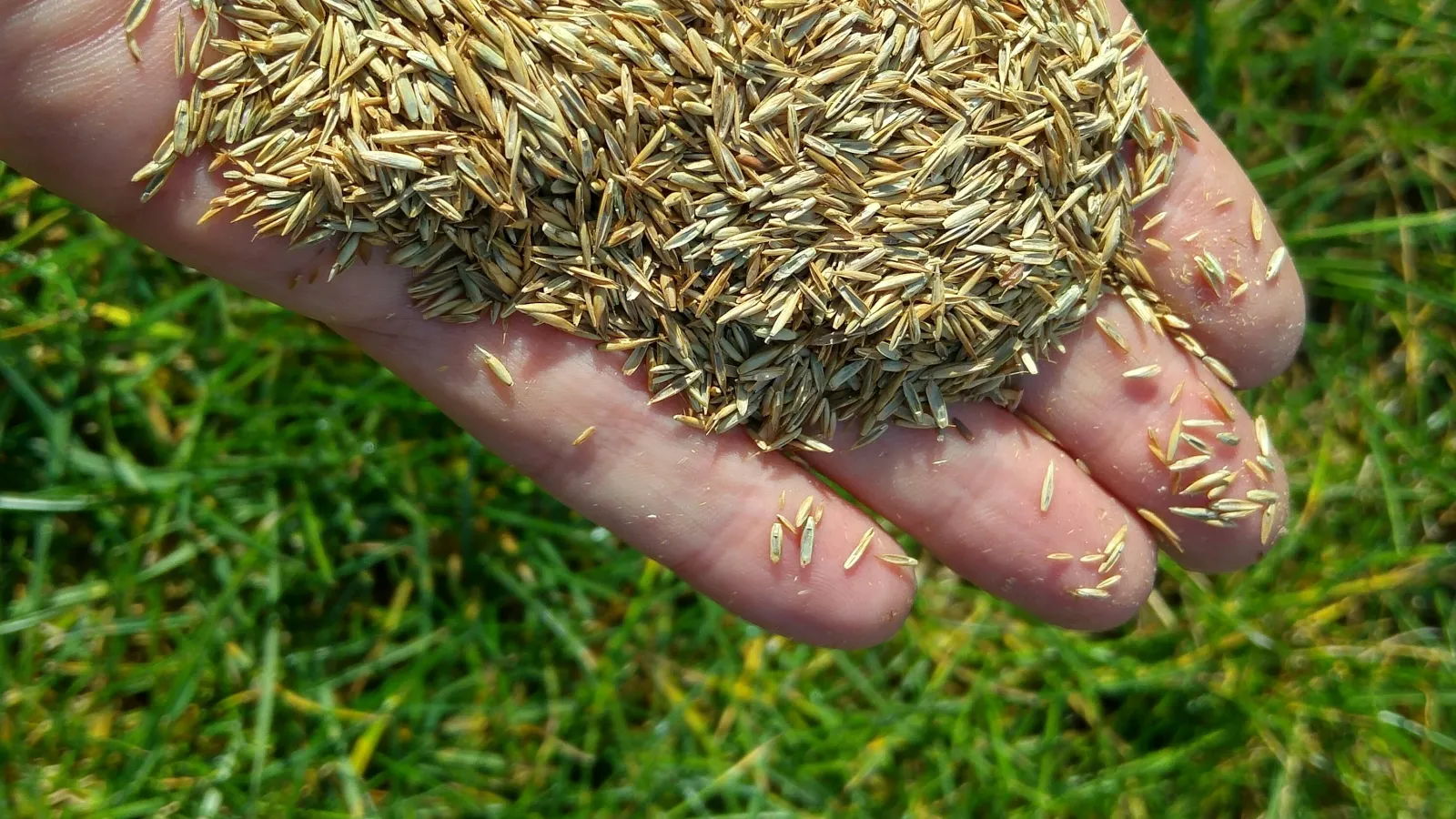
Select seeds that suit your climate and soil. Bermuda grass seeds come in different types. Some grow faster, while others resist drought better. Check the seed label for purity and germination rates. High-quality seed leads to a better lawn.
Proper Seed Distribution
Spread seeds evenly to avoid clumps or bare patches. Use a seed spreader for large areas. For small spots, scatter seeds by hand. Lightly rake the soil to cover seeds with a thin layer. This protects them and helps keep moisture in the soil.
Watering Schedule After Seeding
Water seeds gently and often. Keep the soil moist but not soaked. Water two to three times a day for the first two weeks. Reduce watering as the grass starts to grow. Proper watering helps seeds sprout and roots develop strong.
Caring For New Bermuda Grass
Caring for new Bermuda grass requires attention and patience. This grass type grows quickly but needs proper care to thrive. Early care sets the stage for a healthy lawn. Follow these simple steps to help your Bermuda grass establish strong roots and look lush.
Fertilizing Tips
Start fertilizing about four to six weeks after seeding. Use a fertilizer high in nitrogen for best results. Apply it evenly across the lawn. Avoid over-fertilizing, as it can burn the grass. Water the lawn lightly after applying fertilizer to help absorption.
Mowing Guidelines
Wait until the grass reaches 2 to 3 inches tall before the first mow. Set your mower blade to about 1 to 1.5 inches. Mow regularly to keep the grass healthy and thick. Never cut more than one-third of the grass height at once. Keep mower blades sharp to avoid tearing the grass.
Weed And Pest Control
New Bermuda grass is vulnerable to weeds. Remove weeds by hand or use a weed control safe for young grass. Watch for pests like grubs or armyworms that can damage roots. Treat any pest problems early with appropriate methods. Maintain lawn health to prevent weed and pest issues.
Common Challenges
Growing Bermuda grass can be rewarding but challenging. Many gardeners face common problems that affect the lawn’s health and appearance. Understanding these challenges helps in maintaining a lush, green yard. Two major issues are patchy growth and drought stress. Both need careful attention for best results.
Dealing With Patchy Growth
Patchy growth makes your lawn look uneven and weak. Bare spots appear due to poor soil, pests, or improper care. Regularly check the soil for compaction or nutrient gaps. Aerate the lawn to improve air and water flow. Overseed bare areas with Bermuda grass seed for quick repair. Keep the soil moist but not wet during seed growth. Remove weeds that compete for nutrients and space.
Handling Drought Stress
Bermuda grass suffers during dry spells without enough water. The blades turn brown and dry, losing their green color. Water deeply once or twice a week instead of light daily watering. This encourages deep root growth and drought resistance. Mulch around the lawn edges to keep moisture longer. Avoid mowing too short as it stresses the grass. Watch for signs of dryness early to act fast.
Enhancing Lawn Health
Enhancing lawn health is key for a strong, green Bermuda grass lawn. Healthy grass resists weeds, pests, and drought. Simple care steps improve growth and color. These steps include proper aeration, overseeding, and seasonal maintenance. They help Bermuda grass thrive throughout the year.
Focus on soil health and grass density. These improve water and nutrient absorption. A healthy lawn looks lush and feels soft underfoot.
Aeration And Overseeding
Aeration creates small holes in the soil. This allows air, water, and nutrients to reach roots. It reduces soil compaction. Compacted soil blocks grass growth.
Overseeding adds new grass seeds to thin areas. It fills bare spots and thickens the lawn. Overseeding with Bermuda grass seed keeps the lawn dense. A dense lawn stops weeds and erosion.
Seasonal Maintenance
Seasonal care matches Bermuda grass needs through the year. In spring, start with aeration and overseeding. Use fertilizer to boost growth. Water deeply but less often.
Summer needs extra watering during dry days. Mow at the right height to protect grass blades. In fall, reduce watering and prepare for winter. Remove leaves and debris to prevent diseases.
Credit: turfmasterslawncare.com
Frequently Asked Questions
Can Bermuda Grass Be Grown From Seed Successfully?
Yes, Bermuda grass can be grown from seed. However, it requires warm soil, proper watering, and patience. Seeded Bermuda grass takes longer to establish than sprigs or sod but is cost-effective for large areas.
When Is The Best Time To Seed Bermuda Grass?
The best time to seed Bermuda grass is late spring to early summer. Soil temperatures should be consistently above 65°F for optimal germination. Warm weather helps seeds sprout quickly and develop strong roots.
How Long Does Bermuda Grass Seed Take To Germinate?
Bermuda grass seed typically germinates in 7 to 21 days. Warm soil and consistent moisture speed up the process. Cooler temperatures or dry conditions can delay germination significantly.
Is Seeding Better Than Sod For Bermuda Grass?
Seeding Bermuda grass is cheaper but slower to establish. Sod provides instant coverage and weed control. Choose seeding for budget-friendly, large areas; sod for quick results and erosion control.
Conclusion
Seeding Bermuda grass can improve your lawn’s look and health. Choose good quality seed and plant it at the right time. Keep the soil moist and give your grass space to grow. Patience matters—grass takes time to fill in fully.
With care, your lawn will become green and strong. Simple steps make a big difference for Bermuda grass success. Try it and enjoy a lush, healthy yard.
