

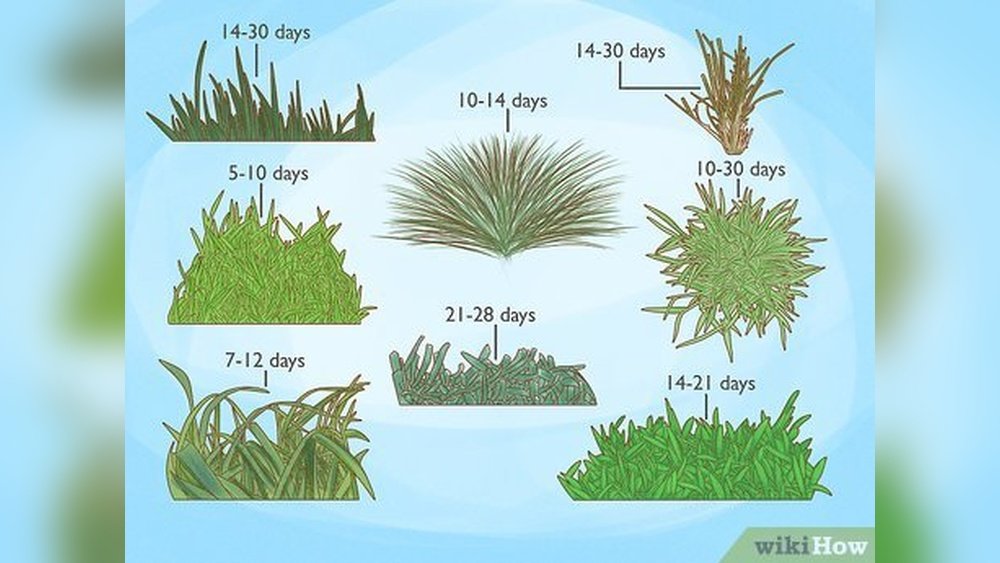
Bermuda grass seed typically takes about 7 to 14 days to germinate under optimal conditions. Warm soil temperatures between 75°F and 85°F and consistent moisture are crucial for quick sprouting. Cooler soils or poor watering habits can delay the process, so maintaining the right environment helps ensure steady growth.
Are you eager to see your lawn come to life with lush Bermuda grass? One question that probably crosses your mind is, “How long does Bermuda grass seed take to germinate?”
Knowing the answer can save you from unnecessary worry and help you care for your lawn the right way. You’ll discover exactly what to expect after planting your seeds, how to speed up germination, and tips to ensure a healthy, green yard.
Keep reading to turn your lawn dreams into reality faster than you think!

Credit: thegrassoutlet.com
Bermuda Grass Seed Basics
Bermuda grass seed is popular for lawns and sports fields. It grows fast and handles heat well. Understanding its basics helps you grow a healthy lawn. Knowing about seed types and the best planting time is key. This knowledge improves germination success and lawn quality.
Seed Varieties
Bermuda grass comes in several seed types. Common Bermuda is coarse and tough. It is great for heavy use areas. Hybrid Bermuda is finer and greener. It looks better but costs more. Choose seed based on your lawn needs. Each variety has different growth speeds and care needs.
Ideal Planting Time
Plant Bermuda grass seed in warm weather. Soil temperature should be above 65°F (18°C). Late spring to early summer is best. This helps seeds germinate quickly. Cold soil slows growth and causes failure. Water the seed often after planting. Keep soil moist but not soaked.
Germination Timeline
Bermuda grass seed needs time to start growing. Understanding the germination timeline helps you plan your lawn care better. Seeds do not sprout immediately after planting. They need warm soil and moisture to begin growing.
Patience is important. Watching for the first signs of growth keeps you informed about your lawn’s progress.
Typical Germination Period
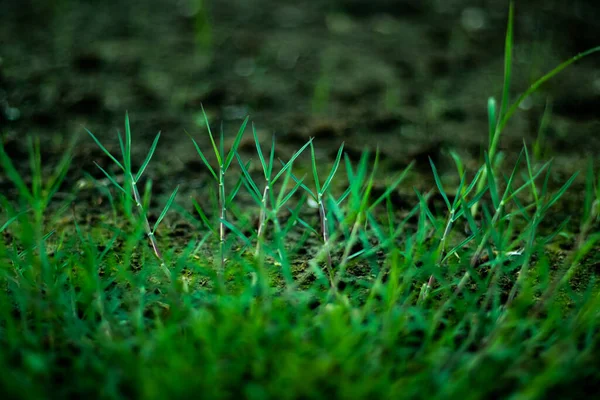
Bermuda grass seed usually takes 7 to 14 days to germinate. This period depends on soil temperature and moisture levels. Warmer soil speeds up germination. Cooler soil slows it down. The ideal soil temperature is between 75°F and 85°F. Seeds start showing tiny green shoots during this time.
After germination, seedlings need more care. Water them gently and keep the soil moist. This helps young grass grow strong and healthy.
Factors Influencing Speed
Several factors affect how fast Bermuda grass seeds sprout. Soil temperature is the most important. Warm soil makes seeds grow faster. Cold or dry soil delays germination.
Soil quality also matters. Loose, well-drained soil helps roots grow better. Compacted soil can slow or stop growth. Water is key. Seeds need consistent moisture but not too much water.
Sunlight plays a role. Bermuda grass needs full sun for quick growth. Shade areas take longer to green up. Seed quality also affects speed. Fresh, high-quality seed germinates faster than old seed.
Soil And Temperature Effects
Soil and temperature play a big role in how fast Bermuda grass seed sprouts. Seeds need the right ground and warmth to start growing strong. Without good soil and proper heat, germination slows down or stops.
Optimal Soil Conditions
Bermuda grass seed grows best in loose, well-drained soil. Soil should feel soft and crumbly, not hard or packed. Clay or heavy soil holds too much water and can drown seeds.
Soil pH should be slightly acidic to neutral, between 6.0 and 7.0. This range helps seeds absorb nutrients easily. Adding organic matter like compost improves soil texture and nutrition.
Keep soil moist but not soaked. Too much water causes seeds to rot. Too little water stops them from sprouting. Light watering several times a day works best until grass grows.
Temperature Range For Growth
Bermuda grass seed needs warm soil to germinate well. The ideal soil temperature is between 70°F and 95°F (21°C to 35°C). Below 65°F (18°C), seeds may stay dormant or grow very slowly.
Daytime air temperature should also be warm, around 80°F (27°C) or higher. Cool nights below 60°F (16°C) can delay germination. Warm weather speeds up sprouting and root growth.
Plant seeds in late spring or early summer for best results. Soil and air temperatures are usually warm enough during this time. Cold or wet seasons reduce germination success.
Credit: theturfgrassgroup.com
Watering Tips For Germination
Watering is crucial for Bermuda grass seed germination. Proper water helps the seeds sprout strong roots. Too little or too much water can stop growth. Knowing how to water correctly can speed up germination and grow a healthy lawn.
Moisture Requirements
Bermuda grass seeds need constant moisture during germination. The soil should be damp but not soaked. Water the area lightly two to three times daily. Keep the top 1/4 inch of soil moist. This helps seeds absorb water and start growing roots quickly.
Once seedlings appear, reduce watering to once a day. Water deeply but less often to encourage root growth. Adjust watering based on weather and soil dryness.
Common Watering Mistakes
Overwatering is a common error. It can drown seeds and cause rot. Avoid puddles and soggy soil. Underwatering causes seeds to dry out and die. Skipping watering slows germination and weakens seedlings.
Watering only once a day during hot weather may not be enough. Use a gentle spray, not a heavy hose stream. This prevents washing away seeds or soil. Consistent, gentle watering leads to a lush Bermuda grass lawn.
Troubleshooting Slow Germination
Slow germination of Bermuda grass seed can be frustrating. It may take longer than expected to see green shoots. This delay often signals underlying problems. Understanding these issues helps fix them quickly. Early action improves the chances of healthy growth. This section guides you through common causes and practical fixes.
Identifying Problems
Poor soil quality can stop seeds from sprouting. Seeds need loose, well-drained soil to grow roots. Heavy clay or compacted soil blocks air and water. Too much shade slows germination. Bermuda grass needs full sun to thrive. Incorrect watering is another common issue. Overwatering drowns seeds, while underwatering leaves them dry. Cold soil temperatures delay sprouting. Bermuda grass seeds need warmth above 65°F (18°C). Old or damaged seeds may not germinate well. Always check seed freshness before planting.
Solutions To Boost Growth
Improve soil by loosening it and adding sand or compost. Choose a sunny spot with at least 6 hours of sun daily. Water seeds lightly but regularly to keep soil moist. Avoid waterlogging the area. Use a soil thermometer to ensure warmth. Cover seeds with a thin layer of soil to protect them. Test seed quality before planting. Use fresh, high-quality seeds from a trusted supplier. Applying a starter fertilizer can help young plants grow strong. Follow the instructions carefully to avoid damage.
Post-germination Care
After Bermuda grass seed sprouts, the real work begins. Caring for young grass is key to a healthy lawn. Proper care helps grass grow strong and green quickly. Neglect can cause slow growth or patchy spots. Focus on two main tasks: feeding the grass and cutting it at the right time.
Fertilizing Young Grass
Young Bermuda grass needs nutrients to grow thick and healthy. Use a fertilizer with nitrogen, phosphorus, and potassium. Apply fertilizer lightly to avoid burning new grass. Follow the instructions on the package carefully. Fertilize about three to four weeks after germination. This timing supports root and blade growth. Water the lawn gently after fertilizing to help nutrients soak in.
Mowing Guidelines
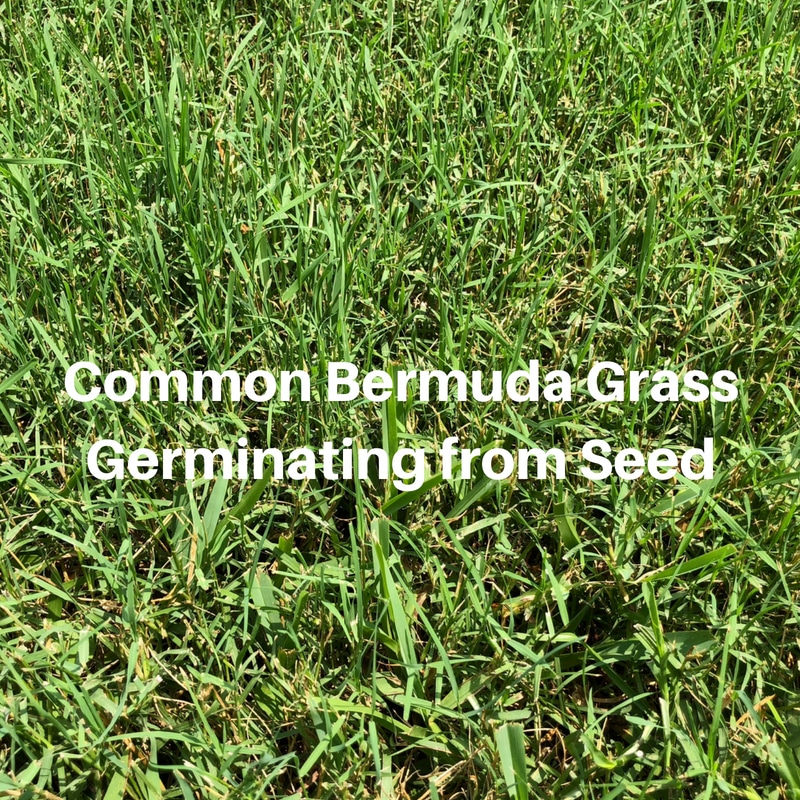
Wait until the grass is about 2 to 3 inches tall before mowing. Set mower blades high to avoid cutting too short. Cut only the top third of the grass blade. Mowing too low can stress young grass and slow growth. Keep mower blades sharp for a clean cut. Mow regularly to encourage thick, even grass. Remove clippings to prevent disease and thatch build-up.
Credit: houstonturfgrass.com
Frequently Asked Questions
How Long Does Bermuda Grass Seed Take To Germinate?
Bermuda grass seed typically takes 7 to 14 days to germinate. Warm soil temperatures between 70°F and 95°F speed up the process. Cooler temperatures or poor soil conditions may delay germination.
What Affects Bermuda Grass Seed Germination Time?
Soil temperature, moisture, and seed quality affect germination time. Consistent watering and warm soil promote faster sprouting. Poor soil or drought conditions can slow or prevent germination.
Can Bermuda Grass Seed Germinate In Cold Weather?
Bermuda grass seed struggles to germinate in cold weather. Soil below 60°F slows growth significantly. For best results, plant when soil temperature is consistently above 70°F.
How To Speed Up Bermuda Grass Seed Germination?
Maintain soil temperature between 70°F and 95°F. Keep soil consistently moist but not waterlogged. Use high-quality seed and prepare the soil properly before planting.
Conclusion
Bermuda grass seed usually takes 7 to 14 days to sprout. Warm soil and proper watering help speed up growth. Keep the soil moist but not soaked. Avoid heavy foot traffic on new seedlings. Patience is key for a healthy lawn.
With good care, your grass will fill in nicely. Enjoy watching your yard turn green and lush soon. Growing Bermuda grass is simple with the right steps. Stay consistent, and you will see great results.
